Solar panels do not automatically make a home sale easier or harder. The biggest factors are who owns the system, how it is financed, whether any lien or UCC filing affects the property, and whether the buyer’s lender approves the arrangement.
An owned system is usually simpler to transfer than a lease or power purchase agreement. A financed system can also require attention to the remaining debt, payoff process, and title records. Before listing the home, the seller should gather the solar agreement and related property documents so the buyer, lender, appraiser, inspector, and title company have time to review them.
Solar Ownership and Payment Arrangements
Solar panels can be purchased outright, financed with a solar loan, leased from a solar company, or installed under a power purchase agreement. Those arrangements may look similar from the street, but they create different obligations during a sale.
| Arrangement | Who owns the equipment | What the buyer may need to review | Main sale complication |
|---|---|---|---|
| Owned outright | Seller or homeowner | System records, warranties, permits, utility documents, and evidence of condition | The appraisal still needs to reflect the system’s market contribution rather than automatically adding its installation cost |
| Solar loan | Generally the homeowner, subject to the loan and any related security interest | Loan balance, payoff process, liens or UCC filings, and lender requirements | The debt and lien position must be resolved or handled under the transaction and applicable mortgage rules |
| Solar lease | Solar company | Remaining term, payment schedule, transfer approval, buyout options, maintenance duties, and system warranties | The buyer may need to qualify for and assume the agreement, or the seller may need another approved resolution |
| Power purchase agreement | Solar company or another third party owner | Price per kilowatt hour, escalation terms if any, remaining term, transfer approval, production terms, and buyout provisions | The buyer is taking on an electricity purchase contract rather than simply receiving owned equipment |
Contract terms and mortgage program rules control the actual process. Solar providers may use different payment structures, transfer rules, maintenance duties, buyout provisions, and production terms. A buyer should review the specific agreement rather than assume that another solar transaction will work the same way.
What Happens to a Solar Loan, Lease, or Power Purchase Agreement?
The agreement does not necessarily disappear when the home changes hands. The seller and buyer need to determine whether the arrangement can be transferred, whether the buyer must qualify, and whether the seller must pay a balance or buyout amount before closing.
Solar Loans
With a solar loan, the homeowner generally owns the equipment, but the loan may be connected to a security interest, lien, or UCC filing. The seller should request the current payoff information and ask the title company or closing attorney to review the property records.
The transaction documents should make clear how the remaining debt will be handled. Depending on the loan and the buyer’s financing, the balance may need to be paid off, resolved through the transaction, or handled in another way approved by the relevant parties.
Solar Leases and Power Purchase Agreements
Under a solar lease, the solar company owns the equipment and the homeowner makes contractual payments. Under a power purchase agreement, the homeowner purchases electricity produced by the system instead of owning the equipment. Both arrangements can create continuing obligations for the buyer.
Do not assume that a buyer can simply take over the contract. The provider may have transfer, credit approval, assumption, buyout, or timing requirements. The seller should request those requirements in writing and share them early with the buyer and the buyer’s lender.
One useful question is: “Will this buyer’s lender approve the existing solar agreement, and does the agreement meet that lender’s title and foreclosure requirements?” If the buyer will not assume the agreement, ask for the written payoff or buyout amount and clarify who pays it under the purchase contract.
Title, UCC Filings, and Mortgage Approval
A UCC filing is a recorded notice connected to personal property or a security interest. In a solar transaction, the filing may relate to the equipment or the solar debt. The practical concern is whether a solar company’s claim could interfere with the mortgage lender’s lien position or the transfer of clear title.
A filing limited to identified solar equipment is different from one that appears to affect the broader real estate. Depending on the filing, agreement, jurisdiction, and mortgage program, the issue may require an amendment, release, subordination, or payoff.
The title company or closing attorney should check for UCC filings, liens, easements, and other recorded interests. This review is especially important when the panels are financed, leased, or covered by a power purchase agreement. Freddie Mac guidance addresses solar agreements and related title concerns for mortgages that meet its requirements, but other lenders, loan programs, and jurisdictions may use different rules. Readers can review the Freddie Mac solar panel guidance for that program specific context.
Appraisals and Home Value
Owned solar panels are not automatically added to a home’s appraised value based on what they cost to install. An appraiser generally needs to consider the system’s contributory value and how the local market reacts to that feature.
Useful information can include ownership documents, equipment details, operating condition, warranties, production records, permits, and utility documents. The appraiser may use those records to understand what is installed and how it contributes to the property. Installation cost alone does not establish the amount of added market value.
Buyer perception and resale value can vary, so solar does not produce a uniform value increase in every transaction. For more context, see how solar panels may affect home value.
Disclosures, Inspections, and Solar Documents
Sellers should provide solar information early enough for the buyer and the buyer’s professionals to review it. Whether specific solar information must appear in seller disclosures depends on local rules, so the real estate professional handling the transaction should confirm what applies.
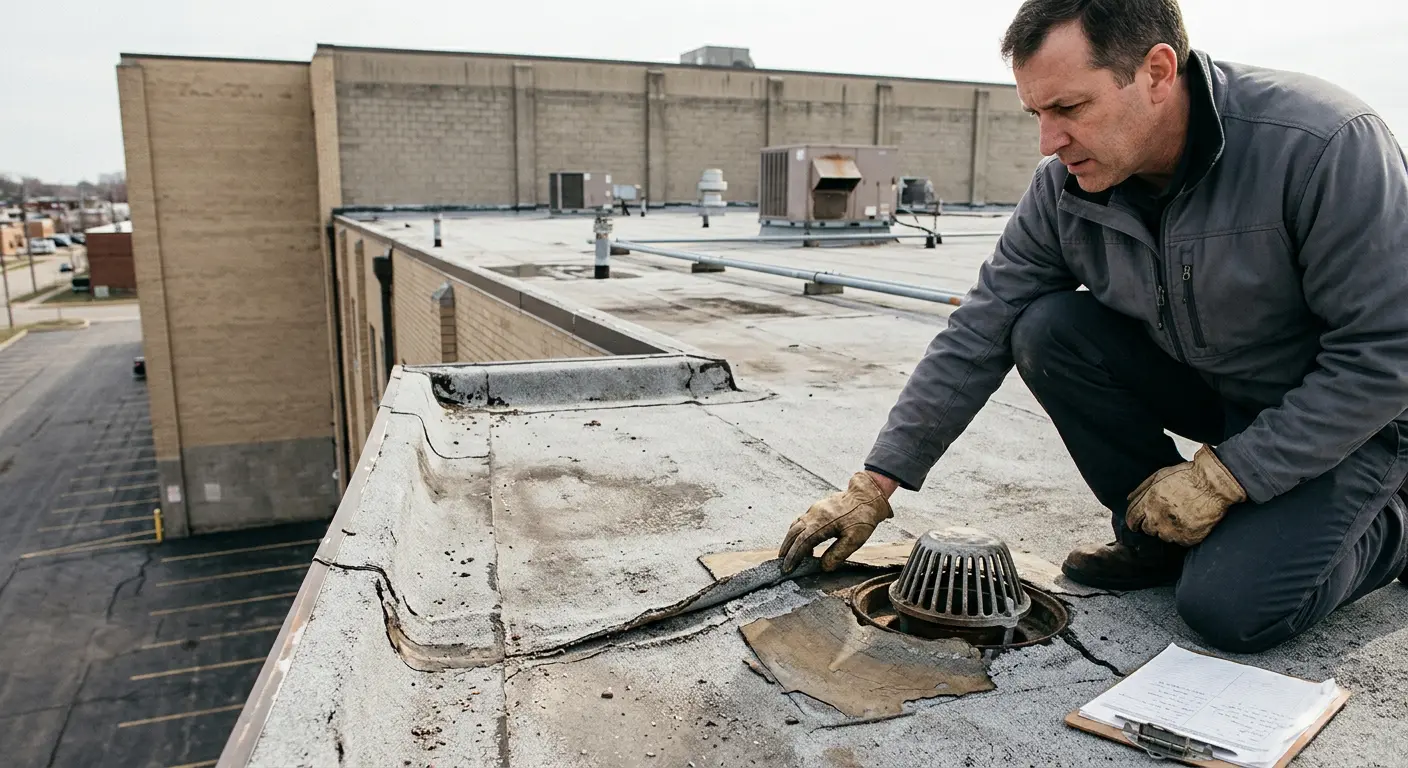
A conventional home inspection does not automatically answer questions about ownership, contract transfer, title, appraisal, tax treatment, or mortgage approval. Those questions involve different professionals and documents. A physical inspection can still help evaluate the roof and related installation conditions. Buyers can review what a pre purchase roof inspection should cover, including roof areas and conditions that may matter when solar equipment is installed.
Documents to Gather Before Listing
A seller can reduce delays by locating:
- The original purchase, loan, lease, or power purchase agreement
- The current payoff or buyout amount, if applicable
- Payment history and transfer instructions
- Equipment details, warranties, and maintenance records
- Permits, utility interconnection documents, and production records
- Information about liens, UCC filings, easements, or other recorded interests
These records help establish what is being sold, who owns the equipment, what obligations remain, and what the buyer’s lender and title company need to resolve.
Tax Credits and Solar Incentives When Moving
Solar tax records can matter after the installation and later when the home is sold. The IRS advises homeowners to retain purchase receipts and installation records because they may be needed during an audit and to substantiate the home’s adjusted basis.
Tax treatment depends on the specific credit, installation date, taxpayer, and available records. The IRS also explains that qualifying energy credits or subsidies included in the home’s basis must be subtracted from that basis. That does not calculate an individual seller’s tax result, so a tax professional should review the sale specific circumstances.
Federal credits, state incentives, utility benefits, renewable energy certificates, and financing agreements can follow different rules when a homeowner moves. For a broader discussion, read what happens to solar incentives when you move. The Internal Revenue Service guidance on residential clean energy credits is also a useful reference, but it is not a substitute for sale specific tax advice.
Questions Buyers and Sellers Should Answer Before Closing
The goal is not to make every solar transaction identical. It is to identify the agreement and resolve its requirements before they become a closing day surprise.
- Who owns the panels and related equipment?
- Is there a loan, lease, power purchase agreement, lien, UCC filing, or other recorded interest?
- Can the buyer assume the agreement, and does the provider require credit approval?
- If the buyer will not assume it, what is the written payoff or buyout amount?
- Has the buyer’s lender reviewed and approved the arrangement?
- Does the title company need a release, amendment, subordination, or payoff before closing?
- Do the appraiser and inspector have the records they need to evaluate the system and the roof?
Does the buyer have to take over a solar lease or power purchase agreement?
Not automatically. The agreement controls the transfer process, and the provider may require buyer approval, credit qualification, or another resolution. Confirm the requirements in writing before relying on a contract assumption.
Are owned solar panels automatically added to a home’s appraised value?
No. The appraiser should consider the system’s contributory value and market reaction. Installation cost alone does not establish the amount added to the home’s value.
What happens to a solar loan when the homeowner sells?
The seller must determine the current balance, payoff process, and any related lien or UCC requirements. The debt may need to be paid off or otherwise handled in a way approved by the transaction parties and applicable lenders.
Can a solar lien or UCC filing delay closing?
It can create a title or lender review issue, depending on what the filing covers and the requirements of the mortgage program. The title company or closing attorney should determine whether it must be released, amended, subordinated, or paid off.
What solar documents should a seller provide?
Provide the applicable agreement, payoff or buyout information, warranties, equipment details, permits, utility documents, production records, payment history, and maintenance records. Also identify any known liens, UCC filings, easements, or other recorded interests.
Can a buyer’s mortgage lender reject a home with leased or financed solar?
The lender’s decision depends on the agreement, title position, mortgage program, and the lender’s requirements. A leased or financed system is not automatically treated the same way by every lender, so the buyer should submit the documents for review early.
Final Takeaway
Solar panels can affect a home sale through ownership, financing, title, appraisal, disclosures, and contract transfer requirements. The most useful first step is to identify the system’s status and gather the complete paperwork before listing or making an offer. From there, the buyer’s lender, appraiser, inspector, title professional, real estate agent, and tax adviser can address the parts that apply to their roles and the specific transaction.