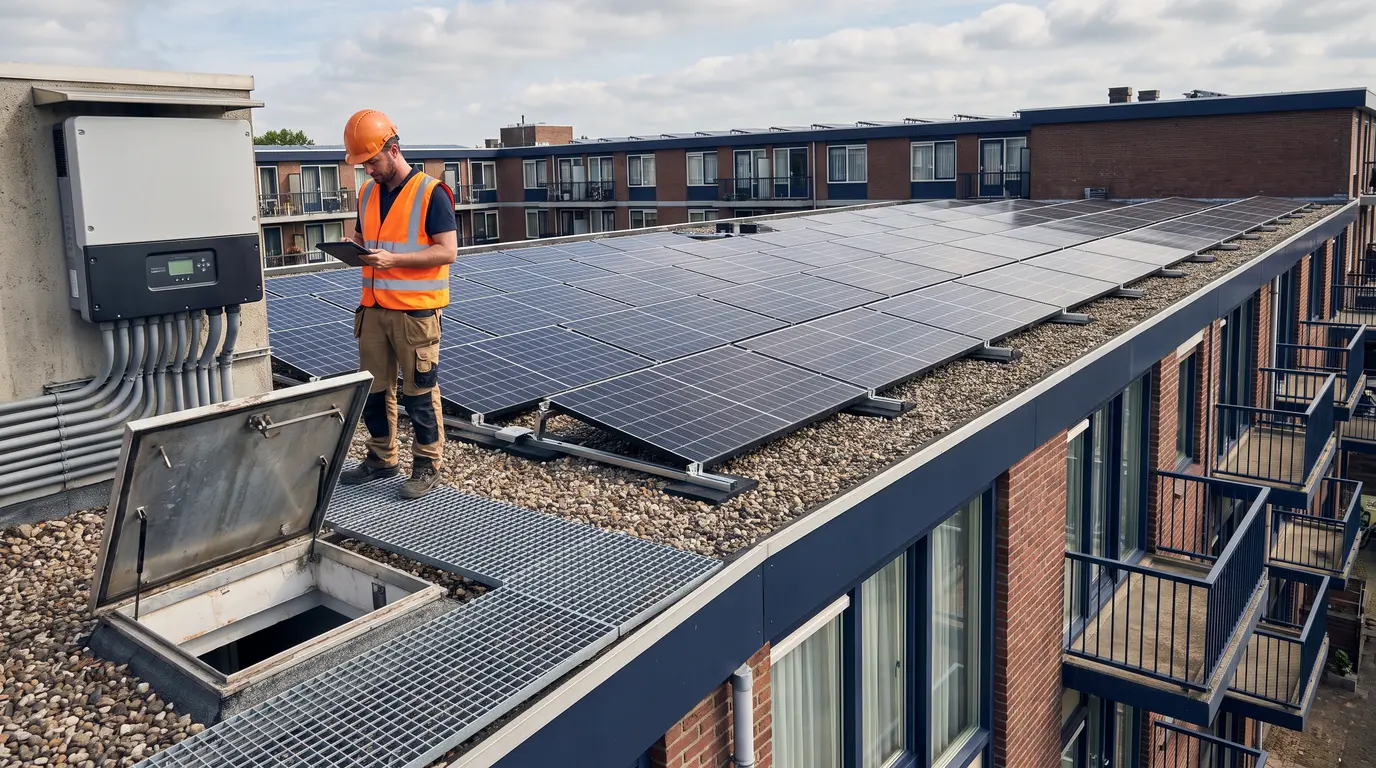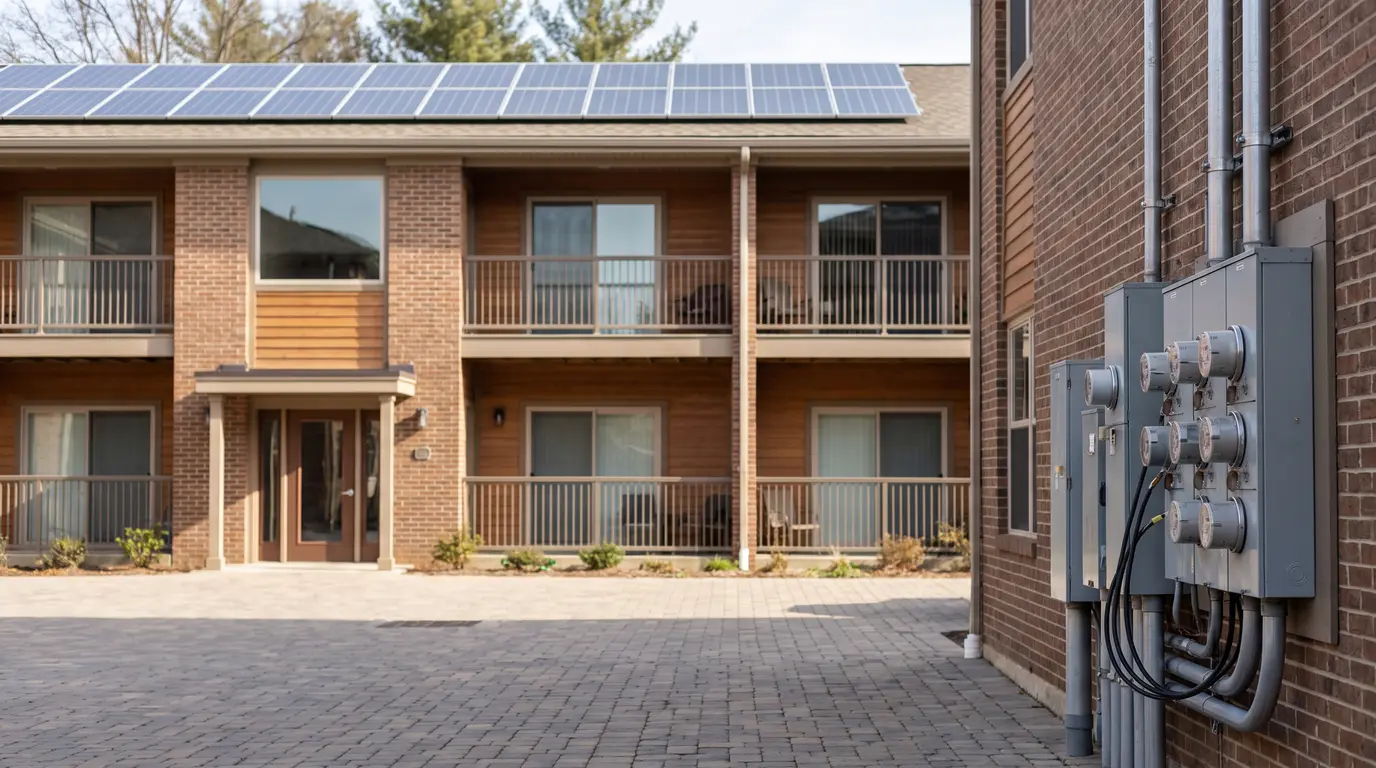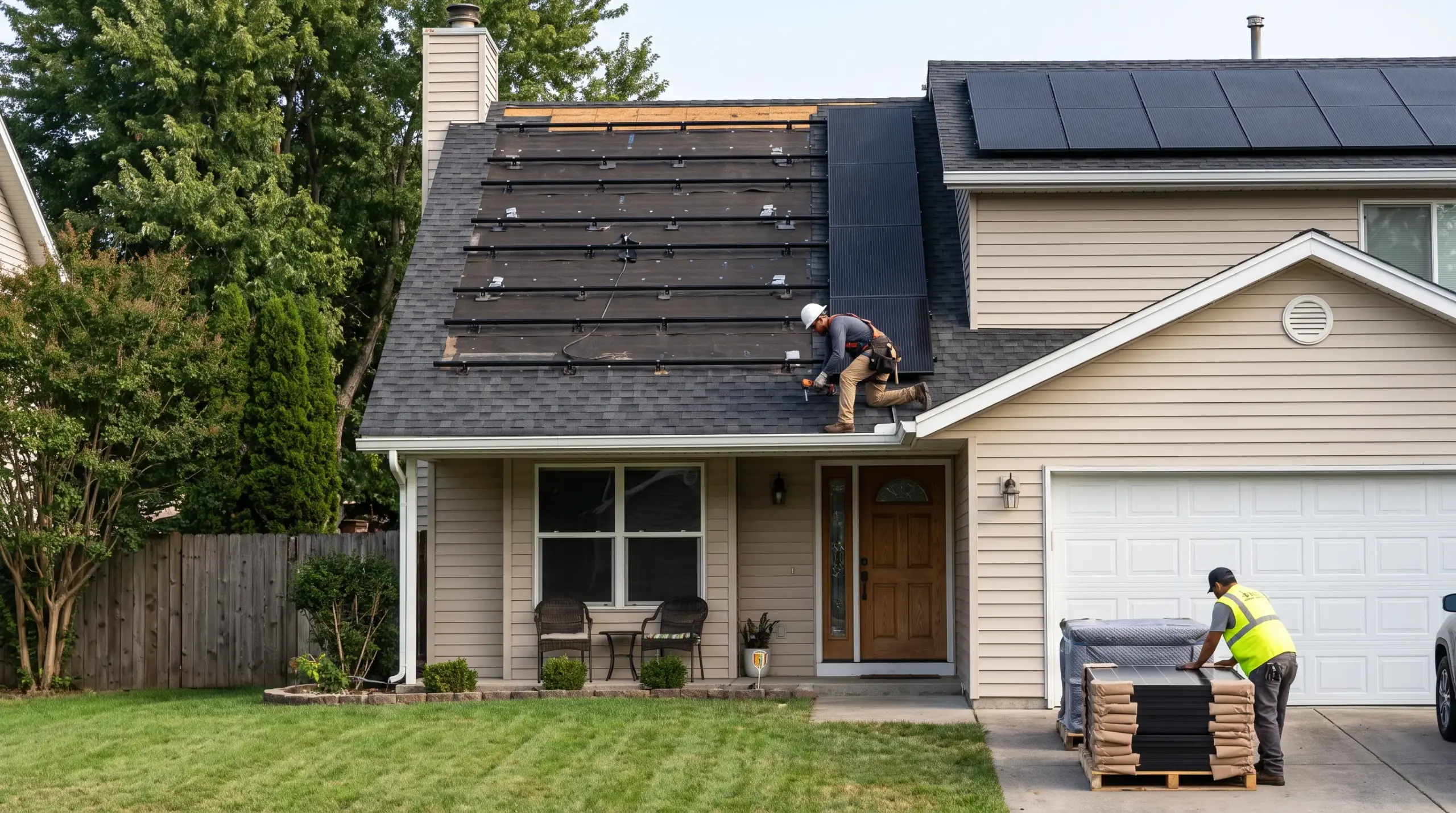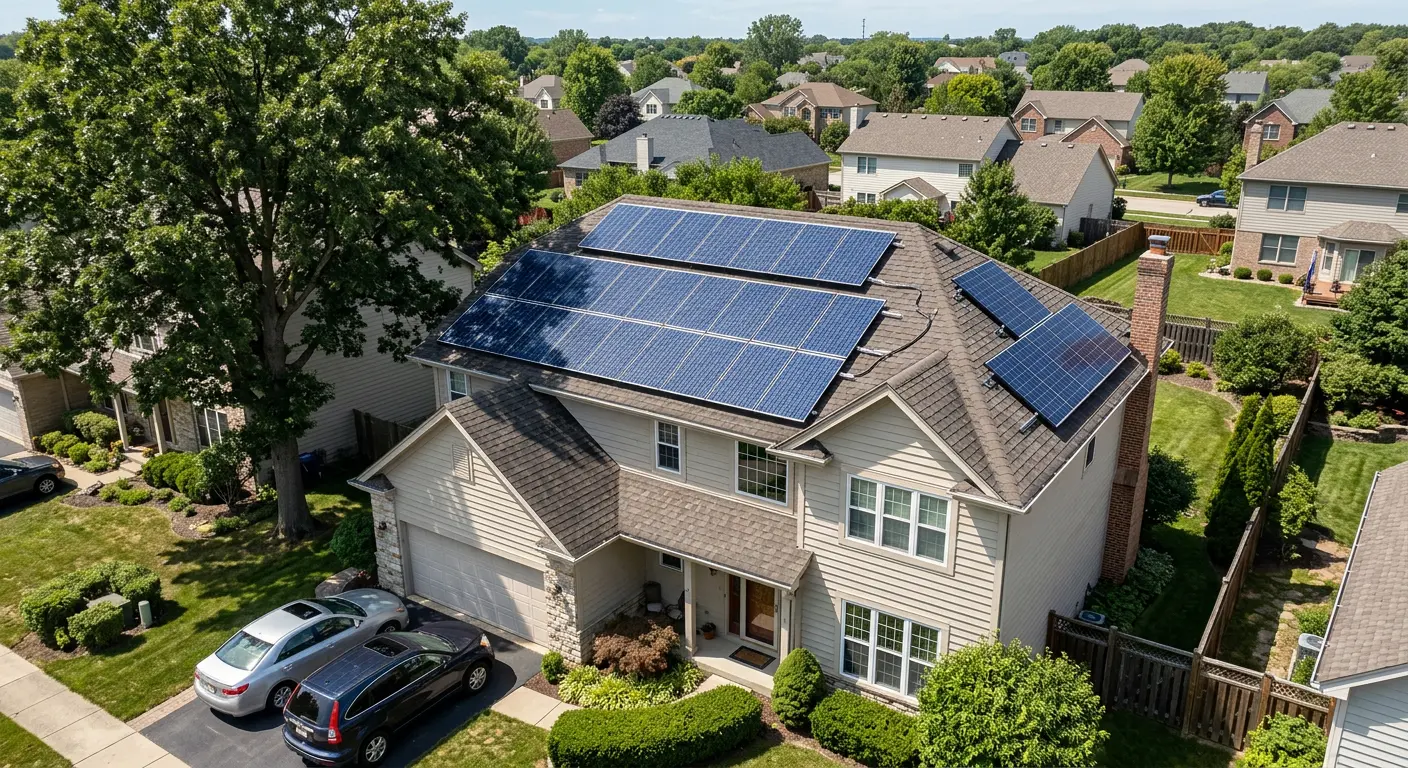
There is no single panel count that fits every home. A practical estimate starts with your household’s annual electricity use, compares it with the expected annual production of the proposed panels, and then checks whether your roof has enough suitable, relatively unshaded space.
Panel wattage, roof direction and slope, shade, system losses, and future electricity use can all change the answer. A professional design using production modeling for your address is needed to finalize the system size. Still, a few straightforward steps can help you understand what a proposal is trying to accomplish.
How to estimate your solar panel count
Start with approximately 12 months of utility bills. Add the electricity purchased over the year to find your annual use in kilowatt hours. Looking at the full year matters because household demand can change with the seasons, and one monthly bill may not represent your usual needs.
As a national reference point, the U.S. Energy Information Administration reported average residential electricity purchases of 10,791 kilowatt hours per customer in 2022, or about 899 kilowatt hours per month. That is a historical national benchmark, not a current estimate for every household and not a recommended solar system size. Your own bills are the more useful starting point.
Next, estimate the system capacity that could produce the electricity you want to offset. A preliminary panel count can be expressed this way:
System capacity in kilowatts divided by panel wattage in kilowatts equals a preliminary number of panels.
That calculation describes nameplate capacity, not guaranteed annual production. The final estimate should compare your annual electricity use with the modeled annual production of the proposed array. A panel’s watt rating describes its maximum power under specified conditions, while yearly energy production also reflects roof direction, slope, shade, equipment efficiency, wiring losses, dust, and other site conditions.
| Factor | How it affects panel count or system size | What the homeowner should check |
|---|---|---|
| Annual electricity use | Higher annual kilowatt hour use generally requires greater modeled solar production and potentially more panels. | Review approximately 12 months of utility bills. |
| Panel wattage | Higher rated panels can provide more nameplate capacity per panel, but wattage alone does not establish annual energy production. | Compare the proposed panel’s wattage with its modeled production. |
| Roof orientation and slope | Roof direction and slope change the amount of sunlight available and may change annual output. | Identify which roof planes are suitable and how they are oriented. |
| Shading | Trees, buildings, and other obstructions can reduce production and usable array area. | Request address specific shade assumptions or a production model. |
| Roof space and condition | A roof may not have enough suitable area, or it may need work before panels are installed. | Check usable roof area and remaining roof service life. |
| Future electricity use | Planned electrification may increase the system size that makes sense today. | Discuss an electric vehicle, heat pump, electric water heating, and additions with the installer. |
This table offers decision factors, not a universal panel count formula. Final sizing depends on the property, equipment, utility conditions, and production modeling.
Check your roof space and sunlight
Your roof may have enough total area for a large array but not enough suitable area for the layout you want. Roof shape, obstructions, slope, direction, and access needs all affect how many panels can fit. Trees and nearby buildings can also reduce production or the amount of roof that is practical to use.
South facing roofs generally perform well for solar, but a roof does not need to face due south to be considered. Other roof directions may also be workable. The effect of direction, slope, and shade needs to be modeled for your specific property. For a closer look at this part of the decision, read about roof direction for solar.
Ask for an address specific production estimate and review the assumptions behind it. The U.S. Department of Energy and the National Renewable Energy Laboratory identify PVWatts as a starting tool for estimating production from a proposed grid connected photovoltaic system. A calculator result is useful for early planning, but it is not a structural review, electrical plan, utility approval, or final contractor proposal.
A useful question for an installer is: “What annual kilowatt hour production does the proposal predict for this address, and what assumptions were used for shade, orientation, panel wattage, and system losses?”
What if your roof cannot fit enough panels?
A smaller usable roof, substantial shade, budget limits, utility rules, or other design constraints may prevent a homeowner from installing enough panels to offset 100 percent of annual electricity use. That does not automatically make solar unsuitable. It means the design may need to target a portion of your annual use instead of the full amount.
If your roof has multiple orientations or areas with different shade conditions, equipment choices may also become part of the design discussion. You can learn more about microinverters or a string inverter. Inverter selection does not determine the required panel count by itself, but it can be relevant when comparing layouts and shaded roof areas.
Plan for future electricity use
Your current utility bills are the best starting point, but they are not necessarily the whole story. Consider whether you expect to add an electric vehicle, heat pump, electric water heating, pool equipment, or a home addition. These changes may increase future electricity use and may affect the system size that makes sense today.
Efficiency upgrades may reduce future electricity use instead. The specific effect depends on the equipment, how often it operates, and the property. Ask the installer to discuss your expected changes before the final design is selected.
One practical question is: “Does the proposed layout leave enough suitable roof area for the future loads I expect to add?” This keeps the conversation focused on both today’s bills and the direction your household is heading.
Confirm your roof is ready
Before signing a solar contract, consider the roof’s condition and remaining service life. If the roof may need renovation or replacement soon, completing that work before solar installation can help avoid removing and reinstalling panels later. Whether replacement is appropriate depends on the roof’s condition, construction, remaining service life, and the assessments of the roofing contractor and solar installer.
For more help thinking through this timing decision, review whether to replace your roof before solar. The article can support general planning, but it does not replace a property specific assessment or structural approval.
A simple process for homeowners
- Collect approximately 12 months of utility bills and total your annual electricity use.
- Decide whether your goal is to offset all annual use or only a portion.
- List planned electrical changes, such as an electric vehicle, heat pump, electric water heating, or an addition.
- Have the actual roof evaluated for usable area, direction, slope, shade, obstructions, and condition.
- Compare the proposal’s modeled annual production with your annual electricity use.
- Ask which assumptions were used for shade, panel wattage, roof orientation, and system losses.
Once you have a preliminary system size, the solar cost calculator can help with early cost planning. Treat any calculator result as a preliminary estimate rather than a final system design or quote.
Frequently asked questions
Can a small roof produce enough electricity for the whole house?
It may, but the answer depends on annual electricity use, panel output, roof direction and slope, shade, and usable roof area. A small roof may also support a system that offsets only part of annual use if space or sunlight limits the design.
Do I need fewer panels if I buy higher wattage panels?
Higher rated panels can provide more nameplate capacity per panel, so they may reduce the preliminary panel count for a target capacity. However, wattage alone does not establish annual production. Compare the panel rating with the address specific production model.
How does shade from trees affect the number of panels?
Shade can reduce production and the amount of roof area that is practical to use. Request the shade assumptions and annual production estimate for your address so you can see how the proposed layout accounts for trees and other obstructions.
Should I replace my roof before installing solar?
If the roof may need work soon, compare the timing and disruption of roofing work before and after solar installation. The right choice depends on the roof’s condition, construction, remaining service life, and the assessments of the roofing and solar professionals involved.
How should I account for an electric vehicle or heat pump?
Tell the installer about planned equipment before the system is finalized. An electric vehicle or heat pump may increase future electricity use, but the effect depends on the equipment and how it will operate. Efficiency changes may affect use in the other direction.
The right panel count starts with your home
The number of solar panels your home needs comes from comparing annual electricity use with modeled annual production, then confirming that the roof has enough suitable, relatively unshaded space. Panel wattage is part of the calculation, but it is not the whole answer.
Gather your utility history, consider future electrical loads, and ask for an address specific production model that clearly explains its assumptions. That gives you a practical basis for comparing proposals and deciding whether your roof and household goals support a full or partial offset.