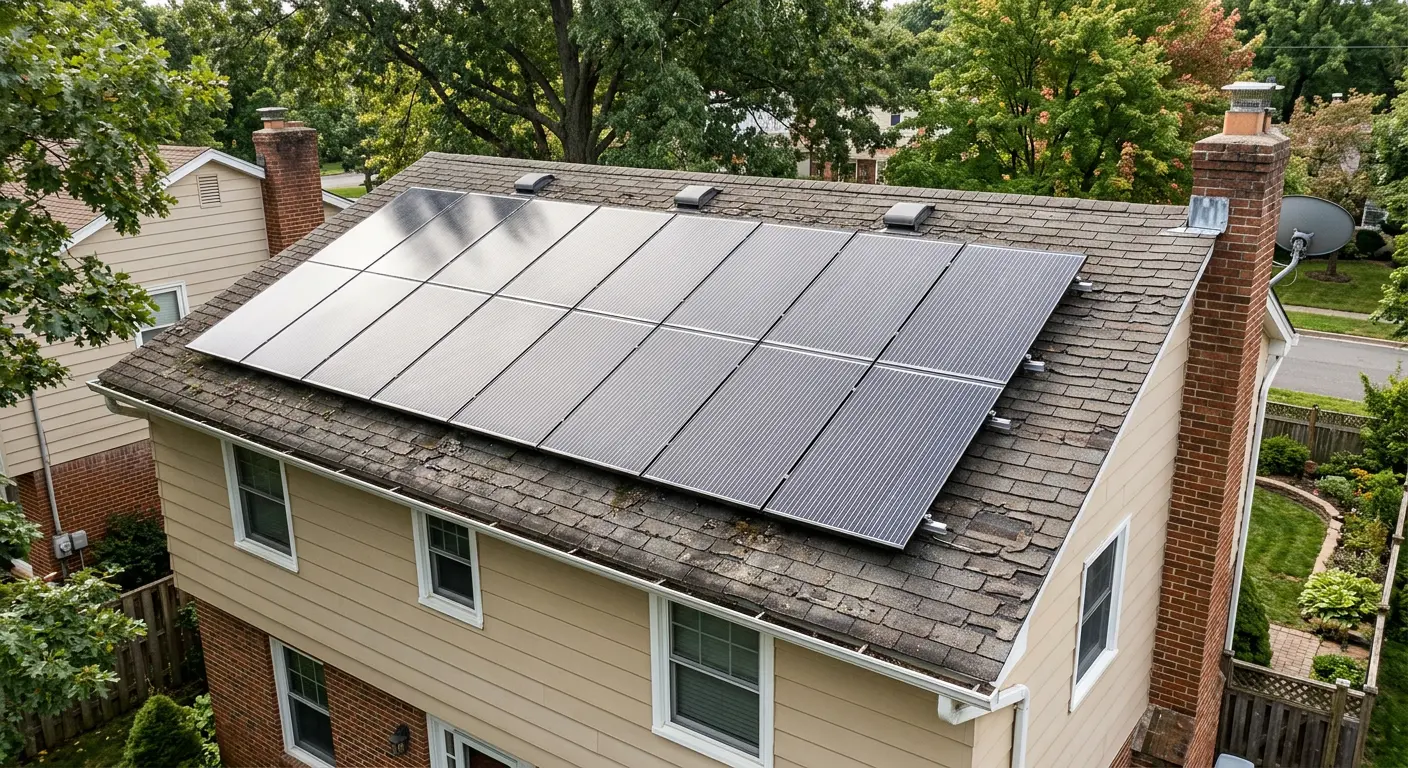
Usually, a damaged or aging roof should be repaired or replaced before solar panels are installed. If the roof is sound and has substantial remaining service life, replacing it solely because you are going solar may not be necessary.
The decision should be based on more than the roof’s age. Review its current condition, estimated remaining service life, structural suitability, warranty terms, and the cost and disruption of removing and reinstalling panels if roofing work becomes necessary later. Residential solar systems commonly last 20 to 25 years, so a roof that needs major work soon could create an avoidable second project.
The U.S. Department of Energy recommends considering how old the roof is and how long it may be until replacement when evaluating rooftop solar. A roofing professional, solar installer, or structural professional can help assess whether the roof is suitable. The Department of Energy’s solar guidance also notes that installing solar at the same time as a roof replacement may save money.
Which Project Should Come First?
Use the roof’s condition and expected remaining life to guide the sequence. This general comparison can help you identify the next step, but it does not replace a roof inspection, structural review, or contract review.
| Roof situation | More practical sequence | Why | Key qualification |
|---|---|---|---|
| Active leaks, widespread damage, or structural concerns | Address roofing problems before solar | A roof in poor condition may not be suitable for mounting and could require work beneath the array. | The repair or replacement scope requires a professional assessment. |
| Sound roof with uncertain age or remaining life | Obtain a roof inspection and written remaining life assessment before deciding | Age alone does not establish whether replacement is necessary, but uncertainty creates future planning risk. | Remaining life estimates are assessments, not guarantees. |
| Sound roof with substantial remaining service life | Solar may proceed without immediate replacement | A roof does not automatically need replacement simply because panels are being installed. | Confirm structural suitability, warranties, and future removal terms. |
| Roof replacement is already planned | Coordinate reroofing and solar as one project or deliberately sequenced projects | This may help avoid later panel removal and could save money when the work is coordinated. | Scheduling, permitting, financing, and contractor capabilities vary. |
Start With the Roof’s Condition
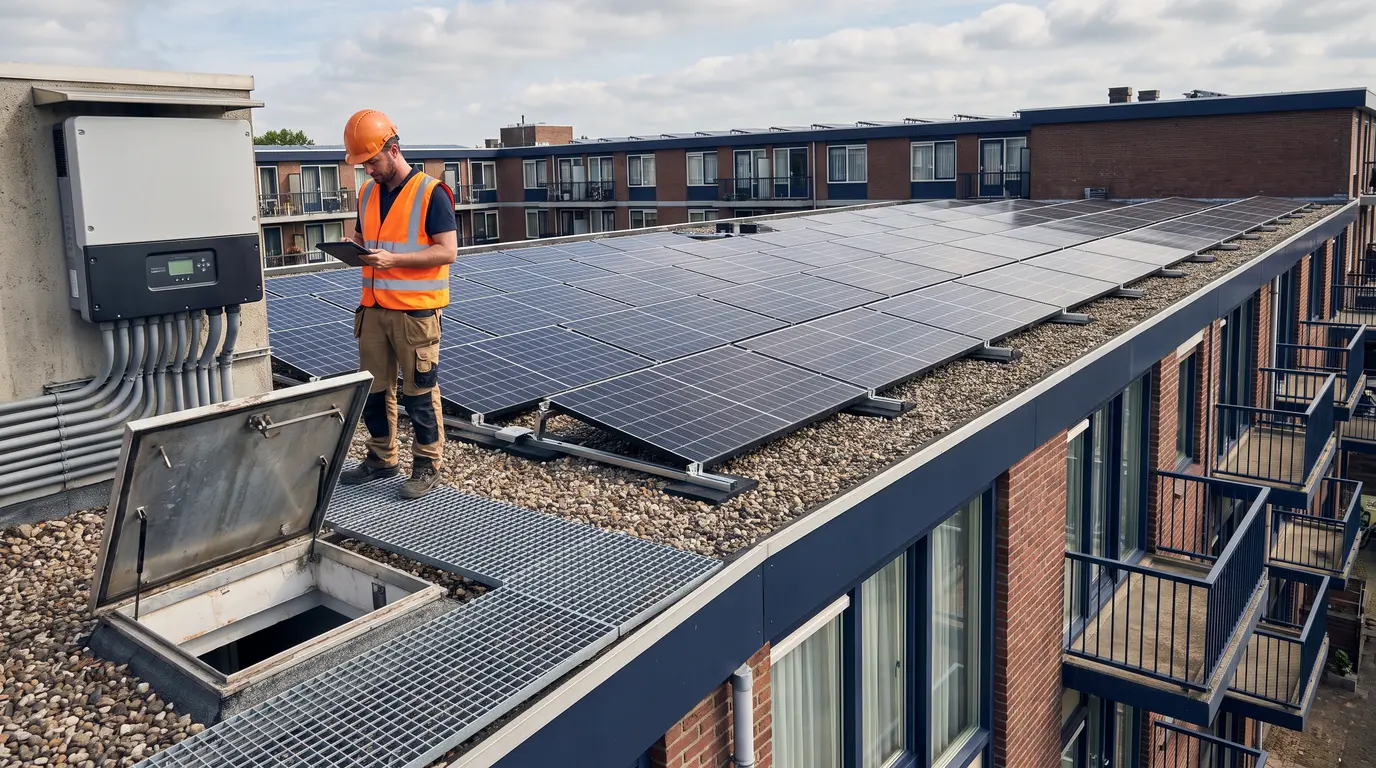
A solar installer may look over the roof before preparing a proposal, but that assessment may not be the same as a complete roofing inspection. A full evaluation is especially useful when the roof is older, has visible damage, or has a history of leaks.
Before scheduling solar work, look for signs that the roof needs closer attention, including leaks, widespread deterioration, damaged decking, failing flashing, or structural concerns. These problems should be addressed before panels are mounted because future roofing work could require access beneath the array.
You can check your roof safely from the ground as a preliminary screening step. A ground level visual check cannot replace a complete roof or structural inspection, but it may help you identify questions to raise with the professionals evaluating the project.
What to Request in a Roof Assessment
Ask for a written assessment that identifies, when possible:
- The roof material and installation or replacement date
- Visible defects, leaks, and flashing or penetration concerns
- Decking concerns, if they are known
- Structural concerns related to the proposed solar installation
- An estimated remaining service life
A remaining service life estimate is an assessment, not a guarantee. If you do not have roofing records, local government permit records may help establish when the roof was installed or replaced. For general background, read about how long different roofing materials may last, while remembering that material, climate, installation quality, and maintenance all affect the life of an individual roof.
Compare Roof Life With Solar Life
The key question is not simply, “How old is my roof?” It is, “How likely is this roof to remain suitable during the useful life of the solar system?” A roof with meaningful remaining service life may be a reasonable foundation for solar. A roof with uncertain or limited remaining life may make it more practical to complete roofing work first.
Replacing a sound roof before solar can add cost and project time. Installing solar on a roof that needs replacement soon, however, can lead to a second project in which the panels must be removed, stored, and reinstalled. Compare both possibilities instead of assuming that either choice is always less expensive.
For preliminary budgeting, you can compare a solar cost estimate with a roof replacement cost estimate. These tools provide estimates, not contractor quotes or guaranteed final project costs, savings, or eligibility.
Check Structural Suitability and Permits
Solar panels and their mounting equipment add weight to the building. The roof framing and overall structure therefore need to be suitable for the proposed installation. Local requirements may address structural loads, fire access, and permitting, but the details depend on the jurisdiction.
Ask the solar installer what structural review is needed for your project and confirm local requirements with the installer or the authority having jurisdiction. California permitting guidance, for example, discusses structural and code issues that may apply differently elsewhere. It should not be treated as a nationwide rule.
Coordinate the Roof and Solar Contracts
Roofing and solar work should be coordinated before either contract is signed. Confirm whether one company will manage both scopes or whether you will need to schedule separate crews and coordinate the handoff yourself.
Ask the solar company and roofer to clarify:
- Who is responsible for roof damage or leaks associated with the installation
- Who handles repairs if a roofing problem is discovered before mounting
- What panel removal, storage, and reinstallation would cost if the roof needs work later
- Who obtains permits and coordinates inspections
- Which warranties cover the equipment, installation labor, and roof related work
SEIA consumer guidance recommends understanding removal and reinstallation charges and which warranties apply. The actual responsibility depends on the contracts and the companies involved. A written scope is especially useful when separate contractors are handling the roof and solar work. This guide explains what to include in a roof replacement contract, although solar removal provisions may need to be addressed separately.
Questions to Ask Before Signing
Two useful questions to put in writing are:
- “If my roof needs replacement in five or ten years, what exactly will I pay for panel removal and reinstallation, and which party will coordinate the work?”
- “Does the proposed solar warranty cover roof leaks caused by the installation, and are ordinary roof deterioration and unrelated leaks excluded?”
Coordinate Roof Details With the Solar Layout
A planned roof replacement can affect the solar layout, vent locations, attachment method, warranties, and final price. If vents or other roof features interfere with the proposed array, ask whether they should be relocated or replaced with lower profile options. This is not automatically necessary. It depends on the roof layout, array design, appearance preferences, and applicable requirements.
Ask that related roof work be identified in the proposal rather than assuming it is included. Resolving these details before installation can reduce confusion between the roofing and solar scopes.
What Happens If the Roof Needs Work Later?
If the roof needs repair or replacement after solar installation, the panels may need to be removed before the roofing crew can complete the work. The solar system may also need to be stored and reinstalled afterward. The contract may identify charges and responsibilities, but those terms vary.
Do not assume that the solar installer, roofer, or warranty provider will automatically coordinate the entire process. Confirm who schedules the crews, handles permits, protects the equipment, pays for removal and reinstallation, and addresses any resulting warranty claims.
Frequently Asked Questions
How old can a roof be before installing solar?
There is no single roof age that decides whether solar is appropriate. Have the roof’s condition and estimated remaining service life assessed. A roof with substantial remaining life may not need replacement, while an older roof with damage or uncertain remaining life may be better addressed first.
Can solar panels be installed on a roof that needs minor repairs?
That depends on the repair and the roof’s overall condition. Ask the installer and a roofing professional whether the repair should be completed before mounting panels. Leaks, widespread deterioration, damaged decking, failing flashing, and structural concerns should be resolved before installation.
What happens if the roof needs replacement after solar panels are installed?
The panels and mounting equipment may need to be removed, stored, and reinstalled. Your contract should explain the expected charges, responsibilities, permits, coordination, and warranty treatment. Do not assume those terms are the same from one company to another.
Who pays to remove and reinstall solar panels during roof replacement?
The contract determines who is responsible and what the work costs. Ask for the removal, storage, reinstallation, and related roof work terms in writing before approving the solar project.
Should the roofer or solar installer inspect the roof?
A solar installer can identify issues relevant to the proposed installation, but that assessment may not replace a full roofing inspection. For an older roof, visible damage, leaks, or uncertain history, request a written assessment from a qualified roofing professional and confirm any structural questions with the appropriate professional or local authority.
Make the Decision Before Installation
Replace the roof before solar when it has active leaks, widespread deterioration, structural concerns, or limited and uncertain remaining life. If the roof is sound and has substantial remaining service life, solar may proceed without immediate replacement.
The most useful next step is a written roof assessment paired with a solar proposal that clearly explains future removal, reinstallation, roof damage, permits, and warranty responsibilities. That comparison can help you choose the project sequence before panels make future roof work more complicated.