One of the most frequent questions homeowners ask is, how long will a roof last? The answer depends on many factors, such as the type of roofing material, the local climate, the quality of installation, and how well the roof has been maintained.
In this comprehensive guide, you’ll learn the average lifespan of popular roofing materials, what factors affect their longevity, and how to get the most out of your roof investment.
Quick Overview: Average Roof Lifespan by Material
| Roof Type | Average Lifespan |
|---|---|
| Asphalt Shingles | 15 to 30 years |
| Architectural Shingles | 25 to 35 years |
| Wood Shakes | 25 to 40 years |
| Metal Roofing | 40 to 70 years |
| Clay Tile | 50 to 100 years |
| Concrete Tile | 40 to 75 years |
| Slate Roofing | 75 to 200 years |
| Flat Roofing (EPDM, TPO) | 10 to 30 years |
| Solar Shingle Roofs | 20 to 30 years |
Detailed Roofing Material Lifespans
Asphalt Shingles (15 to 30 Years)
Overview:
Asphalt shingles are the most common roofing material in the United States due to their affordability and ease of installation. They’re made from a fiberglass or organic mat, coated with asphalt and topped with ceramic granules. You can learn more about on our Asphalt shingles guide.
Types:
- 3-tab shingles: These are the most basic and budget-friendly, with a lifespan of about 15 to 20 years.
- Architectural shingles: Thicker and more durable, lasting up to 30 years or more.
Lifespan Factors:
Asphalt shingles are prone to damage from extreme heat, strong winds, hail, and algae growth. In hot and humid climates, their lifespan tends to be shorter due to UV breakdown.
Maintenance Tips:
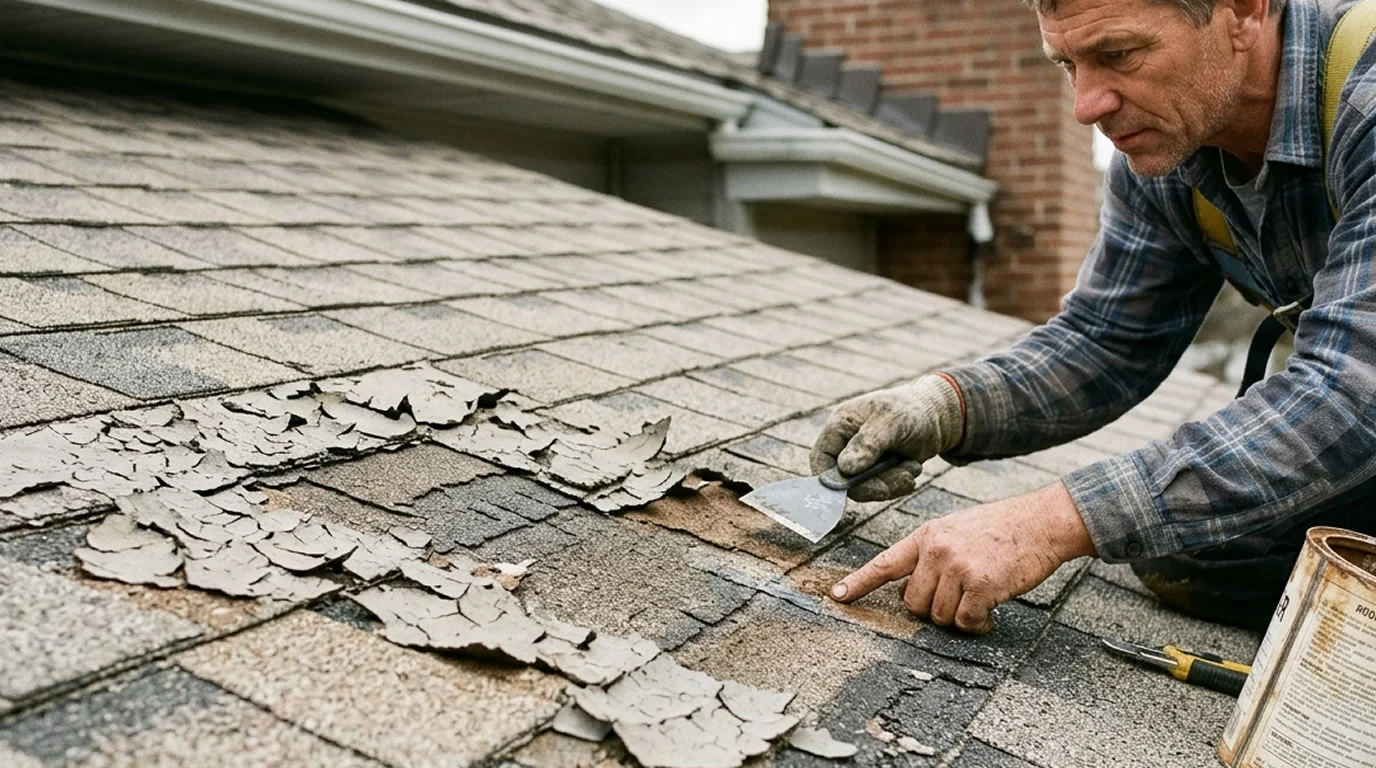
- Replace missing or curling shingles promptly
- Clean moss and algae with gentle solutions
- Ensure gutters are cleared regularly
Best for:
Budget-conscious homeowners in moderate climates.
Architectural Shingles (25 to 35 Years)
Overview:
Architectural shingles are a premium version of standard asphalt shingles. They’re also known as dimensional shingles and are constructed with multiple layers of asphalt fused together.
Advantages:
- More resistant to wind and impact than 3-tab shingles
- Better curb appeal due to a more dimensional look
- Longer lifespan, averaging 25 to 35 years
Lifespan Factors:
While more durable, architectural shingles can still degrade under extreme sun exposure or severe storms. Proper attic ventilation and insulation will help them last longer.
Maintenance Tips:
- Schedule inspections after major storms
- Watch for signs of granule loss or warping
Best for:
Homeowners looking for a balance of aesthetics, durability, and cost.
Wood Shingles and Shakes (25 to 40 Years)
Overview:
Wood roofing offers a classic and natural look, typically made from cedar, redwood, or pine. Shakes are hand-split for a rough texture, while shingles are machine-cut and smoother. You can learn more about on our Wood shake guide.
Lifespan:
With regular maintenance, wood shakes and shingles can last 25 to 40 years. Cedar is especially long-lasting and resistant to insects.
Lifespan Factors:
Wood is susceptible to fire, rot, and moisture unless properly treated. In wet or humid climates, they degrade faster without routine upkeep.
Maintenance Tips:
- Apply a protective sealant every few years
- Keep roof free of debris and moss
- Maintain proper ventilation to avoid trapped moisture
Best for:
Homes in dry climates or those seeking a rustic, traditional look.
Metal Roofing (40 to 70 Years)
Overview:
Metal roofing is available in several forms, including standing seam panels and metal shingles. Common materials include steel, aluminum, copper, and zinc. Learn about metal shake roofs here.
Lifespan:
- Galvanized steel and aluminum: 40 to 50 years
- Copper and zinc: 70 years or longer
Advantages:
- Reflects solar heat, reducing cooling costs
- Fire resistant and impervious to insect damage
- Highly durable in wind and hail-prone areas
Lifespan Factors:
Poor installation or lack of maintenance can shorten its lifespan. Sealants, fasteners, and paint coatings may degrade and require occasional replacement.
Maintenance Tips:
- Inspect seams, fasteners, and flashing annually
- Clear debris from valleys and gutters
- Check for corrosion or fading of finishes
Best for:
Regions with harsh weather or homeowners seeking energy-efficient, long-term solutions.
Clay Tile Roofing (50 to 100 Years)
Overview:
Clay tiles are made from baked natural clay and are popular in Mediterranean and Spanish-style homes. Their heavy weight requires a strong structural foundation. Our Clay roofing guide offers more explanation about the material.
Lifespan:
High-quality clay tiles can last 75 to 100 years or more if properly maintained.
Advantages:
- Fireproof
- Rot and insect resistant
- Resistant to heat and sunlight
Lifespan Factors:
Individual tiles can crack under heavy impact or if walked on. Freezing temperatures may cause expansion and cracking if not rated for freeze-thaw cycles.
Maintenance Tips:
- Replace broken tiles promptly
- Avoid walking on the tiles to prevent breakage
- Inspect underlayment every 20 to 30 years
Best for:
Hot, dry climates with minimal risk of freezing temperatures.
Concrete Tile Roofing (40 to 75 Years)
Overview:
Concrete tiles are similar to clay but more affordable. They are heavy, durable, and often shaped to mimic clay or slate tiles.
Lifespan:
Concrete tile roofs can last 40 to 75 years with proper installation and maintenance.
Advantages:
- Fire and insect resistant
- Great thermal performance
- Long-lasting and cost-effective compared to clay or slate
Lifespan Factors:
The underlayment may need replacement after 25 to 30 years even if tiles are intact. Regular inspections ensure longevity.
Maintenance Tips:
- Clean moss and lichen from the surface
- Repair broken or cracked tiles as needed
- Inspect flashing and valleys for water intrusion
Best for:
Homeowners who want tile aesthetics with lower material costs.
Slate Roofing (75 to 200 Years)
Overview:
Slate roofs are made from natural stone and are considered one of the most luxurious and long-lasting roofing options available. Find out more information on our slate roof guide.
Lifespan:
High-end slate can easily last 100 to 200 years with proper care.
Advantages:
- Natural appearance and texture
- Fireproof, rot-proof, and mold-resistant
- Minimal maintenance needs
Lifespan Factors:
Slate is heavy and requires professional installation on a reinforced structure. Poor installation is the main reason slate fails prematurely.
Maintenance Tips:
- Schedule regular inspections for loose or cracked tiles
- Avoid walking on the roof
- Replace flashing and underlayment every 50 years
Best for:
Historic homes or premium properties where budget and structure allow.
Flat Roofing Systems (10 to 30 Years)
Overview:
Flat roofs are typically used in commercial buildings and modern residential designs. Common materials include EPDM (rubber), TPO, and PVC membranes. You can learn more about flat roofs on our roll on roof guide.
Lifespan:
- EPDM: 10 to 20 years
- TPO/PVC: 20 to 30 years
Advantages:
- Cost-effective for large surface areas
- Easier and safer to access for repairs and maintenance
- Compatible with rooftop HVAC and solar systems
Lifespan Factors:
Drainage issues and UV degradation can reduce lifespan. Regular inspections are vital to prevent water pooling and membrane wear.
Maintenance Tips:
- Clean drains and remove standing water
- Check seams, flashing, and membrane integrity
- Apply protective coatings every few years
Best for:
Commercial buildings or homes with modern, low-slope architecture.
Solar Shingle Roofs (20 to 30 Years)
Overview:
Solar shingles combine traditional roofing materials with photovoltaic technology to generate electricity directly from the roof. We have a guide about solar tile roofs on our roofing news section.
Lifespan:
20 to 30 years depending on manufacturer and usage
Advantages:
- Dual-purpose roofing and solar energy
- Sleek appearance compared to solar panels
- Eligible for tax credits and energy rebates
Lifespan Factors:
Performance degrades slightly over time. Installation quality and electrical connections are key to longevity.
Maintenance Tips:
- Keep shingles free of debris and snow
- Monitor energy output for performance changes
- Schedule periodic inspections with solar technicians
Best for:
Eco-conscious homeowners interested in renewable energy integration.