Roll-on roofs, also known as roll roofing, are a budget-friendly and quick-installation roofing option that is widely used for sheds, garages, low-slope homes, and commercial buildings. Whether you’re a homeowner looking to reroof an outbuilding or a contractor exploring alternatives to traditional shingles, this comprehensive guide explains everything you need to know about roll-on roofs — including types, benefits, drawbacks, installation methods, and maintenance tips.
What Is a Roll-On Roof?
Definition
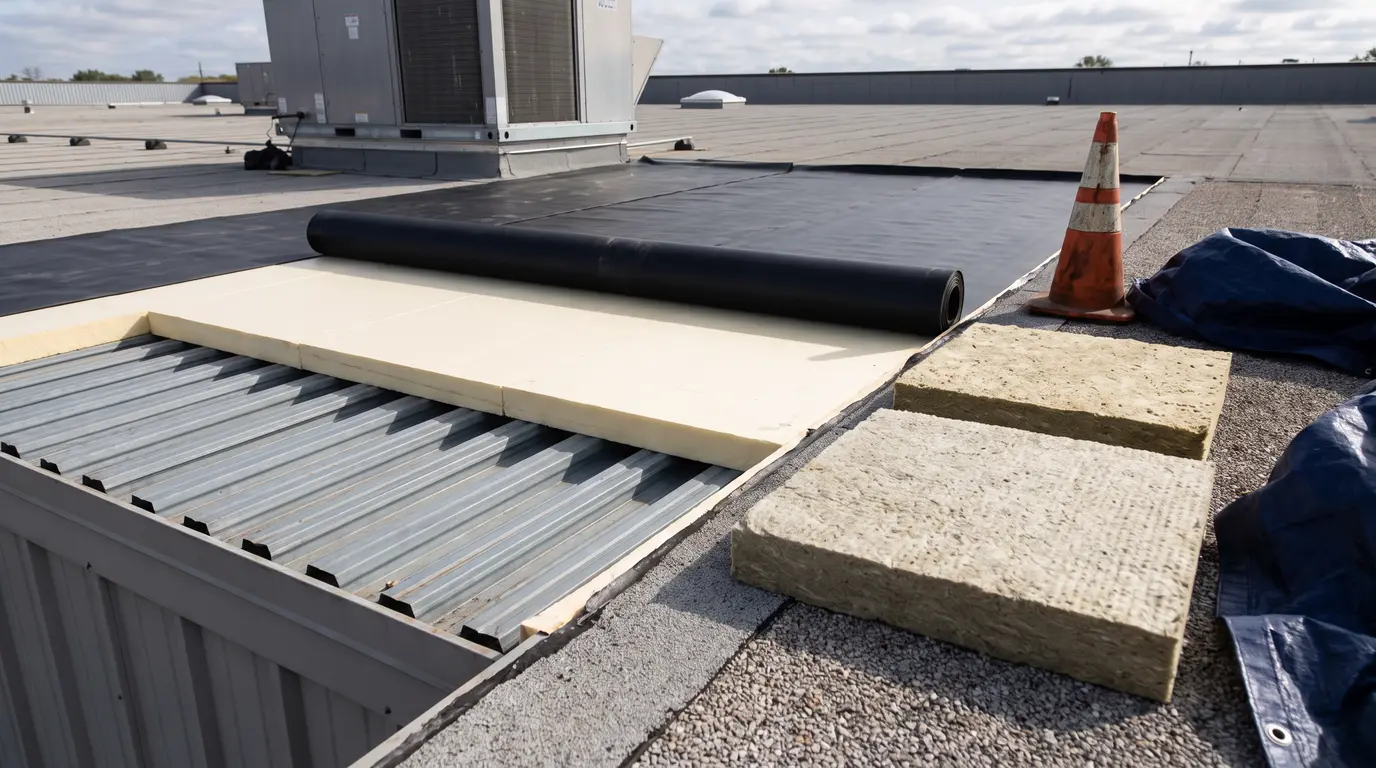
A roll-on roof refers to roofing material that comes in long rolls and is applied in large sections, often using roofing cement or adhesive. It is a common choice for flat or low-slope roofs where shingles or tiles would not perform as effectively.
Common Materials Used
- Asphalt-saturated felt
- Mineral surface roll roofing (MSR)
- Rubber membrane (EPDM)
- Modified bitumen
Types of Roll-On Roofing
1. Mineral Surface Roll Roofing (MSR)
This is the most common type. MSR is an asphalt-based product with a surface coating of mineral granules, similar to asphalt shingles. It typically comes in 36-inch wide rolls.
2. EPDM Rubber Roofing
EPDM is a synthetic rubber material that’s highly durable, UV-resistant, and commonly used in commercial applications. It’s also used in residential low-slope roofing.
3. Modified Bitumen
This is an asphalt product reinforced with fiberglass or polyester, offering added flexibility and resistance to extreme temperatures. It can be installed with a torch, adhesive, or self-adhesive backing.
4. Peel-and-Stick Roofing
Peel-and-stick roll-on roofing simplifies installation by eliminating the need for hot tar or open flame. It includes a self-adhering layer that sticks directly to the roof deck.
Benefits of Roll-On Roofing
Affordability
Roll roofing is one of the most cost-effective roofing options available. It’s often a third or less of the cost of asphalt shingles or metal roofs.
Quick Installation
Because it comes in large sheets and covers a wider area, roll-on roofing can be installed in a fraction of the time required for shingles or tiles.
Lightweight Material
Roll roofing is light and doesn’t require any special structural support, making it suitable for sheds, lean-tos, garages, and small additions.
Good for Low-Slope Roofs
Roll-on materials are specifically designed for low-slope or flat roofs where water runoff is slower and traditional shingles may leak.
Minimal Equipment Required
With peel-and-stick options or adhesive application, you can install roll roofing using basic tools such as a utility knife, trowel, and roller.
Drawbacks of Roll-On Roofing
Shorter Lifespan
Most roll roofing materials last 5 to 10 years, which is significantly shorter than asphalt shingles, metal roofing, or tile systems.
Limited Aesthetic Appeal
Roll-on roofs come in limited colors and styles. They typically offer a utilitarian look that may not match the visual appeal of other roofing types.
More Prone to Damage
Roll roofing can be more vulnerable to tearing, cracking, and lifting, especially in extreme weather conditions.
Not Ideal for High-Slope Roofs
This type of roofing is not recommended for roofs with a pitch greater than 2:12, as water can more easily seep underneath the rolls on steeper angles.
Where Roll-On Roofing Works Best
Residential Uses
- Garages
- Workshops
- Sheds
- Carports
- Sunrooms and porches
Commercial Applications
- Storage facilities
- Flat-roofed office spaces
- Temporary buildings
Installation Process
Step 1: Clean and Prepare the Surface
Remove any debris, old nails, or protrusions. The deck should be dry and smooth for proper adhesion.
Step 2: Apply Roofing Cement or Primer
Use roofing cement or a primer as directed by the product manufacturer to enhance adhesion.
Step 3: Unroll the Material
Lay the first strip horizontally starting at the bottom edge of the roof. Trim to fit as needed.
Step 4: Secure the Roll
Use galvanized nails along the edges or fully adhere the roll using a roller or broom. Overlap the next sheet by 4 inches to ensure waterproofing.
Step 5: Seal the Edges
Apply roofing cement under all overlaps and at the edges. Use a roller to press the seams firmly together.
How Long Does Roll Roofing Last?
Lifespan Based on Type
- MSR: 5 to 8 years
- EPDM: 15 to 25 years
- Modified Bitumen: 10 to 20 years
- Peel-and-Stick: 10 to 15 years
Extending the Life of Roll Roofing
- Keep the surface clean and free of debris
- Inspect seams and overlaps annually
- Reapply sealants every few years
- Avoid walking on the surface unnecessarily
Maintenance Tips
Visual Inspections
Check the roof for cracks, blisters, or exposed seams at least twice per year and after major storms.
Cleaning
Remove leaves, dirt, and standing water to prevent premature wear.
Seam Resealing
Apply roofing cement to areas where seams begin to lift or show signs of failure.
Patching
Small tears can be patched using matching material and adhesive. Ensure the patch extends at least 2 inches beyond the damaged area on all sides.
Cost of Roll-On Roofs
Material Costs
- MSR: $0.50 to $1.50 per square foot
- EPDM: $1.00 to $3.00 per square foot
- Modified Bitumen: $1.50 to $4.00 per square foot
- Peel-and-Stick: $1.50 to $3.50 per square foot
Installation Costs
Professional installation typically adds $1.50 to $3.00 per square foot. However, DIY installation can significantly reduce total cost.
Total Average Cost
For a 1,000-square-foot roof:
- DIY: $800 to $1,800
- Professional Install: $2,000 to $4,500
Comparing Roll Roofing to Other Materials
| Material | Avg. Lifespan | Cost (per sq ft) | Installation |
|---|---|---|---|
| Roll Roofing | 5–10 years | $1–$3 | Easy / DIY-friendly |
| Asphalt Shingles | 15–30 years | $3–$5 | Moderate |
| Metal Roofing | 40–70 years | $5–$12 | Professional recommended |
| EPDM Membrane | 25–30 years | $2–$5 | Moderate |
Is a Roll-On Roof Right for You?
Roll-on roofing is best suited for situations where budget, speed, and ease of installation are top priorities. If you’re roofing a non-living structure like a shed or garage, roll roofing is a practical and economical choice. However, if you are seeking a long-term investment for your home, you may want to explore more durable options like shingles, metal, or rubber membranes.
Conclusion
Roll-on roofs are a simple, cost-effective solution for a variety of roofing needs. With proper installation and occasional maintenance, they can serve as a reliable roofing system for 5 to 10 years or more, depending on the material used. Whether you’re taking on a DIY project or hiring a professional, understanding the types, pros and cons, and installation methods of roll roofing ensures you make a confident and informed decision.
As with any roofing system, be sure to consult with a local contractor or roofing expert to ensure roll-on roofing is the right fit for your building type, climate, and budget.