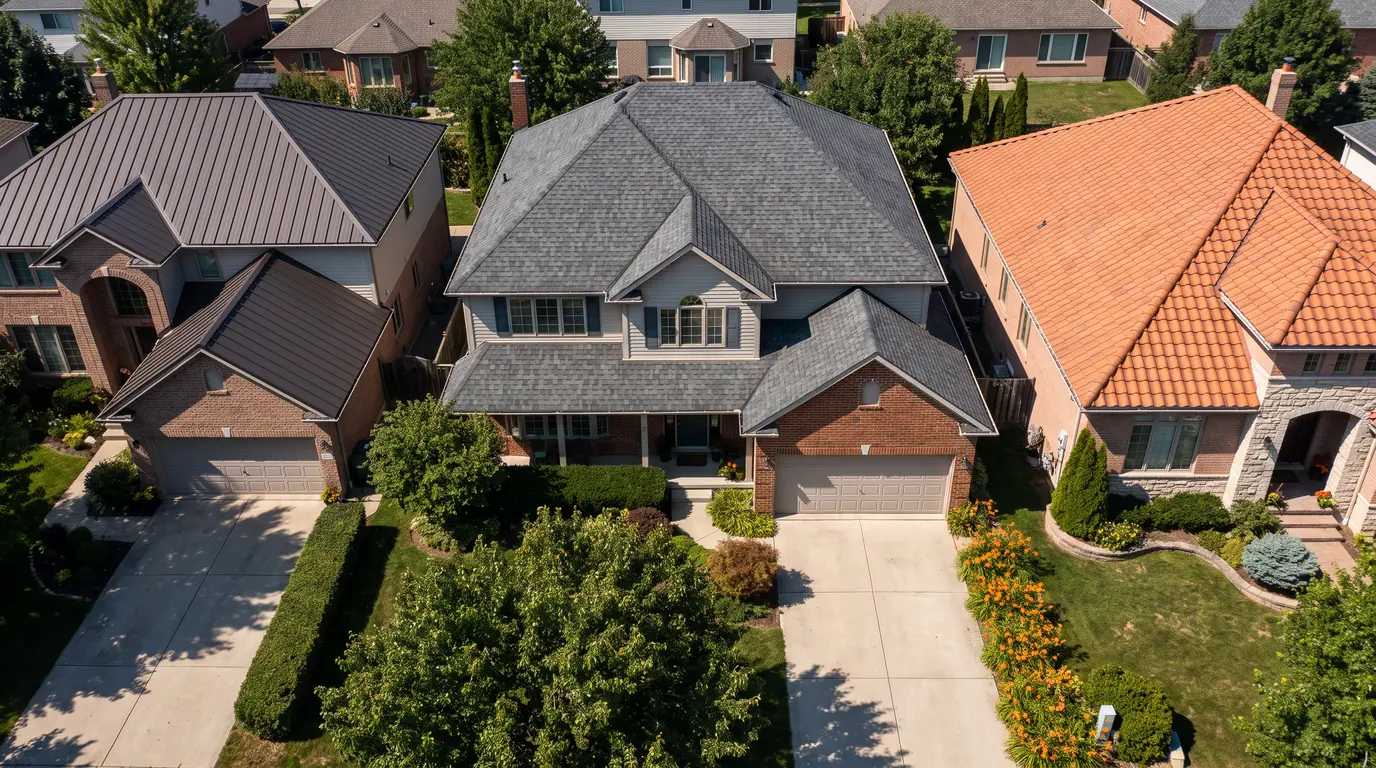
Choosing a roofing material is a long term decision, but there is no single replacement age that applies to every home. Standard asphalt shingles may serve for about 20 years, while metal, clay, concrete, and slate roofing can remain serviceable for 50 years or more under suitable conditions.
Climate, roof design, installation quality, ventilation, exposure, maintenance, storm damage, and the condition of the underlying roof assembly all affect the result. The figures below are useful planning benchmarks, not expiration dates or guarantees.
| Material | Broad service life benchmark | Maintenance and replacement considerations |
|---|---|---|
| Asphalt shingles | About 20 years in the NAHB benchmark. Approximately 10 years in some hot climates and 20 years or longer in colder climates. | Inspect for damaged, curling, or aging shingles. Pay attention to flashing, ventilation, and moisture problems. |
| Metal roofing | About 50 years in the Building Science Corporation service life table. | Inspect fasteners, seams, coatings, penetrations, and areas that may be prone to corrosion. |
| Clay or concrete tile | 100 years or more in the Building Science Corporation table. | Individual tiles, flashing, underlayment, and supporting components may need repair before the tile covering reaches that age. |
| Natural slate | Approximately 60 to 125 years according to the National Park Service. Building Science Corporation lists 100 years or more. | Repairs require compatible materials and careful handling. Flashing and other supporting components may need attention sooner. |
| Wood shingles or shakes | Approximately 15 to more than 60 years according to the National Park Service, with broader ranges reported for different exposure and ventilation conditions. | Moisture management, ventilation, installation, and timely replacement of deteriorated units are especially important. |
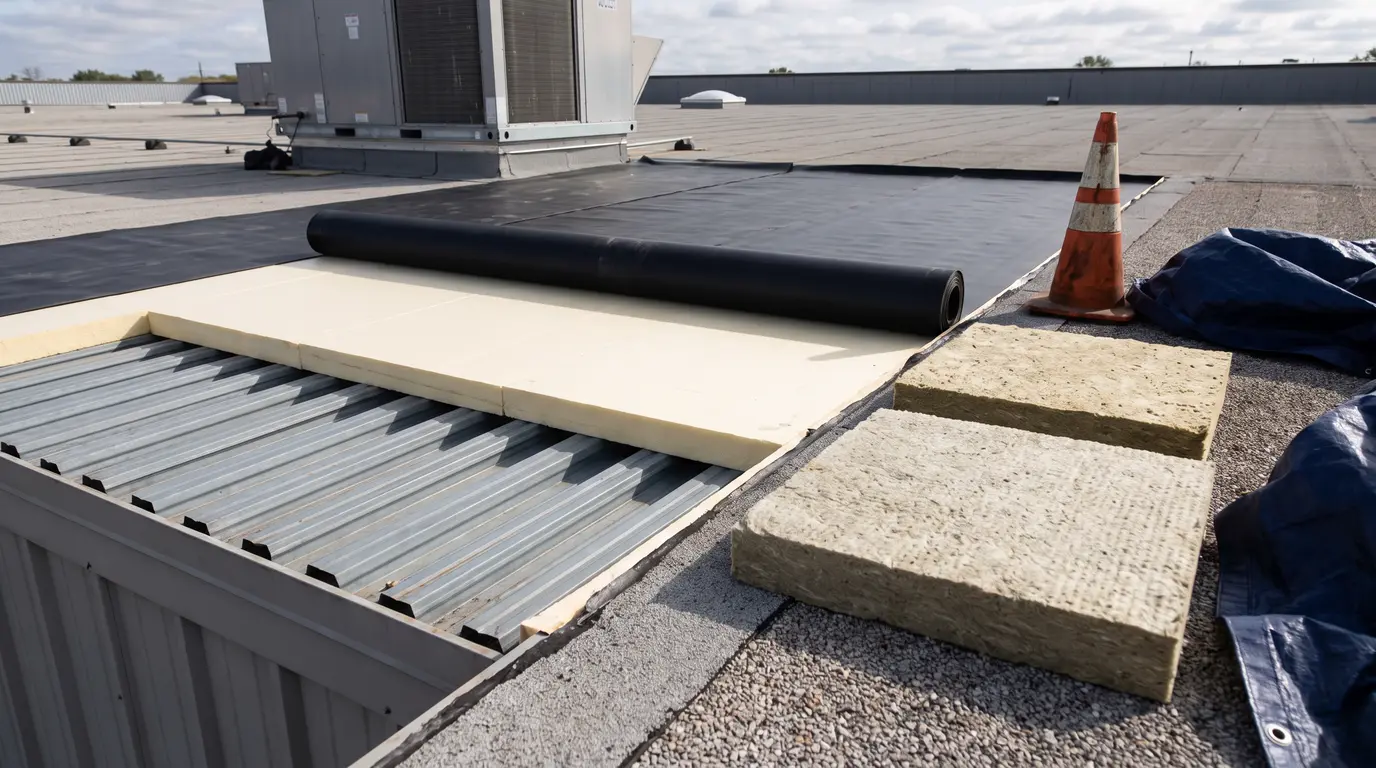
These benchmarks describe the roof covering, not necessarily every part of the roofing system. Flashing, underlayment, fasteners, roof decking, ventilation, and structural support can require attention before a long lived covering reaches its upper potential.
How long common roofing materials last
Asphalt shingles
Asphalt shingles are commonly planned around a service life of about 20 years. Building Science Corporation notes that performance can be closer to 10 years in a hot climate and 20 years or longer in a colder climate. Shingle type, color, roof orientation, installation, ventilation, and maintenance also influence how the roof ages.
Routine attention includes watching for missing, damaged, curling, or aging shingles, along with problems around flashing and areas where moisture may enter. If you are comparing common asphalt products, this guide to architectural versus three tab shingles can help frame that choice without treating one published lifespan as universal for every brand.
Metal roofing
Metal roofing has a broad benchmark of about 50 years. Its long service potential still depends on the complete installation. Seams, fasteners, coatings, penetrations, and areas exposed to corrosion should be part of ongoing evaluation.
If you are weighing metal against asphalt, you can compare metal roofs and asphalt shingles by their service potential, maintenance needs, cost position, and suitability. Exact lifespan figures still vary by product and conditions.
Clay and concrete tile
Clay and concrete tile are among the longest lived residential roof coverings. Building Science Corporation lists a benchmark of 100 years or more. That does not mean every component beneath the tile will last as long. Cracked or broken tiles, failed flashing, aging underlayment, and supporting concerns may lead to repairs before the covering reaches that age.
Natural slate
Natural slate can also provide a very long service life. The National Park Service describes commonly used slate as lasting approximately 60 to 125 years, while Building Science Corporation lists 100 years or more. Slate repairs require compatible materials and careful handling, and the flashing, underlayment, and roof structure may need attention earlier.
For additional background on slate service life and upkeep, see the National Park Service guidance on slate roofs. It focuses on historic buildings, so its observations should be applied thoughtfully to a particular home.
Wood shingles and shakes
Wood roofing has one of the widest service life ranges. The National Park Service reports that wood shingle roofs may last from 15 to more than 60 years, while Building Science Corporation gives different ranges based on ventilation and exposure. Moisture, installation quality, climate, and maintenance are especially significant.
Deteriorated wood units should be addressed before damage spreads to other wood components. The National Park Service guidance on wood shingle roofs provides additional context on installation, maintenance, and replacement timing.
What can shorten or extend roof life
The same roofing material can perform differently from one home to another. Hot, humid, cold, coastal, snowy, high wind, and hail prone conditions create different levels of exposure. Roof orientation and color can also affect asphalt shingle performance. In addition, Building Science Corporation reports that an unvented attic assembly can reduce asphalt shingle service life by roughly 10 percent under otherwise comparable conditions.
Ventilation is only one part of the picture. Installation defects, moisture, severe weather, roof pitch, shade, material quality, and maintenance may also contribute to premature aging. A contractor discussing a replacement should explain which conditions are most relevant to the specific roof rather than relying only on a generic material estimate.
Maintenance that supports a longer service life
Basic upkeep helps keep a roof watertight. Gutters and downspouts should be kept clear, visible areas can be checked for signs of leaks, and flashing should receive attention during inspections. The right maintenance frequency varies by material, exposure, and roof condition.
Avoid climbing onto a steep, fragile, wet, or difficult to access roof. For a safer preliminary look from the ground or other safe locations, you can check your roof without climbing. This is a visual screening, not a complete inspection, so professional evaluation may be appropriate when there is active leaking, structural concern, or damage that cannot be safely assessed.
Does the warranty tell you how long the roof will last?
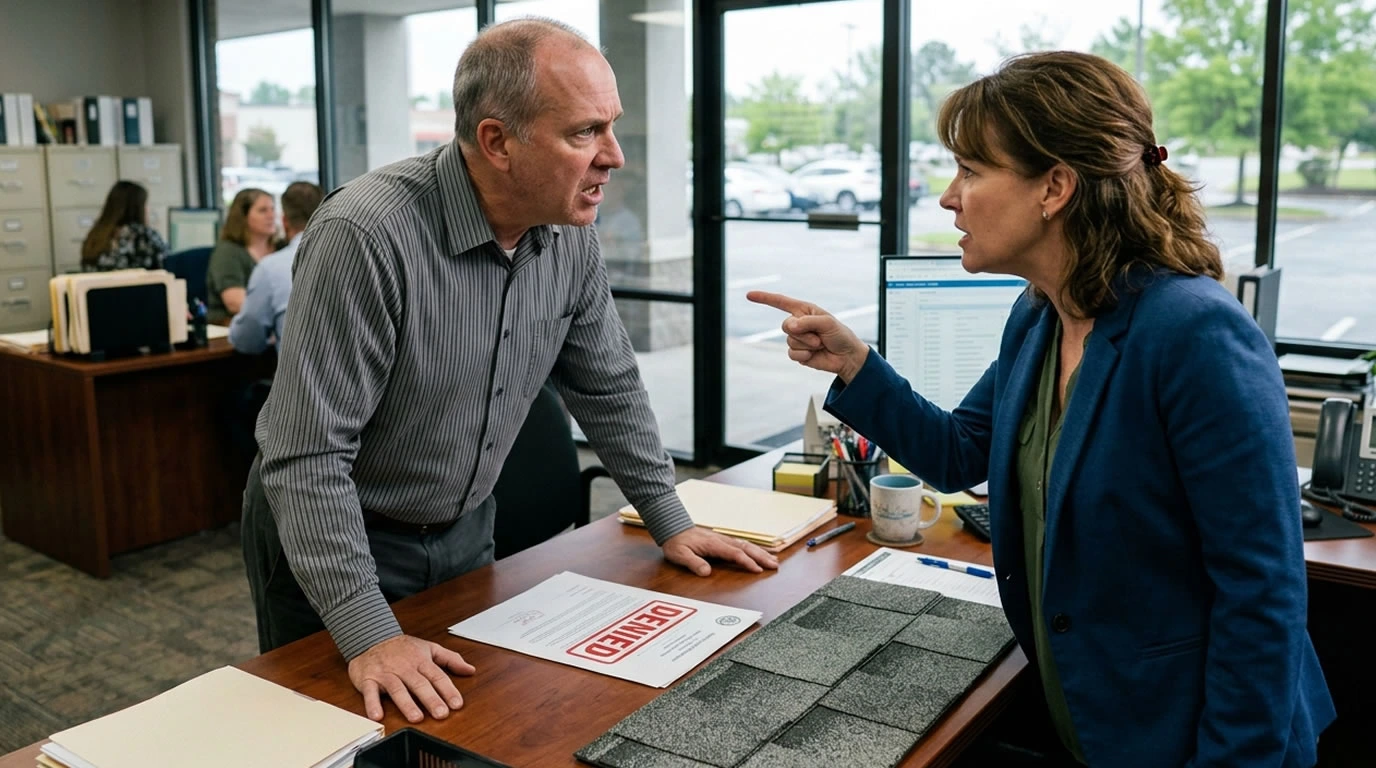
No. A manufacturer warranty is not the same as a service life prediction. The same warranty may apply across different climates, colors, roof orientations, and installation conditions. Warranty terms still matter, but they should be reviewed for exclusions, maintenance obligations, wind or hail limitations, transfer rules, and whether coverage applies to materials, workmanship, or both.
When should an old roof be replaced?
Age is a useful planning signal, but it should not decide the issue by itself. Active leaks, widespread granule loss, curling or missing shingles, corrosion, cracked tile, deteriorated flashing, damaged decking, and a history of repeated repairs may point toward replacement. A roof approaching its expected age may still have useful service potential if its condition remains sound.
When reviewing an estimate, ask whether it addresses only the visible roof covering or also includes flashing, underlayment, ventilation, decking, and other components. It is also reasonable to ask what local climate and exposure conditions could make the product perform differently from its published or advertised lifespan.
Frequently asked questions
Which roofing materials generally last the longest?
Metal, clay or concrete tile, and natural slate generally have the longest published benchmarks among the materials discussed here. Slate and tile may reach 100 years or more under suitable conditions, while metal has a benchmark of about 50 years. The supporting roof assembly may need repairs or replacement sooner.
Can maintenance extend a roof’s service life?
Yes, routine maintenance can help preserve useful life by keeping drainage components clear, identifying leaks, and addressing flashing or damaged roofing materials. Maintenance cannot correct every installation, climate, or storm related problem, so the roof’s condition should still be evaluated as it ages.
For preliminary replacement planning after considering material and condition, you can use the roof replacement cost calculator. It is a planning tool, not a substitute for project specific verification.
The best roofing choice balances expected service life with climate, maintenance needs, installation quality, and the condition of the entire roof assembly. Start by assessing the roof’s current condition, then compare complete system proposals and warranty terms rather than choosing from a lifespan number alone.