Slate tile roofs are widely considered the gold standard in roofing. Known for their beauty, durability, and natural origins, slate roofs have been used for centuries on historic homes, churches, and upscale residences. If you’re considering investing in a slate tile roof, this complete guide will help you understand its types, benefits, costs, installation, maintenance, and whether it’s the right choice for your home.
What Is a Slate Roof?
A slate roof is composed of natural stone tiles that are split from metamorphic rock, typically quarried from locations like Vermont, Pennsylvania, Virginia, or Europe. Each tile is unique in texture and color, offering a one-of-a-kind appearance. Slate is one of the most long-lasting and visually striking roofing materials available today.
Natural vs Synthetic Slate
- Natural Slate: Cut directly from stone, extremely durable and fireproof
- Synthetic Slate: Made from rubber or polymers, designed to mimic real slate at a lower cost and weight
Types of Slate Tile Roofs
Standard Slate
Standard slate tiles are uniform in size and thickness, usually rectangular, and laid in a consistent pattern. This style is common in both historic and modern upscale homes.
Textural Slate
This variation includes slate tiles of varying thickness, adding dimension and texture. It gives a rugged, more natural look to the roof.
Graduated Slate
Tiles are installed with larger, thicker pieces at the eaves, gradually decreasing in size toward the ridge. This method is traditional in historic architecture and large estate homes.
Patterned Slate
Combines slate tiles in various colors and shapes to create custom patterns like diamonds or stripes. This is used to enhance curb appeal and architectural distinction.
Benefits of Slate Roofing
Unmatched Longevity
Slate roofs can last 75 to 150 years or more, making them a once-in-a-lifetime investment. Many historical buildings still have their original slate roofs intact.
Timeless Beauty
Slate’s natural variation in color and texture gives it a luxurious, elegant appearance that complements both traditional and modern architecture.
Fire and Weather Resistance
Slate is naturally fireproof and highly resistant to wind, hail, and rain. It is particularly well-suited for areas prone to severe weather.
Eco-Friendly
Slate is a natural material that requires no manufacturing. Its long lifespan means fewer roof replacements, making it one of the most sustainable roofing options available.
Low Maintenance
Once installed, slate requires very little upkeep. With proper installation, the tiles rarely need repair or replacement.
Drawbacks to Consider
High Upfront Cost
Slate is one of the most expensive roofing materials, with both material and labor costs significantly higher than asphalt or metal roofing.
Heavy Weight
Slate tiles are extremely heavy. A typical slate roof can weigh between 800 to 1500 pounds per square (100 square feet). Homes must be structurally reinforced to support this load.
Fragility During Installation
Though durable once installed, slate tiles can crack if mishandled. Installation should always be performed by an experienced professional.
Cost of Slate Tile Roofs
Natural Slate Costs
- Materials: $10 to $20 per square foot
- Installation: $10 to $15 per square foot
- Total Installed Cost: $20 to $35 per square foot
Synthetic Slate Costs
- Materials: $4 to $7 per square foot
- Total Installed Cost: $9 to $16 per square foot
Cost Factors
- Roof size and pitch
- Location and shipping fees
- Complexity of the roof design
- Labor availability and experience
Installation Process
Step 1: Roof Structure Evaluation
Inspect whether your roof framing can support the weight. Structural reinforcement may be required before installation.
Step 2: Underlayment Installation
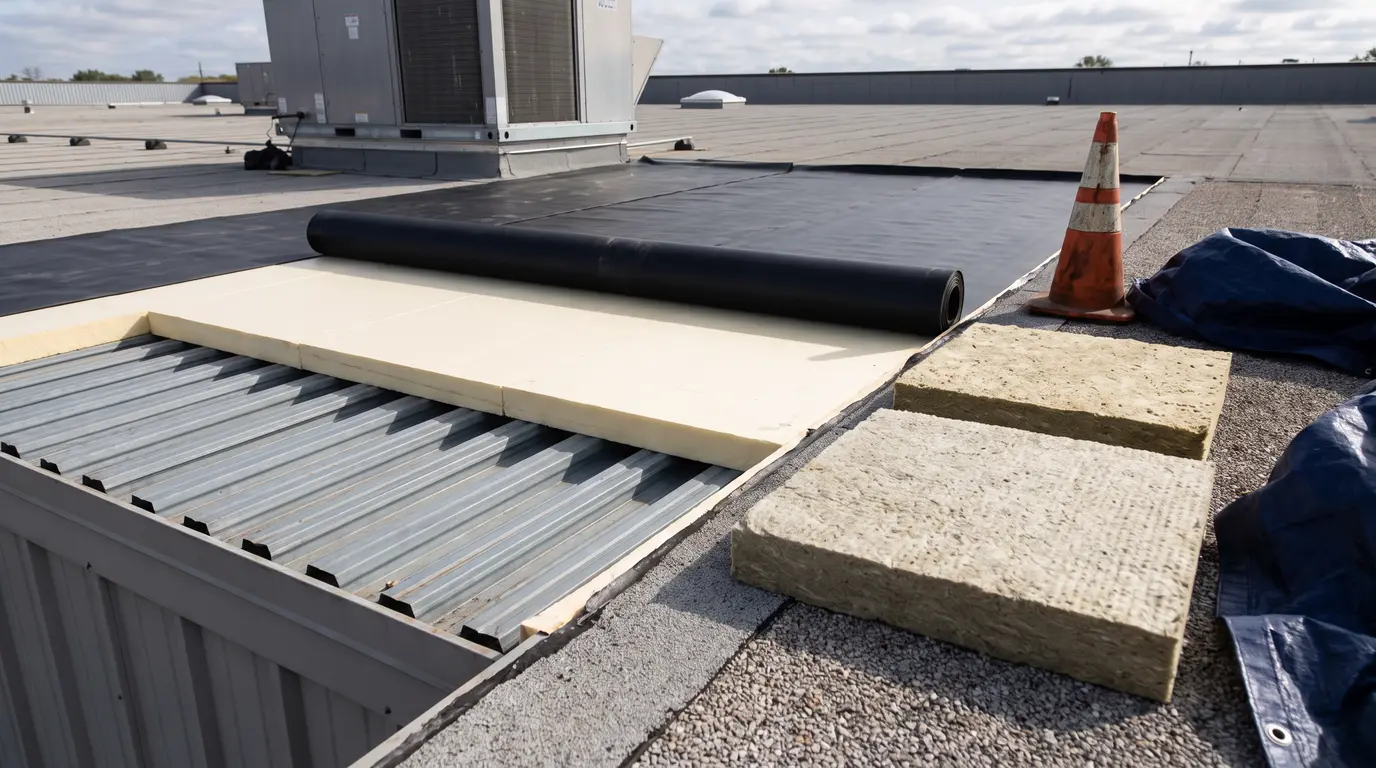
High-quality underlayment such as felt or synthetic sheets is installed to provide an additional moisture barrier.
Step 3: Layout Planning
Installers plan the layout based on tile size, pattern, and alignment to ensure even coverage and aesthetic appeal.
Step 4: Slate Tile Installation
Each tile is nailed individually using stainless steel or copper nails. Installers work from bottom to top, overlapping tiles for water protection.
Step 5: Flashing and Ridge Cap
Metal flashing is added around chimneys, valleys, and ridges for water diversion. Ridge tiles are added last for a polished look.
Maintenance and Repair
Annual Inspections
Check for cracked or slipped tiles, damaged flashing, or moss buildup. Early detection helps prevent costly repairs.
Cleaning Tips
Use a soft broom or low-pressure water to remove debris. Never power wash a slate roof, as it may damage the tiles or loosen fasteners.
Replacing Tiles
Always hire a slate roofing specialist to replace broken tiles. Incorrect techniques can lead to more damage or leaks.
Slate Tile Roof Lifespan
Natural Slate
Lasts 75 to 150+ years depending on the quality of the stone and installation.
Synthetic Slate
Typically lasts 30 to 50 years, with some high-end products approaching 75 years.
Is a Slate Roof Right for You?
It’s Ideal If:
- You plan to stay in your home long-term
- You appreciate timeless, elegant design
- Your home can structurally support a heavy roof
- You want an eco-friendly, natural product
It May Not Be Ideal If:
- You are on a tight budget
- You live in a mobile or lightweight structure
- You frequently need to access the roof (e.g., solar panels)
FAQs About Slate Tile Roofs
Can you walk on a slate roof?
It is not recommended to walk on slate roofing. The tiles can crack under pressure. Only trained professionals should access the roof when necessary.
Does slate roofing increase home value?
Yes. Slate is considered a premium roofing material and can significantly enhance the resale value and aesthetic appeal of your home.
Is synthetic slate worth it?
Synthetic slate offers the look of real stone with less weight and cost. It’s a good option if your structure can’t support natural slate or if you need easier installation.
Are slate roofs noisy during rain?
No. Unlike metal roofs, slate tiles absorb sound well and provide a quiet interior even during heavy storms.
Conclusion
Slate tile roofs are the pinnacle of roofing materials — combining centuries of proven durability with unmatched visual appeal. While the upfront cost and installation requirements are significant, the long-term benefits of longevity, low maintenance, and architectural beauty make slate a worthwhile investment for many homeowners.
If you’re planning to stay in your home for decades, want a natural, fireproof material, and can accommodate the structural requirements, a slate tile roof could be the best roofing decision you ever make.