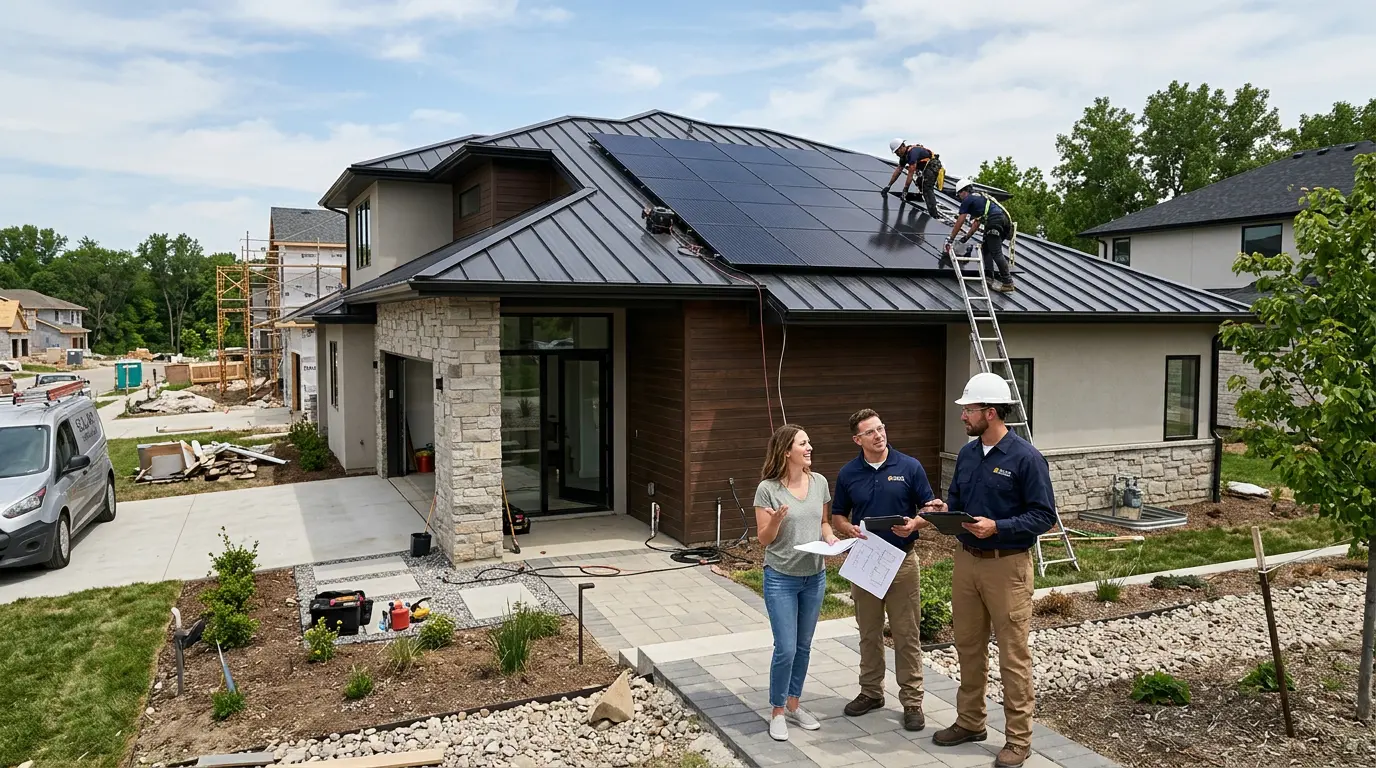
For a landlord, the answer is usually no if the question is about the federal residential clean energy credit. The IRS excludes a landlord or property owner who does not live in the home from claiming that residential credit for the rental property. A building’s residential classification does not automatically turn a rental solar project into a homeowner project.
That does not mean every solar incentive is off the table. Depending on the ownership structure, project timing, system use, location, and contracts with tenants or solar companies, a rental property may require analysis under the business clean electricity investment credit, depreciation rules, state or local programs, utility incentives, or renewable energy credit programs.
The rules also changed for federal residential credits. Under the law in effect on October 2, 2026, the residential clean energy credit under IRC §25D was terminated for expenditures made after December 31, 2025. For projects that span several years, paid, installed, construction begun, and placed in service are separate timing concepts. Solar paperwork has never been famous for being short, and the dates matter.
Can a Landlord Claim the Federal Residential Solar Credit?
Generally, a landlord who owns a rental property but does not live there cannot claim the federal residential clean energy credit for that property. IRS guidance distinguishes between a taxpayer’s home and a property the taxpayer owns but does not use as a residence. The IRS specifically states that a landlord who does not live in the home cannot claim the residential credit.
That distinction applies even if the property is a house, apartment, or another type of residential building. The word “residential” describes the building, but it does not answer the tax question by itself. The relevant analysis can include who owns the equipment, who paid for it, how the property is used, whether the taxpayer lives there, and when the expenditure occurred.
You can review the IRS explanation in the Residential Clean Energy Credit guidance and the IRS frequently asked questions about residential clean energy credits.
There are important exceptions to the simple rental property answer. If the owner uses the property as a principal residence, the residential credit rules may be different. A property with both personal and rental use may require allocation and fact specific analysis. Owner occupancy does not automatically resolve every question about which part of a project serves the residence and which part serves rental activity.
Timing is another major limitation. The IRS identifies December 31, 2025, as the termination date for §25D expenditures. A new expenditure in 2026 does not become eligible for the former residential credit simply because the property is a residence or residential rental building. Lease signing, equipment ordering, installation, payment, construction start, and placed in service status should not be treated as interchangeable dates.
When a Rental Solar Project May Fall Under the Business Credit
A rental property solar project may instead need to be evaluated under the business clean electricity investment credit in IRC §48E. This is a possible business credit pathway for qualifying facilities placed in service after 2024. It is not an automatic replacement for the residential credit, and the fact that a project serves tenants does not establish eligibility.
A business credit analysis can involve several connected questions:
- Which taxpayer owns the solar equipment and is claiming the credit?
- Does the equipment qualify as property eligible for the credit?
- What costs are included in the qualified investment basis?
- When did construction begin, and when was the facility placed in service?
- Do prevailing wage and registered apprenticeship requirements apply, and were they satisfied?
- Do component sourcing and domestic content rules affect the project?
- Does the project location qualify for an energy community benefit?
- Are foreign entity restrictions relevant?
- Does the ownership or leasing structure create a limitation under §48E?
The general §48E credit rate is 6 percent of qualified investment. That rate can increase to 30 percent when the applicable prevailing wage and registered apprenticeship requirements are satisfied. Projects below one megawatt may qualify for an exception to certain labor requirements, but that exception does not remove the other §48E eligibility rules or guarantee any bonus credit.
Possible additional benefits can include a 10 percentage point domestic content bonus and a 10 percentage point energy community bonus. A separate low income project bonus program may apply to eligible projects, but it involves its own definitions, application process, allocation rules, documentation, and timing requirements. Multifamily housing or housing described as affordable does not automatically qualify for that bonus.
These possible benefits should not be treated as automatically stackable in every project. The credit rate, labor rules, bonus definitions, project location, equipment sourcing, and application requirements all need to be reviewed together. The IRS clean energy tax incentive materials provide the federal framework, but a tax professional must apply it to the actual project.
Why Ownership, Tenant Leases, and Solar Contracts Matter
The person who owns the building is not necessarily the person who owns the solar equipment. That distinction can determine who evaluates a business credit and who receives the financial benefit.
Possible arrangements include a landlord who owns the panels, a tenant who owns the system, or a solar company, installer, financier, or other entity that owns the equipment. A solar company may provide a system through an equipment lease or a power purchase agreement. In that arrangement, the system owner may be the taxpayer evaluating a business credit, while the landlord or tenant may receive electricity or another contractual benefit instead of claiming the federal credit personally.
Section 48E also includes a leasing restriction for specified solar or wind property rented or leased to a third party. The statute does not establish that every solar installation serving a rental building is disqualified. It does mean that the exact ownership, asset, lease, service, and tenant structure deserves careful review before anyone treats the credit as available.
A building lease, rooftop easement, solar equipment lease, and power purchase agreement are different documents with different functions. They should not be treated as interchangeable simply because they all involve a roof and solar panels. A landlord that owns equipment and supplies electricity to a rental building may be in a different position from a tenant that owns the equipment or a solar company that leases it.
Tenant billing does not settle the issue either. Including electricity costs in rent, charging tenants separately, or having tenants pay the utility account does not by itself establish who owns qualified property or whether the §48E leasing restriction applies. The contracts and actual operating structure need to be examined together.
Project Timing: Expenditures, Construction, and Placed in Service Dates
Solar projects that cross several tax years require more than one date on the calendar. Paid, installed, construction begun, and placed in service describe different events, and each can matter under a different rule.
For the former residential credit, the key federal change is that §25D was terminated for expenditures made after December 31, 2025. That date concerns expenditures. It is not automatically the date a lease was signed, equipment was ordered, a deposit was made, installation started, or the system began operating.
For the business credit, the post 2025 rules for wind and solar include a placed in service cutoff after December 31, 2027, together with statutory provisions involving when construction begins. The effect of those provisions depends on the project facts and the applicable construction timing rules in the enacted law.
Landlords evaluating a project that spans 2025 through 2028 should preserve records that help establish the relevant dates. Useful records may include construction contracts, project schedules, invoices, permits, progress documentation, commissioning evidence, and records showing when the facility was ready for its intended use. No single document necessarily answers every timing question, and an invoice or deposit alone may not establish eligibility.
The timing rules are detailed in Public Law 119 21 and the codified IRC §48E text. A project that appears to qualify based on one date may have a different result when the expenditure, construction start, and placed in service dates are reviewed separately.
State, Local, and Utility Incentives for Rental Properties
Federal tax credits are only one part of the incentive picture. A landlord may also investigate state or local rebates, utility rebates, property tax exemptions, net metering or bill credit programs, and renewable energy credit programs.
There is no single nationwide landlord rule for these programs. Eligibility may depend on the utility territory, account holder, system owner, building type, tenant arrangement, customer class, and whether the program is designed for residential or commercial customers. A program may be available to the property owner, the utility customer, the system owner, or a tenant. It may also exclude one or more of them.
DSIRE can help identify programs and provide a starting point for research. It is a discovery and program reference resource, not a substitute for the current program rules or the serving utility’s tariff.
Before relying on a local or utility incentive, confirm:
- Who is allowed to apply and who receives the benefit.
- Whether preapproval is required before equipment is purchased or installed.
- Whether the incentive is taxable.
- Whether a rebate reduces the federal tax basis of the project.
- Whether the benefit can be combined with other incentives.
- How net metering or bill credits work when electricity serves tenants or common areas.
Keep these programs separate from federal credit eligibility. A utility may approve an interconnection or bill credit without deciding whether a landlord qualifies for a federal tax credit. A local tax authority, state energy office, and utility each address different parts of the project.
Depreciation, Basis, and Other Rental Business Tax Questions
Solar equipment installed for a rental business may create depreciation and basis questions in addition to any available credit or rebate. Depreciation is not the same as claiming a solar credit, and the rules should be reviewed separately.
IRS Publication 946 states that solar or wind energy property beginning construction after December 31, 2024, was removed from the definition of 5 year property. That change makes older depreciation examples unreliable for some newer projects. The supplied IRS guidance does not establish one complete recovery period for every rental property solar configuration.
A tax preparer should review how the project is capitalized and depreciated, how costs are allocated between the building and equipment, how rebates affect basis, and what happens if the property or solar system is later sold. The correct treatment can depend on the project’s ownership and configuration, so a generic homeowner example may not fit a rental business.
What Landlords Should Check and Document Before Claiming an Incentive
Before claiming or applying for an incentive, start by identifying the taxpayer that owns the solar equipment and the entity that pays for the project. Gather the documents that show how the arrangement actually works, not just how it was described during a sales conversation.
- Obtain the purchase agreement, financing documents, equipment lease or power purchase agreement, operating agreement, and utility account documents.
- Classify the property as a single family rental, multifamily building, mixed use property, commercial rental, owner occupied property, or common area system.
- Document whether the electricity serves tenants, common areas, the owner’s residence, or another business.
- For a possible §48E analysis, collect the construction start date, placed in service date, system capacity, qualified cost basis, labor records, component sourcing information, project location, and any information relevant to foreign entity restrictions.
- Retain contracts, payroll or apprenticeship records, invoices, permits, commissioning evidence, and equipment specifications where they apply.
- Ask a tax professional to analyze whether the arrangement involves renting or leasing the relevant solar property to a third party under §48E(i).
- Contact the state energy office, local tax authority, and serving utility to confirm current program rules and application requirements.
- Confirm permitting, interconnection, fire, electrical, structural, and insurance requirements with the appropriate local authority, utility, and insurer.
These steps do not guarantee that an incentive is available. They help separate the questions that belong to a tax professional from those that belong to a utility, local authority, state program administrator, or insurer. Those issues overlap around the project, but one approval does not answer all the others.
Common Landlord Solar Incentive Misconceptions
Misconception: A landlord can claim the same residential solar credit available to a homeowner.
Correction: The IRS excludes a landlord who does not live in the home from the residential clean energy credit. A rental project may instead require analysis under business credit, depreciation, and local program rules.
Misconception: Calling a property residential makes the solar installation a residential tax credit project.
Correction: Federal eligibility depends on the statute, taxpayer, use, ownership, timing, and property requirements. The building’s residential classification is only one part of the picture.
Misconception: A landlord automatically receives the federal credit when tenants pay for electricity through rent.
Correction: Rent treatment and tenant billing do not establish who owns qualified property or resolve the §48E leasing restriction. The contracts and operating structure must be reviewed.
Misconception: Rebates, net metering credits, and property tax exemptions work the same way nationwide.
Correction: These benefits vary by state, locality, utility, customer class, and program rules. Current local verification is essential.
Frequently Asked Questions
Can a landlord claim the residential solar tax credit for a single family rental?
Generally, no. The IRS excludes a landlord who does not live in the home from the residential clean energy credit. A rental property may need to be evaluated under business credit, depreciation, and location specific incentive rules instead.
Does a landlord qualify for the business solar investment credit under §48E?
A rental project may qualify for analysis under §48E, but eligibility is not automatic. Ownership, qualified property, basis, timing, labor requirements, component sourcing, location, foreign entity restrictions, and leasing structure can all matter.
Who claims the incentive when a solar company leases panels to a rental property?
The solar company or another system owner may be the taxpayer evaluating a business credit. The landlord or tenant does not necessarily receive the federal credit personally. The lease and ownership documents must be reviewed.
Does a tenant’s power purchase agreement affect the landlord’s solar incentive eligibility?
It can. A power purchase agreement may place ownership and credit analysis with a solar company or another system owner, and the exact arrangement may also require review under the §48E leasing restriction. A tenant’s agreement does not automatically determine the landlord’s eligibility.
What solar incentives may be available for multifamily rental buildings?
Possible options may include the business clean electricity investment credit, state or local rebates, utility programs, property tax treatment, net metering or bill credits, and renewable energy credit programs. Eligibility depends on the specific project and location. Multifamily or affordable housing does not automatically qualify for every program or for a low income project bonus.
Can landlords claim rebates, net metering credits, or property tax exemptions?
Possibly, but these programs are location and program specific. Eligibility may depend on the account holder, system owner, utility territory, building type, tenant arrangement, and customer class. Verify the current rules with the program administrator, local tax authority, and serving utility.
What records should a landlord keep when evaluating a solar credit or rebate?
Keep the purchase agreement, financing documents, equipment lease or power purchase agreement, utility account records, invoices, permits, project contracts, commissioning evidence, equipment specifications, and records related to labor, construction timing, and component sourcing where applicable. The exact records needed depend on the incentive and project structure.
How did the 2025 federal law change solar incentives for rental properties?
Under the law in effect on October 2, 2026, §25D was terminated for expenditures made after December 31, 2025. The law also created important §48E rules involving certain leased solar or wind property and the timing of wind and solar facilities. Projects spanning 2025 through 2028 require separate review of expenditure, construction start, and placed in service dates.
The practical takeaway is straightforward: a landlord generally cannot claim the homeowner residential credit for a property the landlord does not occupy, and a 2026 expenditure cannot qualify for the former §25D credit merely because the building is residential. The next step is to identify who owns the solar equipment, how the electricity and contracts are structured, which dates control, and what current federal, state, local, and utility rules apply.