Maybe, but not every homeowner needs a roof certification. There is no single nationwide form or universal rule requiring one before a home sale, insurance policy, or refinance. The document you need depends on who is requesting it, the roof’s condition and age, the property’s location, and the requirements of the insurer, lender, buyer, or applicable program.
A roof certification usually documents observed roof conditions and may include an opinion about remaining useful life. It is different from a standard home inspection report, and neither document automatically guarantees that a roof will remain leak free or that an insurer or lender will approve the property.
What Is a Roof Certification?
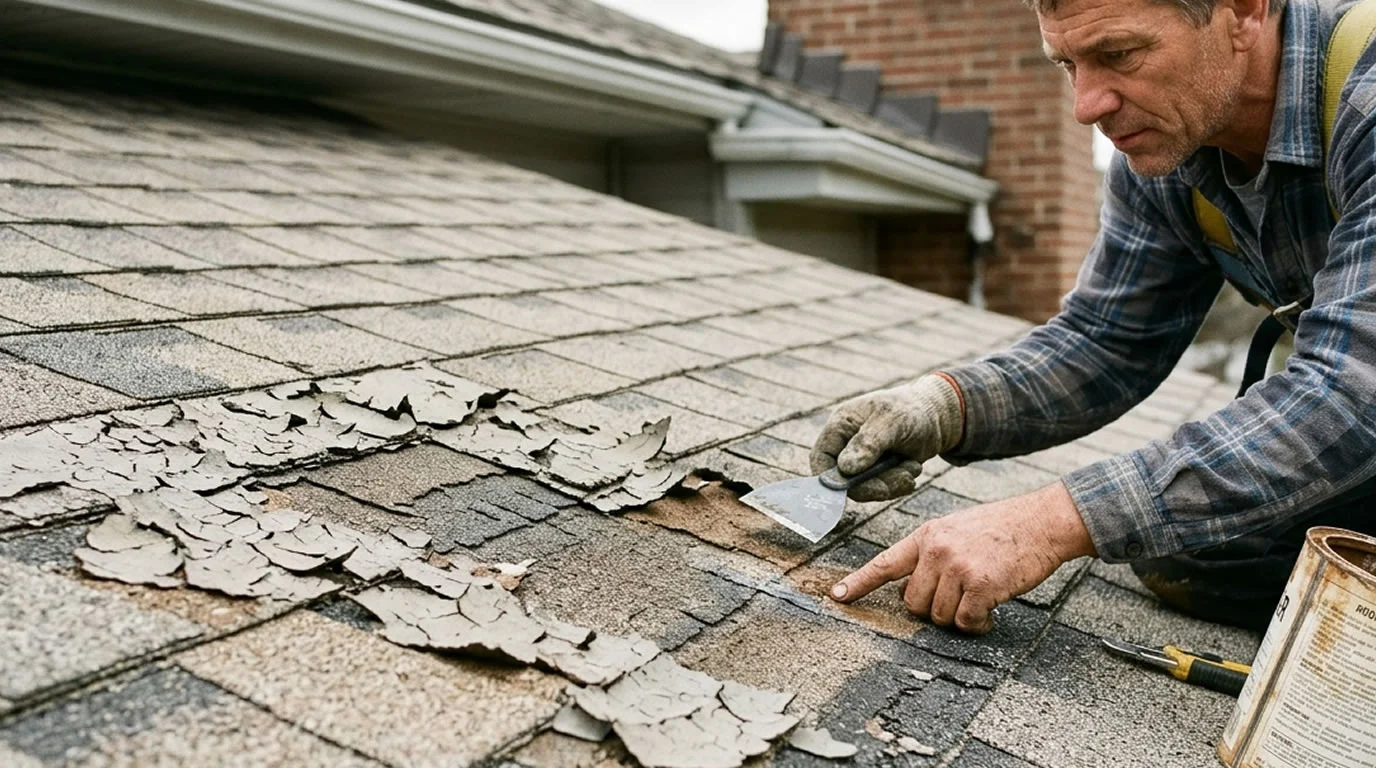
A roof certification is written documentation prepared after a roof evaluation. Depending on the recipient, it may describe the roof covering, visible defects, repairs, photographs, evidence of leaks or moisture, approximate age, and an estimate of remaining useful life.
The word “certification” sounds more standardized than it really is. There is no single nationwide definition, required format, inspector qualification, validity period, or legal form that applies to every roof certification. The requesting party decides what it will accept.
A certification also is not automatically a warranty. Its value depends on the evaluator’s qualifications, the areas that were accessible, the document’s wording, its exclusions, and any contract terms. A report can describe the roof’s condition on the inspection date without promising future performance.
When Do You Need a Roof Certification?
You may need one when another party wants more specific roof information than a general property inspection provides. Common requests come from insurers, buyers and sellers, lenders, appraisers, and specialized windstorm programs.
Insurance
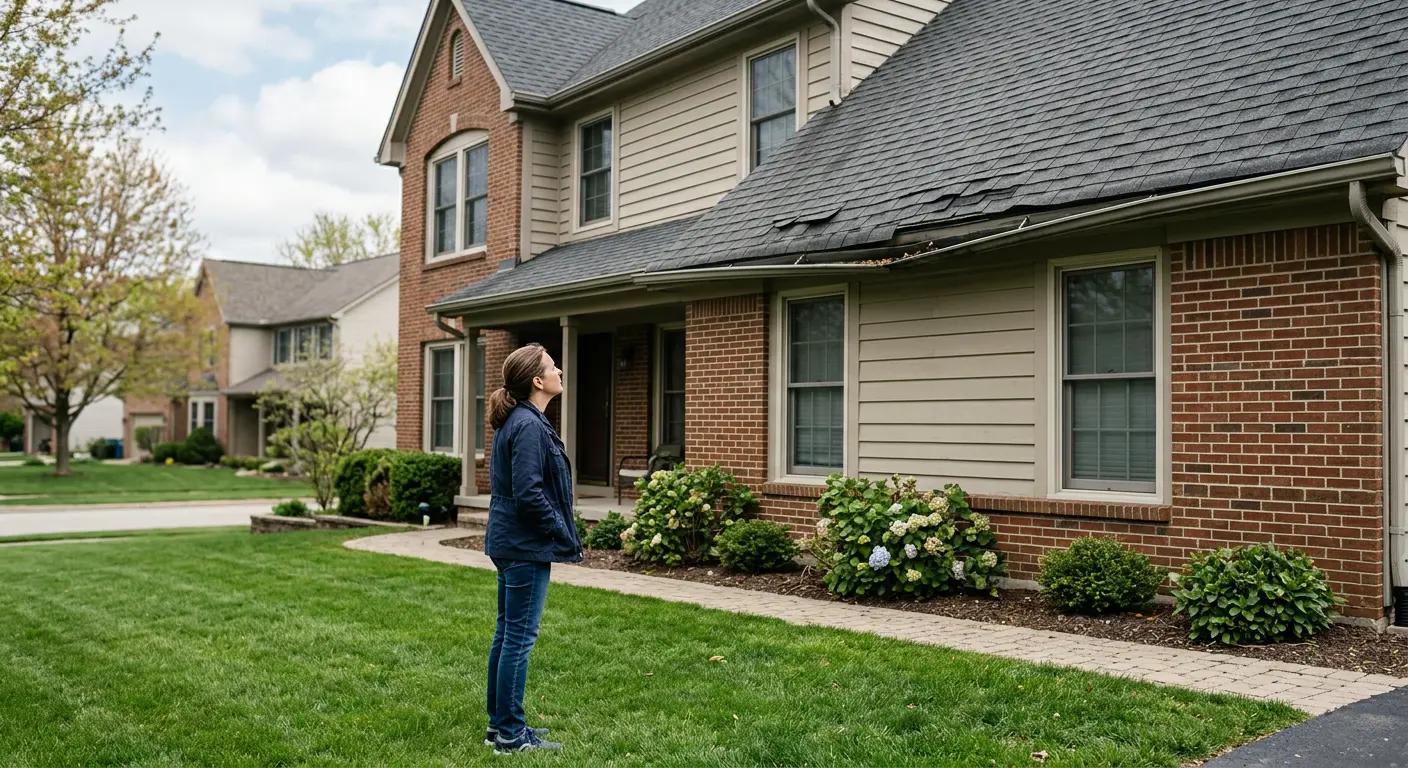
An insurer may request roof inspection information when evaluating an older or visibly deteriorated roof. Underwriting decisions can consider roof age, material, condition, location, claims history, and mitigation features. The insurer may require its own form, photographs, documentation of roof age, a stated amount of remaining useful life, or an inspection by a professional it accepts.
A certification may support the underwriting process, but it does not guarantee coverage, renewal, a premium discount, or payment of a future claim. Ask the insurer or agent exactly what document is required before ordering an inspection. A generic letter from a roofing professional may not satisfy an insurer’s form or qualification requirements.
Selling a Home
A roof certification is not universally required to sell a house. A buyer may request one as part of due diligence, or a seller may choose to provide documentation about roof condition, age, repairs, or remaining useful life. The request may become more likely if a general inspection identifies deterioration, leaks, or deferred maintenance.
Before paying for a certification, confirm what the buyer, agent, title professional, or closing professional will accept. The useful document is not simply the one with the most official sounding title. It is the one that answers the recipient’s actual requirements.
Refinancing or Home Equity Financing
A roof certification is not established as a universal requirement for a refinance or home equity loan. A lender may request additional documentation if an appraisal identifies an active leak, deterioration, deferred maintenance, or another condition affecting the property’s soundness or collateral value.
For one to four unit properties under the cited Fannie Mae guidance, roofs must be insured, but the guidance does not require every purchase or refinance to include a separate roof certification. Individual lenders can still request additional documents, so ask the lender before arranging an inspection.
Florida Roof Age Rules
Florida has a specific example of how state rules can affect an insurance request. For a roof that is at least 15 years old, an insurer must allow an inspection by an authorized inspector before requiring replacement based solely on age. Under the cited Florida guidance, a roof with at least five years of remaining useful life generally cannot be rejected or nonrenewed solely because of age.
This is a Florida rule, not a nationwide requirement. Homeowners elsewhere must check the applicable state rules and their insurer’s underwriting requirements. The Florida Office of the Insurance Consumer Advocate guidance explains the state’s framework.
Texas Coastal Windstorm Certificates
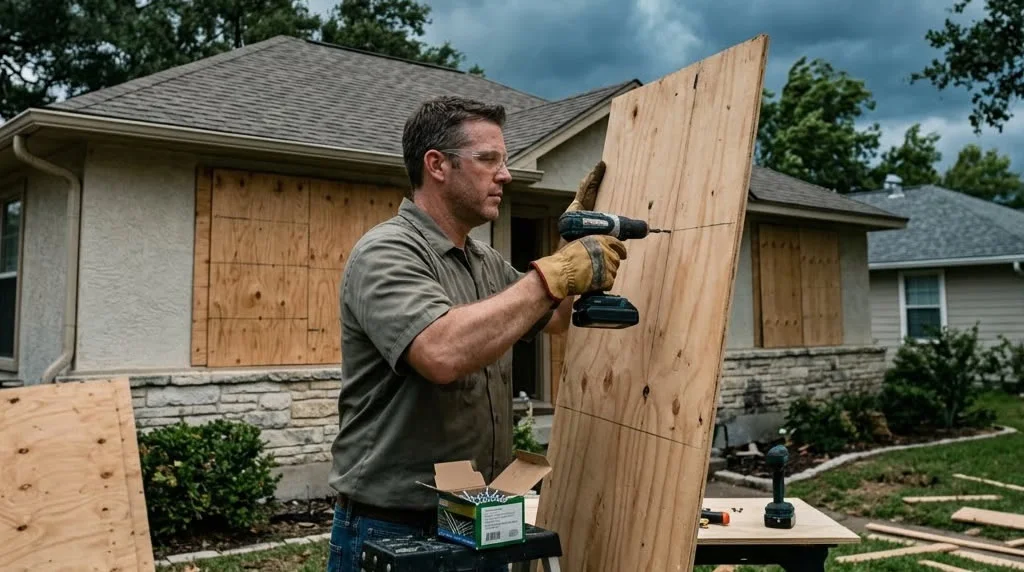
In designated Texas coastal areas, a certificate of compliance can document that qualifying construction, roof replacement, major repairs, or other alterations meet applicable windstorm building requirements. This type of certificate serves a different purpose from an ordinary roof condition certification.
A windstorm certificate verifies compliance for a particular program. It does not necessarily state that the roof is in good overall condition or has a particular amount of remaining useful life. If the property is in a regulated coastal windstorm area, contact the relevant authority before work begins because required inspections may occur during construction and may not be recreated after concealed work is complete. See the Texas Department of Insurance guidance on windstorm inspections.
Roof Certification Versus a Roof Inspection Report
A standard home inspection generally evaluates the roof as one part of the property. It reports observable conditions and should explain how the roof was inspected. It is not necessarily a specialized roof evaluation, a statement of remaining useful life, or a document that meets an insurer’s or lender’s form requirements.
A roof certification may have a narrower but more specific purpose. The recipient may want a particular inspector, inspection method, form, photograph set, roof age, repair history, or remaining life opinion. A standard inspection report might contain useful roof information and still be rejected if it does not address those requirements.
Neither document should be treated as a promise that the roof will not leak. The evaluator may be unable to access portions of the roof because of safety, material, pitch, weather, or other limitations. A limited visual inspection cannot establish concealed conditions that were not examined, including hidden moisture, fastening, underlayment, or structural issues.
The American Society of Home Inspectors’ explanation of home inspection services describes the broader role of a home inspection and the distinction between general and specialized evaluations.
What Should a Roof Certification Include?
The exact contents depend on the requesting party, but a useful document may identify:
- The roof material, approximate age, and number of roof layers when observable
- Areas inspected and areas that could not be accessed
- Visible defects, evidence of leaks, moisture, or damage
- Flashing, drainage, ventilation, decking, structure, or interior moisture findings when included in the inspection scope
- Repairs recommended and documentation of completed repairs when available
- Photographs and the inspection date
- The basis for any opinion about remaining useful life
- The evaluator’s credentials, limitations, exclusions, and any expiration period
Special roof systems may require an evaluator with relevant technical experience. Slate, tile, metal, membrane, solar equipped, and layered roofs should not automatically be judged using assumptions intended for ordinary asphalt shingles.
Ask whether the requested document concerns the roof’s condition, code compliance, impact resistant materials, wind mitigation, or another specific issue. Those documents may overlap, but they are not interchangeable.
How to Get the Right Roof Document
Start with the person or organization requesting the document. Before scheduling an inspection, ask for the exact document name and confirm the details below:
- What inspection scope is required?
- Which professionals are acceptable, such as a roofing contractor, home inspector, engineer, architect, insurer approved inspector, or government appointed inspector?
- Is a specific form required?
- Are photographs, roof age records, repair invoices, permits, or storm damage records required?
- Is there a minimum amount of remaining useful life?
- How long will the document be accepted?
Gather the roof’s installation date, material information, repair and replacement invoices, permits, warranties, prior reports, insurance correspondence, and storm damage records. These records can help the evaluator and may be needed to verify the roof’s age or completed work.
After the document is completed, send it to the recipient and obtain written confirmation that it is acceptable before relying on it for a policy, closing, or loan condition. Keep the original, photographs, invoice, and information about the evaluator’s qualifications.
Read the limitations carefully. A certification may address only the roof covering and not flashing, decking, structure, ventilation, drainage, or interior evidence of moisture. It may also contain an expiration date or language limiting responsibility for conditions that were concealed or inaccessible.
Common Roof Certification Misconceptions
Misconception: Every homeowner needs a roof certification before selling or refinancing.
Correction: No universal requirement was established. The need depends on the lender, insurer, buyer, transaction, property, jurisdiction, and roof condition.
Misconception: A standard home inspection report is always the same as a roof certification.
Correction: A home inspection generally covers the roof as one property component and reports observable conditions. A certification may require a specialized scope, a remaining life opinion, a specific form, or a professional approved by the recipient.
Misconception: A roof certification guarantees insurance coverage or renewal.
Correction: Insurers apply their own underwriting rules. A certification can support the review, but it does not guarantee acceptance, renewal, a discount, or claim payment.
Misconception: A windstorm certificate proves that a roof is in good condition for its expected service life.
Correction: A windstorm certificate may verify compliance with specified building requirements for a particular program. Code compliance and remaining roof life are different findings.
Misconception: A report stating that a roof is currently serviceable guarantees that it will not leak.
Correction: An inspection is limited to the conditions and areas examined. Concealed defects, weather, workmanship, maintenance, and future deterioration can affect performance.
Roof Certification FAQ
What exactly does a roof certification include?
It commonly describes observable roof condition, visible defects, repairs, photographs, inspection limitations, and sometimes an opinion about remaining useful life. The exact format and scope depend on the requesting party.
Is a roof certification required when selling a house?
Not universally. A buyer, seller, insurer, lender, or local program may request one, but the requirement depends on the transaction, property, jurisdiction, and roof condition.
Will my homeowners insurance company accept a standard roof inspection report?
Maybe. The insurer may require its own form, photographs, inspector qualifications, roof age documentation, or a specific remaining life opinion. Confirm acceptance with the insurer before ordering the report.
How old can a roof be before an insurer requires certification or replacement?
There is no single nationwide age threshold established by the research. Florida has a specific framework for roofs at least 15 years old, but other states and insurers may use different rules. Roof age is only one factor in underwriting.
Who is qualified to issue a roof certification?
The answer depends on the recipient. It may require a roofing contractor, home inspector, engineer, architect, insurer approved inspector, or government appointed inspector. Confirm the acceptable qualification before scheduling the inspection.
How long is a roof certification valid?
There is no universal validity period. The insurer, lender, buyer, or program may set its own acceptance period, so ask the recipient before relying on an older document.
Is a roof certification needed for a refinance or home equity loan?
Not automatically. A lender may request one if an appraisal or other review identifies a roof concern, but the cited guidance does not require a separate certification for every refinance or purchase.
What is the difference between a roof certification and a windstorm certificate?
A roof certification generally addresses observed condition and may address remaining useful life. A windstorm certificate, such as one used in a Texas coastal program, addresses compliance with specified windstorm building requirements. One document may not substitute for the other.
The Practical Answer
You probably do not need a roof certification simply because you are selling, refinancing, or insuring a home. You may need one when a particular insurer, lender, buyer, appraiser, or government program asks for specific roof documentation.
Before arranging an inspection, confirm the exact form, inspection scope, acceptable evaluator, required records, remaining life threshold, and expiration period. That small step can prevent an otherwise useful roof report from being rejected for answering the wrong question.