Utility bills are a significant part of a homeowner’s or business owner’s monthly expenses, and many people overlook one of the biggest contributors to energy inefficiency: the roof. A damaged, poorly insulated, or aging roof can drastically increase heating and cooling costs, while the right roof can help you save hundreds, even thousands, of dollars per year. Understanding how your roof affects energy consumption and making informed choices about materials, insulation, and maintenance can lead to substantial savings.
How Does Your Roof Impact Utility Bills?
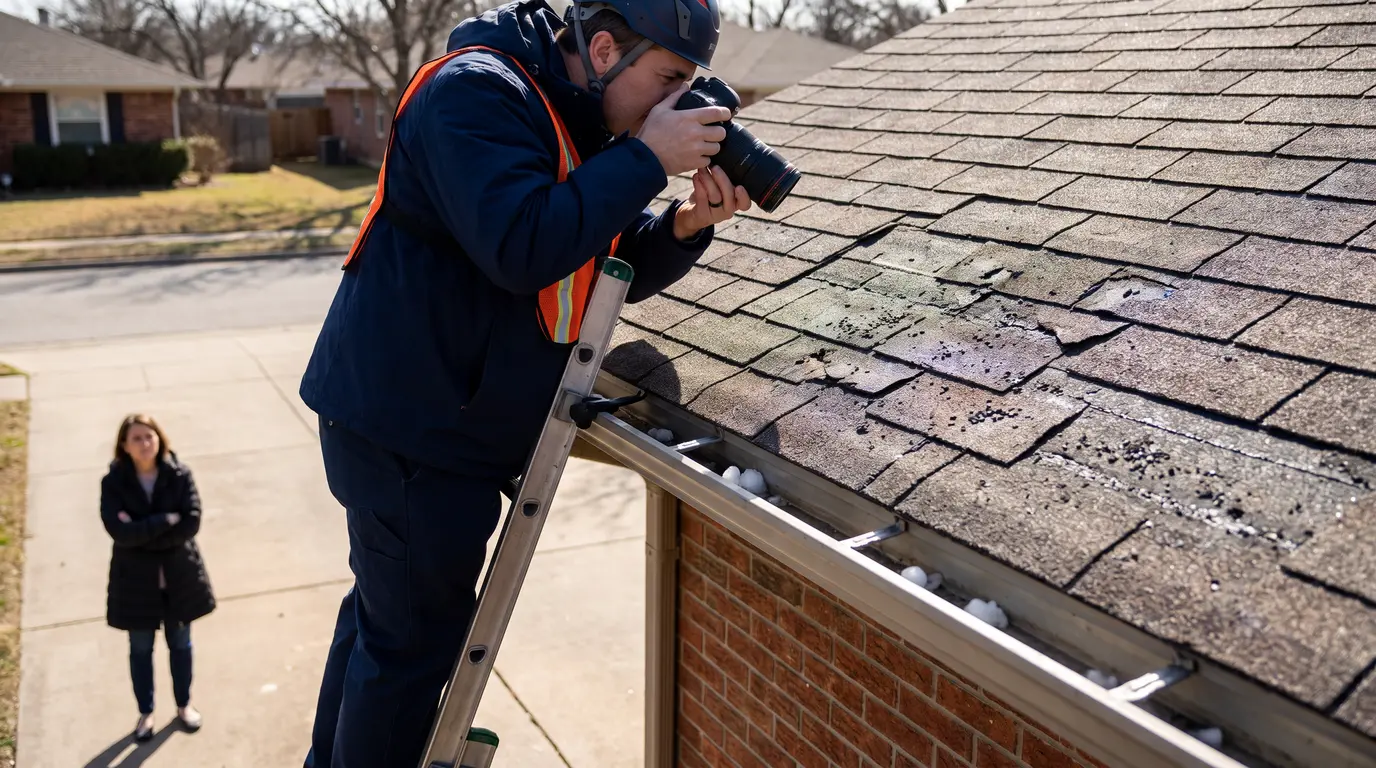
Your roof is more than just protection from the elements—it’s a key component of your building’s energy efficiency. Over time, roofs are exposed to weather extremes like wind, hail, snow, and sun, which can weaken membranes, insulation, and ventilation systems. These changes can make your heating and cooling systems work harder, driving up utility bills.
Common culprits that increase energy costs include:
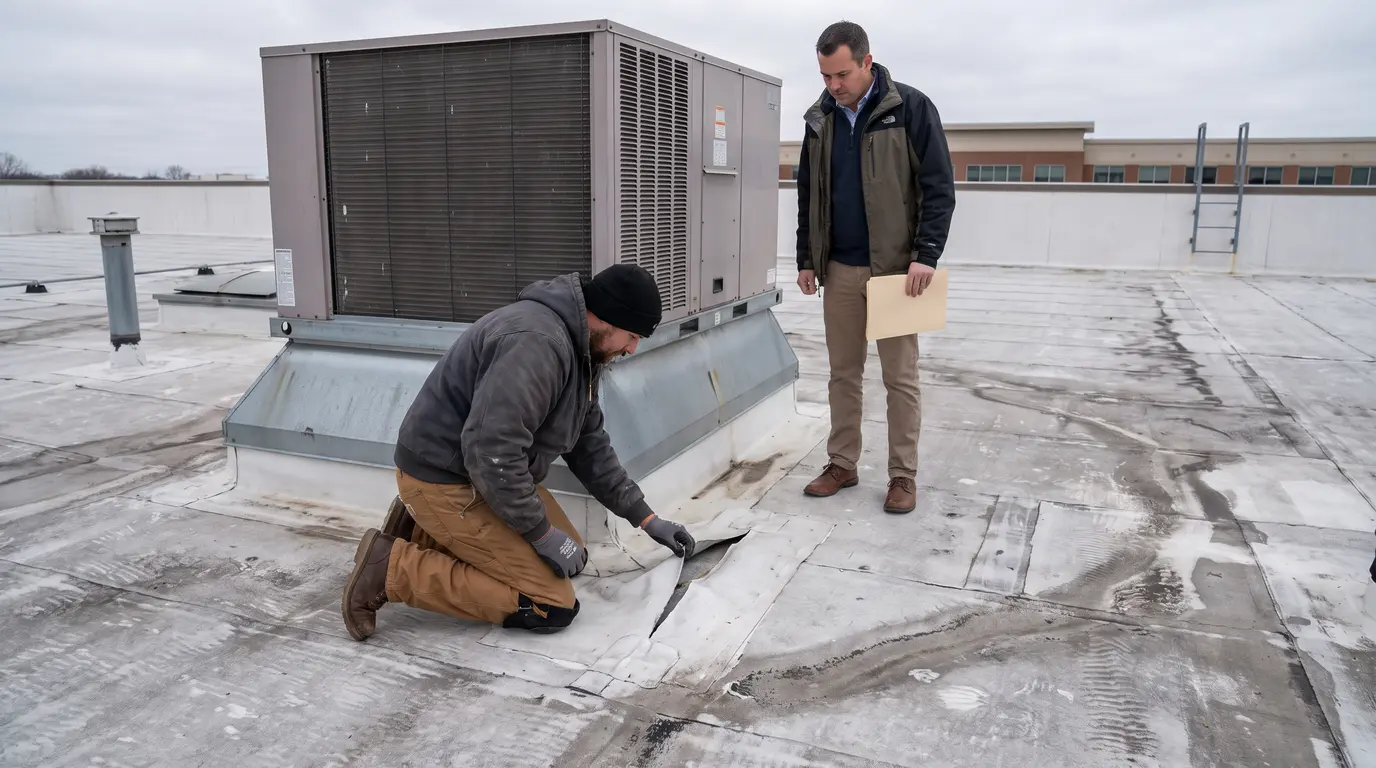
- Broken or damaged membranes: Gaps or tears in roofing membranes allow outside air to penetrate, making your HVAC system overwork. In commercial buildings, this can mean running air conditioning or heating for extended periods to maintain comfortable temperatures.
- Poor insulation: Even a perfectly intact roof will fail to conserve energy if the building lacks proper insulation. Heat escapes in winter, forcing the heater to run longer, and warm air infiltrates in summer, making air conditioning run continuously.
- Inadequate ventilation: Moisture trapped under the roof reduces HVAC efficiency and can lead to mold, mildew, and structural issues, compounding energy costs.
- Dark roofing materials: Dark shingles and roofing panels absorb more heat, increasing cooling costs during hot seasons. Lighter colors reflect sunlight, keeping buildings cooler and lowering energy consumption.
Repair, Restore, or Replace Your Roof
Deciding what to do with a damaged roof can impact both short-term and long-term energy bills.
- Repairing your roof: Ideal for minor issues such as loose shingles, small leaks, or localized damage. Repairs can restore energy efficiency partially but won’t address systemic issues with insulation or ventilation.
- Restoring your roof: For moderate damage affecting less than 20% of the roof, restoration may include patching shingles or sealing membranes. Restoration is cost-effective and can improve energy efficiency without a full replacement.
- Replacing your roof: Necessary for older or severely damaged roofs. A new roof allows you to choose energy-efficient materials, improved insulation, and proper ventilation, providing maximum utility bill savings over the long term.
Roofing Materials and Their Effect on Energy Bills
The type of roofing material you choose plays a major role in energy efficiency. Here’s a breakdown of common materials and their impact:
- Asphalt shingles: The most common roofing material in residential buildings. Standard asphalt shingles absorb heat, which can increase cooling costs, but reflective or “cool roof” asphalt shingles can reduce energy consumption by reflecting more sunlight.
- Metal roofing: Metal roofs reflect solar radiant heat, keeping interiors cooler in summer. When combined with proper insulation, metal roofing can reduce energy bills by up to 25%. They also have long lifespans, reducing the need for frequent replacements.
- Clay and concrete tiles: Highly durable and excellent for reflecting heat in hot climates. They retain less heat than asphalt shingles and can significantly lower cooling costs. However, their weight may require structural reinforcements.
- Slate roofing: Very long-lasting and energy-efficient, slate keeps interiors cool in summer but may require professional installation due to weight and cost.
- Rubber and synthetic membranes (for commercial flat roofs): These can be reflective and highly insulated, keeping large commercial buildings more energy-efficient. White or light-colored membranes are especially effective at reducing cooling costs.
Example: A business in Phoenix replaced an aging asphalt shingle roof with a white reflective TPO membrane. By reducing heat absorption, their cooling bills dropped by 20%, saving $4,500 annually on a 50,000-square-foot facility.
Insulation and Ventilation
Even the best roofing material cannot perform optimally without proper insulation and ventilation. Insulation slows heat transfer, while ventilation prevents moisture buildup and balances temperatures in the attic or roof cavity.
Key strategies include:
- Adding or upgrading attic insulation: Helps retain heat in winter and prevents heat gain in summer.
- Installing ridge vents or soffit vents: Promotes airflow under the roof, reducing heat buildup and moisture accumulation.
- Using radiant barriers: Reflective insulation panels can further reduce heat gain in hot climates, especially when combined with a reflective roof.
Case Studies in Energy Savings
- Residential Example: A homeowner in Tampa replaced a 15-year-old asphalt roof with a cool roof shingle system and added R-38 attic insulation. Their summer cooling bills dropped by 18%, saving about $350 per year.
- Commercial Example: A warehouse in Dallas installed a reflective TPO membrane on a 100,000-square-foot roof. Combined with improved insulation and ventilation, they reduced cooling costs by 22%, resulting in annual savings of $12,000.
- Mixed Material Approach: A home in Seattle used dark asphalt shingles for shaded areas and reflective shingles for sun-exposed sections. This targeted approach balanced aesthetics and energy savings, lowering overall utility bills by 10%.
Additional Tips to Maximize Energy Efficiency
- Schedule regular roof inspections: Identifying and addressing issues early prevents energy inefficiency.
- Consider cool roof coatings: These coatings reflect solar heat and can be applied to existing roofs.
- Seal air leaks around roof penetrations: Chimneys, vents, and skylights can let air escape. Proper sealing prevents energy loss.
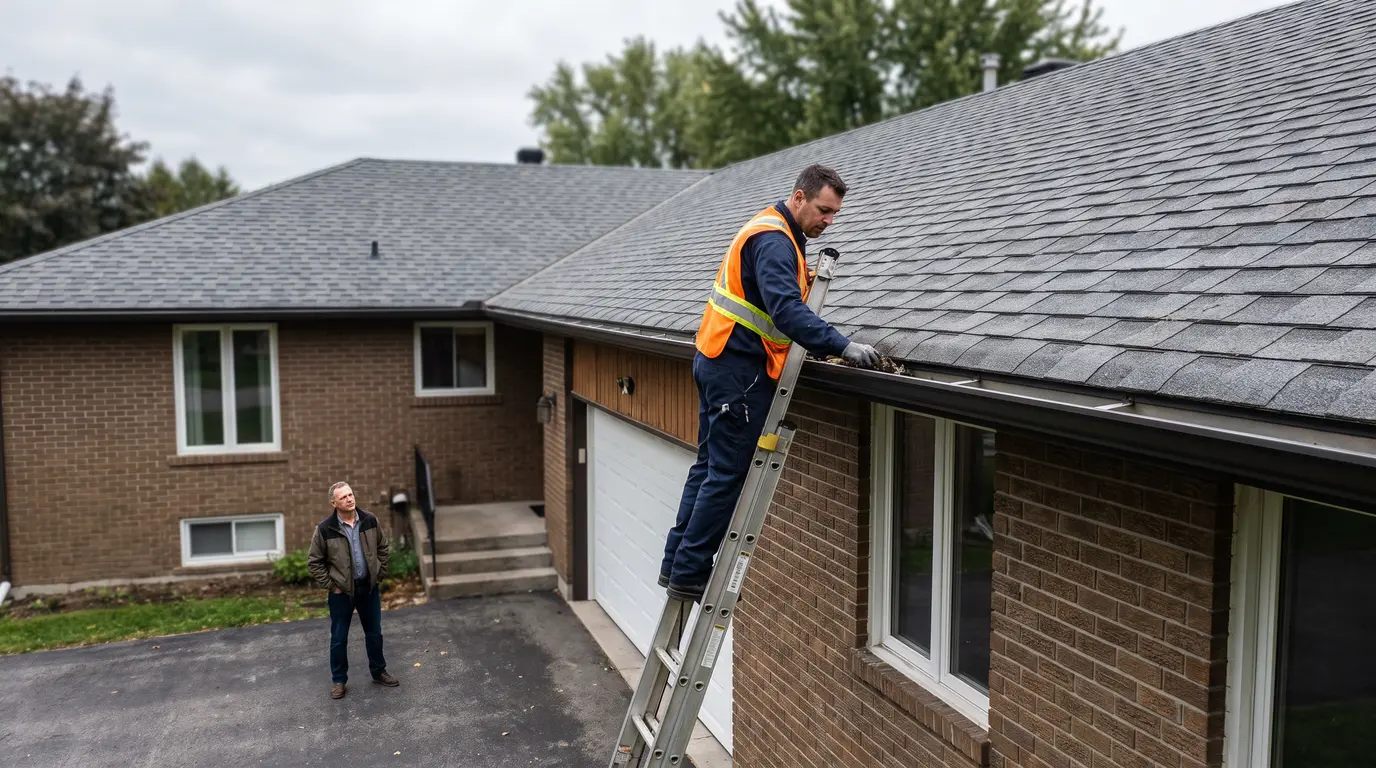
- Maintain proper gutter and drainage systems: Standing water can damage roofing materials and insulation, indirectly increasing energy costs.
Final Thoughts
A roof is more than just protection from the elements—it is a long-term investment in your building’s energy efficiency. Choosing the right materials, maintaining insulation and ventilation, and keeping your roof in good condition can dramatically reduce your utility bills.
Replacing or upgrading your roof may seem like a significant expense, but the energy savings over time can make it one of the smartest financial decisions you make for your home or business. By understanding the connection between your roof and your utility bills, you can take action today to save money, protect your property, and increase comfort year-round.