If a storm damages your roof, homeowners insurance may pay for some or all of the replacement cost. If the roof is simply old, worn out, or poorly maintained, insurance generally will not pay to replace it. The deciding issue is usually whether a covered, sudden event caused the damage, along with the policy’s valuation method, deductible, exclusions, and limits.
A policy may cover roof damage from events such as wind, hail, fire, lightning, or a falling tree. Coverage is not automatic just because the roof leaks or interior damage appears. Your policy controls, and the insurer may evaluate whether the loss came from a covered event, ordinary deterioration, poor maintenance, installation problems, or an excluded cause. The Insurance Information Institute’s overview of standard homeowners insurance provides general background, but your policy and applicable state rules control the claim.
What roof damage may be covered
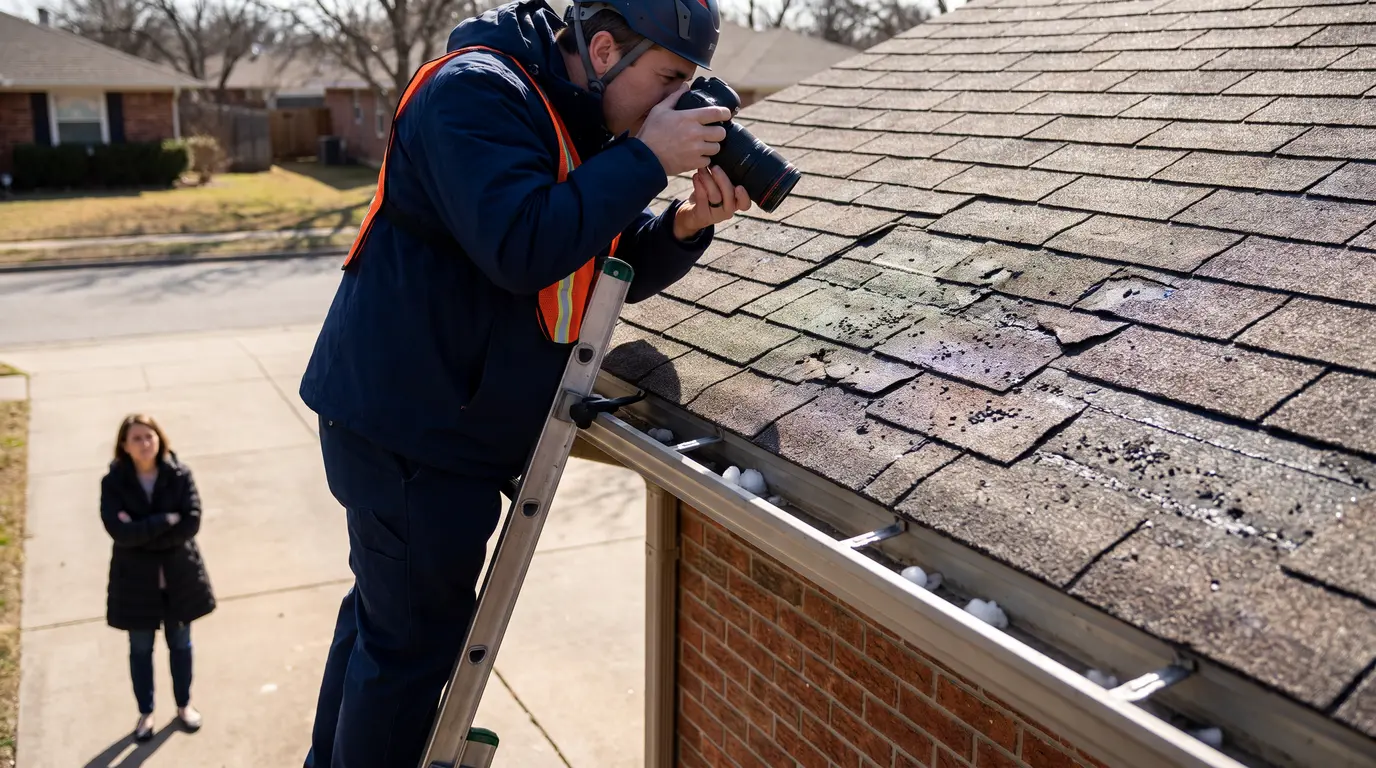
Insurance generally responds to damage caused by a covered peril listed in the policy. For example, wind may tear shingles away, hail may damage the roof surface, or a falling tree may create an opening. Fire and lightning may also qualify when the policy includes those covered causes.
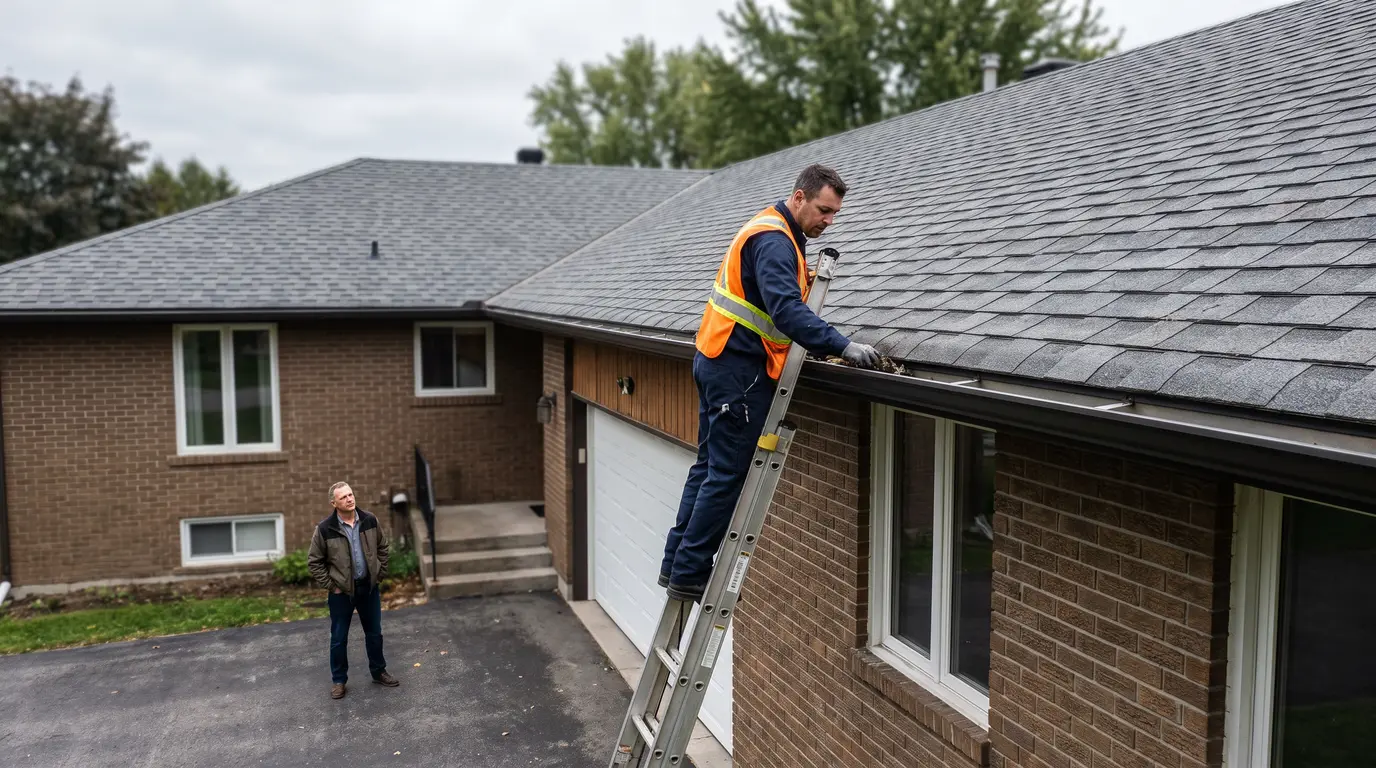
A roof leak by itself does not establish coverage. The insurer may look at the source of the leak and the condition of the roof before the event. Interior water damage may also be evaluated separately from the roof repair. Take photographs from the ground or another safe location, and avoid climbing onto a damaged or unstable roof.
When insurance generally does not pay
Standard homeowners insurance generally does not pay to replace a roof solely because it has reached the end of its normal service life. Routine wear, age related deterioration, poor maintenance, and neglect are commonly excluded. Flood and earthquake damage are also generally excluded from a standard homeowners policy, although separate coverage or endorsements may be available for some excluded risks.
An older roof can still have a covered storm loss, but the insurer may examine whether the storm caused the damage or whether deterioration was the primary cause. Roof age, condition, material, and shape can also affect inspections, renewal decisions, and whether the policy provides replacement cost or actual cash value coverage. References to roofs over 20 years old are general industry guidance, not a universal rule for every insurer or location.
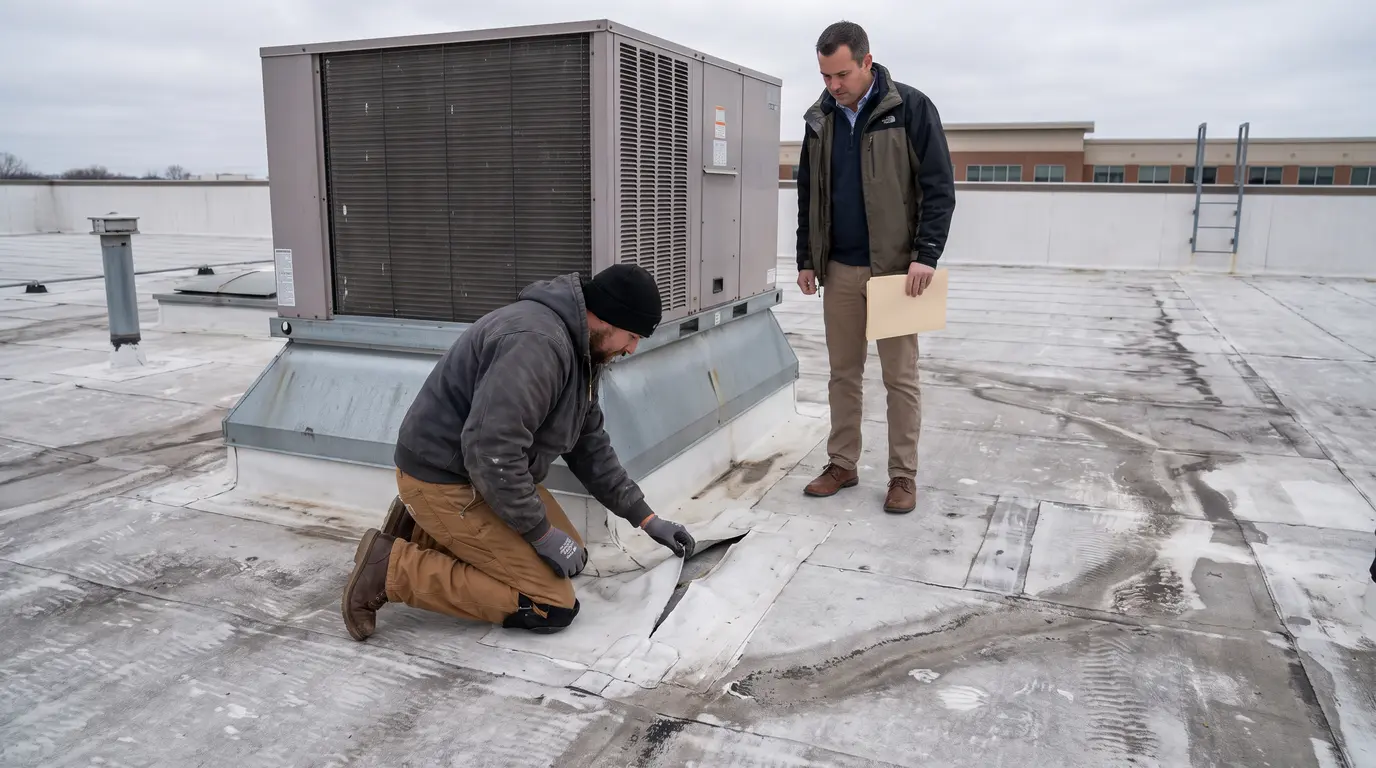
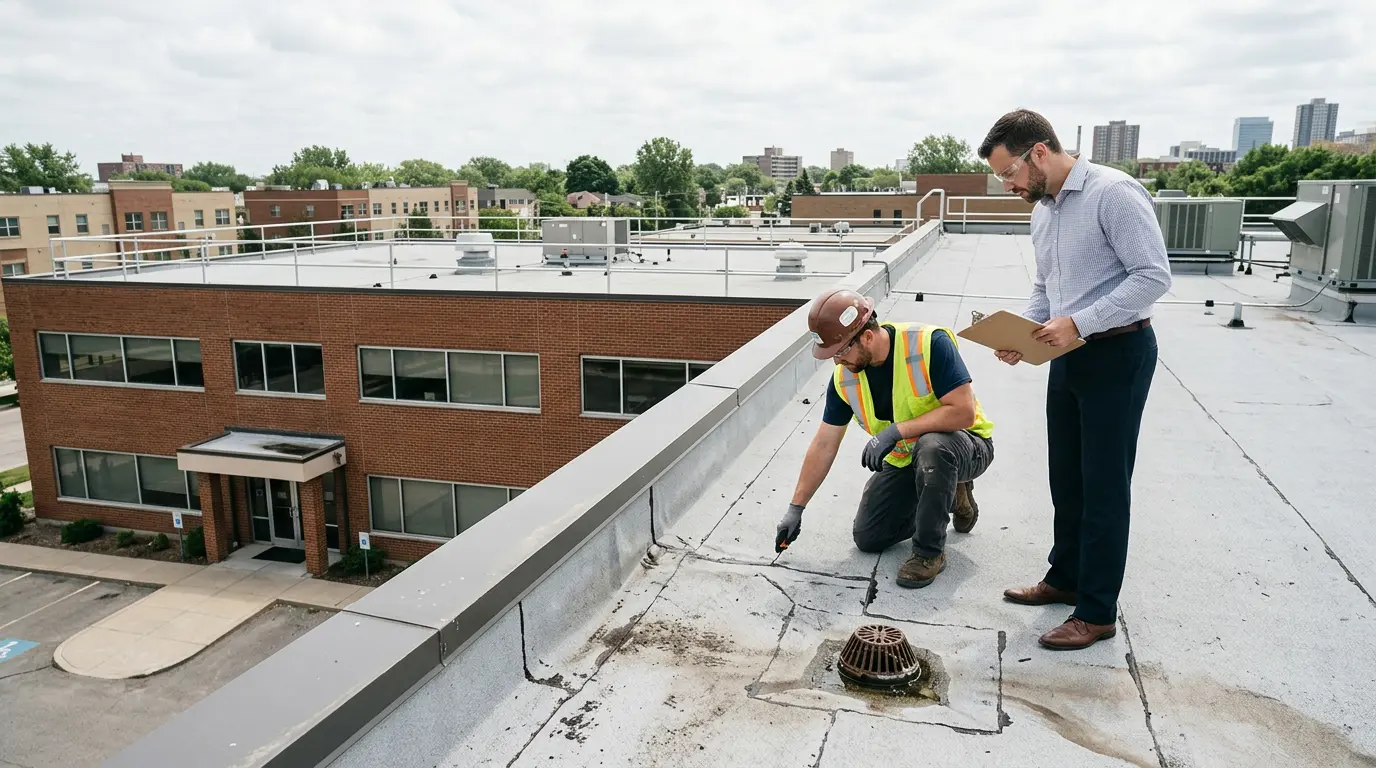
If you need help distinguishing visible conditions from possible causes, you can read a roof inspection report. An inspection report can help explain roof conditions, but it does not determine whether your policy covers a particular claim.
How insurance calculates a covered roof claim
A covered roof loss may be settled using replacement cost value or actual cash value. Replacement cost value generally reflects the cost to repair or replace the roof with similar materials without subtracting depreciation, subject to the policy terms and limits. Actual cash value subtracts depreciation based on factors such as age, condition, and wear.
| Valuation method | How the roof payment is calculated | Likely homeowner responsibility | Important limitation |
|---|---|---|---|
| Replacement cost value | Pays the cost to repair or replace with similar kind and quality without deducting depreciation, subject to policy limits and terms. | The applicable deductible and costs outside the covered scope. | The insurer may initially pay actual cash value and release withheld depreciation after completed repairs and required documentation. |
| Actual cash value | Pays the repair or replacement cost after subtracting depreciation for age, condition, and wear. | The deductible plus any difference between the depreciated payment and the actual replacement price. | It may apply to older roofs or under roof specific policy terms. |
Neither valuation method covers an excluded cause or automatically pays for an old roof without covered damage. Some policies initially issue an actual cash value payment and release recoverable depreciation only after the work is completed and the homeowner submits the required documentation. Ask whether your roof is covered at replacement cost or actual cash value, and what you must submit to receive any withheld depreciation.
Deductibles and expenses you may still owe
Your deductible is the portion of a covered loss that you pay before insurance contributes. It may be a fixed dollar amount or a percentage. Some policies also use separate wind, hail, hurricane, or named storm deductibles, so the applicable amount may not be the same as your standard deductible.
Review the declarations page and policy for the dwelling coverage limit, roof specific valuation language, all applicable deductibles, exclusions, endorsements, and requirements for completing repairs. The Consumer Financial Protection Bureau’s homeowners insurance guidance explains the general role of deductibles, but it does not interpret your individual policy.
A preliminary budget can help you understand the possible gap between the replacement price, an insurance payment, and your out of pocket costs. Use the residential roof replacement cost calculator for planning, then compare the result with the policy and claim information you receive.
What to do after roof damage
Start by documenting the condition. Photograph or record visible damage from a safe location, note the date and weather event, and keep records of interior damage, emergency work, contractor visits, estimates, receipts, and communications with the insurer.
Notify the insurer according to the policy and take reasonable temporary steps to prevent additional damage, such as covering an opening to limit further water intrusion. Keep receipts for emergency measures. Permanent repairs should generally wait until the insurer has had an opportunity to inspect the roof or has provided instructions, unless immediate action is needed to protect people or property. Notice deadlines, authorization requirements, and reimbursement rules can vary by policy and jurisdiction. The National Association of Insurance Commissioners claims guidance offers general post loss direction.
Do not approve a full replacement based only on a statement that insurance will pay. A roofing estimate and an insurance settlement are not necessarily the same. Compare the written scopes and look for differences involving tear off, decking, flashing, ventilation, disposal, taxes, and temporary protection. Whether each item is covered depends on the policy and claim facts. This guide can help you compare roof replacement estimates using equivalent written scopes.
Questions to ask before accepting a claim payment
Ask the insurer to explain the valuation method, the deductible applied, and any items that were excluded or limited. If depreciation is withheld, confirm the deadline and documentation required to receive it. Request a written explanation if the insurer pays actual cash value, applies a special deductible, denies part of the scope, or determines that deterioration rather than a covered event caused the loss.
Two useful questions are: “Is the roof covered at replacement cost or actual cash value, and what must I submit to receive any withheld depreciation?” and “Which deductible applies to this loss, and is there a separate wind, hail, hurricane, or named storm deductible?”
Frequently asked questions
Does homeowners insurance cover an old roof?
It may cover damage to an old roof if a covered event caused the loss. It generally does not pay to replace the roof solely because of age, wear, poor maintenance, or deterioration. An older roof may also be subject to actual cash value coverage or other roof specific limitations.
What is the difference between ACV and RCV roof coverage?
Replacement cost value generally does not subtract depreciation from the cost to repair or replace with similar materials, while actual cash value does subtract depreciation for age, condition, and wear. The policy may initially pay actual cash value and release withheld depreciation after the work and required documentation are completed.
Can I replace my roof before the insurance adjuster inspects it?
Permanent replacement should generally wait until the insurer has had an opportunity to inspect the roof or has provided instructions, unless immediate action is needed to protect people or property. Take photographs, preserve records, and make only reasonable temporary repairs to limit additional damage. Your policy and jurisdiction determine the applicable notice and authorization requirements.
Your next step
Begin with the cause of the damage and the policy language, not the roof’s age alone. Document the condition, confirm the applicable deductible and valuation method, and compare the insurer’s written scope with the replacement estimate before authorizing major work. Those steps can make a stressful claim easier to understand and help you identify what insurance may pay and what you may still need to budget for.