Roof replacement estimates are difficult to compare when each contractor is pricing a slightly different job. One proposal may include disposal, flashing, permits, and a workmanship warranty, while another lists only the roofing material and labor. The totals may look comparable, but the scopes are not.
The most reliable method is to compare equivalent written scopes. Ask every contractor to identify the work, materials, completion date, price, exclusions, allowances, warranty terms, payment schedule, and change order process. Then compare the actual contract, not only the estimate. The lowest price is not automatically the lowest total cost, but a higher price is not automatically better either.
Local property conditions, roof design, material availability, permits, adopted building codes, disposal rules, and insurance policy terms can all affect the scope and price. Use the checklist below to find out what each proposal really includes before you choose a contractor.
Start by Normalizing Every Estimate Into the Same Written Scope
Begin by requesting multiple written estimates. The Federal Trade Commission’s guidance on avoiding home improvement scams recommends obtaining written estimates that describe the work, materials, completion date, and price. It also recommends checking contractor information, licensing and insurance where applicable, and signing a written contract before work begins.
Ask each bidder to address the same categories. A roofing square is a measurement term used in roofing estimates, so make sure you understand the roof area each contractor is using. If two proposals list different areas or numbers of squares, ask the contractors to explain the difference before comparing their totals.
- Roof areas or measured roofing squares
- The number of existing layers to remove
- Tear off and disposal
- Roof decking assumptions
- Underlayment and applicable leak barriers or ice and water barriers
- Starter products and ridge products
- Flashing treatment
- Ventilation
- Other accessories
- Labor and cleanup
- Taxes and permits where applicable
- Proposed start and completion dates
- Payment terms
- Change order rules
Every line should be identified as included, excluded, an allowance, or requiring clarification. A blank space is not a scope. It is an invitation for assumptions, and assumptions are where otherwise simple comparisons become expensive.
Review the contract along with the estimate. The contract should identify the contractor, license number where applicable, estimated start and completion dates, and promises about the scope and labor and material costs. Contract requirements vary by state, so the FTC guidance is general consumer guidance rather than one universal contract format or legal requirement.
Compare the Actual Roofing Work and Materials, Not Broad Labels
“Architectural shingles” is a product category, not a complete material specification. For a meaningful comparison, ask each contractor to identify the exact manufacturer, product line, color, grade, accessory products, installation method, fastening requirements, and any permitted substitutions.
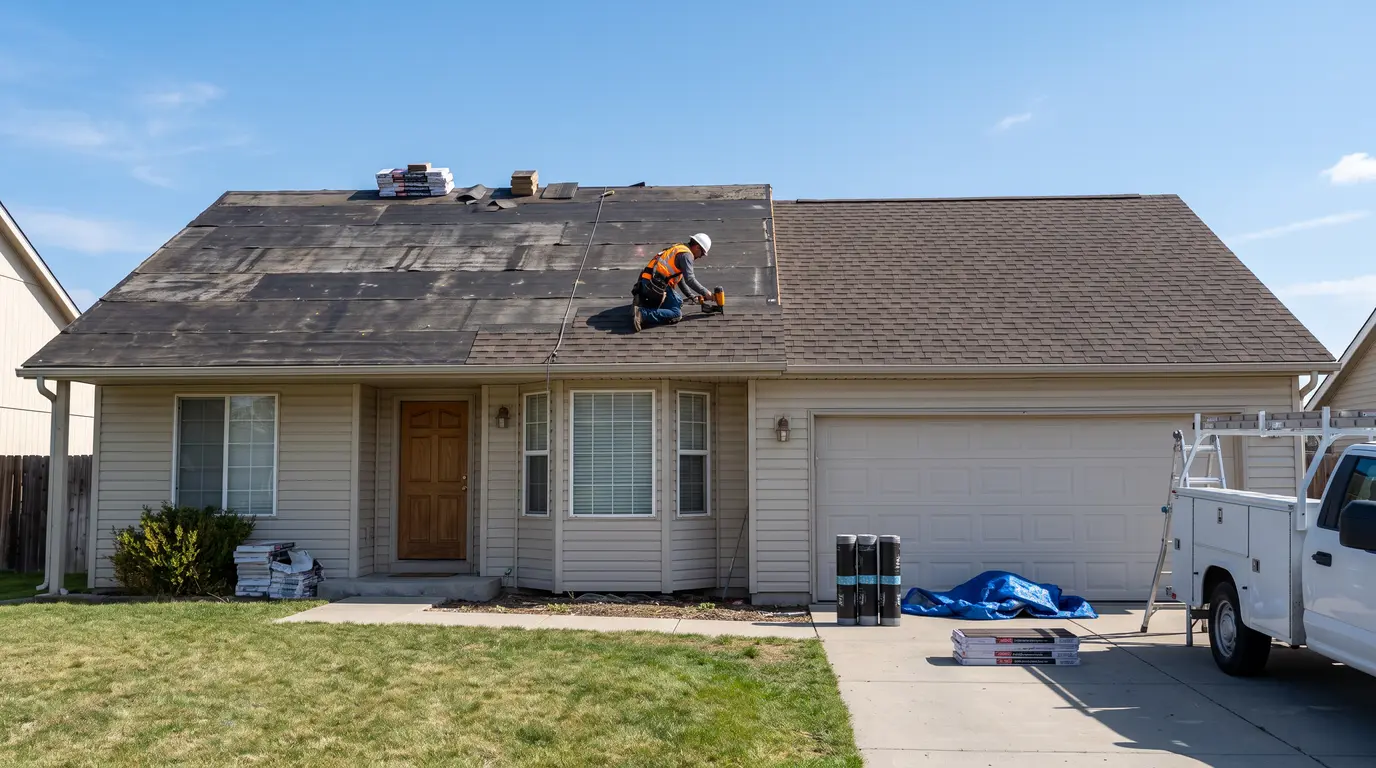
The same level of detail matters for the work beneath and around the visible roof covering. Compare the number of layers being removed, the tear off and disposal method, underlayment, flashing, ventilation, starter products, ridge products, and cleanup. Ask how existing vents, skylights, chimney or wall flashing, fascia, and gutters will be handled when those components are relevant to the project.
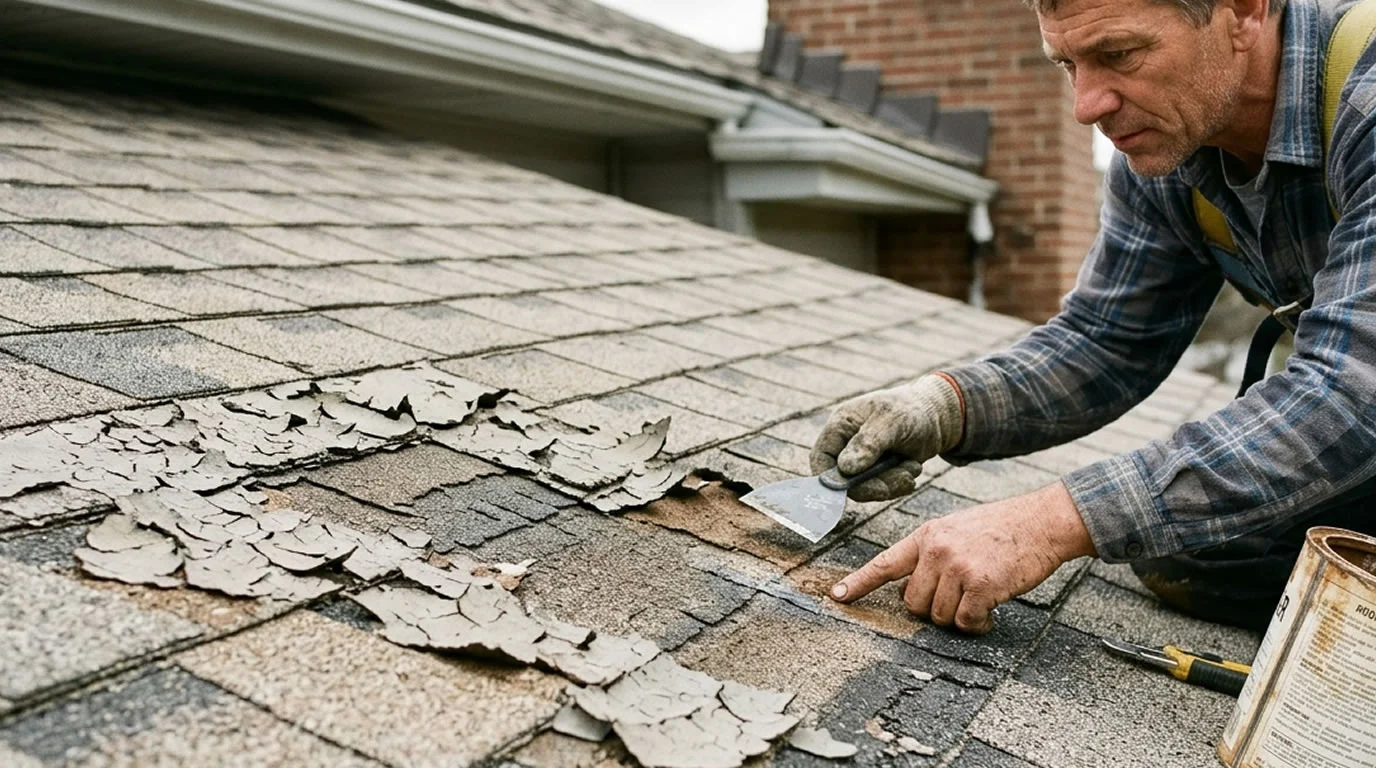
A proposal should also separate the base roof replacement price from work that may become necessary after tear off. Request written unit prices or a documented change order process for concealed decking, dry rot, structural repairs, flashing changes, vent or skylight replacement, and code required upgrades. The research does not establish a universal decking allowance or price, so the important comparison is how each contractor handles the uncertainty.
Different roof systems and property types can require different installation details and warranty terms. Asphalt shingles, metal, tile, slate, low slope membranes, attached structures, multifamily buildings, commercial properties, and association owned properties should not be treated as though they all use the same estimate format.
Material differences may explain part of a price difference, but omitted work or different assumptions may explain the rest. The goal is not to identify a universally best manufacturer or product. It is to confirm that the proposals are actually describing comparable systems.
Investigate Price Differences and Calculate Potential Total Cost
Compare the normalized scope before comparing the totals. The FTC advises homeowners not to automatically select the lowest bidder and to ask for an explanation when estimates differ substantially. That does not mean the highest estimate is best, or that every low estimate is defective. It means the difference deserves an explanation.
Price differences can come from omitted tear off or disposal, different assumptions about decking or flashing, differently specified products, excluded cleanup, different labor or accessory scope, permits and taxes, warranty coverage, or different assumptions about change orders.
Separate the figures in each proposal into four practical groups:
- Base contract price: The work that is definitely included at the stated price.
- Allowances: Amounts set aside for items that are not fully specified or may vary.
- Unit priced work: Work that will be priced according to an identified quantity or method if it becomes necessary.
- Potential change orders: Work that is not part of the base price and requires additional approval or documentation.
Also identify taxes, permits, payment amounts, and payment timing. Compare the proposed start and completion dates as well. A price is attached to a set of project assumptions, and the schedule and payment terms are part of those assumptions.
Concealed decking is a particularly important issue. The full condition of the roof deck often cannot be established before the existing roofing is removed. The contract should explain how damaged decking is priced, who decides whether replacement is needed, who authorizes the work, and how the change is documented. A precise final price may not be possible for every component before tear off, but the process for handling the uncertainty can be made clear.
Compare Roof Warranties by Coverage, Conditions, and Responsibility
Do not compare roof warranties by headline years alone. A standard manufacturer warranty generally addresses defects in the roofing product. A contractor workmanship warranty addresses errors in installation. Those are different risks and may involve different responsible parties.
Use separate comparison columns for the following items:
- Manufacturer product coverage
- Contractor workmanship coverage
- Enhanced manufacturer or system coverage
- Coverage start date
- Non prorated coverage period
- Transferability to a future owner
- Registration deadline
- Exclusions
- Claim procedure
- The party responsible for labor
Enhanced manufacturer warranties may combine product and workmanship coverage, but eligibility can require a complete qualifying roofing system, specified accessories, particular ventilation, registration, and an authorized, enrolled, or certified installer. Requirements vary by manufacturer and product. Certification or access to an enhanced warranty does not independently prove superior workmanship.
Obtain the actual warranty documents before signing. A contractor summary can be useful, but it should not replace the document that controls coverage. Confirm who handles a claim, what documentation is needed, and who pays labor if a covered problem occurs.
“Limited lifetime” is also a conditional term, not unlimited coverage for every roof, every component, every defect, or every owner. Coverage can depend on the product, building type, ownership, coverage category, installation requirements, registration, transfer rules, prorated periods, and exclusions. Manufacturer warranty terms are product specific, so the document for the proposed roofing system matters more than the phrase printed in a sales summary.
Identify Exclusions, Allowances, and Change Order Exposure
The base price tells only part of the story. Ask what the estimate excludes, including concealed decking damage, dry rot, structural repairs, flashing or vent replacement, gutters, fascia, cleanup, permits, taxes, and code related work where relevant.
Do not treat an allowance as a guaranteed inclusion. An allowance is an amount or provision for work or materials that may not be fully determined at the time of the estimate. Ask what happens if the actual need is higher or lower than the allowance and how the difference will be recorded.
For damaged decking, the contract should state the unit price or pricing method and identify:
- Who decides whether replacement is needed
- Who authorizes the work
- How the change is documented
- Whether photographs or written approval are used
The same principle applies to other concealed or related work. Compare the change order process, not merely the base price. Local permits, inspections, disposal rules, adopted codes, and required upgrades vary by jurisdiction, so verify those items with the local building department or applicable licensing authority rather than assuming one proposal reflects a universal rule.
Compare Insurance Estimates Separately From Retail Cash Estimates
An insurance estimate and a retail cash estimate are not automatically comparable. First identify what each figure represents. It may be a retail cash replacement price, an insurer approved scope, a contractor estimate prepared for a claim, or a payment figure that reflects depreciation or a deductible.
Actual cash value, often called ACV, generally means replacement cost minus depreciation. Replacement cost treatment and claim payment conditions depend on the policy, covered peril, deductible, coverage limits, and insurer process. The contractor’s total price and the insurer’s payment figure are separate numbers.
If the project involves a claim, ask the insurer or adjuster to explain:
- Actual cash value
- Replacement cost benefits
- The deductible
- Depreciation and any recoverable depreciation
- The approved scope
- Claim deadlines
- Required documentation
Do not assume the contractor’s estimate determines what the insurer will pay. Homeowners policies typically address roof damage from covered perils, not every need for roof replacement. The cause of loss, policy language, roof age and condition, deductible, and insurer requirements control the claim.
For general insurance explanations about actual cash value, replacement cost, roof condition, and covered perils, see the Insurance Information Institute guidance on how a roof influences insurance.
Verify the Contractor and Compare Contract Terms
Scope and price matter, but the proposal should also be supported by verifiable contractor and contract information. Check the contractor’s identity, licensing status where required, insurance, and references. The FTC guidance recommends obtaining three written estimates and checking licensing and insurance where applicable.
Compare the proposed start and completion dates, payment schedule, cancellation rights, lien or subcontractor terms, and process for approving changes. Make sure the final written contract matches the proposal you evaluated. If revisions are made, keep the updated version rather than relying on a series of verbal promises.
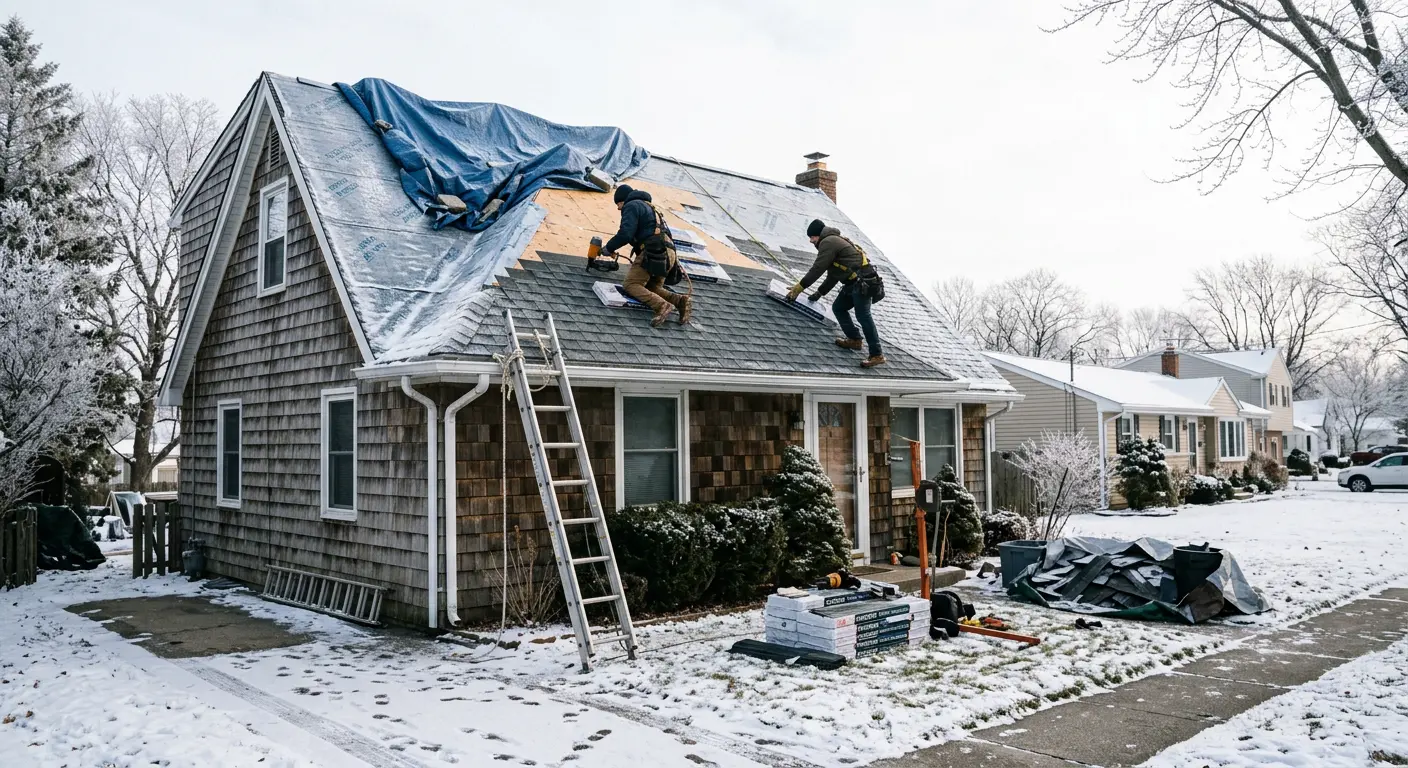
Contractor safety practices can also affect project logistics. OSHA generally requires construction employers to provide fall protection when workers are exposed to falls of 6 feet or more to a lower level. That is an employer and worksite requirement, not an instruction for homeowners to perform roof work. State plan rules and specific circumstances may add requirements.
Licensing, insurance, contract disclosures, permits, inspections, and related requirements vary by jurisdiction. Treat these as items to verify locally, not as proof that one contractor will necessarily provide better workmanship.
Use a Final Roof Estimate Comparison Checklist
Before selecting a proposal, place each estimate beside the others and mark every item as included, excluded, allowance, or requiring clarification. A simple comparison list can include:
- Scope and measured roof area
- Tear off and disposal
- Decking assumptions
- Underlayment and applicable barriers
- Flashing and ventilation
- Materials and accessories
- Labor and cleanup
- Permits, taxes, and inspections where applicable
- Schedule
- Payment terms
- Exclusions and allowances
- Change order rules
- Manufacturer warranty
- Workmanship warranty
- Contractor qualifications and insurance
- Insurance claim assumptions, if applicable
Resolve major differences in writing before signing. Keep the signed contract, estimate versions, change orders, invoices, proof of payment, product labels, photographs, permit and inspection records, warranty registrations, and final completion documents.
Product, ownership, purchase, installation, or installation date records may be needed for warranty claims or transfers. Keeping the records does not guarantee warranty coverage or insurance payment, but it preserves information that the manufacturer, contractor, or insurer may require.
Common Misconceptions About Roof Replacement Estimates
Misconception: The lowest estimate is automatically the best deal.
Correction: The FTC advises homeowners to ask why estimates differ instead of automatically selecting the lowest bidder. A lower figure may reflect a narrower scope or more exclusions, but a low bid is not automatically defective or fraudulent. Compare the work and terms before judging the price.
Misconception: A manufacturer’s shingle warranty covers any roof leak.
Correction: A standard manufacturer warranty generally concerns product defects. It may not cover installation errors, storm damage, or separately supplied components. Contractor workmanship coverage and enhanced system coverage are separate questions.
Misconception: “Limited lifetime” means unlimited coverage for the homeowner’s entire life.
Correction: Lifetime language is limited by the product, building type, owner, coverage category, transfer rules, exclusions, registration, installation requirements, and the actual warranty terms.
Misconception: The insurer will pay whatever the contractor’s replacement estimate says.
Correction: Payment depends on the policy, covered cause, deductible, depreciation, coverage limits, and claim requirements. Actual cash value, replacement cost benefits, and the contractor’s total price are not interchangeable.
Frequently Asked Questions
What should every roof replacement estimate include?
It should identify the work, materials, proposed completion date, and price in writing. For comparison, also request the roof area, tear off, disposal, decking assumptions, underlayment, flashing, ventilation, accessories, cleanup, labor, taxes, permits where applicable, payment terms, and change order rules.
How can I tell whether one roofing bid leaves out underlayment, flashing, ventilation, or cleanup?
Ask each contractor to mark each item as included, excluded, an allowance, or requiring clarification. Do not treat a blank line as an inclusion. The estimate or contract should also explain how existing flashing, vents, skylights, and related components will be handled when relevant.
Why do two contractors quote different roof areas or numbers of roofing squares?
The proposals may be using different measurements or assumptions. Ask both contractors to explain the roof areas or measured roofing squares they used before comparing prices. The estimate should make the measured scope clear.
How should I compare a manufacturer warranty with a contractor workmanship warranty?
Compare them separately. Manufacturer coverage generally addresses product defects, while workmanship coverage addresses installation errors. Check the start date, coverage periods, exclusions, transfer rules, registration, claim procedure, and who is responsible for labor.
What does “limited lifetime” mean on a roof warranty?
It means coverage is subject to the applicable warranty terms and conditions. The product, building type, owner, transfer rules, prorated periods, exclusions, registration, and installation requirements can all affect coverage. Review the actual warranty document rather than comparing the phrase alone.
How should I compare an insurance estimate with a cash roof replacement quote?
First identify whether each figure is a retail replacement price, insurer approved scope, claim estimate, or payment amount after depreciation or a deductible. Ask the insurer or adjuster to explain actual cash value, replacement cost benefits, the approved scope, deductible, depreciation, deadlines, and required documentation.
Who pays if damaged decking is discovered after tear off?
The contract should explain the unit price or pricing method, who decides whether replacement is needed, who authorizes the work, and how the change is documented. There is no universal decking allowance or price established here, and concealed conditions may not be fully known before tear off.
Which roofing estimate should include permits, inspections, disposal, and code upgrades?
Ask every contractor to state whether each item is included, excluded, an allowance, or subject to a change order. Permit, inspection, disposal, adopted code, and upgrade requirements vary by jurisdiction, so verify them with the local building department and compare the contractors’ written assumptions.
The best roof replacement estimate is not necessarily the shortest or cheapest proposal. It is the one you can understand and compare: a clearly defined scope, identified materials, documented exclusions, workable change order terms, specific warranty responsibilities, transparent payment conditions, and contractor information you can verify. Normalize the proposals first, then judge the price.