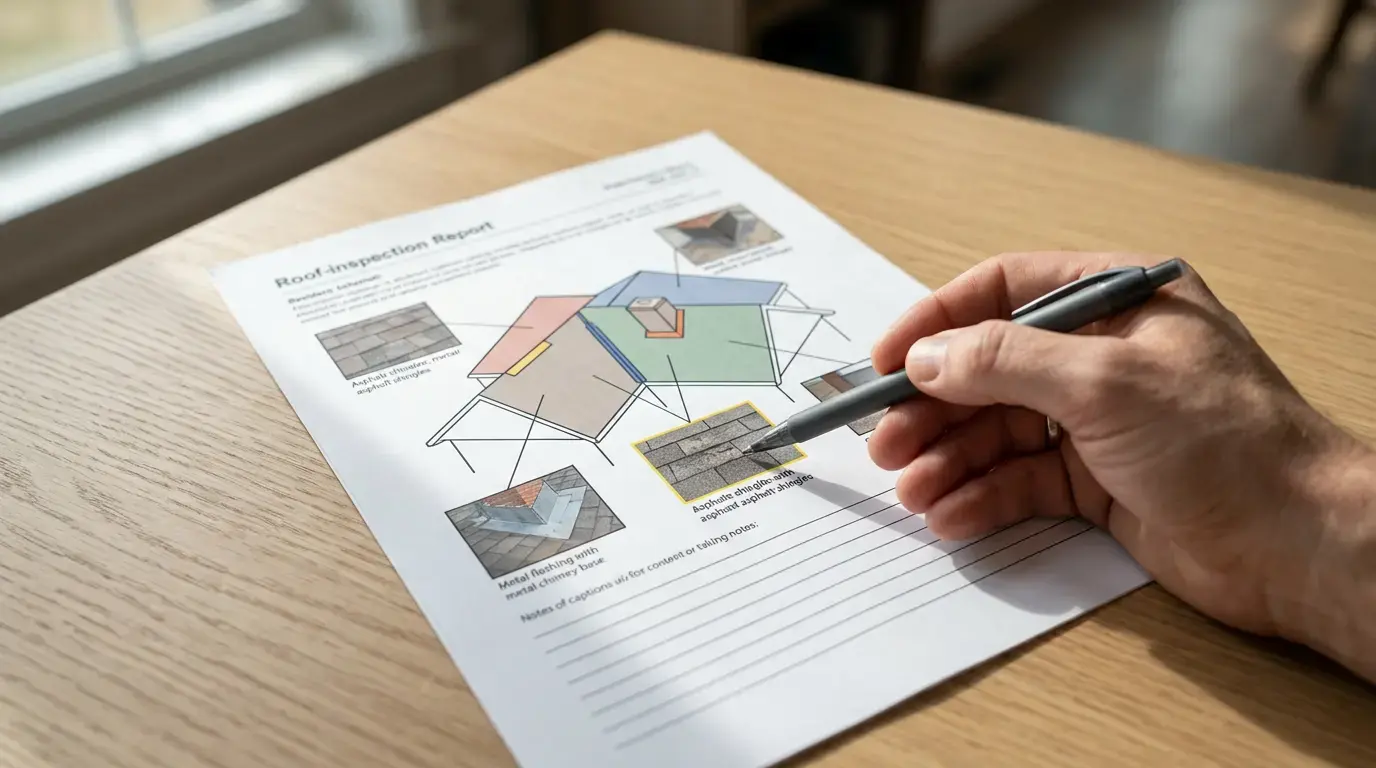
A roof inspection report is not a guarantee that a roof will never leak, nor is it always a complete diagnosis of every roofing problem. It is generally a time specific record of visible and accessible conditions as they existed on the inspection date. To use it well, first determine what was inspected, then separate what the inspector observed from what the inspector recommended, and finally match the next step to the documented risk.
Active water intrusion, exposed materials, structural movement, unsafe conditions, and significant storm damage usually deserve faster professional evaluation than cosmetic wear. A recommendation to repair or replace, by itself, does not tell you exactly how urgent the situation is. The report’s scope, photographs, locations, explanations, and limitations provide the fuller picture.
Start With the Report’s Scope and Limitations
Before studying the defect list, find out what the inspector actually evaluated. Check the inspection date, the roof areas and components included, the inspection method, reported weather or access conditions, and anything listed as excluded, inaccessible, or not inspected.
A common home inspection scope may address visible roof coverings, roof drainage systems, flashing, skylights, chimneys, and other roof penetrations. The report should also identify the roofing material and describe the methods used to inspect it. The exact scope can vary with the inspection agreement, local requirements, and whether the service was a general home inspection or a specialty roofing assessment.
Inspectors generally are not required to walk on the roof. Depending on the standard and site conditions, they may inspect from the ground, eaves, attic, or other accessible locations. A roof may not be walked because of an unsafe slope, weather, fragile materials, obstructions, or a lack of safe access.
That makes the phrase “roof not inspected” especially important to interpret correctly. It identifies an information gap, not proof that the roof is defective. Read the explanation for the limitation and determine whether the area is important enough to justify follow up by a qualified professional. Do not climb onto the roof to fill the gap yourself.
The American Society of Home Inspectors, or ASHI, describes a standard home inspection as a limited visual examination of readily accessible and visually observable components. Its materials also explain that the report reflects conditions visible at the inspection and does not necessarily identify concealed conditions or predict future failures. The cited ASHI standard approved on January 8, 2026, stated that its implementation date was still to be determined, so the standard and scope applicable to your inspection date should be confirmed. You can review the ASHI Standard of Practice and the approved 2026 ASHI standard for additional context.
Separate What the Inspector Observed From What the Inspector Recommended
A useful way to read each entry is to work through five questions:
- What condition was actually observed?
- Where is it located?
- What risk or consequence did the report describe?
- What action was recommended?
- What photograph, explanation, or limitation supports the finding?
This distinction matters because a condition finding and a recommendation are not the same thing. Under the cited ASHI reporting framework, a report may identify a condition that is not functioning properly, significantly deficient, unsafe, or near or beyond normal useful life, and then recommend repair, replacement, or further evaluation.
Words such as “repair,” “replace,” “monitor,” “maintenance,” and “further evaluation” are not universal severity grades. Their meaning depends on the report’s definitions, the inspection agreement, the inspector’s judgment, and the condition documented in that particular location.
If the report uses the term “significantly deficient,” look for its definition. In the cited ASHI framework, the term relates to an effect on value, habitability, or safety and excludes cosmetic or aesthetic matters. That definition should not be treated as universal for every inspection report.
“Further evaluation” means that an unresolved question needs to be answered by a suitably qualified professional. The question might involve whether a condition is repairable, whether water intrusion is active, or whether structural movement is present. Ask the inspector what question the specialist is expected to answer. The phrase is a request for more information, not an automatic order to replace the roof.
A recommendation to replace may be based on age, condition, safety, a judgment about useful life, or limitations on repairability. It does not by itself establish that immediate replacement is required.
Identify Findings That May Need Prompt Attention
Prioritize the documented condition and its possible consequence, not the label alone. Findings that generally warrant faster evaluation include:
- Active water intrusion or wet and damaged interior materials.
- Major missing or displaced roof covering materials.
- Exposed roof decking.
- Failed flashing around a penetration, edge, valley, or other roof area.
- Blocked or defective drainage.
- Severe structural sagging or suspected movement.
- Unsafe roof components.
- Damage following a major storm.
These conditions do not create one universal repair schedule. Their urgency depends on what the report documents, the potential risk, the property context, and the evaluation of a qualified professional. Still, they deserve more attention than ordinary cosmetic wear because water, safety, and structural concerns can affect more than the appearance of the roof.
Ask for a precise location. A useful description may identify a roof plane, penetration, edge, valley, gutter, or attic area. Connect that location to the report’s photographs and explanation. A vague statement is harder to act on than a finding tied to a specific part of the roof system.
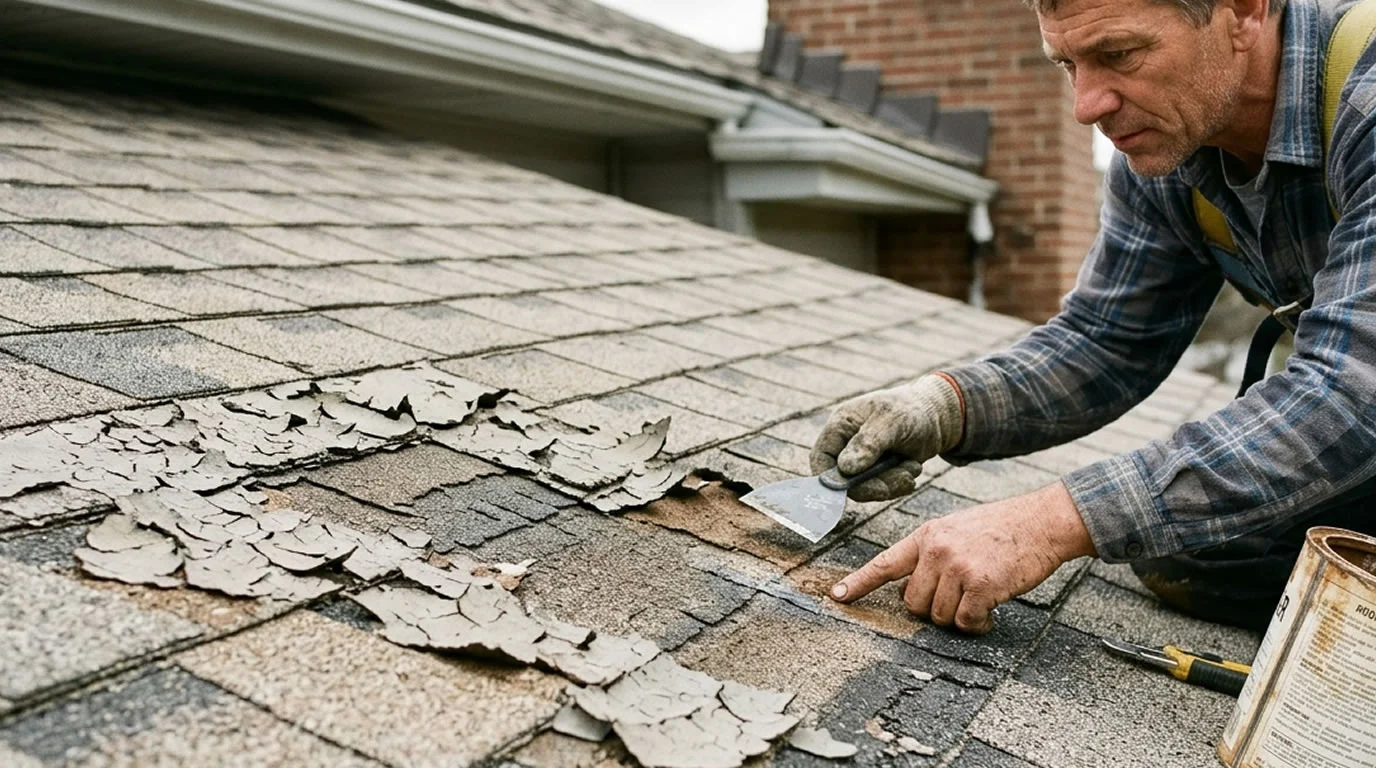
Cracked, warped, or missing shingles, loose seams, deteriorated flashing, and excessive granules in gutters or downspouts can be visible maintenance or performance concerns. The National Roofing Contractors Association identifies these types of conditions as issues periodic inspections may uncover. Its guidance also supports professional work for most roof maintenance because improper work can damage the roof and create fall through or fall hazards. Review the NRCA roofing guidelines resources for that maintenance context.
Roof edges and corners can deserve particular attention in properties exposed to high wind or coastal conditions. FEMA guidance discusses roof failures beginning at edges and corners when fastening, flashing, and coping receive inadequate attention. That is useful context for those conditions, but it is not a nationwide priority schedule for every residential roof.
Distinguish Maintenance, Repair, Replacement, and Further Evaluation
Less urgent findings still deserve a clear plan. Use the observed condition, location, photographs, explanation, and recommendation together rather than treating one word as the entire diagnosis.
Periodic inspection and routine maintenance may uncover cracked, warped, or missing shingles, loose seams, deteriorated flashing, and excessive granules before they become leaks or more serious damage. That does not mean every visible defect is harmless or that maintenance guarantees future performance. It means the report may be identifying a condition that deserves attention before the consequences become more extensive.
Roof age also needs careful handling. An older roof is not automatically a failing roof, and age alone does not prove that immediate replacement is necessary. A standard inspection may not establish the exact remaining service life of a roof component or predict when it will fail.
If the report recommends replacement but does not clearly explain the condition, safety concern, useful life judgment, or repairability issue behind that recommendation, obtain an assessment from a qualified roofing professional. A general home inspection is not necessarily the same as a roofing contractor evaluation, leak investigation, structural evaluation, storm damage inspection, or code compliance inspection.
Those services answer different questions. The right follow up depends on what remains uncertain, not simply on the most serious sounding word in the report.
Match the Next Step to the Reported Problem
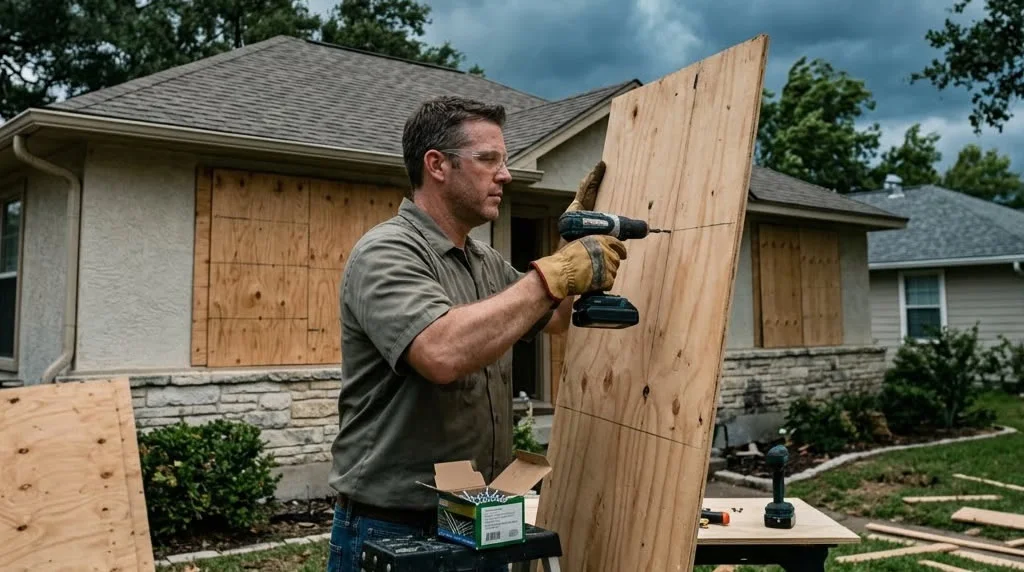
For active leaks, wet or damaged interior materials, exposed decking, major missing or displaced covering, severe sagging, unsafe roof components, or damage after a major storm, contact a qualified roofing professional promptly. Do not climb onto the roof to verify the report.
For other findings, match the professional to the unresolved question:
- Roofing contractor: roof system evaluation, repairability, and roofing work.
- Structural professional: suspected framing or roof deck movement.
- Moisture professional: unexplained or recurring water intrusion.
- Local building department: code or permit questions.
Ask the inspector or contractor to identify the exact roof plane, penetration, edge, valley, gutter, or attic area involved. If the report says “further evaluation,” ask what must be determined and what evidence supports the referral.
When obtaining proposals, ask the contractor to distinguish temporary protection from permanent corrective work. Keep the inspection report, photographs, proposals, invoices, permits, warranties, maintenance records, and post repair photographs together.
A report’s mention of a defect, missing permit, or nonconforming condition does not automatically prove an insurance denial, code violation, claim rejection, or required replacement. Verify local requirements, permit history, insurance terms, and code questions with the authority having jurisdiction, insurer, or qualified professional.
Interpret Attic Moisture and Ventilation Findings Carefully
An attic moisture or ventilation finding is not automatically an instruction to add more vents. The correct response depends on the roof assembly, insulation location, air sealing, climate, and stated design or manufacturer requirements.
Properly designed vented attics and unvented or conditioned roof assemblies use different moisture control approaches. Guidance from the U.S. Department of Energy cautions against ventilating an attic when insulation is installed on the underside of the roof without qualified evaluation.
Ask how a proposed ventilation change fits the existing insulation and moisture control strategy. The goal is a coherent roof assembly, not simply a larger collection of vents. The U.S. Department of Energy’s EnergySavers guidance explains why the roof assembly and climate matter.
Common Misconceptions About Roof Inspection Reports
Misconception: A roof inspection report guarantees that the roof will not leak.
Correction: A standard inspection records visible conditions at a particular time. It may not identify concealed defects, latent conditions, or future failures.
Misconception: “Not inspected” means the inspector found a defect.
Correction: It generally means the component could not be evaluated under the inspection scope or access conditions. It identifies uncertainty, not proof of failure.
Misconception: Every recommendation to replace means immediate replacement is necessary.
Correction: The recommendation may reflect age, condition, safety, useful life judgment, or repairability. A qualified roofing professional may be needed to confirm the basis.
Misconception: An inspector must walk on the roof.
Correction: Major inspection standards do not universally require roof walking. Inspectors may use observations from the ground, eaves, attic, or other accessible locations.
Misconception: More attic ventilation is always the answer.
Correction: Vented and unvented assemblies require different moisture control designs. Ventilation must be considered alongside insulation placement, air sealing, climate, and the roof assembly.
Frequently Asked Questions
What does “further evaluation” mean in a roof inspection report?
It means an unresolved question should be answered by a qualified professional. Ask whether the issue involves repairability, active water intrusion, structural movement, or another specific concern. It is not automatically a recommendation to replace the roof.
How can I tell whether a roof finding is urgent or routine maintenance?
Look at the documented condition and possible consequence. Active water intrusion, wet interior materials, exposed decking, major missing covering, severe sagging, unsafe components, and major storm damage generally warrant faster evaluation than cosmetic wear, but urgency depends on the specific report and professional assessment.
Does “not inspected” mean my roof has a defect?
No. It generally means the roof or component could not be evaluated under the stated scope or access conditions. It identifies an information gap, not proof that the roof has failed.
What should I do if the report says the roof has reached the end of its useful life?
Review the explanation, photographs, condition findings, and basis for the useful life judgment. Age alone does not prove immediate failure or establish that replacement is required. If the basis is unclear, obtain a qualified roofing professional’s assessment.
Does a roof inspection report determine whether I need a full replacement?
Not necessarily. A general inspection records visible and accessible conditions, and its recommendation depends on the documented condition and inspection scope. A roofing contractor assessment may be needed to evaluate repairability or replacement more specifically.
When should I hire a roofer, structural professional, or moisture specialist?
Use a roofing contractor for roof system condition and repairability, a structural professional for suspected framing or deck movement, and a moisture professional for unexplained or recurring water intrusion. The reported condition should determine the appropriate follow up.
Can a roof inspection report prove that a roof complies with local building code?
Not by itself. Inspection standards, code requirements, permits, and local enforcement are separate matters. Contact the local building department or another qualified professional for code and permit questions.
What documents should I keep after repairing a problem identified in the report?
Keep the inspection report, photographs, contractor proposals, invoices, permits, warranties, maintenance records, and post repair photographs. Ask that temporary protection and permanent corrective work be identified separately in the documentation.
The most useful roof inspection report is not the one with the most alarming wording. It is the one you can read in context: what was visible, where the condition was found, what risk was described, what remains uncertain, and which professional can answer the next question. Start with scope, prioritize water and safety concerns, and do not treat every replacement recommendation as an immediate order for a new roof.