When most people think about roofing, they usually picture asphalt shingles or metal roofs. But there’s another material that has been trusted in the roofing world for decades, especially on commercial buildings. It’s called polyvinyl chloride, or PVC roofing. While it’s not the most common choice for traditional homes, PVC plays an important role on flat or low-sloped roofs and is sometimes used in residential projects like garages or covered patios.
If you’ve ever wondered what a PVC roof actually is, why someone would choose it, how long it lasts, or how much it costs, this article will give you the full rundown. Let’s explore everything you need to know about PVC roofing.
What Exactly Is a PVC Roof?
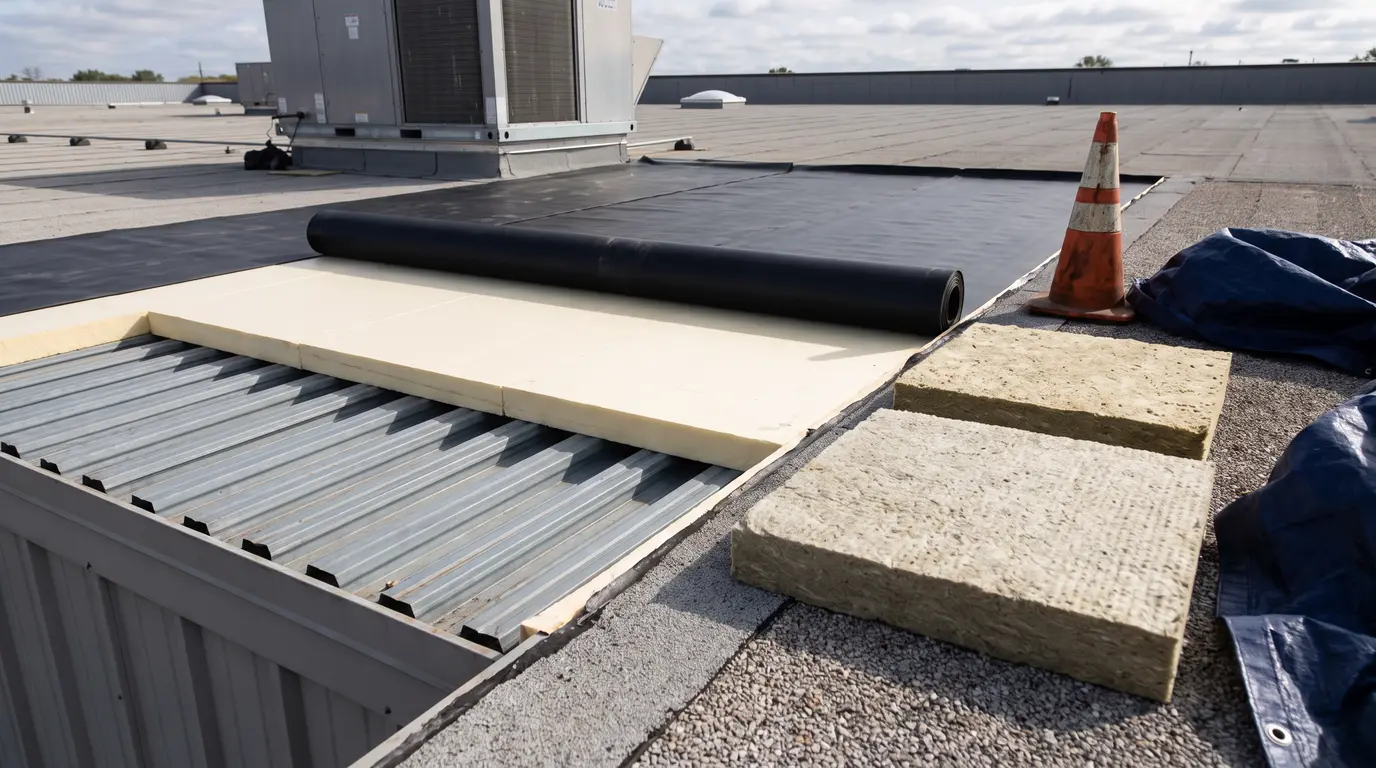
A PVC roof is a type of roofing material made from a single large sheet of plastic called polyvinyl chloride. This sheet, also called a membrane, is laid over the roof to create a continuous, waterproof surface. One of the things you’ll notice about PVC roofs is their white or light color. That’s great for reflecting sunlight instead of soaking it up, which helps keep buildings cooler and can save on energy bills.
PVC roofing membranes usually consist of two layers of PVC material with a layer of polyester sandwiched in between. This construction makes the roof both strong and flexible. Additives are also mixed into the PVC to boost its resistance to ultraviolet rays and improve its durability during harsh weather.
PVC roofs are especially good for flat or low-sloped roofs where water doesn’t drain quickly. Because of this, having a strong waterproof layer is really important to keep water from causing damage.
What Makes PVC Roofing a Good Choice?
There are several reasons why PVC roofing has become a popular option, especially for commercial buildings but also for some residential applications.
One big advantage is strength and durability. PVC membranes are designed to be tough. They typically have a breaking strength of around 200 pounds per inch or even more, which helps them withstand harsh weather. This strength, combined with flexibility, means the roof can handle movement caused by wind or temperature changes without cracking.
Another important factor is how waterproof the seams are. The sheets of PVC are joined together using hot air welding, creating a seamless and watertight bond. This helps prevent leaks even in areas where water tends to pool or collect. The flexibility also allows the roof to move during storms without sustaining damage.
PVC is also resistant to many chemicals, including fats and grease. That makes it a great choice for commercial kitchens, factories, or other buildings where these substances might be present.
When it comes to fire safety, PVC roofing is slow to burn and has self-extinguishing properties. That means if a fire is put out, it generally won’t reignite, making it a safer option in busy commercial settings.
The material is also resistant to mold, bacteria, and even plant roots, which helps keep the roof clean and intact for longer.
On top of all that, PVC roofs have reflective surfaces that help reduce heat buildup. That means less wasted energy and lower cooling costs inside the building. Some PVC roofs can even be coated with acrylic or silicone to improve energy efficiency even more. And in some cases, the membranes are recyclable, which is a nice bonus for anyone looking for a greener option.
How is PVC Roofing Installed?
Installing a PVC roof takes skill and there are three common methods.
Sometimes the membrane is glued directly to the roof surface. This creates a strong bond and helps keep everything in place.
Other times it’s attached with screws and plates that hold the membrane securely.
The seams where the sheets meet can be heat-welded together. This creates a strong, waterproof seal that prevents leaks.
Because PVC roofs need a clean, flat surface for proper installation, sometimes the old roof has to be completely removed before the new membrane is put down. This adds to the labor and overall cost, so installation isn’t always quick or cheap.
When Should You Consider a PVC Roof?
PVC roofs are best for flat or gently sloping roofs, usually those with a pitch less than two inches of rise for every foot of run. Water drains slowly on these kinds of roofs, so having a waterproof membrane like PVC is essential. Traditional materials like asphalt shingles usually aren’t suitable here because they can be damaged by standing water.
In homes, you might find PVC roofs on flat areas like garages, patios, or modern architectural features. If you have a flat or low-slope roof, PVC is definitely worth considering.
What Does a PVC Roof Cost?
Cost is always a factor. PVC roofing tends to be more expensive than asphalt shingles or some other types of roofing. On average, it costs between twelve and seventeen dollars per square foot. Smaller projects often cost more per square foot than larger ones.
The total price depends on several things such as the size and complexity of your roof, the type of insulation used underneath the membrane, the installation method, and local labor rates.
Even though the upfront cost can be higher, the long lifespan and energy savings often make it a smart investment in the long run.
How Long Will a PVC Roof Last?
A PVC roof that’s installed properly can easily last twenty to twenty-five years or more. How long it lasts depends on things like weather exposure, quality of installation, and how well you keep up with maintenance and inspections.
Keeping your roof clean and checking for damage regularly will help it last longer.
What About Maintenance and Appearance?
PVC roofs don’t require much maintenance, but it’s a good idea to have them inspected every now and then. One thing to keep in mind is that the white surface can get dirty over time. This doesn’t affect how the roof works, but it might bother you if you can see the roof from windows or neighboring buildings.
If you want something other than plain white, PVC membranes come in different colors or with coatings that improve appearance and reflectivity.
Things to Consider About PVC Roofing
While PVC roofs are strong and durable, there are a few things to keep in mind before choosing this material.
The surface needs to be flat and clean for the membrane to stick properly. This might mean removing old roofing material first.
Older PVC roofs can be harder to repair because manufacturing has improved and changed over time.
PVC membranes are not ideal in very cold climates where the material can become brittle and prone to damage. Also, they are not the best option for roofs that will see heavy foot traffic in cold weather.
Among flat roofing options, PVC tends to be one of the more expensive choices. So be sure to budget accordingly.
Is PVC Roofing the Right Fit for You?
If your building has flat or low-sloped roof areas and you want something waterproof, durable, and energy-efficient, PVC roofing should definitely be on your list. It works great in commercial settings and is increasingly used in residential projects with flat roof sections.
If your roof is steeply pitched or mostly covered in shingles, PVC probably isn’t the best fit.
Final Thoughts
Polyvinyl chloride roofing offers a reliable, long-lasting, and energy-saving solution for flat and low-sloped roofs. Its waterproof nature, durability, and reflective surface make it a smart choice, especially for commercial buildings but also for certain residential applications.
If you think a PVC roof might be right for your property, talk with a roofing professional who can take a look and help you decide what’s best.