If you are researching roofing options for flat or low-sloped roofs, you have probably come across TPO, which stands for thermoplastic polyolefin. It might sound technical, but TPO roofing has become one of the most popular choices for commercial buildings and even some residential properties. It offers a good mix of affordability, durability, and energy efficiency that appeals to many building owners.
In this article, I will explain what TPO roofing is, why it has grown so popular, how it is installed, what to expect in terms of lifespan and cost, and the pros and cons to help you decide if it might be right for your roof.
What Exactly Is TPO Roofing?
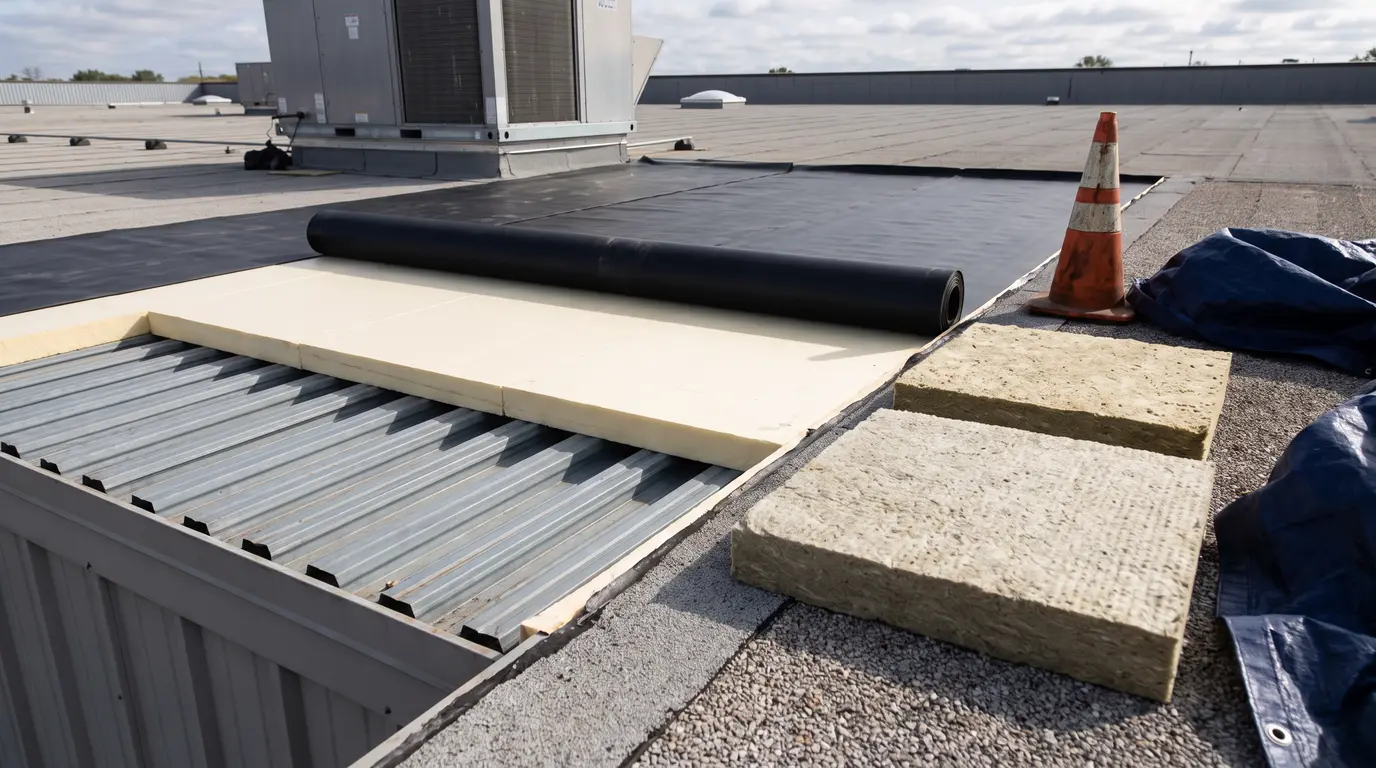
At its core, TPO is a single-ply roofing membrane made from a blend of plastic and rubber-like materials. This membrane is manufactured into large sheets that are rolled out and installed over a flat or low-sloped roof.
One of the key features of TPO membranes is their light color, usually white or light gray. This isn’t just an aesthetic choice. The light color reflects sunlight, which helps reduce heat absorption and keeps the building cooler during hot weather. This can lead to noticeable savings on air conditioning costs.
TPO creates a continuous, waterproof barrier over your roof, which is essential for flat or low-sloped roofs where water drainage is slower and pooling can occur. Having a strong, water-resistant roof surface helps prevent leaks and water damage that can lead to costly repairs.
Why Has TPO Roofing Become So Popular?
There are several reasons why TPO has become a favorite among roofing professionals and building owners:
- Energy Efficiency: Because TPO membranes reflect sunlight, they help reduce the temperature inside buildings. This makes TPO an excellent choice in warmer climates or for buildings that want to lower cooling costs.
- Durability: TPO is tough. It resists tears, punctures, hail, and damage caused by foot traffic better than many other roofing materials. This durability translates into a longer-lasting roof.
- Weather Resistance: TPO stays flexible even when temperatures drop, which helps prevent cracking in colder weather. It also performs well in rain, wind, and sun exposure.
- Chemical Resistance: In commercial settings such as restaurants or industrial buildings where grease, oils, or chemicals might come into contact with the roof, TPO holds up well and resists damage.
- Varied Installation Methods: TPO is versatile in how it can be installed. Roofers can mechanically attach it with screws, fully adhere it with adhesives, or ballast it with heavy materials. This flexibility means it can be tailored to different roof types and budgets.
- Cost Effectiveness: Compared to some other roofing membranes like PVC, TPO usually comes with a lower price tag, making it attractive for those managing a tighter budget.
How Is TPO Roofing Installed?
Installing a TPO roof involves rolling out large sheets of the membrane over the prepared roof surface. The installation method will depend on the roof structure and preferences:
- Mechanically Attached: This involves fastening the membrane with screws and plates to the roof deck. It is usually faster and more affordable.
- Fully Adhered: The membrane is glued directly to the substrate with adhesives. This method provides a strong bond and is excellent for roofs with complex shapes or where wind uplift is a concern.
- Ballasted: Heavy materials such as gravel or pavers are placed on top of the membrane to hold it in place. This method adds weight but may be used in certain situations.
One of the most critical parts of TPO installation is sealing the seams. The sheets overlap and the edges are heat welded to create a watertight, seamless barrier. This welding process is crucial to the roof’s waterproofing performance and overall longevity.
How Long Can You Expect a TPO Roof to Last?
A well-installed and well-maintained TPO roof can last anywhere between 15 and 30 years. The actual lifespan depends on factors such as installation quality, local climate, exposure to UV rays, and routine maintenance.
Regular inspections can help catch minor issues before they become major problems, helping extend your roof’s life. Cleaning the membrane occasionally to remove dirt and debris will also help maintain its reflective qualities.
What Is the Cost of a TPO Roof?
When it comes to cost, TPO roofing generally falls between 5 and 9 dollars per square foot. This estimate includes materials and labor but can vary widely based on your roof size, complexity, geographic location, and the installation method chosen.
TPO is usually more affordable than PVC roofing but still offers many similar benefits, making it a solid middle-ground option for many building owners who want durability and energy efficiency without the higher price tag.
What Are the Advantages and Drawbacks of TPO Roofing?
Here is a straightforward look at the key benefits and considerations of TPO roofing:
Advantages:
- Reflects sunlight effectively, reducing cooling costs
- Durable and resistant to physical damage like tears and punctures
- Flexible in different weather conditions, including cold
- Resistant to chemicals, oils, and UV damage
- Offers multiple installation methods to suit different roofs
- Often more affordable than similar roofing membranes
Considerations:
- Early versions of TPO membranes sometimes had issues with seam failures, but modern products are much improved
- May not last quite as long as PVC in some cases, though the difference can be small
- Proper seam welding is essential to prevent leaks
- Reflective membranes need periodic cleaning to maintain their energy efficiency
- Not as widely available in color options beyond white and light gray
Is TPO Roofing a Good Fit for You?
If you have a flat or low-sloped roof and want a roofing solution that offers energy savings, good durability, and a reasonable price, TPO is worth considering. It is especially popular for commercial buildings like warehouses, office spaces, and retail locations but can also work for some residential applications, such as garages and patios.
Choosing the right roofing material depends on your budget, climate, roof design, and long-term goals. Consulting with an experienced roofing professional will help you weigh all these factors and make the best decision for your needs.
Final Thoughts
TPO roofing stands out as a strong, versatile choice for flat and low-sloped roofs. Its energy-saving capabilities, resistance to weather and chemicals, and affordability have made it a favorite among many building owners.
To get the most out of your TPO roof, make sure you hire a qualified installer who understands the nuances of the material and seam welding. With proper installation and maintenance, your TPO roof can protect your building efficiently for many years.