If your roof has been damaged by a storm, wind, or fallen tree, the first question that likely comes to mind is: will my homeowners insurance cover a new roof? It’s a fair question. And a critical one. Roof replacements are expensive. Depending on the size and material, you could be looking at anywhere from $6,000 to $20,000 or more.
The good news? In many cases, yes, insurance will pay for a new roof. But there’s a catch. Your claim needs to meet certain conditions, and what’s covered can vary widely depending on your policy, the age of your roof, and how the damage occurred.
Let’s break it all down, step by step.
When Does Homeowners Insurance Cover Roof Replacement?
Generally speaking, homeowners insurance covers roof damage if it was caused by a sudden, unexpected event. This usually includes:
- Windstorms
- Hail
- Falling trees or limbs
- Fire
- Vandalism
If your roof was in good shape before the incident and the damage was unavoidable, you have a solid chance of getting your insurance to pay for either repairs or a full replacement.
Example:
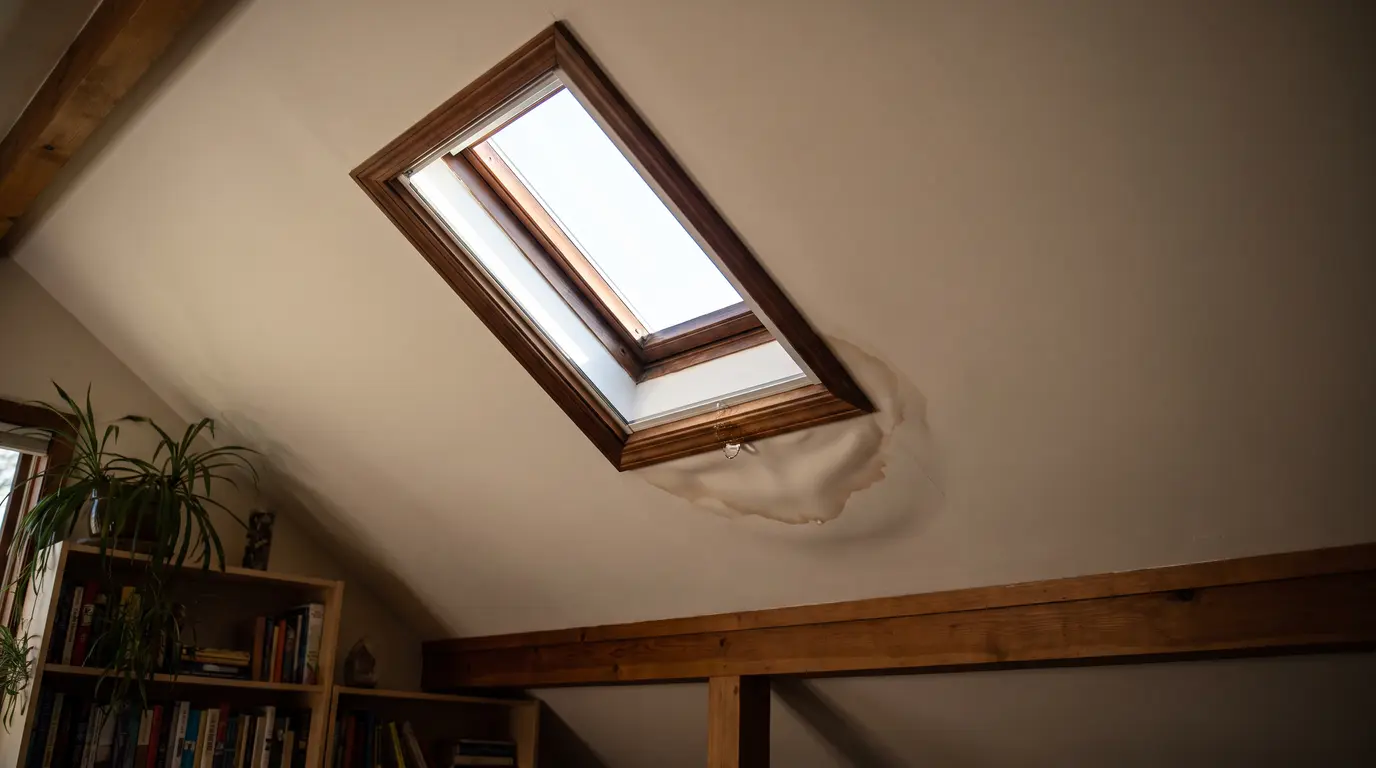
A strong thunderstorm rolls through and knocks a large branch onto your roof. The shingles are torn, and there’s a leak forming in your attic. In this case, your insurer will likely cover the cost of repairs or possibly even a full replacement, depending on the severity.
What Insurance Doesn’t Cover
Here’s where things get tricky. Most policies do not cover roof damage caused by:
- General wear and tear
- Lack of maintenance
- Old age
- Improper installation
- Long-term water leaks or rot
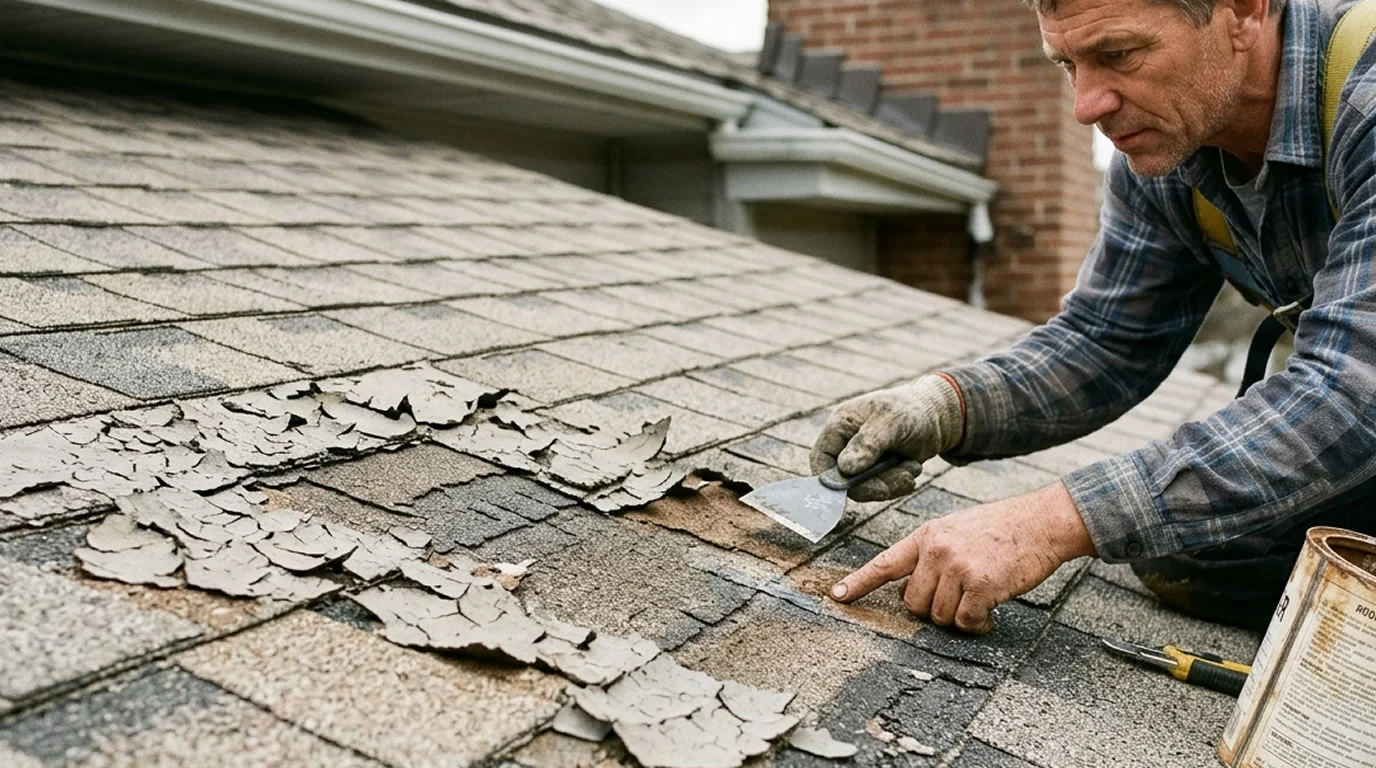
If your roof is already past its expected lifespan and starts leaking because of deteriorated materials, your insurer probably won’t help. They may also deny your claim if there’s clear evidence the issue was preventable.
Tip: If you haven’t had your roof inspected in years, now’s a good time. Many policies require proof of maintenance when you file a claim.
Roof Age Matters More Than You Think
Insurance companies care about how old your roof is. In fact, many policies include specific clauses that limit or deny coverage based on roof age.
Here’s how it typically breaks down:
- Less than 10 years old: Often covered at full replacement value (minus your deductible)
- 10 to 20 years old: Might be subject to depreciation or partial coverage
- Over 20 years old: May only be covered at actual cash value or denied altogether
Some insurers even refuse to cover roofs over 25 years old unless you’ve replaced them or proven consistent maintenance.
Takeaway: Keep records. Save your roof replacement receipts, inspection reports, and maintenance logs. It can be the difference between a paid claim and a denied one.
Actual Cash Value vs. Replacement Cost
Your policy will fall into one of two categories when it comes to payouts.
1. Actual Cash Value (ACV)
This means the insurer reimburses you for the roof’s current value, factoring in depreciation. If your roof was 15 years old, for example, you’ll only get what that aged roof was worth. Not what it costs to replace it.
2. Replacement Cost Value (RCV)
This coverage pays the full cost to replace your roof with a similar one, regardless of depreciation. You may have to cover the deductible and any upgrades, but otherwise, it’s a better deal.
Not sure which one you have? Call your insurance provider and ask. It’s a quick call that can save you thousands later.
Types of Homeowners Insurance and Roof Coverage
Not all insurance policies are created equal. The type of homeowners insurance you have will directly impact whether your roof is covered, how much is reimbursed, and what kind of damage qualifies for replacement.
HO-1: Basic Form
This is the most limited type of policy and is rarely used today. It only covers damage from a small list of named perils like fire, wind, or hail. It usually does not include personal property or liability coverage and may not cover roof damage caused by anything not explicitly listed.
What it covers for roofs:
- Wind
- Hail
- Fire
- Smoke
- Falling objects
Best for: Older homes where limited coverage is acceptable and cost is the primary concern.
HO-2: Broad Form
This type of policy expands the list of perils beyond HO-1. It still only covers named perils but adds protection for more events like ice or snow weight, accidental water damage, and electrical surges.
Roof coverage includes:
- All HO-1 perils
- Accidental water damage
- Ice damming or snow buildup
- Cracked pipes or plumbing-related roof leaks
Limitations: Still excludes damage caused by age, neglect, or poor installation.
HO-3: Special Form (Most Common)
This is the most popular type of homeowners insurance in the U.S. It provides “all-risk” coverage for your dwelling. That means it covers everything unless it is specifically excluded. That gives you the broadest protection for roof damage.
Covered roof issues:
- Wind and hail
- Fire and smoke
- Tree falls
- Vandalism
- Accidental damage
Exclusions to watch for:
- Wear and tear
- Poor workmanship
- Gradual leaks or mold
Pro tip: If you want comprehensive protection for your roof, HO-3 policies are often the most balanced option.
HO-5: Comprehensive Form
This policy is a step above HO-3 and offers the highest level of protection for both your structure and personal property. It also typically includes higher coverage limits and faster payouts.
Best suited for: High-value homes, modern builds, or newer roofs.
HO-8: Modified Coverage Form
Designed for older homes that would be difficult or expensive to rebuild with original materials. This type of insurance often reimburses roof damage at actual cash value, not replacement cost.
Important: If your home falls under HO-8, double-check if your roof is covered for full replacement or not. You may need supplemental coverage.
What’s the Process for Filing a Roof Claim?
If you think your roof damage qualifies for coverage, don’t wait. Timing is everything. Here’s what to do.
Step 1: Review Your Policy
Start by reading the fine print. Look for exclusions, deductible amounts, and coverage limits. If anything’s unclear, call your insurance rep.
Step 2: Document the Damage
Take clear photos and videos of the damage. Capture wide shots, close-ups, and any interior water damage. If the cause was a storm, download a weather report or news article confirming the event.
Step 3: Schedule a Roof Inspection
Hire a licensed roofing contractor to inspect the damage. Many offer free inspections and will give you a written estimate. Ask them if they’ve worked with insurance claims before.
Step 4: File the Claim
Contact your insurer and start the claim process. Provide your documentation and any roofer reports.
Step 5: Meet With the Adjuster
Your insurance company will send out an adjuster to assess the damage. It’s smart to have your roofing contractor there to walk the roof with them. That way, nothing gets missed.
Step 6: Get the Estimate and Settle
Once the adjuster completes their report, you’ll get an estimate. This will outline what’s covered, how much they’re paying, and what your out-of-pocket costs are. If you have RCV, you’ll usually receive an initial payment and a second payment after the work is completed.
What If My Claim Is Denied?
It happens. But a denial doesn’t always mean the end of the road. Here’s how to respond.
- Ask for the denial in writing with specific reasons
- Get a second opinion from another roofing contractor
- File an appeal if you believe your claim was wrongly denied
- Hire a public adjuster to negotiate on your behalf
- File a complaint with your state’s insurance board if needed
You have the right to challenge a decision, especially if the damage was caused by a valid, covered event.
How to Strengthen Your Case Before a Storm Ever Hits
Want to make things easier when disaster strikes? Start preparing now. Here’s how.
- Get regular roof inspections (at least once a year)
- Fix minor issues early to avoid major damage
- Keep detailed records of repairs and maintenance
- Take “before” photos of your roof each year
- Trim trees and clean gutters to reduce risk of impact and water backup
The more documentation you have, the smoother your claim will go.
Common Questions About Roof Insurance Claims
Q: Does insurance pay for roof leaks?
Yes, but only if the leak was caused by a covered event. A leak from old shingles won’t be covered, but one caused by storm damage probably will.
Q: What if I have solar panels on my roof?
Some policies cover damage to solar panels, but not all. It’s best to check your policy or purchase separate coverage if needed.
Q: Can I choose my own roofing contractor?
Yes. You are not required to use the contractor your insurance company recommends. Choose a roofer with experience handling insurance claims.
Q: Will my rates go up if I file a roof claim?
Possibly. If the damage was caused by a widespread weather event, it may not impact your premiums much. But frequent claims or questionable damage could lead to a rate increase or non-renewal.
Final Thoughts: Will Insurance Pay for Your New Roof?
In many cases, yes. If your roof has been damaged by wind, hail, or another covered event, and you’ve maintained it over the years, there’s a strong chance your insurance company will help cover the cost.
That said, roof insurance claims can be complex. The age of your roof, the type of policy you have, and how well you document the damage all play a major role in whether your claim is approved. And how much you’ll get paid.
Take the time to understand your policy before a storm hits. Maintain your roof regularly you can see this guide with some tips to help your roof last longer. And when disaster does strike, act quickly and work with professionals who know how to navigate the claims process.
The more prepared you are, the better your chances of getting your roof replaced with as little financial stress as possible.