Inspecting your roof is one of the most important steps in home maintenance. A well-maintained roof can prevent leaks, structural damage, and costly repairs. Minor problems can become major headaches if ignored, but identifying issues early can save thousands of dollars. With technology advancing, homeowners now have access to a wide range of tools, from simple handheld cameras to advanced drones with thermal imaging, making roof inspections safer and more accurate.
In this comprehensive guide, we will explore the best roof inspection cameras and drones for homeowners, compare their features, explain practical use scenarios, and provide tips for safely inspecting your roof.
Why Roof Inspections Are Crucial
A roof is more than just a protective layer over your home; it is a key part of your home’s structure. Regular roof inspections help you:
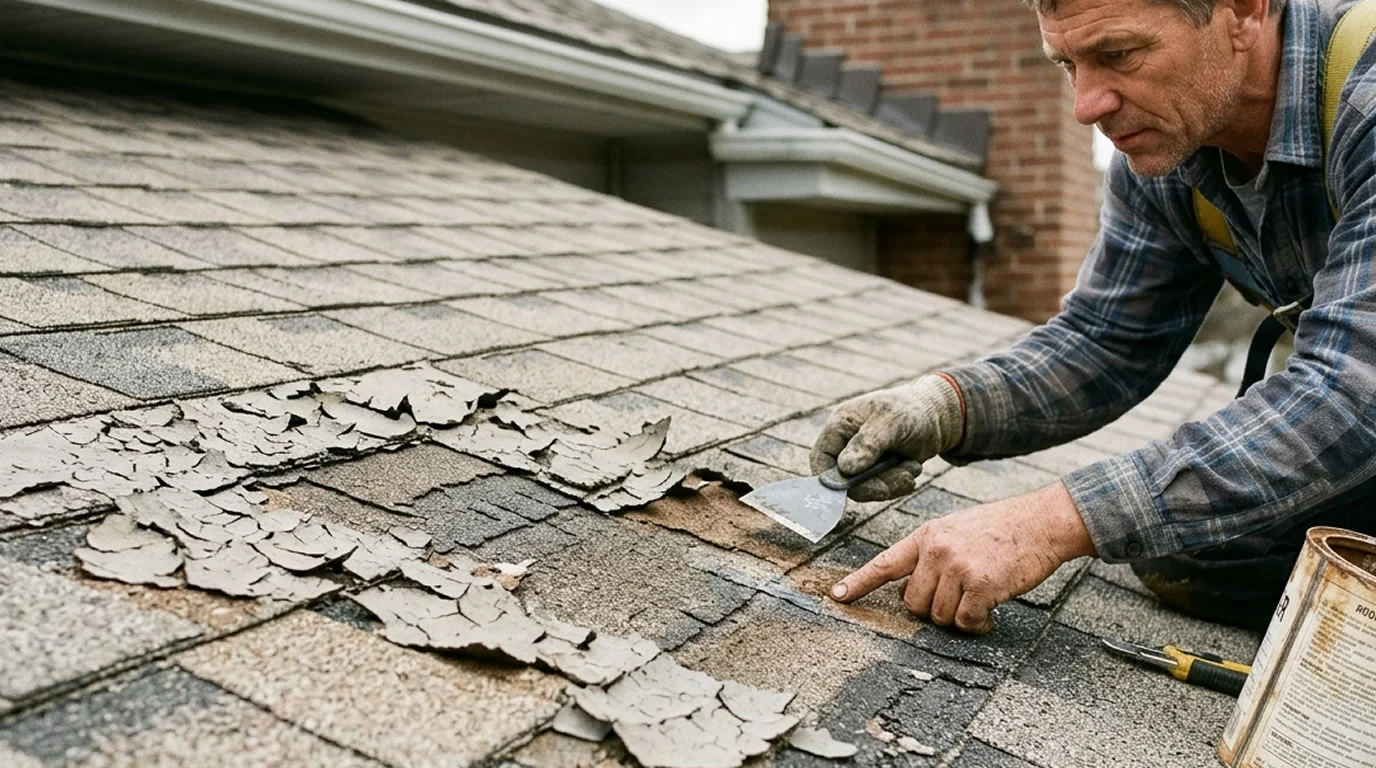
- Identify damaged shingles, leaking areas, or deteriorating flashing.
- Detect minor problems before they become costly repairs.
- Maintain the value of your home and avoid insurance claim disputes.
- Improve energy efficiency by spotting insulation or ventilation issues.
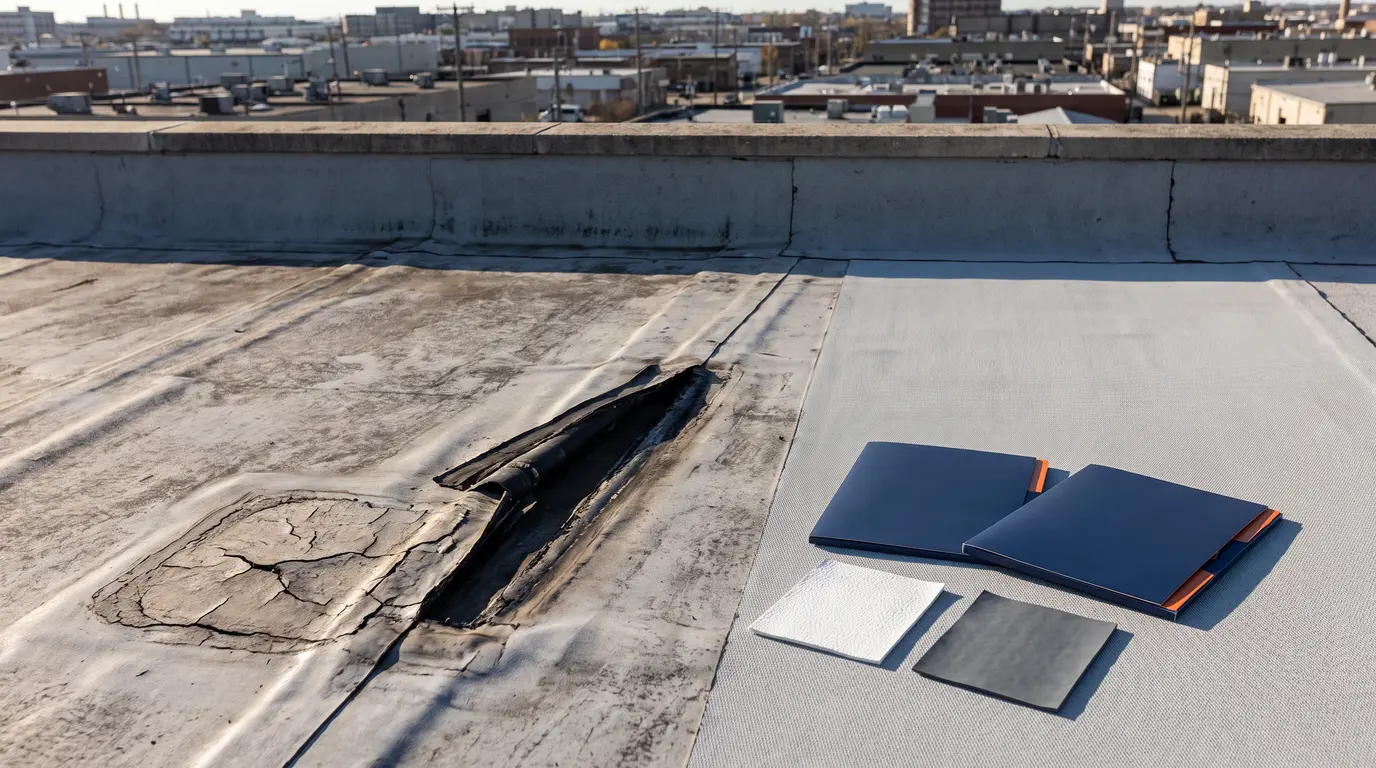
Even small leaks, if ignored, can lead to water damage, mold growth, and structural problems. A proper inspection, done at least once a year or after a storm, can prevent these issues.
Types of Roof Inspection Tools
Homeowners have a variety of options when it comes to inspecting their roof:
- Handheld Cameras – Portable and budget-friendly for inspecting small areas like vents and gutters.
- Telescopic Cameras – Extendable cameras for elevated views without climbing ladders.
- Consumer Drones – Aerial drones for full rooftop coverage and high-resolution imaging.
- Thermal Cameras – Detect hidden leaks, moisture, or insulation gaps.
- Drones with Thermal Imaging – Combine aerial coverage with thermal detection for professional-level inspections.
ℹ️Disclosure: Links below earn us a small commission
Handheld Cameras
Handheld cameras are perfect for homeowners who need to inspect tight spaces or smaller areas without climbing onto the roof. They are easy to use and budget-friendly.
Top Recommendations:
- DEPSTECH Wireless Endoscope: Flexible, Wi-Fi compatible, 1080p resolution, great for vents and eaves.
- Teslong Inspection Camera: Semi-rigid cable, works with iOS/Android, crystal-clear output for detailed inspections.
Pros:
- Portable and lightweight
- Ideal for gutters, vents, and chimneys
- Quick setup
Cons:
- Limited reach
- Cannot inspect the entire roof
Usage Scenario: Perfect for checking for minor leaks around vents, chimneys, or in gutters after a storm.
Telescopic Cameras
Telescopic cameras allow for ground-level inspection of your roof, making them safer for multi-story homes. The camera extends on a pole, often up to 30 feet.
Top Recommendations:
- Skybasic Telescopic Inspection Camera: Rotatable head, works with smartphone apps, up to 30-foot reach.
- Teslong Two-Way Articulating Borescope with Light: Durable, slightly more expensive, great for long-term use.
Pros:
- Safe, no ladder needed
- Extended reach for taller homes
- Rotatable heads capture multiple angles
Cons:
- Bulkier than handheld cameras
- Cannot provide full aerial perspective
Usage Scenario: Ideal for spotting missing shingles or damaged flashing on two-story homes, especially after heavy wind or hail.
Consumer Drones
Drones offer full aerial views of your roof, perfect for larger properties or complex roof structures. Most consumer drones provide high-resolution imaging and video for detailed inspection.
Top Recommendations:
- DJI Mini 3 Pro: Lightweight, 4K camera, obstacle avoidance, easy to fly.
- Holy Stone HS720E: Affordable, 4K camera, decent battery life, great for beginners.
- DJI Air 2S: Premium, 5.4K video, excellent for large or multi-story roofs.
Pros:
- Complete aerial coverage
- High-resolution photos and video
- Fast inspections for large areas
Cons:
- Learning curve for flying
- Expensive
- Regulated in some areas (check local drone laws)
Usage Scenario: Inspecting a multi-story home after a storm for hail damage or leaks, providing a complete visual record for insurance claims.
Thermal Cameras
Thermal cameras are specialized tools that detect hidden leaks, moisture, and insulation problems by showing temperature differences.
Top Recommendations:
- FLIR One Pro: Attaches to smartphones, accurate thermal imaging.
- Seek Thermal CompactPro: Compact, budget-friendly, smartphone compatible.
Pros:
- Detects hidden damage not visible to the naked eye
- Can identify insulation issues and water intrusion
Cons:
- Cannot see visual damage
- Moderate learning curve
Usage Scenario: Checking for leaks under shingles or moisture in the attic before winter to prevent mold growth and higher energy bills.
Drones with Thermal Imaging
These combine aerial views with thermal detection, providing the most comprehensive inspection tool for homeowners.
Top Recommendations:
- DJI Mavic 3 Enterprise Thermal: Excellent thermal sensor, long battery life, premium option.
- Autel Evo II Dual Thermal: 8K visual camera plus thermal sensor, versatile for complex roofs.
Pros:
- Full rooftop coverage
- Detect hidden leaks or insulation gaps
- Professional-grade inspections
Cons:
- High cost
- Short battery life
- Requires skill and practice
Usage Scenario: Ideal for large or commercial-style residential properties, or when preparing for a full roof replacement.
Comparing All Products
| Product Type | Pros | Cons | Best For | Price Range |
|---|---|---|---|---|
| Handheld Inspection Camera | Portable, easy | Limited reach | Gutters, vents | $50–$200 |
| Telescopic Inspection Camera | Safe, extended reach | Bulkier | Multi-story homes | $100–$400 |
| Consumer Drone | Aerial view, high resolution | Expensive, skill needed | Large roofs | $300–$1,200 |
| Thermal Camera | Detects hidden damage | Cannot show ordinary visual issues | Moisture and insulation | $200–$600 |
| Drone with Thermal Imaging | Full roof coverage and thermal imaging | Expensive, short battery duration | Large and commercial roofs | $1,500–$4,000 |
Real-World Roof Inspection Scenarios
- After a Storm: Use drones for aerial coverage and handheld cameras to check gutters and vents for debris. Thermal imaging can detect hidden water damage.
- Seasonal Maintenance: Inspect the roof in spring and fall to catch minor damage before it worsens. Telescopic cameras are safe for routine checks.
- Before Buying a Home: A drone with a camera and thermal imaging can detect hidden issues like moisture, leaks, or poor insulation.
- Energy Audits: Thermal cameras help identify areas of heat loss in your roof or attic.
DIY Roof Inspection Safety Tips
Safety should always come first:
- Never climb a steep roof without proper equipment.
- Use ladders on stable, level surfaces.
- Wear gloves, non-slip shoes, and safety glasses.
- Avoid inspections in bad weather.
- Use telescopic cameras or drones instead of climbing whenever possible.
- Always have a spotter if climbing is necessary.
Choosing the Right Tool
Factors to consider:
- Roof Size and Complexity: Large or multi-story roofs benefit from drones.
- Budget: Handheld and telescopic cameras are budget-friendly.
- Inspection Goals: Visual only? Handheld or telescopic cameras. Detect hidden leaks? Thermal cameras or drones with thermal imaging.
- Technical Comfort: Drones and thermal cameras require skill.
Pro Tip: Using a combination of a telescopic camera and a small drone covers both ground-level and aerial inspections efficiently.
Product Comparison Insights
- Handheld Cameras: Best for small areas and tight spaces.
- Telescopic Cameras: Good for medium-sized homes and safer inspections.
- Consumer Drones: Ideal for fast, full-roof inspections.
- Thermal Cameras: Detect hidden water damage or insulation problems.
- Drones with Thermal Imaging: Full coverage and thermal detection for maximum safety and accuracy.
Examples:
- Teslong vs DEPSTECH: Teslong provides clearer imaging; DEPSTECH is budget-friendly.
- Skybasic vs Rotech: Skybasic is ideal for casual users; Rotech is more durable.
- DJI Mini 3 Pro vs Holy Stone HS720E: DJI is beginner-friendly; Holy Stone is affordable.
- FLIR One Pro vs Seek Thermal: FLIR is precise; Seek Thermal is compact and portable.
- DJI Mavic 3 Enterprise vs Autel Evo II: Mavic is premium; Autel is versatile and excellent for complex roofs.
Conclusion
Roof inspections are essential for preventing costly repairs, maintaining your home’s value, and ensuring safety. Modern tools such as handheld cameras, telescopic cameras, consumer drones, thermal cameras, and drones with thermal imaging make inspections accessible for homeowners.
By choosing the right tool based on roof size, inspection goals, and technical comfort, you can identify minor problems early, plan repairs or replacements, and even improve your home’s energy efficiency.
Regular inspections, combined with the right technology, keep your roof in top condition, saving you time, money, and stress. If you prefer to let a professional handle it you can get a free quote for a roof inspection or browse top rated roofers who specialize in roof inspections.