The best commercial roof repair proposal is not necessarily the one with the lowest total. It is the one that clearly explains the roof problem, identifies the affected areas, describes a suitable repair, and shows what is included, excluded, and covered by warranty.
Start by putting every proposal into the same categories and comparing equivalent work. A proposal that costs less may simply address a smaller area or leave important conditions for later. Look closely at the diagnosis, repair scope, materials, exclusions, allowances, warranties, and long term suitability for the building.
Start with an apples to apples comparison
Before comparing prices, confirm that each contractor is proposing work for the same roof area and the same repair objective. A useful comparison should identify the affected roof section, observed condition, repair method, materials, flashing and detail work, drainage related work, schedule, cleanup, documentation, warranty, exclusions, allowances, and payment terms.
The article compare roofing estimates by scope offers a broader framework for normalizing competing estimates. Its focus is roof replacement, so use it as a comparison resource rather than as a repair specific standard.
| Comparison item | What to look for in each proposal | Why it affects the decision |
|---|---|---|
| Documented problem | Specific roof area, observed defect, photographs or another inspection basis, and an explanation of the suspected source | Shows whether the proposal addresses a diagnosed condition rather than only a symptom. |
| Repair scope | Preparation, removal, patching, seam or flashing work, penetrations, drainage components, and completion criteria | Reveals whether proposals include equivalent work. |
| Materials and compatibility | Product names or specifications, repair materials, compatibility with the existing roof, and installation approach | Helps identify whether the repair fits the existing roof assembly. |
| Exclusions and allowances | Decking, wet insulation, structural work, HVAC or electrical coordination, hazardous materials, and change order pricing | Identifies costs and risks that may appear after work begins. |
| Warranty | Issuer, covered work, remedy, term, maintenance obligations, exclusions, and effects on an existing warranty | Prevents owners from treating different warranty promises as equivalent. |
| Long term suitability | Whether the work is a localized repair or part of a broader recurring condition | Helps compare immediate leak control with future capital needs. |
| Project execution | Schedule, building access, weather protection, cleanup, documentation, and owner responsibilities | Shows the operational impact of the work. |
Not every proposal needs to use the same terminology, and not every listed item applies to every repair. The goal is to compare equivalent scope and obtain written clarification when an item is not applicable.
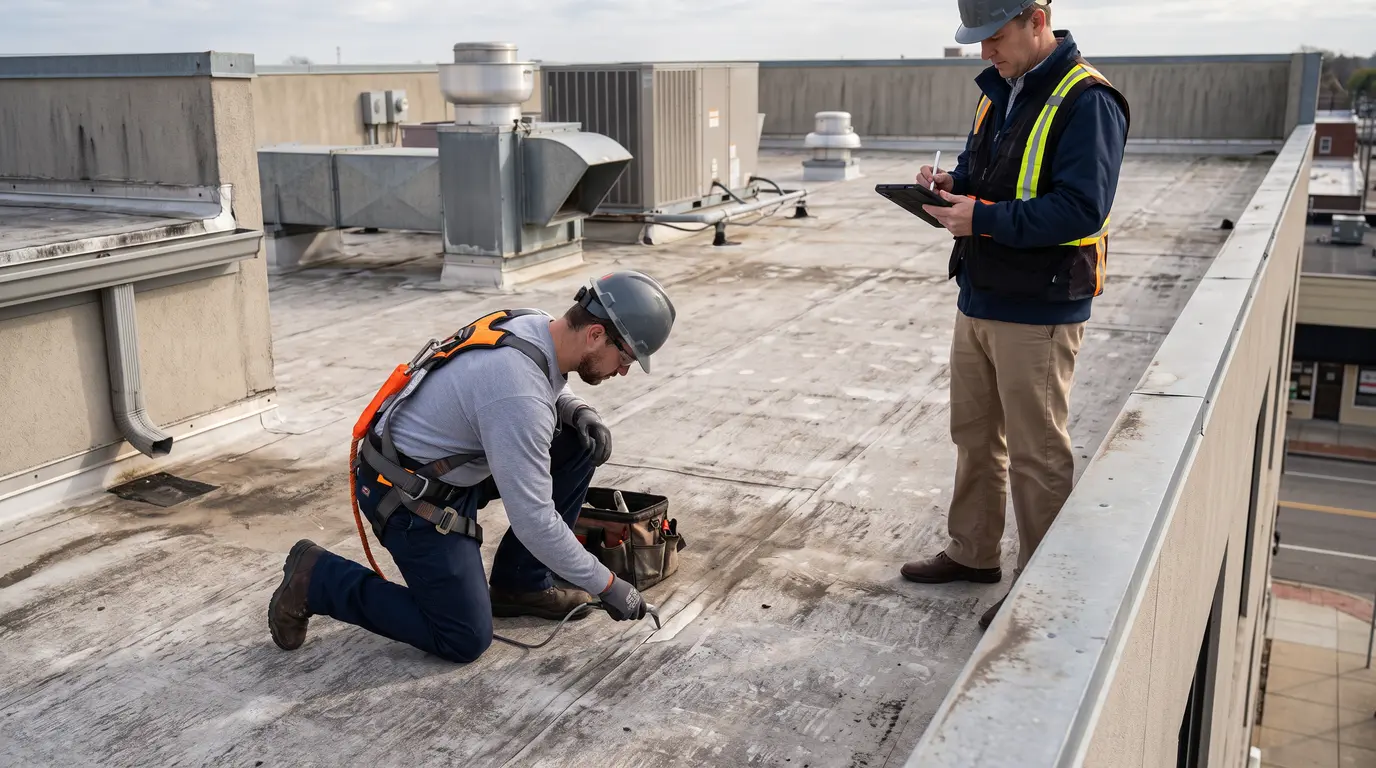
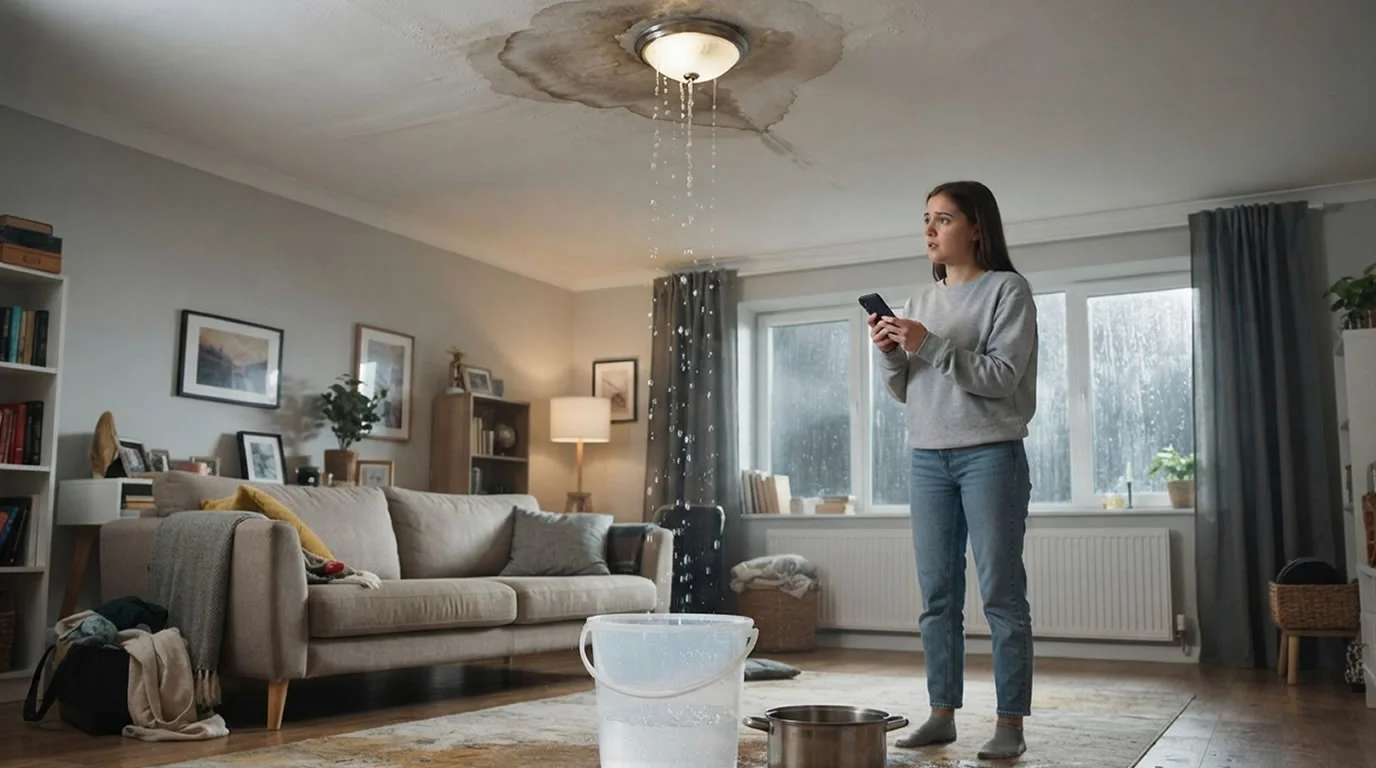
A ceiling stain or interior leak location does not always identify the source on the roof. Ask the contractor to describe the inspection basis and explain how the suspected leak source was traced. The proposal may refer to membrane defects, failed seams or laps, flashing defects, penetrations, drainage, or other roof system components.
Useful supporting information can include photographs, roof area descriptions, marked plans, moisture survey information when performed, and a description of adjacent areas that were evaluated. A proposal that only says repair leak gives you little basis for deciding whether the cause has been addressed.
Useful question: What specific condition did you find, where is it located, and what evidence connects that condition to the reported leak?
The National Roofing Contractors Association guidance on roof repair and maintenance can help explain why diagnosis and the surrounding roof system matter when reviewing a proposed repair.
Read the repair scope line by line
Look for the work required to prepare the area, remove failed material when needed, install the repair, seal seams, address flashings and penetrations, and leave the roof watertight. Depending on the documented condition, relevant details may include drains, scuppers, edge metal, walkway pads, curbs, rooftop equipment interfaces, and adjacent materials.
Only include components relevant to the documented condition. A complete proposal does not mean replacing every roof component. It means clearly stating which parts are being repaired, which parts were inspected, and what completion standard applies.
Also separate emergency work from permanent work. If one proposal includes temporary protection or emergency drying and another includes only permanent repair, the totals are not directly comparable. Ask what is temporary, what is permanent, and whether temporary work will be credited toward the final repair.
Compare materials and compatibility
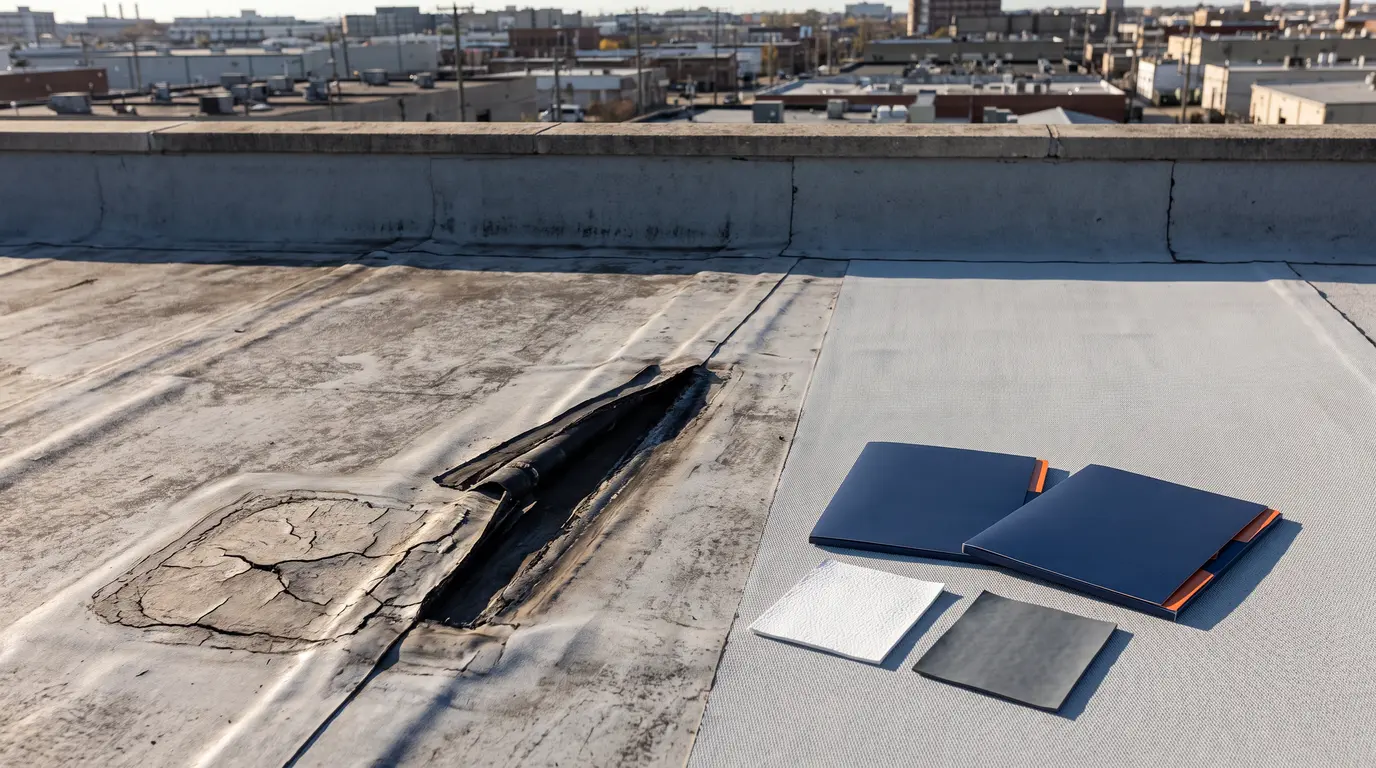
The proposal should identify the repair materials or relevant product specifications and describe how they will be installed. Compare those materials with the existing roof assembly and look for an explanation of compatibility. A repair that does not fit the existing system may create a different set of questions even when the visible defect is sealed.
If the repair involves a roof system covered by an existing manufacturer warranty, ask whether the proposed materials and installation approach preserve, modify, or void that warranty. Request written clarification instead of relying on a general statement that the repair is warranted.
Review exclusions, allowances, and change orders
An exclusion is not automatically a problem. It identifies work that may become a separate cost or remains unresolved. Common examples include deck or structural repairs, wet insulation, asbestos abatement, electrical work, HVAC relocation, and other conditions that may not be fully visible before the roof is opened.
Ask whether each excluded item was inspected, why it is excluded, and how additional work will be priced and approved. The proposal should explain whether concealed damage is billed using unit prices, negotiated rates, or time and materials. Also confirm who must approve a change before the work proceeds.
Useful question: If opening the roof reveals wet insulation or damaged decking, what is the unit price and who must approve the change?
Compare warranty coverage, not just warranty length
Commercial roof warranties may come from different parties and cover different risks. A manufacturer warranty generally concerns defects in covered roofing materials. A contractor warranty generally concerns workmanship or installation. The two promises are not automatically equivalent, even when they list a similar term.
Ask who responds to a claim, what repairs or replacement costs are included, what remedy is available, and what the owner must do to keep the warranty in effect. Review requirements for inspections, maintenance records, approved contractors, manufacturer review, unauthorized alterations, additional penetrations, severe weather, ponding, and lack of maintenance.
Request the actual warranty or a specimen document rather than relying only on the proposal summary. The National Roofing Contractors Association warranty resources provide general context, while the specific coverage comes from the documents for the proposed project.
Maintenance obligations deserve particular attention. NRCA guidance identifies a formal long term maintenance agreement as one way building owners can support roof performance and plan repairs. It does not guarantee that every leak will be prevented or that every warranty will be preserved, so compare the maintenance duties in the actual warranty documents.
Consider drainage and long term suitability
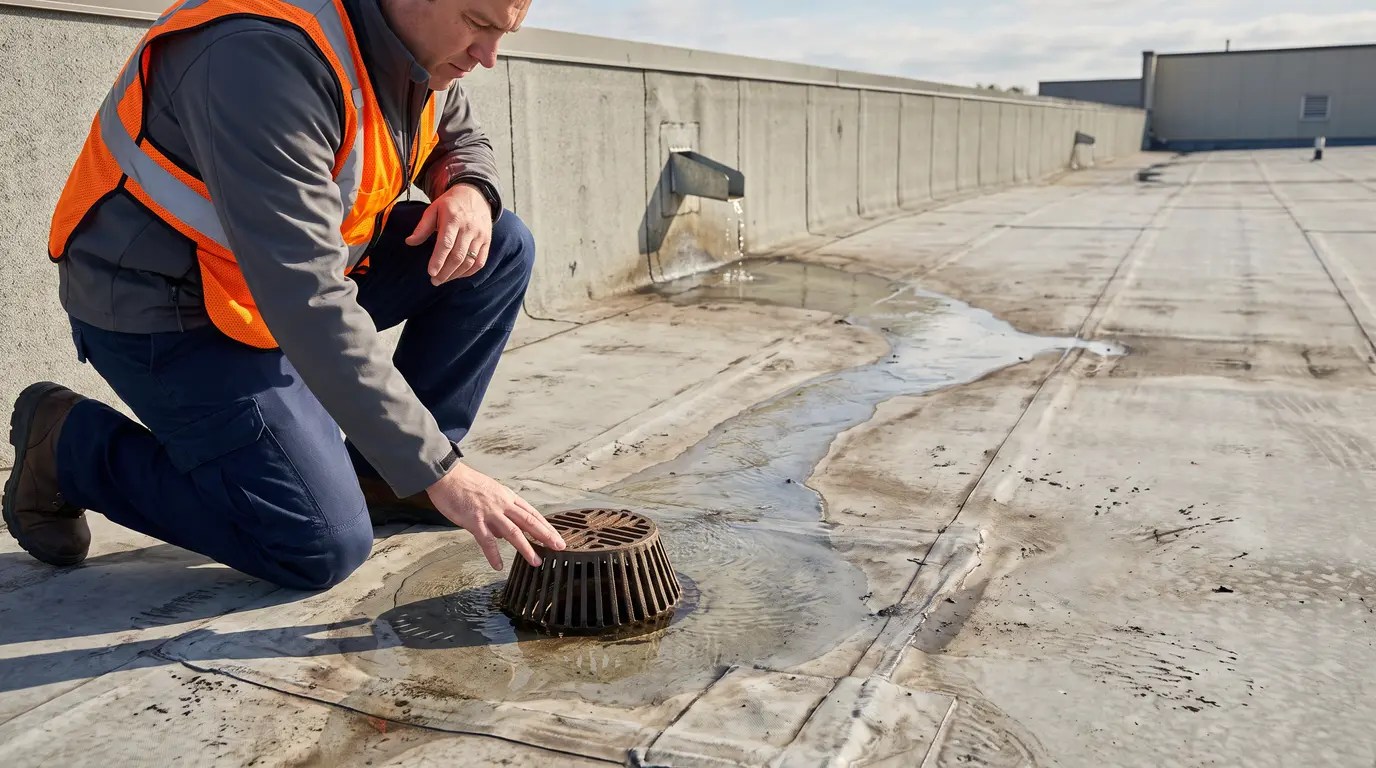
A localized patch may be appropriate when the documented condition is localized. It deserves more scrutiny when the proposal describes repeated leakage, widespread membrane deterioration, wet insulation, recurring ponding, failed drainage components, or an aging roof system.
The question is not whether every repair must include drainage changes or moisture testing. The question is whether the proposal addresses the conditions that could make the repair temporary or incomplete. You can evaluate commercial roof drainage as a separate planning step, while recognizing that the linked resource does not replace project specific structural or engineering review.
When the roof problem appears broader than one defect, compare the repair with rehabilitation, recovery, or replacement options. The guide to compare repair, recovery, and replacement options can help frame that decision, but it does not determine whether a particular repair proposal is adequate.
Confirm how the work will affect the occupied building
Commercial roof work can affect building operations even when those effects are not part of the roofing total. Compare expected work hours, access requirements, protection of tenants and contents, noise or odor concerns, rooftop equipment coordination, cleanup, and how weather protection will be maintained during the work.
Confirm responsibilities outside the roofing contractor’s scope as well. HVAC, electrical, structural, fire protection, hazardous material, permit, and engineering responsibilities may be assigned differently by contract and local requirements. Treat these as items to verify rather than assuming they are included or excluded.
Move from proposal to contract carefully
Once you select a proposal, make sure the final agreement carries forward the scope, materials, completion criteria, warranty documents, exclusions, allowances, change order process, schedule, cleanup, and owner responsibilities. The proposal should not be the only place where important promises appear.
Before signing, review the roofing contract before signing. That resource focuses on replacement contracts, but its discussion of scope, payment timing, warranties, cleanup, permits, and unexpected work can help identify terms that may also need clarification in a commercial repair agreement.
Use cost tools only for preliminary planning
A cost planning tool can help you organize an early budget conversation, but it cannot replace a site specific proposal. You can use the roof cost calculator for preliminary planning. Its ability to model specialized repair scopes and its calculation methodology are not established here, so use the result as a planning reference rather than a quote.
Frequently asked questions
What is the difference between a contractor workmanship warranty and a manufacturer warranty?
A contractor workmanship warranty generally addresses installation or workmanship. A manufacturer warranty generally addresses defects in covered roofing materials. Review the actual documents for the issuer, remedy, exclusions, maintenance duties, and claim process because coverage varies by project and roofing system.
Which exclusions and allowances deserve the most attention?
Focus on concealed conditions that could change the cost, including wet insulation, damaged decking, structural work, hazardous materials, HVAC coordination, and electrical work. Confirm how each item will be priced and who must approve additional work before it proceeds.
When should a repair proposal trigger a broader repair, recovery, or replacement review?
Consider a broader review when the proposal identifies repeated leakage, wet insulation, widespread membrane deterioration, drainage problems, or an aging roof system. The purpose is to compare the immediate repair with the building’s longer term roof needs rather than judging the proposal only by whether it may stop one reported leak.
The strongest proposal gives you enough information to understand the condition, the promised repair, the unresolved risks, and the responsibilities that continue after the work is complete. Normalize the scopes first, ask written questions about unknown conditions and warranties, and choose based on the solution that best fits the documented roof problem and the building’s long term needs, not simply the lowest total.