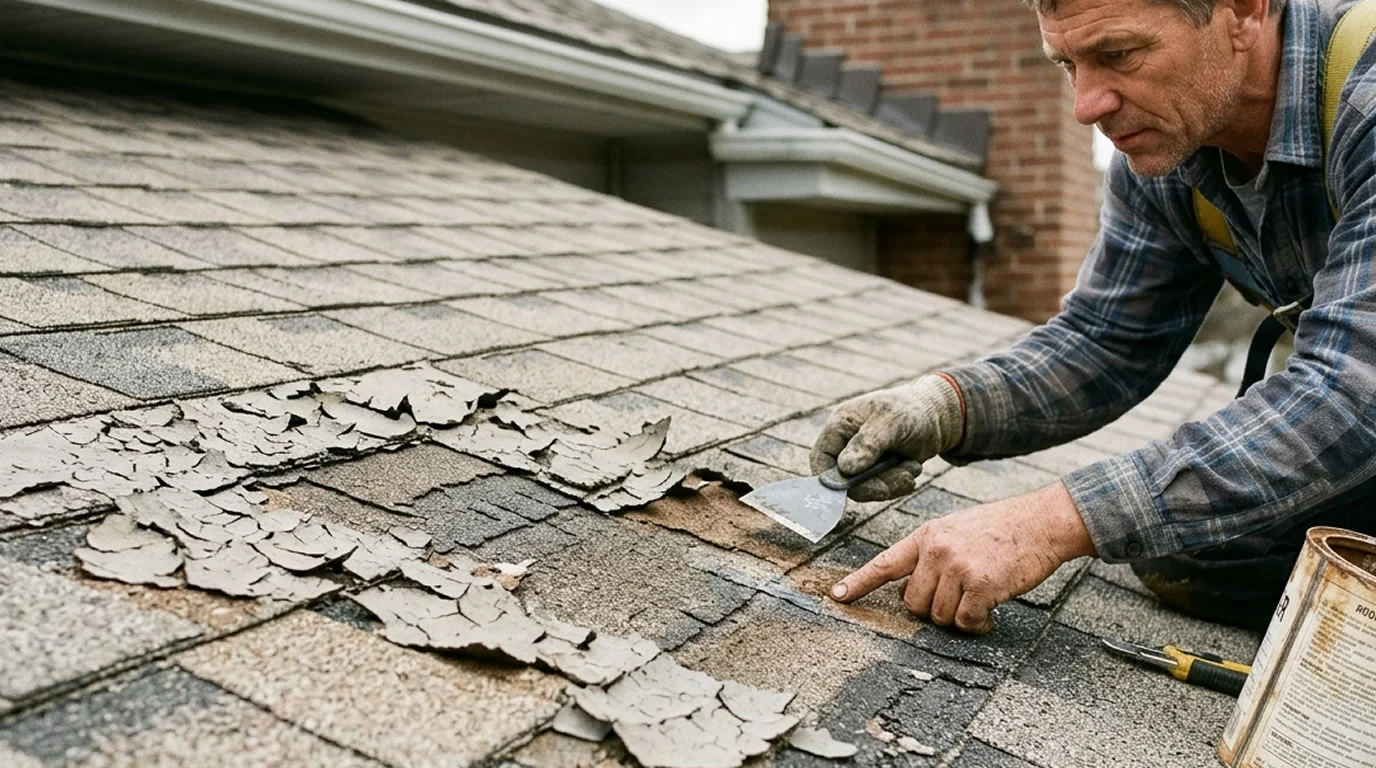
Storms can strike at any time, leaving your roof vulnerable to damage. High winds, hail, heavy rain, and falling debris can all compromise the integrity of your roof, leading to leaks, structural issues, and expensive repairs if not addressed quickly. Having the right emergency roof repair products on hand can make a huge difference in protecting your home and minimizing damage.
This guide will cover the essential products every homeowner should consider keeping ready, explain how they work, and give tips for proper use. By the end, you’ll have a clear plan for handling roof emergencies and keeping your home safe.
ℹ️Disclosure: Products linked below earn us a small commission
1. Temporary Roof Coverings: Tarps and Plastic Sheeting
When storm damage occurs, the first step is often to temporarily cover exposed areas to prevent water from entering your home. Tarps and heavy-duty plastic sheeting are inexpensive, easy to store, and quick to deploy.
- Heavy-Duty Tarps: Look for tarps that are waterproof, UV-resistant, and reinforced at the edges. A 20×30 foot tarp is typically sufficient for most residential roofs. View Tarps
- Plastic Sheeting: Ideal for covering smaller holes or areas of missing shingles. Heavy-gauge plastic prevents tears and leaks. At minimum you should aim for at least 6 mil plastic sheeting but the higher the mil the better.
- Tarp Clips and Bungee Cords: Use these to secure your tarp in place without causing additional damage. Clips grip the tarp edges while cords anchor it to a roof or nearby fixtures. Here are some Tarp Clips and Bungee Options
- Tips for Use: Always secure tarps from inside the attic or with assistance to avoid falls. Avoid walking on damaged areas unless necessary and use safety harnesses.
Tarps and plastic sheeting provide a quick barrier against rain, which is crucial for preventing further water damage while waiting for a professional inspection.
2. Roofing Adhesives and Sealants
For minor cracks, leaks, or damaged flashing, roofing adhesives and sealants are a must-have. They allow you to perform temporary repairs until a professional can assess permanent solutions.
- Roofing Cement or Sealant: Thick, paste-like products that fill gaps around chimneys, vents, or broken shingles. Henry Roofing Cement is a popular option on Amazon.
- Liquid Rubber Roof Coatings: Flexible coatings that can cover larger areas, seal leaks, and provide water resistance. A gallon of Liquid Rubber Waterproof Sealant is great for DIY Leak Repairs and is a Flexible Elastomeric Waterproofing Membrane for Flat & Low-Slope Roofs but can also be used for gutters, concrete, and plywood.
- Silicone Sealant: Perfect for small cracks and around roof fixtures like pipes and vents. You can use a cheap sealant like Permatex 81158 Black Silicone Adhesive that comes in a squeezable bottle so you dont need a caulking gun or special applicator and you can keep it around the house for any small issues you might have in the future.
- Tips for Use: Clean the area before applying the product. Apply generously and smooth out to ensure a complete seal.
Using adhesives and sealants can prevent small leaks from turning into major water damage, saving you thousands in potential repair costs.
3. Roofing Tape and Flashing Repair Products
When shingles are damaged or missing, roofing tape and flashing repair products provide a quick fix. These products are ideal for short-term protection and can be applied without professional tools.
- Butyl Roofing Tape: Sticky, waterproof tape that adheres to metal, asphalt, or wood surfaces. Excellent for sealing cracks or reattaching loose shingles. getting a thicker 4″ Butyl Roofing tape allow for more coverage and makes it easier to apply.
- Aluminum Flashing Repair Tape: Protects areas around chimneys, vents, and valleys. Heat-resistant and durable. BXI flashing tape is a great option for this. Over time the adhesive starts to penetrate into the the area applied and provides a good seal. Avoid disturbing it when you first apply it so it has time to settle.
- Self-Adhesive Flashing: Simple to apply and helps prevent water from entering vulnerable points.
- Tips for Use: Ensure the surface is clean and dry for the best adhesion. Press firmly to secure the tape and avoid wrinkles.
These products are portable, affordable, and effective for emergency situations. Keeping a few rolls on hand can be a lifesaver during a storm.
4. Roof Repair Patches
Roof patches are designed for localized damage and can be purchased for your specific type of roofing material. They provide a durable, temporary solution to holes, punctures, or cracked shingles.
- Asphalt Shingle Repair Kits: Include shingles, adhesive, and nails. Perfect for small repairs on asphalt roofs. Here is a popular repair kit for Asphalt that
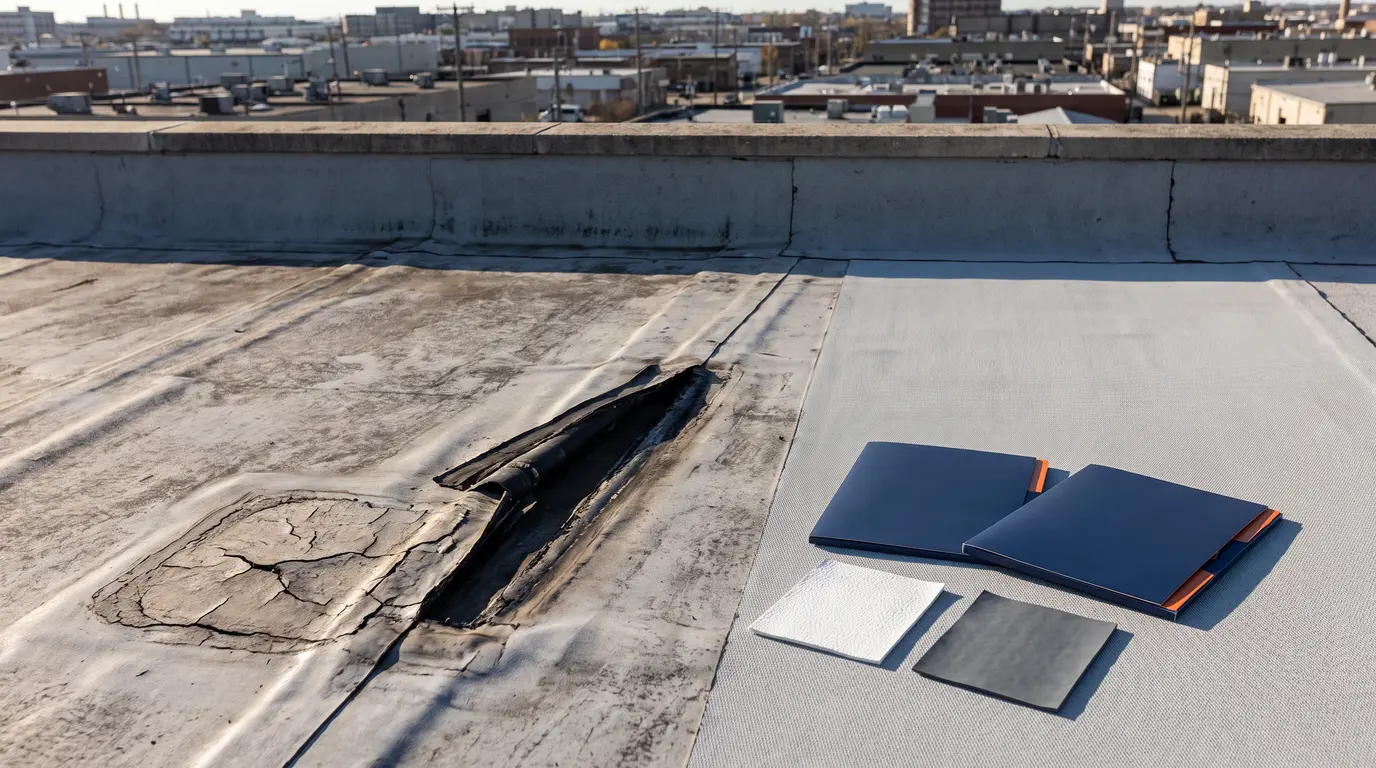
- EPDM Rubber Patches: Ideal for flat or low-slope roofs, providing waterproof coverage.
- Metal Roof Patch Kits: For homes with metal panels, these kits include small sheets of metal and sealant to cover holes or corrosion spots.
- Tips for Use: Follow the instructions carefully and match the patch material to your roof type for the best protection.
Roof repair patches reduce the risk of water intrusion and keep minor damage from escalating into larger issues.
5. Roof Rakes and Snow Removal Tools
While not always thought of as “repair” tools, roof rakes can prevent storm damage from escalating, particularly in areas with heavy snow or debris accumulation.
- Telescoping Roof Rakes: Allow you to remove snow or debris from the ground, reducing risk of injury.
- Ergonomic Handles: Make it easier to remove heavy snow without straining your back or shoulders.
- Snow Guards and Ice Melt Products: Prevent ice dams and rooftop ice buildup, which can cause leaks and shingle damage.
- Tips for Use: Never stand directly on a snowy or icy roof. Use long-reach tools from the ground or hire a professional if necessary.
Regular use of roof rakes prevents ice dams, structural damage, and leaks, which are common after storms.
6. Safety Gear for Emergency Roof Work
Safety should always be your top priority. Working on a storm-damaged roof can be dangerous, so having the right protective equipment is essential.
- Safety Harnesses: Anchor yourself securely to prevent falls.
- Non-Slip Shoes or Roof Boots: Provide traction on wet or slippery surfaces.
- Helmets and Gloves: Protect from falling debris and sharp materials.
- Ladder Stabilizers: Keep your ladder secure and reduce the risk of tipping.
- Tips for Use: Always inspect safety gear before use, and never attempt repairs alone on high or steep roofs.
Using proper safety equipment reduces injury risk and allows you to address emergency repairs effectively.
7. Water Removal Tools and Moisture Barriers
After a storm, water can accumulate in your attic or under damaged areas. Rapid water removal is critical to prevent mold, rot, and structural damage.
- Buckets and Containers: Basic but essential for catching leaks until a more permanent solution is in place.
- Portable Wet/Dry Vacuums: Remove standing water from floors and ceilings quickly.
- Dehumidifiers and Fans: Dry out moisture and prevent mold growth.
- Plastic Sheeting for Attics: Temporarily shield insulation and electronics from leaks.
- Tips for Use: Monitor water removal equipment frequently and rotate fans or dehumidifiers to dry all affected areas.
Quick water management prevents secondary damage, which is often more costly than the initial storm damage.
8. Emergency Roofing Kits
For homeowners who want a complete set of emergency tools, pre-packaged roofing kits are available. These combine multiple essential products into a single, portable kit.
- All-in-One Roof Repair Kits: Include tarps, adhesive, roofing nails, flashing tape, gloves, and basic tools.
- Portable Shingle Repair Kits: Designed for asphalt shingle roofs, including patches and instructions.
- Flat Roof Emergency Kits: Contain EPDM patches, adhesives, and waterproof membranes.
- Tips for Use: Store kits in an accessible location, such as a garage or shed, and review the contents periodically.
These kits save time in emergencies, ensuring you have everything you need at your fingertips.
9. Choosing the Right Products for Your Roof Type
Not all roofs are the same. The type of roofing material you have will determine which emergency products are most effective.
- Asphalt Shingle Roofs: Tarps, shingle repair kits, and roofing cement work best.
- Metal Roofs: Use aluminum flashing tape, metal patch kits, and sealants designed for metal.
- Flat or Low-Slope Roofs: EPDM patches, liquid rubber coatings, and reinforced tarps are ideal.
- Tile Roofs: Individual tile replacements, roofing adhesive, and tarps for exposed areas.
Matching products to your roof type ensures effective repairs and prevents further damage.
10. Tips for Maintaining Emergency Roof Products
Having emergency products is only useful if they are kept in good condition and accessible when needed.
- Store Products in a Dry Place: Moisture can degrade tarps, adhesives, and patches.
- Check Expiration Dates: Some sealants and adhesives have shelf lives and lose effectiveness over time.
- Practice Using Your Products: Familiarity with tarps, adhesive, and patches reduces stress during a real emergency.
- Rotate Supplies Annually: Replace old or worn products to ensure readiness.
Proper maintenance ensures that your emergency tools are reliable and ready when a storm hits.
Conclusion
Storms can cause serious damage to your roof, but having the right emergency products can make a significant difference in protecting your home. From tarps and sealants to roof rakes and safety gear, each product plays a critical role in preventing further damage and managing repairs effectively.
By understanding your roof type, keeping your emergency products well-maintained, and knowing how to use them safely, you can reduce costs, prevent leaks, and protect your family during extreme weather events. Always prioritize safety, and when in doubt, contact a professional roofer to handle severe damage.
Investing in emergency roof repair products is not just about fixing a roof, it’s about peace of mind, knowing that you are prepared for whatever storms come your way.