Switching to solar has become one of the smartest financial moves homeowners can make. Rising energy prices, better solar technology, and strong federal and state incentives mean that solar isn’t just an eco-friendly choice, it’s a money-saving one. But how much can you really save by going solar? The answer depends on your roof, your utility rates, and how you use electricity, but one thing is certain: the potential savings are bigger than most people realize.
In this article, we’ll break down everything you need to know, how solar saves money, the factors that influence your savings, and what the numbers look like in real-world examples. By the end, you’ll know whether solar makes sense for your home and how much you could keep in your pocket. You can browse top rated solar installers right on our website when your ready to go solar.
Why Solar Saves You Money
At its core, solar power saves you money because it lets you generate your own electricity instead of paying your utility company every month. Here’s the breakdown:
- Energy independence – Once panels are installed, you can produce a large portion of the electricity your household uses.
- Protection against rising rates – Utility companies raise electricity rates nearly every year. Solar locks in your cost of power for decades.
- Tax credits and incentives – The federal solar tax credit (currently 30%) allows you to deduct a big portion of your system cost. Many states add their own rebates and performance incentives.
- Net metering – In many areas, extra electricity your system generates can be sold back to the grid, offsetting your bill further.
Put simply, instead of paying the power company $150+ a month forever, you pay once for your solar system, and it keeps producing power for 25–30 years.
The Key Factors That Affect Your Solar Savings
Not all homes save the same amount. Your potential savings depend on several important factors:
1. Your Current Electric Bill
The higher your utility bill, the more you stand to save. A homeowner paying $200 per month for electricity could save over $60,000 across 25 years with solar.
2. Local Utility Rates
Electricity costs vary from state to state. In California, New York, and Hawaii, where electricity is expensive, solar savings can be massive. In states with cheaper power, savings are still real but may take longer to build.
3. Roof Size and Sunlight
Solar panels need space and sunlight. A large, south-facing roof in Arizona will produce more energy than a shaded roof in Seattle.
4. Incentives and Rebates
Federal, state, and local incentives can drastically lower the upfront cost of solar, which speeds up your payback period.
5. Financing Method
How you pay for solar matters. Buying panels outright provides the biggest long-term savings, while loans, leases, and power purchase agreements (PPAs) reduce your upfront cost but may affect your overall savings.
Real-World Example: A Typical Home
Let’s take a look at a realistic example.
- Average electric bill: $150/month
- Annual bill: $1,800
- Expected utility cost over 25 years (with 3% annual increase): $64,000
Now, let’s install solar:
- System cost (before incentives): $20,000
- Federal tax credit (30%): -$6,000
- Net system cost: $14,000
- Solar lifespan: 25–30 years
With solar, that same home eliminates most of its $64,000 in utility costs. Subtract the $14,000 system cost, and the net savings are around $50,000—and that’s not even counting state rebates or net metering credits.
Short-Term vs. Long-Term Solar Savings
One of the biggest misconceptions about solar is that savings take too long to appear. The truth is:
- Short-term: Many homeowners see lower electric bills within the first month. If financed, solar loan payments are often equal to or lower than your old utility bill.
- Long-term: Once the system is paid off, all the electricity your panels produce is essentially free.
For most people, the payback period is 6–9 years. After that, it’s pure savings for another 15–20 years.
The Hidden Value: Increasing Your Home’s Worth
Solar doesn’t just save money—it can also boost your property value. Studies from Zillow and the Lawrence Berkeley National Laboratory show that homes with solar sell for more, often 4–5% higher than comparable homes without solar.
For a $400,000 home, that’s an added $16,000–$20,000 in value. Buyers are willing to pay more for a home that comes with lower monthly bills.
Common Myths About Solar Savings
Despite the clear financial benefits, some myths still hold homeowners back. Let’s clear them up:
- “Solar is too expensive.” With tax credits and financing, solar is more affordable than ever. Many people go solar with little to no upfront cost.
- “Solar doesn’t work in cloudy areas.” While sunny states generate more energy, solar panels still produce electricity on cloudy days. Germany, one of the cloudiest countries, is a world leader in solar adoption.
- “I’ll never use enough power to justify solar.” Even small systems provide big long-term savings and protect against rising rates.
Solar vs. Staying With the Utility Company
Let’s compare:
- With solar: You invest in an asset that pays for itself and produces clean power for decades.
- With utilities: You pay ever-rising bills forever, with no return on investment.
Over 25 years, the average homeowner who stays with their utility spends $40,000–$80,000. With solar, that same homeowner often spends under $20,000, then enjoys free power.
The Bigger Picture: Environmental and Community Savings
While the financial savings are huge, going solar also saves something even more valuable—our planet. A typical solar system offsets 100,000 pounds of carbon dioxide over its lifetime, the equivalent of planting 2,000 trees. Communities with higher solar adoption also enjoy cleaner air and lower strain on the electrical grid.
How to Maximize Your Solar Savings
If you’re considering solar, here are tips to get the most value:
- Reduce your energy use first. Small efficiency upgrades—like LED bulbs or smart thermostats—lower your consumption, meaning you need a smaller system.
- Shop multiple installers. Prices vary, so get at least three quotes.
- Ask about incentives. Make sure your installer applies all available federal, state, and local credits.
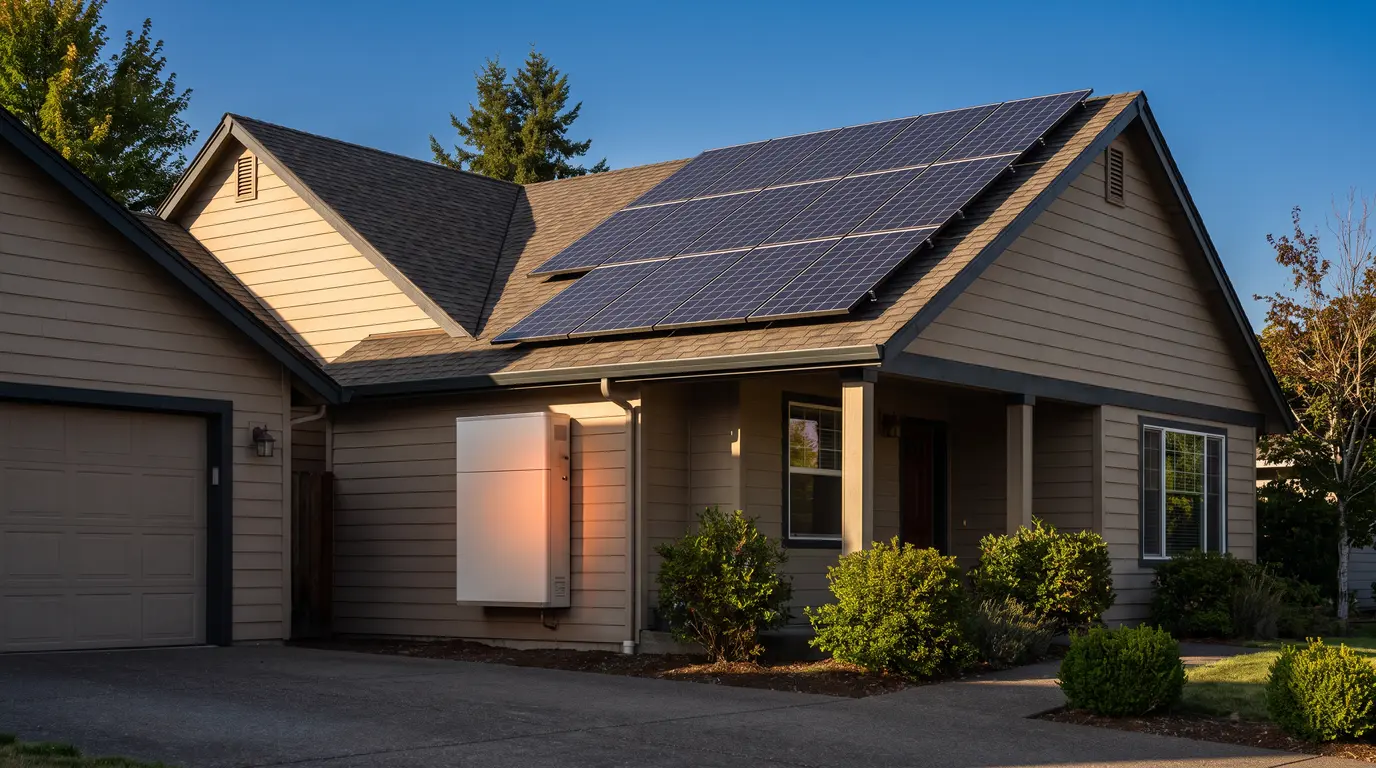
- Consider battery storage. While optional, batteries let you store excess power for use at night or during outages.
- Own your system if possible. Buying (cash or loan) provides better long-term savings than leasing.
Final Thoughts: Is Solar Worth It?
The numbers don’t lie: solar saves most homeowners tens of thousands of dollars. Whether your goal is lowering monthly bills, protecting against rising energy costs, or increasing your home’s value, solar is one of the smartest investments you can make.
In short, if you have a sunny roof and a decent electricity bill, you could save $40,000–$80,000 or more over the next 25 years by going solar. That’s money that would otherwise go straight to your utility company, with nothing to show for it. If you would like to receive quotes from solar installers you can use our solar cost calculator and you will be contacted by top rated solar installers. Make sure to complete the form and submit.