Replacing a roof is one of the largest investments a homeowner will ever make. A roof protects your home, family, and belongings, so choosing the right financing option is just as important as picking the right shingles. The average roof replacement in the United States costs between $8,000 and $15,000, but for larger homes or premium materials, the price can reach $25,000 or more. Most homeowners don’t have this kind of money available upfront, which makes roof financing essential.
With so many options available, understanding how each works, including the pros, cons, costs, and repayment schedules, can save you thousands of dollars. This guide will cover personal loans, home equity loans, HELOCs, roofing company financing, credit cards, insurance coverage, and government assistance programs. We’ll include examples, statistics, tips, and a FAQ section to make it the most comprehensive guide for homeowners considering a roof replacement.
1. Personal Loans
Personal loans are unsecured loans offered by banks, credit unions, and online lenders. Because they are unsecured, you don’t put your home at risk, but interest rates tend to be higher than secured loans. Terms range from 1 to 7 years, with fixed monthly payments.
Example:
If your roof costs $12,000, a five-year personal loan at 10% interest results in monthly payments of roughly $255. Over five years, you’d pay about $15,300, including interest.
Who it’s best for:
Homeowners who need fast approval, have a solid credit score, and prefer a loan without putting their house at risk.
Statistics:
Average personal loan rates in 2024 range from 6% to 36%, depending on creditworthiness. According to LendingTree, about 50% of personal loan borrowers use them for home improvements.
Tip:
Always check your credit score before applying, and compare lenders. For a list of trusted options, see our roof financing page.
2. Home Equity Loans
Home equity loans let you borrow a lump sum against the equity in your home. These loans are secured, so interest rates are lower than personal loans, and payments are predictable. Terms typically range from 10 to 20 years.
Example:
A homeowner with $100,000 in equity might borrow $20,000 for a roof replacement at 6% interest over 15 years. Monthly payments would be about $170, significantly lower than a personal loan for the same amount.
Who it’s best for:
Homeowners with substantial equity who want lower interest rates and predictable payments.
Statistics:
Home equity loans have average interest rates between 6% and 8%. According to the Federal Reserve, roughly 23 million homeowners have enough equity to qualify for a home equity loan.
Tip:
Because your home is collateral, missing payments can result in foreclosure. Use a reputable lender — see our roof financing page for recommended options.
3. Home Equity Line of Credit (HELOC)
A HELOC is a revolving line of credit tied to your home’s equity. Unlike a lump-sum loan, you can borrow as needed and only pay interest on what you use. HELOCs often have variable interest rates.
Example:
A homeowner opens a $30,000 HELOC and uses $12,000 for a roof replacement. If additional repairs come up, they can draw more funds without applying for a new loan.
Who it’s best for:
Homeowners who want flexibility or plan to make multiple home improvements over time.
Statistics:
Average HELOC rates are around 8.5%. A survey by the Joint Center for Housing Studies found about 4 million U.S. households used HELOCs for home repairs in 2023.
Tip:
Variable rates mean monthly payments can change. For safe options, compare lenders on our roof financing page.
4. Roofing Company Financing
Many roofing contractors offer financing plans through partner lenders. These plans often include promotional rates, like 0% APR for the first 12 months.
Example:
A contractor may offer $200 per month at 0% APR for a year. If the balance isn’t paid in that period, interest jumps to 18%.
Who it’s best for:
Homeowners looking for a simple, one-stop solution and who can pay off promotional balances quickly.
Statistics:
According to Angi, financing through contractors covers loans from $1,000 to $100,000 with repayment terms of 1 to 15 years.
Tip:
Read the fine print carefully. For vetted lenders that work with roofing contractors, see our roof financing page.
5. Credit Cards
Credit cards can cover smaller roofing projects, especially with a 0% introductory APR offer. Rewards points or cash back are added benefits, but high interest rates after the introductory period make this risky for larger projects.
Example:
An $8,000 roof charged to a 0% APR credit card for 18 months can be paid off with monthly payments of $450 to avoid interest.
Who it’s best for:
Homeowners confident in paying off the balance within the promotional period.
Statistics:
Average credit card interest rates are over 24%. Mismanaging a large balance can lead to significant debt.
6. Insurance Coverage
Homeowner’s insurance may cover roof repairs caused by storms, hail, fire, or other insured events. Policies don’t cover normal wear and tear.
Example:
After a hurricane, a $20,000 roof replacement may be covered except for a $1,000 deductible.
Who it’s best for:
Homeowners who experience damage due to covered events and want to offset repair costs.
Statistics:
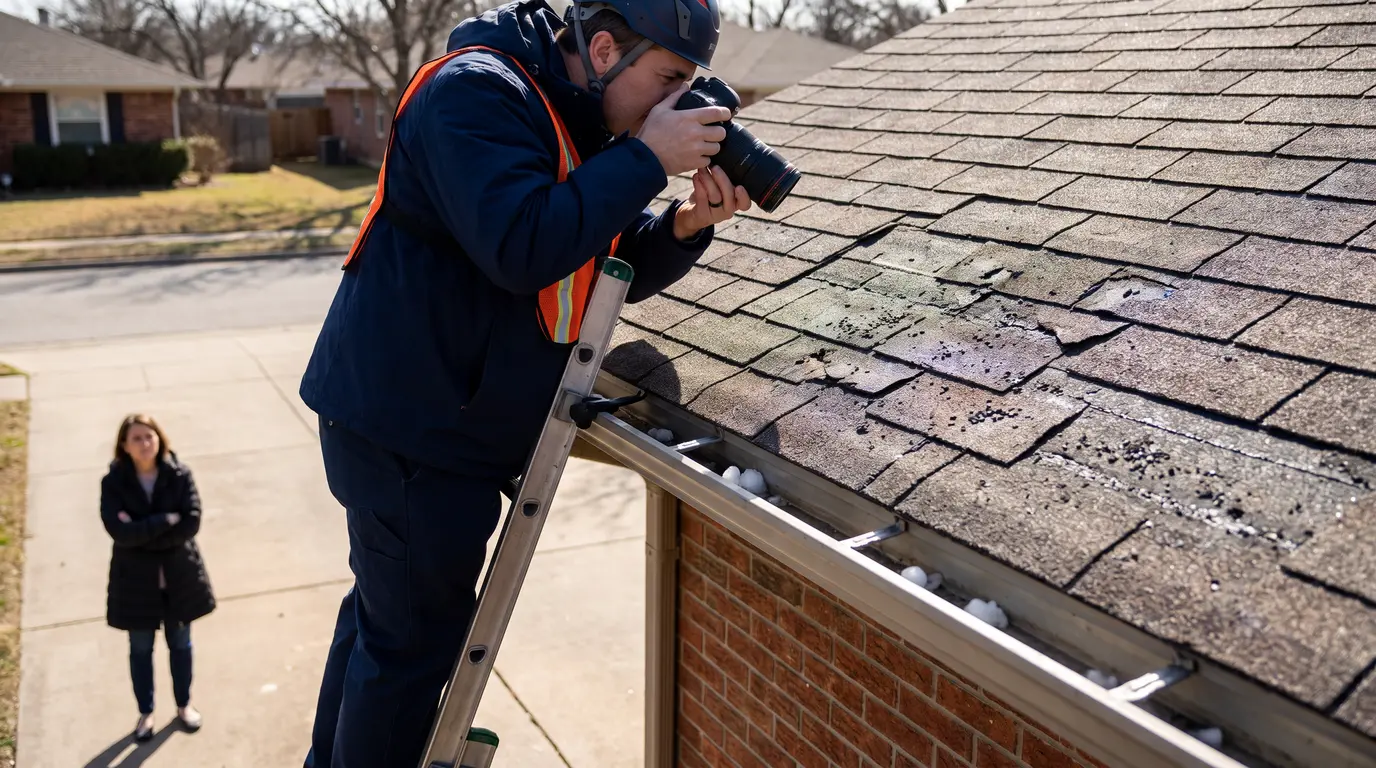
Approximately 39% of homeowners’ insurance claims involve wind or hail damage.
Tip:
Document all damage carefully and check your policy for coverage limits.
7. Government Programs and Assistance
Certain government programs offer loans or grants for home improvements. Programs like the FHA Title I Property Improvement Loan allow borrowing up to $25,000 without home equity requirements. Energy-efficient improvements may qualify for programs like the Weatherization Assistance Program, which can reduce energy bills while covering roof costs.
Learn more:
8. Common Mistakes Homeowners Make
- Not comparing interest rates or terms between lenders.
- Choosing loans based solely on monthly payments instead of total cost.
- Ignoring promotional periods on roofing company financing.
- Overestimating insurance coverage or failing to file a claim properly.
Avoiding these mistakes ensures your roof financing works for your budget without unexpected costs.
9. Tips for Comparing Lenders
- Check interest rates, fees, and repayment terms.
- Look for reputable lenders — see our roof financing page for vetted options.
- Ask about early repayment penalties.
- Compare total cost, not just monthly payments.
10. FAQs About Roof Financing
Q: Which option is best for emergencies?
A: Personal loans or credit cards with 0% APR are fastest, but consider long-term cost.
Q: Does my credit score matter?
A: Yes. Higher credit scores usually mean lower interest rates.
Q: Can I combine financing options?
A: Yes. For example, a partial insurance payout combined with a HELOC can cover your full roof cost.
Q: How do I know which lender to choose?
A: Use our roof financing page to compare trusted lenders and their rates.
Final Thoughts
A roof is more than shingles; it’s your home’s first line of defense. Financing a roof wisely ensures your home is protected while keeping your budget intact. Whether you use a personal loan, HELOC, roofing company plan, or government program, understanding your options and working with trusted lenders is key.
If you would like to get a quote for your next roofing project you can browse roofers or get a quote for your roofing project.