Visible roof damage is not automatically cosmetic, but it is not automatically a structural emergency either. Appearance alone cannot reliably tell you which category you are dealing with. A few damaged shingles may be repairable, while a small looking problem involving flashing, underlayment, roof penetrations, or concealed sheathing may already be allowing water into the roof system.
The useful question is not simply, “Does this look bad?” It is whether the damage is active, widespread, connected to moisture, or affecting the roof’s structure. You can begin with a cautious inspection from the ground and from accessible interior areas. Stop short of climbing onto a wet, steep, unstable, storm damaged, or visibly sagging roof.
The warning signs below can help you decide whether to arrange a prompt roofing assessment, seek structural evaluation, document a potential insurance claim, or take temporary steps to limit additional damage.
How to Tell Whether Roof Damage May Be Serious
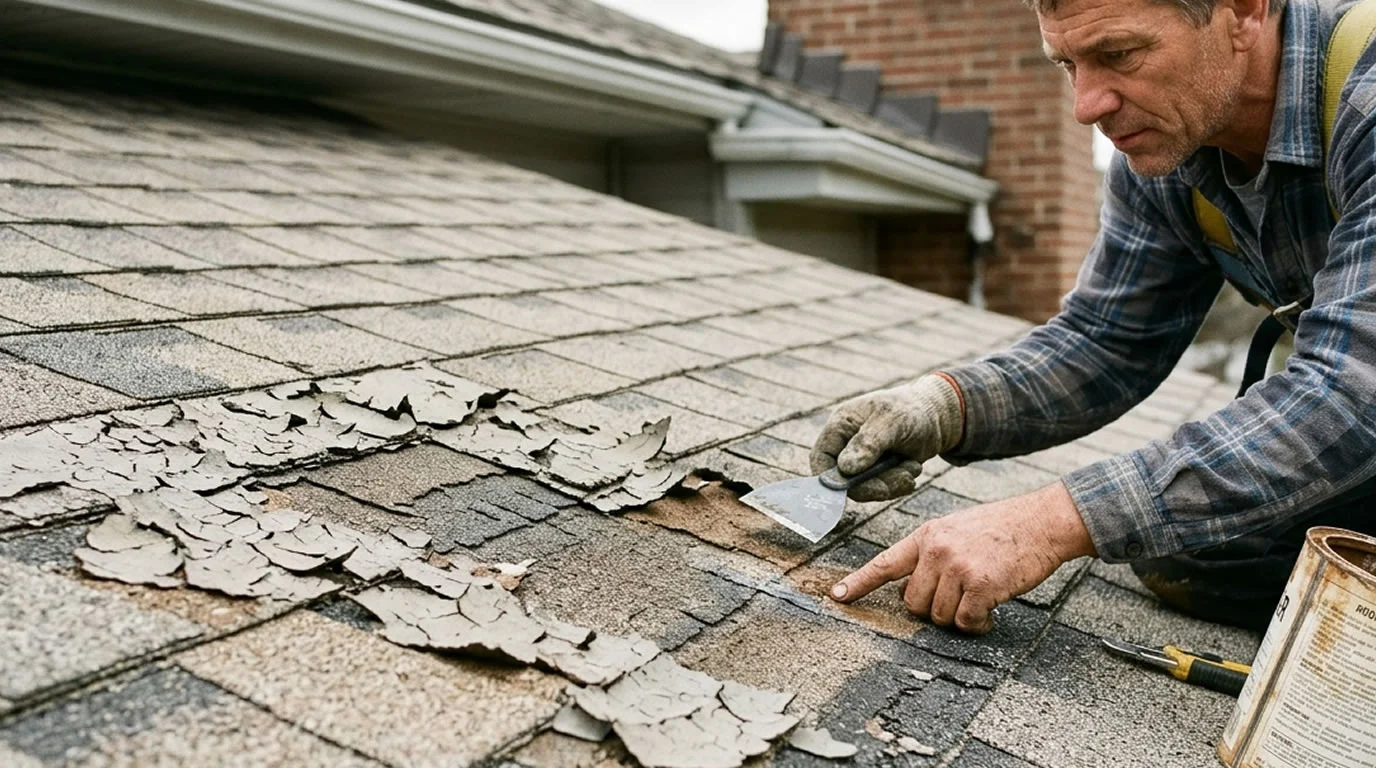
Roof damage deserves closer evaluation when it affects more than an isolated, easily identified area or when there is evidence of water inside the home. Cracked, torn, curled, warped, or missing shingles are warning signs. So are popped or rusted nails, damaged flashing, open seams, exposed nails around roof penetrations, covered or clogged vents, dark areas, and visible sagging.
These signs do not individually prove structural failure or guarantee insurance coverage. They are inspection indicators. Their significance depends on what is happening beneath the roof covering and whether water has reached the underlayment, roof deck, insulation, framing, or interior finishes.
- Prompt roofing assessment: Missing or widespread damaged shingles, damaged flashing, problems around roof penetrations, active leaks, recurring ceiling stains, wet insulation, and broad granule loss should not be left to guesswork.
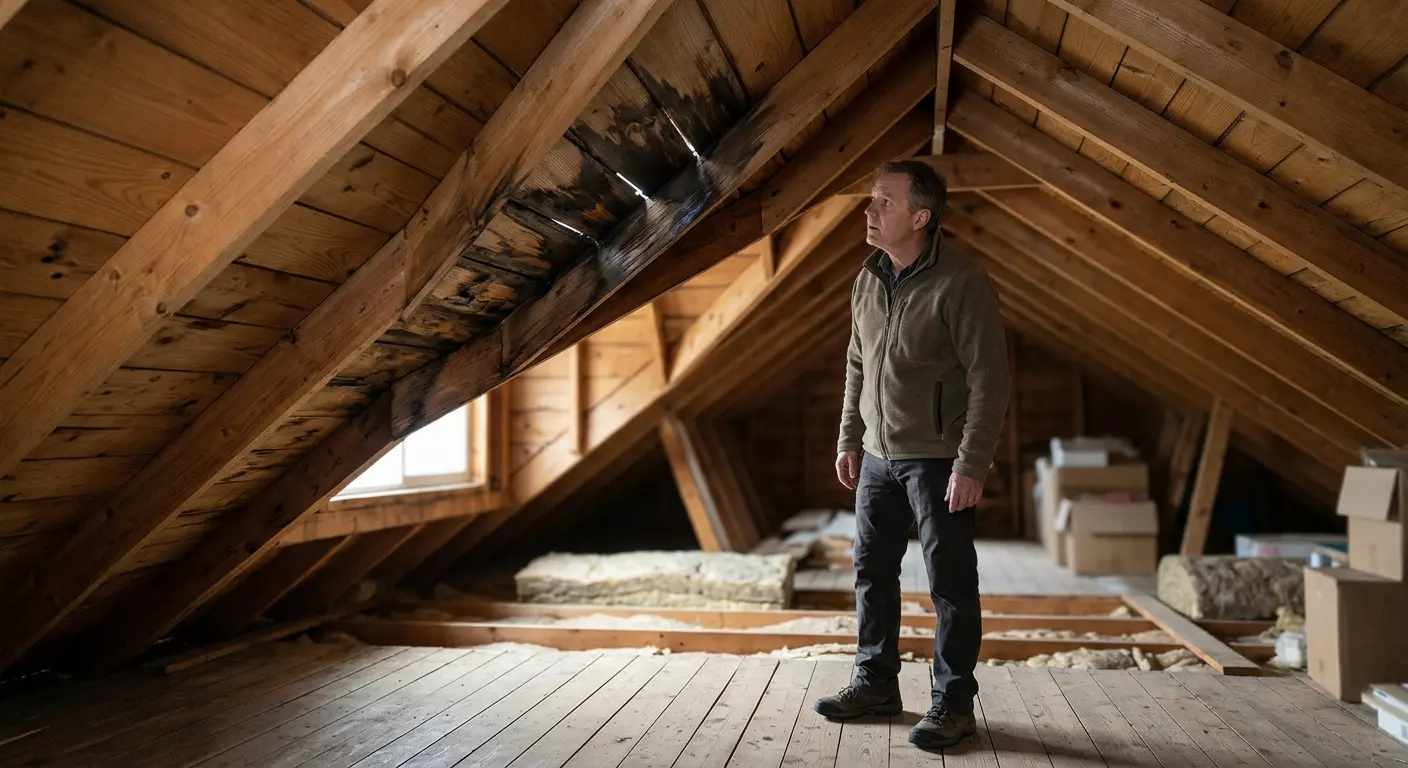
- Closer interior inspection: Mold or mildew, damp insulation, dark attic spots, holes, daylight, or sagging sheathing can indicate that the problem extends beyond the visible roof covering.
- Structural evaluation: A roofline, roof deck, or sheathing area that sags, shifts, or appears unsound warrants prompt assessment by an appropriate structural professional or building official.
Sagging is a serious warning sign, but it is not automatically a diagnosis of imminent collapse. Moisture, framing, loading, construction, or another condition may be involved, and the cause cannot be established from appearance alone. Treat the area as unsafe to approach until it has been evaluated.
A roof can also leak without obvious exterior damage. Failed flashing, underlayment problems, roof penetrations, or concealed sheathing damage may be visible only from the attic or interior. Conversely, a blemish or loss of granules does not, by itself, establish that an active leak exists.
Exterior Signs and Interior Evidence
From the ground, inspect the roofline and visible roof surfaces without putting yourself beneath an unstable area or climbing onto the roof. Look for missing, cracked, torn, curled, or warped shingles; open seams; damaged flashing; exposed nails; blocked vents; dark areas; and visible dips or sagging.
Then check accessible attic and ceiling areas. Look for stains, mold, mildew, damp insulation, dark spots, holes, daylight, active dripping, or sagging sheathing. Interior evidence can reveal roof system failure even when the exterior damage appears limited.
A ceiling stain can confirm that moisture has been present, but it does not identify the exact source. The water may be entering through damaged shingles, failed flashing, deteriorated underlayment, a roof penetration, or another part of the roof system. Finding the stain is useful evidence, not a complete diagnosis.
Inspect the Roof Without Creating a Safety Hazard
Begin from safe locations. A ground level view of the roofline, followed by a check of accessible attic and ceiling areas, can reveal many important warning signs without requiring a risky roof inspection.
Do not climb onto a roof that is wet, icy, steep, unstable, storm damaged, visibly sagging, or otherwise questionable. A damaged property may also involve structural, electrical, gas, floodwater, or collapse hazards. If any of those conditions may exist, avoid entering or inspecting the affected area.
Ready.gov advises cautious evaluation after a disaster and supports using qualified inspectors or structural professionals when safety is uncertain. Its guidance does not establish a homeowner specific procedure for walking on a damaged roof, and there is no reason to turn a roof inspection into a second emergency.
A routine visual inspection has limits. It does not establish structural adequacy, identify the exact leak source, confirm code compliance, or determine insurance coverage. When the roofline or roof deck appears unstable, seek professional evaluation rather than trying to gather a closer look yourself.
What to Do After Active Leaks or Storm Damage
Active water intrusion is time sensitive because additional rain can increase the loss. If it is safe, move belongings away from the affected area and contain interior dripping. Do not enter an unsafe attic, ceiling space, or room simply to reach the source.
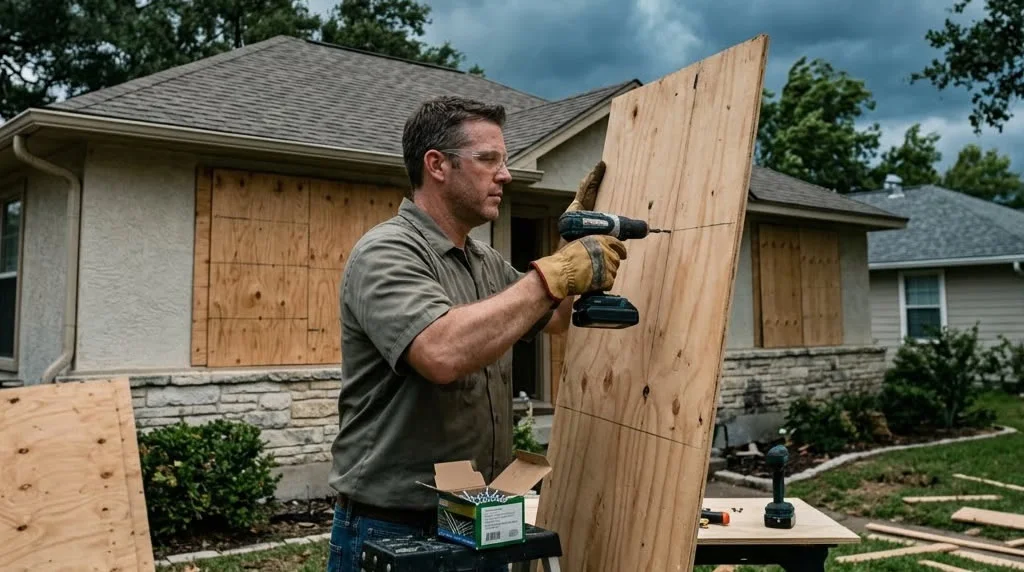
Temporary roof protection may help limit additional rain infiltration while permanent repairs are arranged. A temporary covering is not a permanent repair, and installing one should not require a homeowner to climb onto a steep, wet, unstable, or visibly damaged roof. Arrange protection through a qualified person when conditions are unsafe.
Before cleanup or repairs disturb the evidence, document what you can from safe positions:
- Photograph or record the exterior and interior conditions.
- Record the date and the weather event connected to the damage.
- List affected rooms and damaged belongings.
- Retain damaged materials when practical until they have been inspected.
- Keep invoices and receipts for temporary protection, emergency work, and related expenses.
FEMA materials may describe temporary roof covering or disaster programs such as Operation Blue Roof, but availability is specific to the disaster, location, and program. It is not a universal benefit for every homeowner. Temporary protection remains just that: a way to limit additional damage until the roof can be evaluated and permanently repaired.
For additional disaster safety information, consult Ready.gov’s Recovering from Disaster guidance.
Does Homeowners Insurance Cover the Damage?
Insurance coverage depends on the policy, the cause of loss, the covered peril, and the roof’s maintenance history. Standard homeowners policies generally cover certain listed events, including perils such as wind, hail, lightning, or hurricanes, but the actual policy and facts of the loss control the claim.
The distinction between storm damage and deterioration matters. A storm created opening may allow rain related damage to be covered under a policy, while routine wear and tear, poor maintenance, flooding, and earthquakes are generally excluded from standard homeowners policies. Mixed causes, such as storm damage combined with deterioration, require claim specific analysis.
“Water damage” is not one insurance category. Floodwater is treated differently from rain entering through a storm created roof opening. Do not assume that a wet ceiling automatically means the same coverage decision applies in every situation.
Before permanent repairs, review the policy or contact the insurer or agent to confirm:
- Which perils are covered and which exclusions may apply.
- The deductible and whether the policy uses actual cash value or replacement cost treatment.
- Any notice deadlines and instructions for temporary repairs.
- Whether an adjuster should inspect before permanent work begins.
Document the condition before disturbing it, notify the insurer when appropriate, take reasonable steps to limit further loss, retain damaged items when possible, and preserve receipts. Safety related emergency action should not be delayed when delay would create an unsafe condition or additional damage. Permanent repairs should generally wait for inspection when doing so is safe and consistent with the insurer’s instructions.
The Insurance Information Institute Homeowners Insurance Handbook and its homeowners claim guidance provide general information, not a coverage determination.
Do Roof Repairs or Replacement Require a Permit?
Permit requirements are local, not nationally uniform. Before repairing, reroofing, replacing roof covering, performing structural work, or even arranging temporary protection, contact the local building department and ask what applies to your property and scope of work.
Verify the locally adopted code edition, amendments, permit triggers, and enforcement requirements. Roof material, the extent of the work, historic status, location, and whether the work involves structural changes may affect the answer.
The International Code Council publishes model code material. A model code is not automatically binding law in every jurisdiction. Its provisions, including the 2024 example concerning reroofing and alterations, do not establish what every homeowner must do. The locally adopted code and building department control.
You can review the supplied International Code Council model code provisions, but use them as reference material rather than as a substitute for local verification.
Common Misconceptions About Roof Damage
Misconception: If the roof is not visibly leaking, the damage is only cosmetic.
Correction: Concealed problems involving flashing, underlayment, roof penetrations, or sheathing may exist before an obvious interior leak appears.
Misconception: Any roof related water damage is covered by homeowners insurance.
Correction: Coverage depends on the policy and cause. Routine deterioration, poor maintenance, and flooding are generally excluded under standard policies, while some storm created openings and resulting rain damage may be covered.
Misconception: A tarp or patch permanently fixes storm damage.
Correction: Temporary roof protection is intended to limit additional infiltration until permanent repairs can be arranged. It does not replace inspection or permanent repair.
Misconception: The International Residential Code or Building Code automatically determines whether a permit is required.
Correction: Model code provisions apply only when adopted and modified through the applicable jurisdiction. Local rules and the building department control.
Frequently Asked Questions
Which roof damage signs mean I should seek professional assessment promptly?
Arrange prompt assessment for active leaks, recurring stains, wet insulation, damaged flashing, problems around roof penetrations, widespread missing or damaged shingles, broad granule loss, or a roofline and roof deck that sag, shift, or appear unsound. Seek structural evaluation when stability is uncertain.
Can a roof leak be hidden even when the shingles look normal?
Yes. Failed flashing, underlayment, roof penetrations, or concealed sheathing damage may allow water into the roof system without obvious exterior shingle damage. Check accessible attic and ceiling areas, but remember that a stain does not identify the exact source.
Is a sagging roof always a structural emergency?
A sagging area is a serious warning sign requiring prompt evaluation, but it is not automatically proof of imminent collapse. Do not approach a visibly unsound area, and arrange assessment by an appropriate structural professional or building official.
Should I inspect my roof from the ground, attic, or by climbing onto it?
Start from the ground and then check accessible attic and ceiling areas. Do not climb onto a roof that is wet, steep, unstable, storm damaged, visibly sagging, or otherwise unsafe.
Does homeowners insurance cover missing shingles or storm related roof leaks?
Coverage depends on the policy and cause of loss. A storm created opening and resulting rain intrusion may be covered, while routine wear, poor maintenance, and flooding are generally excluded from standard policies. The insurer, policy language, and claim facts control.
What should I document before making emergency roof repairs?
From safe positions, photograph or record exterior and interior damage, note the date and weather event, list affected rooms and belongings, retain damaged materials when practical, and save invoices and receipts. Notify the insurer when appropriate and follow its instructions.
Is a roof tarp considered a permanent repair?
No. Temporary roof protection is intended to limit additional infiltration while permanent repairs are arranged. It should be installed safely and does not replace professional evaluation or permanent repair.
Do I need to check with the local building department before repairing or replacing damaged roofing?
Check with the local building department before work begins. Permit requirements depend on the locally adopted code, amendments, scope of work, roof material, location, historic status, and whether structural work is involved.
The Practical Takeaway
Roof damage should not be labeled cosmetic from appearance alone. Look for exterior warning signs, check accessible interior areas, treat active moisture and sagging as reasons for prompt evaluation, and keep yourself off unsafe roof surfaces.
After storm damage, document conditions before disturbing them, use temporary protection only to limit additional loss, review the insurance policy and notify the insurer when appropriate, and verify permit requirements with the local building department. The right next step depends on whether the issue involves the roof covering, the roof system beneath it, active water intrusion, structural stability, insurance, or local code requirements.