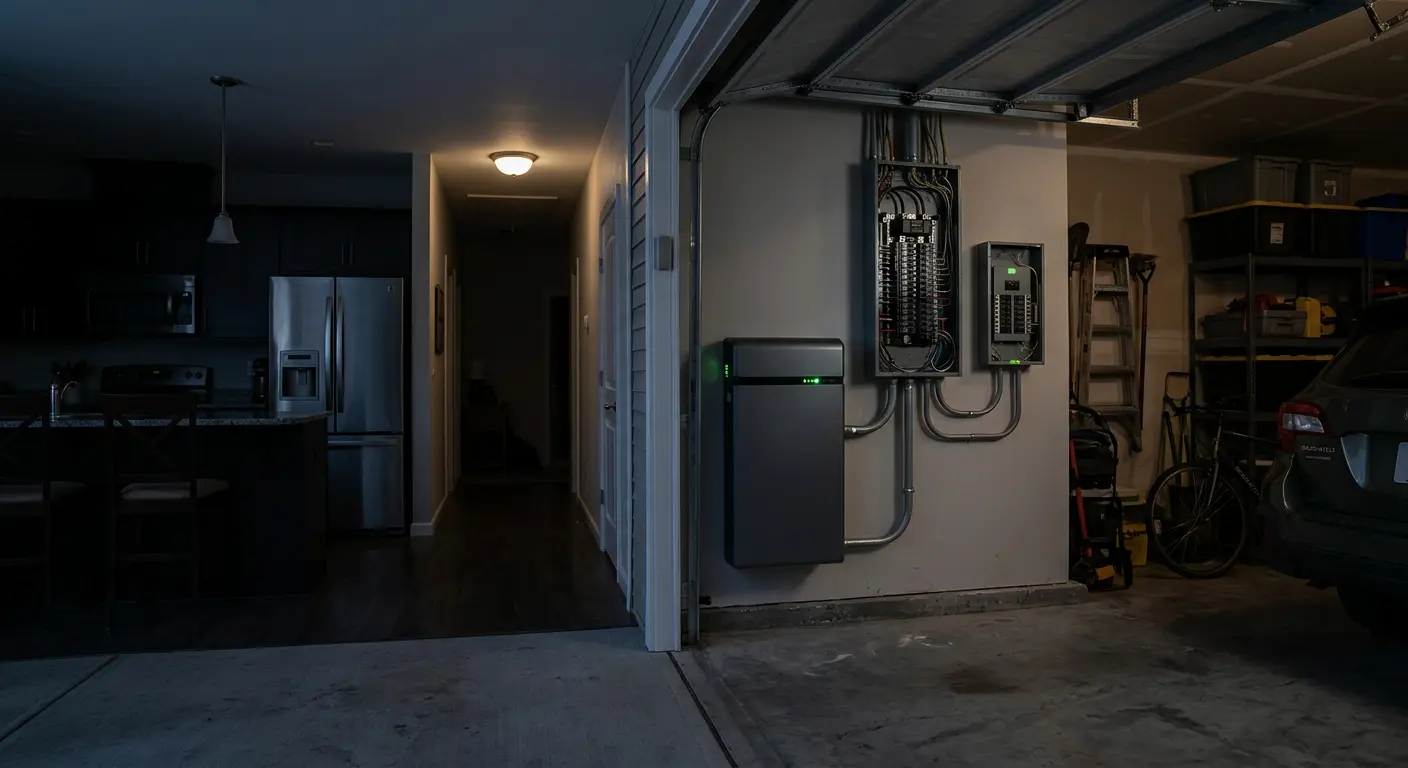
Yes, an existing solar system can generally be paired with a battery. The important qualification is that compatibility is not automatic. The answer depends on your existing inverter or microinverters, the battery system’s approved configuration, available electrical capacity, site layout, and the requirements of your utility and local permitting authority.
A battery retrofit may keep your existing solar inverter, or it may require compatible hybrid equipment or an inverter replacement. The project also needs a clear answer to a separate question: is the battery being installed for energy shifting and solar self consumption, or should it provide backup power during an outage?
Those goals are not automatically the same. A battery does not necessarily keep your home running when the grid fails. Backup requires equipment that safely separates the home from the utility grid and manages operation while the system is islanded.
How a Battery Can Be Added to Existing Solar
There are two general ways to connect solar and storage: AC coupled storage and DC coupled storage. The existing solar inverter is central to the decision because it determines how electricity from the panels is converted, controlled, and connected to the proposed battery system.
In an AC coupled design, the existing photovoltaic inverter generally remains in place. A separate bidirectional battery inverter is added to manage charging and discharging. This approach is often practical for an existing solar installation because it can avoid replacing the current PV inverter, but it still requires an exact compatibility review.
In a DC coupled design, the solar array and battery share DC side conversion equipment, usually through compatible bidirectional or hybrid inverter equipment. This arrangement may offer efficiency advantages, while AC coupled equipment is generally easier to connect to an existing solar system. Neither statement is a universal performance guarantee. The correct architecture depends on the existing equipment and the battery manufacturer’s approved configuration.
The U.S. Department of Energy explains the basic distinction in Solar Plus Storage 101. Manufacturer guidance, including material from SolarEdge and Enphase, adds an important practical warning: equipment must be matched at the product and system level, not merely selected because two products share a brand name or are described as AC coupled.
AC Coupled Storage
AC coupled storage is commonly associated with solar retrofits because the existing PV inverter can often remain in service while a battery inverter is added. The battery system receives and sends electricity through the home’s AC electrical system rather than requiring the solar panels and battery to share the same DC conversion equipment.
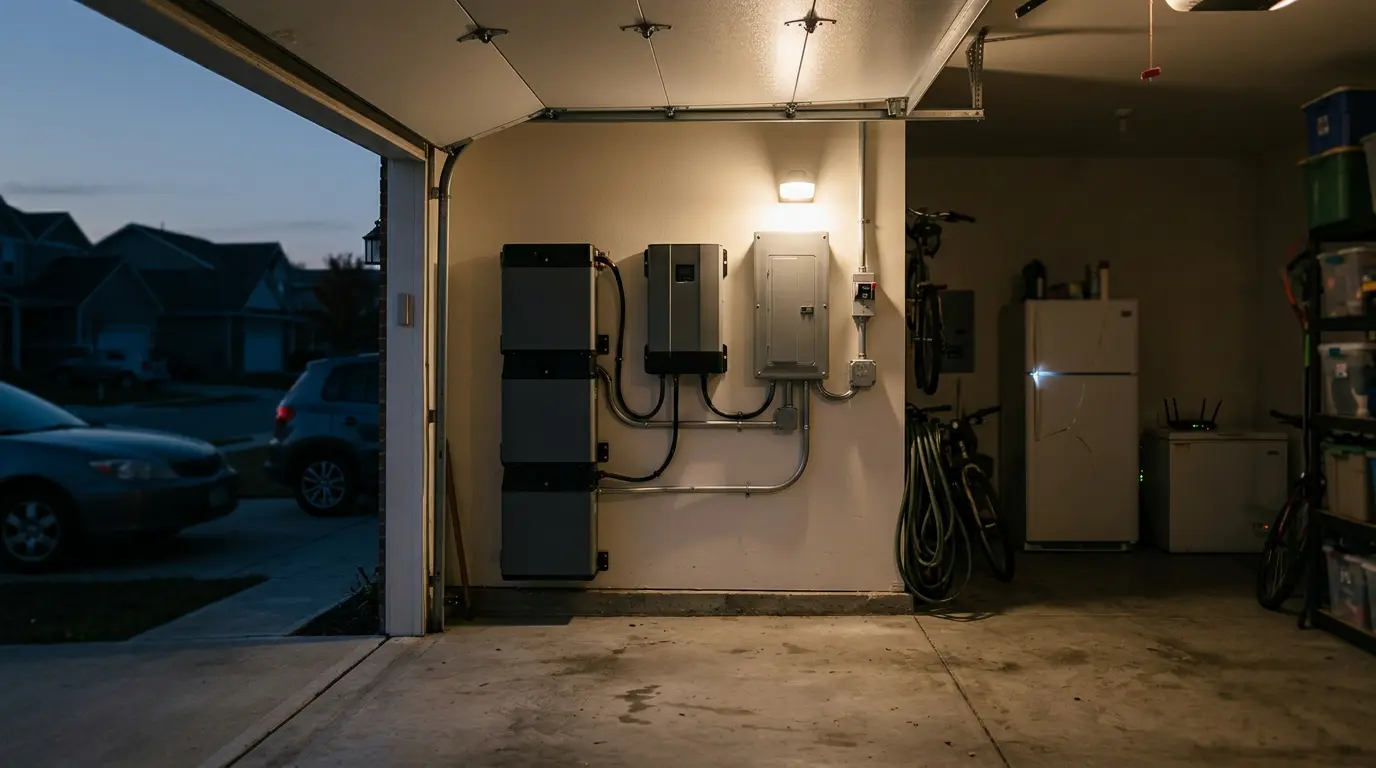
Depending on the approved design, the added equipment may include a battery inverter, controller or gateway, meters, communications hardware, wiring, and protection equipment. If outage backup is part of the plan, the system may also require transfer or islanding equipment. AC coupling makes the retrofit approach more flexible in many cases, but it does not eliminate permitting, utility review, or equipment limits.
Some systems place limits on the amount or type of AC coupled solar that can remain in the backup circuit. The existing inverter, battery inverter, wiring configuration, controls, communications, and backup design all need to work together. A battery described as AC coupled is not automatically compatible with every existing PV inverter.
DC Coupled Storage
DC coupled storage connects the solar array and battery through shared DC side conversion equipment. A compatible hybrid inverter may handle both functions, or the existing inverter may need to be replaced with equipment approved for the proposed solar and battery arrangement.
That does not mean every DC coupled retrofit requires an inverter replacement. Some existing systems may already use compatible equipment, while others will not. The manufacturer’s requirements and the architecture of the existing system determine what must change.
DC coupled equipment may be more efficient in some configurations, while AC coupled storage is generally easier to connect to existing solar. Treat those as design considerations, not guarantees. The proposal should clearly state which equipment remains, which equipment is replaced, and why the selected architecture is approved for your system.
What Equipment Is Needed for Backup?
A battery by itself does not automatically provide outage backup. A backup system must safely disconnect the home from the utility grid and manage operation while the home is separated from the grid. This process is commonly described as islanding.
Depending on the system, the required equipment may include a backup gateway, transfer switch, system controller, battery inverter, meters, communications equipment, wiring, and protection equipment. The exact combination depends on the manufacturer’s approved design and whether the system is intended to support selected circuits or the entire home.
Ordinary grid tied solar normally shuts off when utility power fails. That automatic shutdown helps protect utility workers and the electrical system. Properly configured storage and inverter equipment are required for solar to continue operating safely in islanded mode.
This distinction matters when reviewing proposals. A battery installed for rate management, solar self consumption, or other energy shifting may not include the transfer, islanding, control, or load panel equipment needed for outage backup. Ask the installer to identify those components instead of assuming that the word “battery” means the home will remain powered.
The Department of Energy’s Solar and Resilience Basics explains why standard grid tied solar shuts off during an outage. Manufacturer documents such as Tesla’s Powerwall System Design guidance describe examples of gateways and system configurations, but product specific documents should not be treated as universal requirements for every battery.
Compatibility Checks Before Choosing a Battery
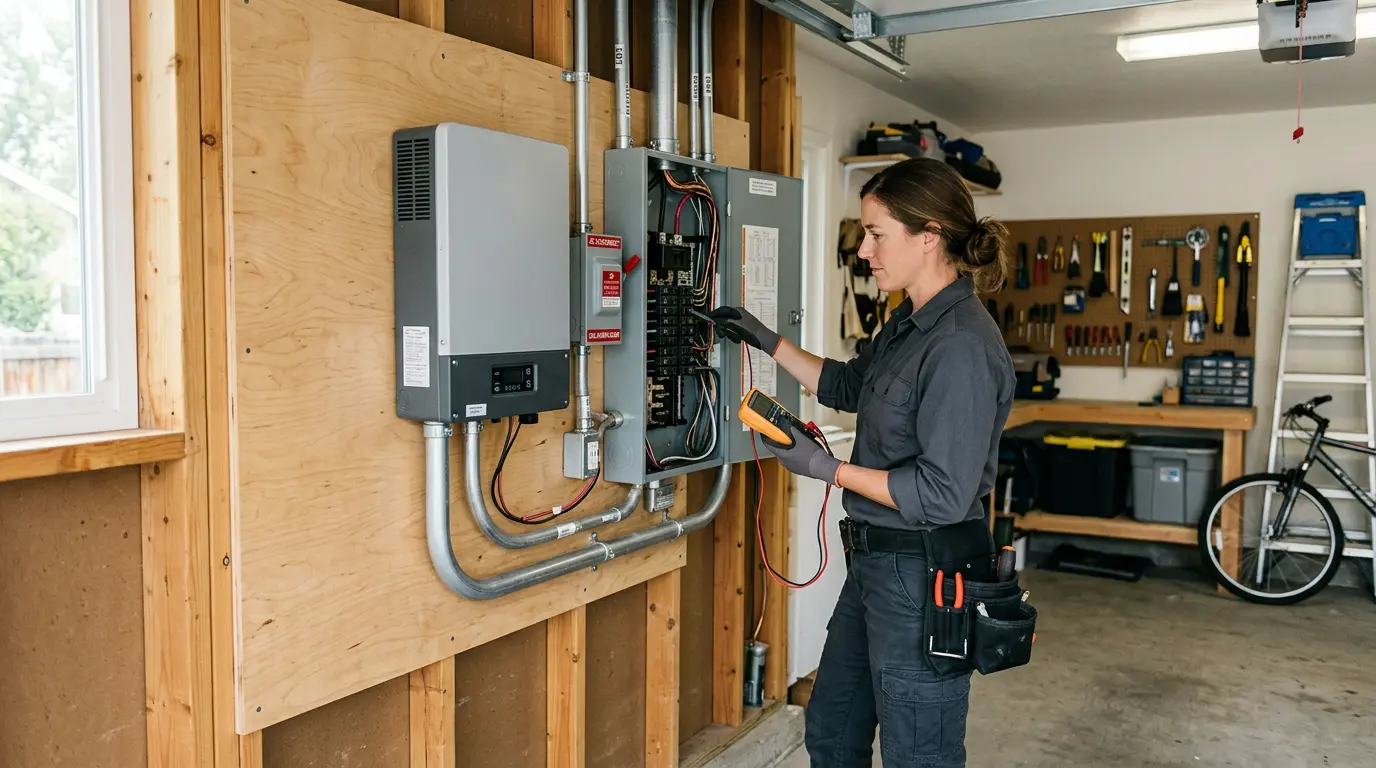
Compatibility needs to be verified at the equipment, software, wiring, and configuration levels. A general statement such as “these products work together” is not enough unless the installer has checked the exact models and the proposed backup arrangement against current manufacturer documentation.
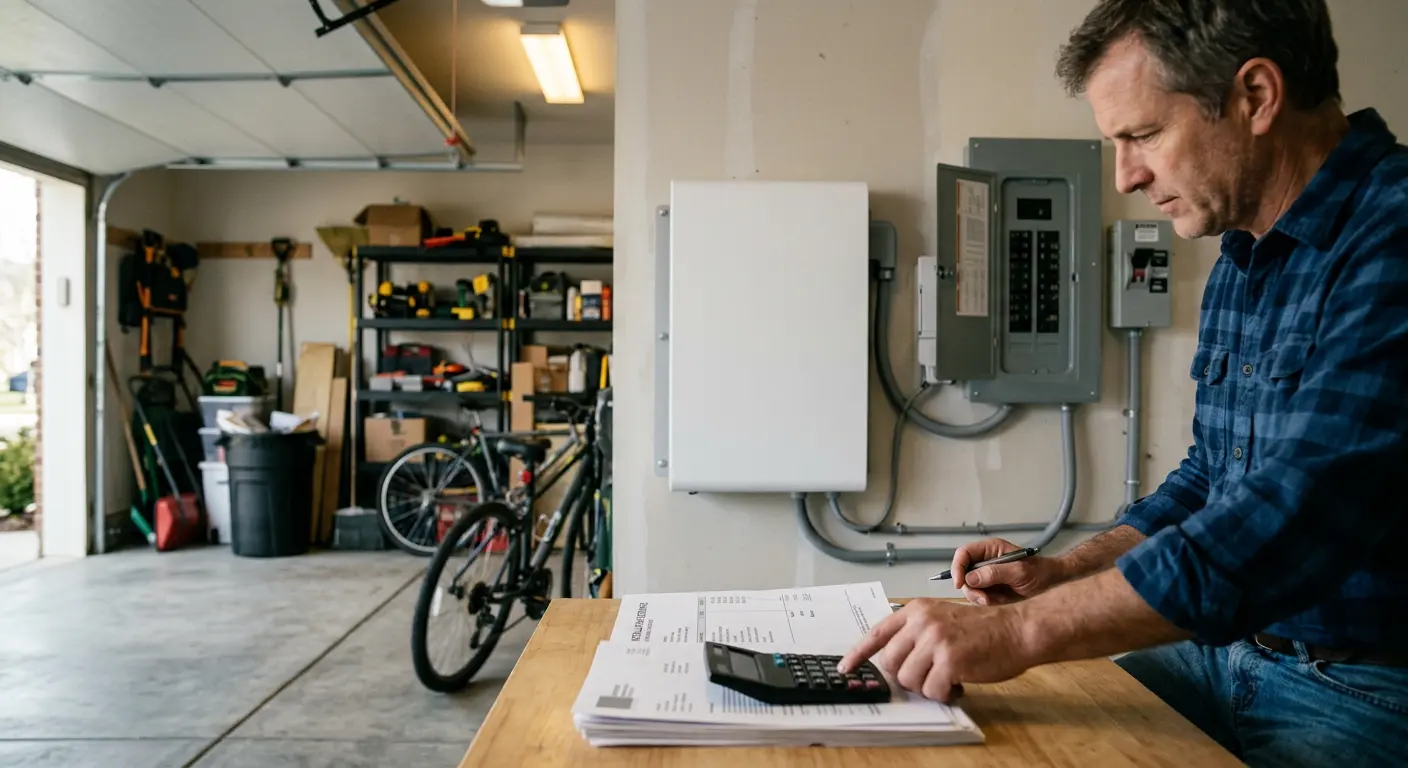
Before requesting proposals, gather as much information about the existing system as possible:
- Solar inverter or microinverter model and system size
- Panel layout and commissioning date
- Gateway, controller, and communications equipment
- Utility interconnection documents and the available one line diagram
- Equipment warranties and service documents
- Financing, lease, or power purchase agreement documents
- Recent electricity usage information
The compatibility review may depend on the inverter type, microinverter generation, gateway, firmware, battery model, PV size, wiring configuration, communications, and manufacturer approved operating limits. Older string inverters, older microinverter generations, communications gateways, and newer battery products may not operate together.
Microinverter systems deserve a product specific review rather than a blanket yes or no. Some configurations may support a battery retrofit, while others may have exclusions or version specific limitations. Enphase planning documents and Tesla compatibility documents apply to their specified products and configurations. They are useful references, but they are not universal industry standards.
Ask every installer to identify the retrofit architecture and list the equipment being added. The proposal should state whether it is AC coupled or DC coupled, whether the existing PV inverter remains, and which battery inverter, controller, gateway, transfer equipment, meters, and communications hardware will be installed.
Request a written compatibility determination covering the exact inverter or microinverters, gateway, firmware, battery model, PV size, wiring, and backup configuration. That small piece of paperwork can be more useful than a large amount of confident sales language.
Decide What the Battery Should Power During an Outage
Battery backup can be designed for selected circuits or for the whole home. Partial home backup places chosen critical loads behind the backup equipment. Whole home backup places a broader portion of the home’s electrical loads on the backed up side, if the equipment, service equipment, and load configuration support it.
The battery’s usable energy capacity affects how long the system can supply energy. The inverter’s power rating and surge capability affect which appliances can operate at the same time and which loads the system can start. A large kWh number alone does not tell you whether the system can run the house.
Before asking for a proposal, list the loads you consider essential, their running wattage, their startup or surge demand, and the backup duration you want. The proposal should clearly state whether it provides partial home or whole home backup and identify which circuits will be placed behind the backup equipment.
High demand loads may affect the design substantially. These can include central air conditioning, electric resistance heat, large pumps, electric water heaters, and EV chargers. The available research does not establish that every battery system can start or continuously operate these loads, so each one must be evaluated against the proposed inverter, battery, service equipment, and manufacturer limits.
What Happens to Solar During a Power Outage?
Existing solar panels do not automatically keep powering the home when the grid goes down. Standard grid tied PV normally shuts off during an outage. To use solar while the grid is unavailable, the battery inverter and control equipment must support safe islanded operation.
Ask the installer whether the proposed system can operate the solar array in islanded mode and whether it can recharge the battery while the grid is down. That behavior depends on the equipment and configuration, not simply on the presence of solar panels and a battery.
The proposal should also explain what happens when the battery reaches a high state of charge. The system may curtail or disconnect PV under certain conditions. AC coupled systems may also have limits on the amount or type of solar that can remain in the backup circuit, including limits related to inverter size.
In practical terms, ask for a plain language description of the outage sequence: what disconnects from the grid, which circuits remain energized, whether solar can charge the battery, and how the system manages excess solar production. If the answer is vague, the design is not yet clear enough to approve.
Installation, Permits, Utility Approval, and Existing Contracts
Permitting, electrical inspection, utility interconnection, and final approval requirements vary by location and project configuration. A battery addition may change the system’s export, operating, and safety characteristics, so approval of the original solar installation does not automatically cover the later storage project.
Depending on the local requirements, the project may involve permits, inspections, equipment listing review, export controls, technical studies, or a new or amended interconnection application. These possibilities are not universal requirements. The serving utility and the local building or electrical authority determine what applies to the specific retrofit.
Installers commonly assist with permitting, but the applicable requirements come from the authority having jurisdiction and the utility. Ask the installer to confirm the process in writing, including who will submit applications, who will arrange inspections, and what final approval is needed before the system is placed into service.
Review your existing solar agreement before authorizing equipment changes. A solar lease, power purchase agreement, loan, warranty, or service agreement may restrict modifications or require approval from the system owner or financier. There is no universal rule for these contracts, so the actual documents control.
For general consumer guidance about local permits and solar installation components, see the Department of Energy consumer guide to solar electricity for the home. Local requirements still need to be verified for the actual property and project.
A Practical Battery Retrofit Planning Checklist
Use the following steps to make proposals easier to compare and to catch compatibility or approval issues before installation begins:
- Document the existing system. Collect the inverter or microinverter model, PV size, panel layout, commissioning date, utility documents, one line diagram, warranties, financing or lease agreement, and recent electricity usage.
- Ask for the retrofit architecture. Require each installer to state whether the design is AC coupled or DC coupled, whether the existing PV inverter remains, and which equipment will be added.
- Obtain written compatibility confirmation. The review should cover the exact inverter, microinverter, gateway, firmware, battery model, PV size, wiring, communications, and backup configuration.
- Define the outage objective. List essential loads, running and startup demand, and the backup duration you want. Ask whether the system provides partial home or whole home backup and which circuits are included.
- Confirm solar behavior during an outage. Ask whether solar can recharge the battery, how the system curtails PV at a high state of charge, and what limits apply to AC coupled PV or inverter size.
- Verify approvals before installation. Confirm permit, inspection, utility, export control, interconnection, and final approval requirements with the applicable local authority and serving utility, or require the installer to document those requirements.
- Review ownership and service restrictions. Check financing, lease, warranty, and service documents for restrictions on changing the existing equipment.
This is a planning checklist, not a universal legal or installation checklist. Manufacturers, utilities, local authorities, and project specific contracts may impose different requirements.
Financial and Tax Credit Timing
Tax treatment needs to be tied to the battery’s placed in service date. According to IRS guidance available for the October 2, 2026 research cutoff, the Residential Clean Energy Credit was available for qualified property installed through December 31, 2025 and was not available for property placed in service after that date.
The earlier credit regime described a 30 percent credit for qualified property installed from 2022 through December 31, 2025. IRS instructions for the 2025 form also identified at least 3 kWh as a battery capacity qualification for that earlier regime. That threshold and percentage should not be extended to later years.
Do not include a federal residential battery credit in your project economics without confirming the applicable law and the property’s placed in service date. Eligibility may depend on the details of the project, and the current treatment should be confirmed with the Internal Revenue Service Residential Clean Energy Credit guidance or a tax professional.
State, utility, income qualified, and other incentives may have separate rules and deadlines. They require their own project and location specific verification.
Common Misconceptions About Adding a Battery
Misconception: Adding a battery is simply a matter of connecting it to the existing solar panels.
Correction: A retrofit may require a battery inverter, gateway or controller, transfer or islanding equipment, metering, communications hardware, new wiring, protection equipment, permits, and utility approval.
Misconception: Solar panels will automatically power the home during an outage.
Correction: Standard grid tied PV normally shuts off when the grid fails. Compatible storage and equipment that safely separates the home from the grid are required for backup operation.
Misconception: Any battery can be paired with any existing solar system.
Correction: Compatibility depends on the inverter or microinverter, gateway, firmware, battery model, PV size, wiring, communications, and manufacturer approved configuration.
Misconception: A battery’s kWh rating alone determines whether it can run the home.
Correction: Energy capacity affects available runtime, while inverter power and surge capability affect which appliances can operate together or start.
Misconception: Approval of the original solar system automatically covers a later battery addition.
Correction: The utility and local authority must confirm the requirements for the specific storage retrofit. A new or amended interconnection application may be required, depending on the location and project configuration.
Frequently Asked Questions
Can I add a battery if my existing solar panels use microinverters?
Possibly. Microinverter compatibility depends on the exact microinverter generation, gateway, firmware, battery system, wiring, PV size, and approved configuration. Ask for written confirmation based on current manufacturer documentation rather than relying on a general statement about microinverters.
Is AC Coupled or DC Coupled Storage Better for an Existing Solar System?
AC coupled storage is often easier to connect to existing solar because it can generally keep the existing PV inverter and add a separate battery inverter. DC coupled storage may offer efficiency advantages but can require compatible hybrid equipment or an inverter replacement. The better choice depends on the existing system and the battery manufacturer’s approved design.
Will I Need to Replace My Current Solar Inverter?
Not necessarily. An AC coupled design often keeps the existing PV inverter, while a DC coupled design may require compatible hybrid equipment or replacement of the inverter. The exact requirement depends on the current equipment and the proposed battery configuration.
Can an Added Battery Power My Whole House During an Outage?
It may, but whole home backup must be designed rather than assumed. Battery energy capacity, inverter power, surge capability, service equipment, load configuration, and manufacturer limits all matter. A proposal should identify whether it provides partial home or whole home backup and which circuits are included.
Will My Solar Panels Keep Charging the Battery When the Grid Is Down?
Not automatically. Standard grid tied solar normally shuts off during an outage. A properly configured battery inverter and control system may support solar operation and battery charging while the home is islanded, but that behavior and any PV curtailment limits must be confirmed for the specific equipment.
Do I Need a New Permit or Utility Approval for a Battery Retrofit?
Requirements vary by location and project configuration. A battery addition may require permits, inspection, utility review, export controls, or a new or amended interconnection application, but no single process applies everywhere. Confirm the requirements with the serving utility and local authority, or require the installer to document them.
Can I Add a Battery if My Solar System Is Leased or Financed?
Review the lease, power purchase agreement, loan, warranty, or service agreement first. The contract may restrict equipment changes or require approval from the system owner or financier. The research does not establish a universal rule, so the actual contract must be checked.
Does a Battery Added After 2025 Qualify for a Federal Tax Credit?
IRS guidance available for the October 2, 2026 cutoff states that the Residential Clean Energy Credit was unavailable for property placed in service after December 31, 2025. Confirm the current treatment with the IRS or a tax professional, and review state, utility, and income qualified programs separately because they may have different rules.
Adding a battery to existing solar is generally possible, but the project should be treated as a system design and approval exercise, not a simple equipment connection. Before signing, verify the retrofit architecture, exact compatibility, backup equipment, intended loads, outage behavior, local approvals, existing contract restrictions, and tax assumptions in writing.