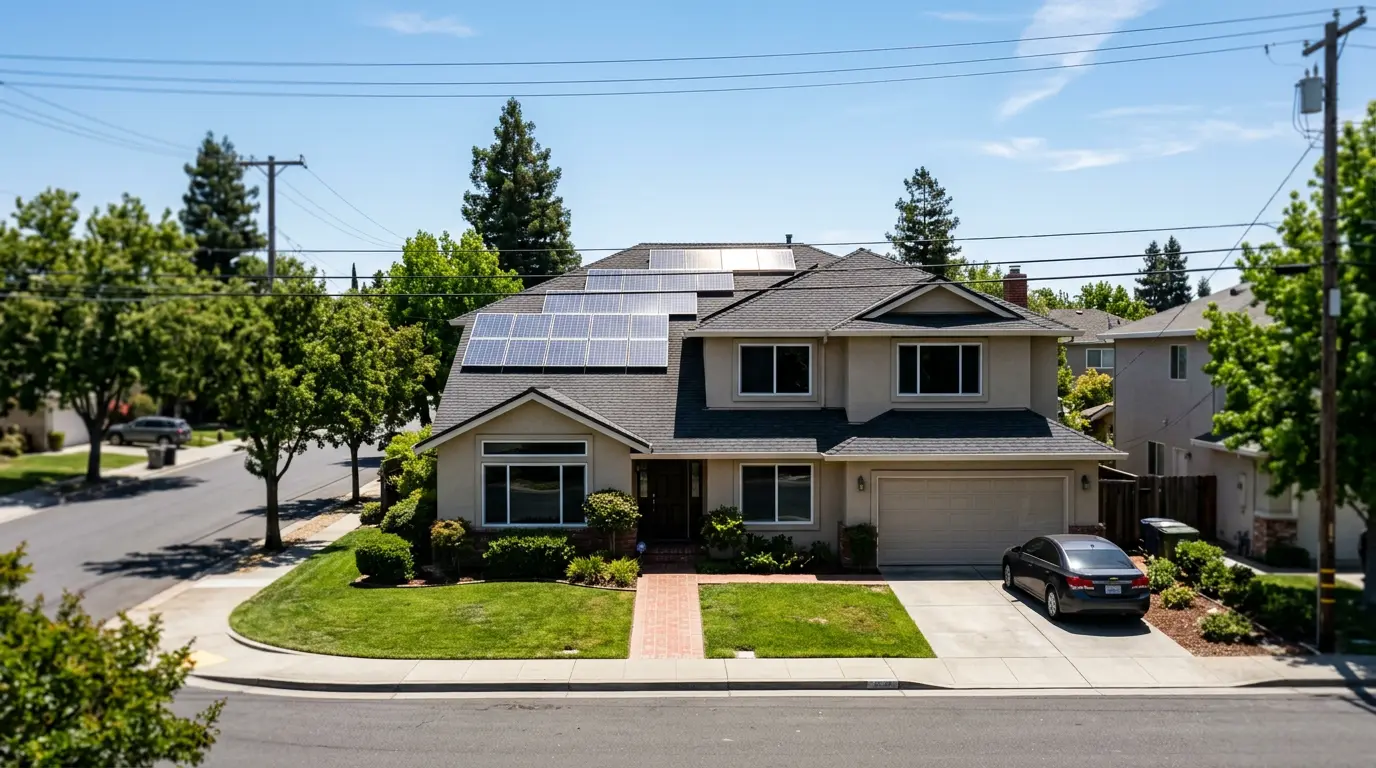
A conventional grid tied solar system usually shuts down when the utility grid loses power, even if the panels are sitting in bright sunlight. The reason is not that the panels suddenly stop making electricity. The grid tied inverter detects the loss of utility voltage and activates anti islanding protection, disconnecting the solar system from the electrical network.
That shutdown protects utility workers and helps prevent a solar installation from energizing an electrically isolated section of the grid during an outage. To keep solar power available at home, the system needs more than panels. It needs suitable inverter controls, equipment that separates the home from the utility, and a configuration designed for backup operation. Batteries are common in these systems, but having a battery does not automatically mean the home has outage backup.
There are limited exceptions, including certain purpose built systems that can power selected loads during daylight without a battery. Those systems are not the normal behavior of ordinary grid tied solar.
Why Conventional Grid Tied Solar Shuts Off During a Blackout
A standard grid tied inverter normally relies on the utility grid as an electrical reference. It works with the grid to supply alternating current to the home and, when applicable, send excess production through the approved grid connection. When utility voltage disappears, the inverter is designed to recognize that condition and stop supplying power.
The principal safety feature involved is called anti islanding. An unintended island occurs when part of the electrical system becomes separated from the utility while a local energy source continues supplying it. In that situation, a solar installation could leave an isolated section of the utility network energized when workers believe it is de energized, or interfere with the process of restoring service.
Anti islanding protection is intended to prevent that condition. The exact detection method and clearing behavior depend on the equipment and the applicable interconnection requirements, so there is not one universal sequence for every inverter. The practical result is usually the same: ordinary grid tied solar disconnects when the utility reference is absent.
This is why sunlight alone does not make a conventional solar system usable during a blackout. The panels may still be receiving sunlight, but a standard grid tied inverter is not designed to create and regulate an independent home electrical system by itself. As the U.S. Department of Energy’s Solar and Resilience Basics explains, solar power needs a properly configured inverter and, for common backup arrangements, storage and supporting equipment to operate independently of the grid.
Excess solar production also cannot simply flow into the neighborhood during an outage. A standard grid tied system must not intentionally energize the utility network when the utility supply has failed. That is the problem anti islanding is designed to prevent.
What a Solar System Needs to Provide Backup Power
A backup capable solar system must intentionally create or support a local electrical island after safely disconnecting from the utility. In plain language, the home needs its own controlled electrical environment during the outage instead of trying to operate as though the utility grid were still present.
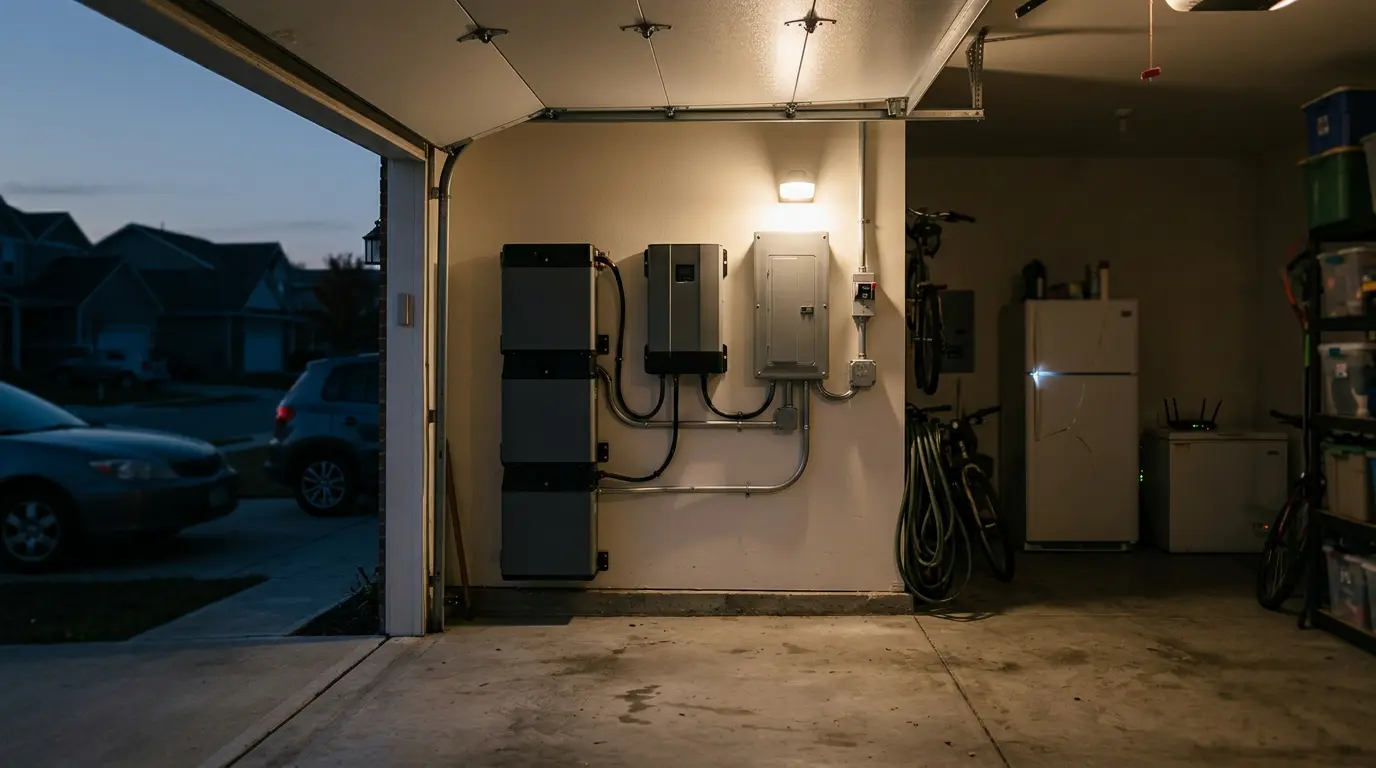
A typical solar plus storage arrangement may include the following components:
- A battery or other supported energy source: Storage supplies energy when solar production is unavailable or insufficient. The battery must be part of a configuration designed for backup, not merely a system intended for energy shifting.
- A compatible bidirectional or hybrid inverter: The inverter must be capable of backup operation and intentional islanding. A hybrid inverter by itself does not prove that the installed system can provide power during an outage.
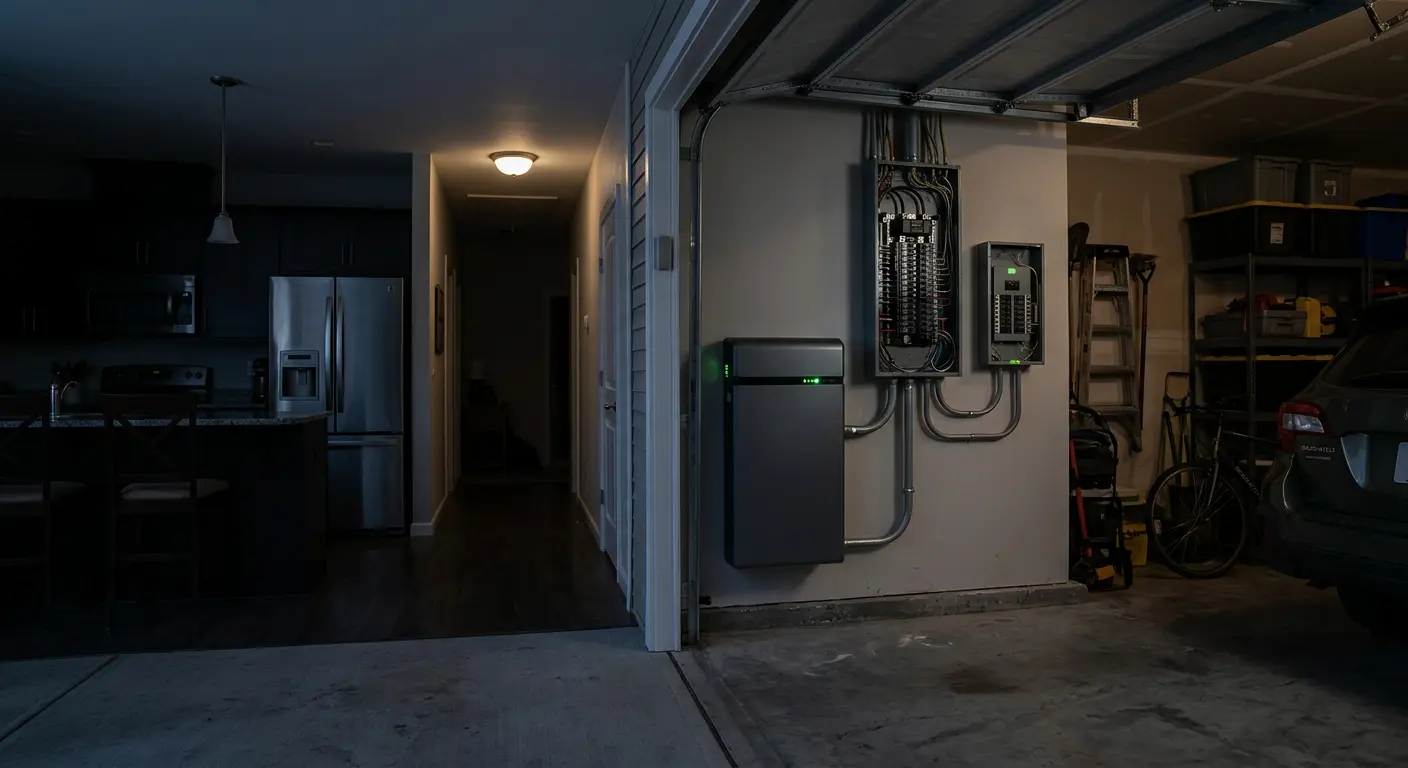
- Transfer, isolation, or microgrid interconnection equipment: This may be called a transfer switch, backup gateway, or microgrid interconnection device. Its job is to disconnect the property, or the backed up circuits, from the utility before local generation supplies them.
- Appropriate controls and wiring: The equipment must be connected, configured, and commissioned for the intended backup mode.
Some systems route selected circuits through a critical loads panel. Others are designed to support a larger portion of the home or the entire home. The exact equipment names vary by manufacturer and system design, but the safety principle remains consistent: the local system must be separated from the utility before it supplies household loads.
That is why “the system has a battery” is not the same statement as “the system has outage backup.” The battery, inverter, controls, isolation equipment, wiring, and commissioning all need to support that function. Product documentation, such as the SolarEdge StorEdge Inverter Installation Guide, describes backup operation as dependent on the compatible backup function and backed up loads configuration being installed and enabled. That documentation applies to the specified equipment and guide version, not automatically to every solar system.
Critical Loads Backup Versus Whole Home Backup
Backup power does not necessarily mean every circuit in the house will remain energized. Many systems are designed to supply selected critical loads through a backed up panel. Possible examples include refrigeration, communications equipment, lighting, or medical equipment, although the actual circuit list depends on the installation.
Whole home backup is a different design goal. It requires equipment and inverter capacity sized for the home’s service and connected loads. Even then, available operation depends on the inverter output, battery capacity, battery state of charge, solar production, system controls, and the demand placed on the system.
High demand or motor starting loads deserve particular attention. Electric resistance heat, central air conditioning, well pumps, water heaters, and electric vehicle chargers may be excluded from a backed up circuits list or may significantly reduce the available backup service. They are not automatically excluded in every system, so the equipment ratings and written backed up loads list matter more than assumptions.
A critical loads design is not necessarily an inadequate design. It is a different way to allocate limited inverter and battery capacity. The useful question is not simply whether a system has backup, but which circuits it supports and for how long under the expected load.
How Long Solar Backup Can Last
There is no single answer in hours or days. Backup duration depends on storage capacity relative to the connected load, along with the way the system is configured and operated.
- Battery state of charge: A system beginning an outage with a low reserve has less stored energy available than one beginning with a higher reserve.
- Connected demand: Large appliances and frequent motor starts can use available energy more quickly.
- Inverter output: The inverter must be able to supply the connected loads, including relevant starting requirements.
- Solar production: When the system is designed to use solar during an outage, available sunlight and weather conditions affect whether the battery can be recharged or the loads can be supported.
- System controls and coverage: A critical loads system has a different energy demand from a whole home system.
Onsite generation can extend outage support when the system is designed to use it. That does not mean the panels will always recharge the battery during an outage. The result depends on compatible equipment, available solar production, controls, battery reserve settings, and the loads operating at the same time.
Ask how the system handles overnight operation, low sunlight, and several cloudy periods. Also confirm whether solar can recharge the battery while the utility is unavailable and what minimum reserve the controls maintain. Those details are more useful than a generic promise of backup power.
Important Exceptions to the Usual Shutdown
Some solar plus battery systems can create or support a local island after disconnecting from the utility. They still need compatible inverter controls and isolation equipment. This is designed intentional islanding, not ordinary grid tied operation.
There is also a limited battery free exception. Certain purpose built systems using grid forming microinverters and load controllers can supply selected loads during a daytime outage without a battery. The documented Enphase Sunlight Backup configuration is an example of this product specific approach. It requires the specified equipment, appropriate commissioning, adequate sunlight, and suitable load controls, and it generally does not provide ordinary overnight backup. It should not be generalized to all microinverters or all solar installations.
Permanently off grid systems are another category. They are not dependent on the utility in the same way as conventional net metered solar, but they require independent voltage and frequency control and usually storage or another dispatchable energy source. An off grid system should not be confused with a conventional grid tied installation.
How to Tell Whether an Existing Solar System Has Outage Backup
Do not rely on the presence of solar panels, a battery, or a hybrid inverter alone. Review the system documents and ask questions that specifically address operation when utility voltage is absent.
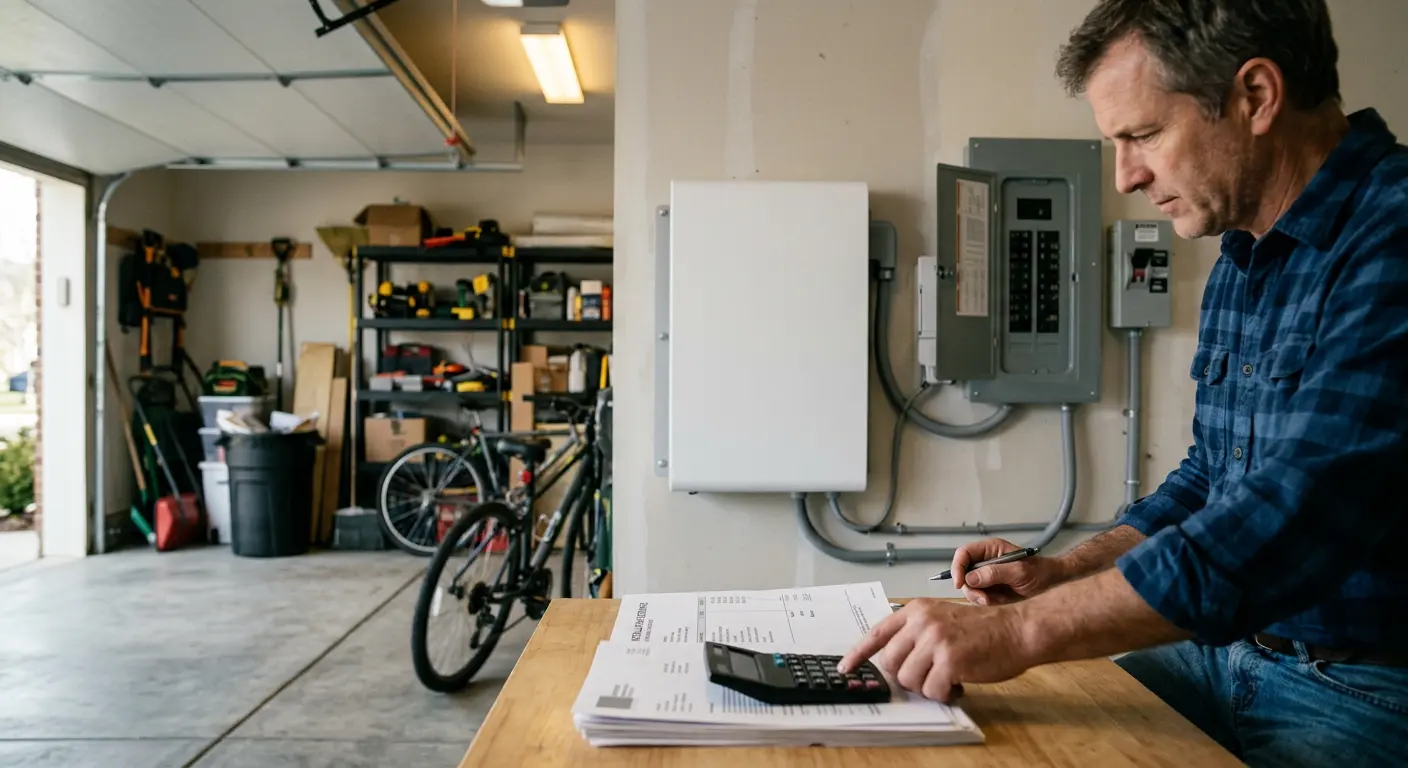
- Review the proposal, one line diagram, inverter model, battery model, and commissioning records. Look for terms such as backup, islanding, grid forming, critical loads, or whole home backup.
- Ask the installer or manufacturer whether the system is designed to operate when utility voltage is absent. Asking only whether the home has solar or batteries is not specific enough.
- Request a written backed up loads list. Confirm which circuits remain energized and whether large loads are included or excluded.
- Identify the isolation equipment, such as a transfer switch, backup gateway, or microgrid interconnection device. Confirm that it disconnects the property from the utility before local generation supplies loads.
- Confirm the outage sequence. Ask whether transfer is automatic or manual, whether there is an expected interruption, whether solar can recharge the battery, what reserve is maintained, and what happens overnight or during low sunlight.
- Have a qualified installer or electrician verify equipment compatibility, commissioning, permits, utility approval, code compliance, and inspection matters that apply to the location and installation date.
Electrical codes, utility interconnection rules, equipment listings, permits, and inspections may differ by location and installation date. Standards such as IEEE 1547 2018 are important technical references, but the supplied information does not establish one nationwide permitting or equipment rule.
Safety Misconceptions to Avoid
Misconception: A battery automatically makes any solar system work during an outage.
Correction: Backup also requires compatible inverter controls, isolation or transfer equipment, appropriate wiring, system controls, and an enabled backup configuration.
Misconception: Backup power means every household circuit will operate normally.
Correction: The system may support only selected critical loads. Even whole home designs are limited by inverter output, battery capacity, connected demand, battery state of charge, and solar conditions.
Misconception: Solar power can be improvised into a home or neighborhood during an outage.
Correction: Do not defeat anti islanding protection or use an improvised connection to backfeed a home or utility circuit. Do not assume that a portable battery or generator can be connected to an existing grid tied solar system without system specific verification.
Frequently Asked Questions
Can Solar Panels Charge a Battery During a Power Outage?
They may be able to if the solar and storage system is specifically designed to operate during an outage. Recharging depends on compatible inverter controls, isolation equipment, available sunlight, system controls, battery reserve settings, and the connected loads.
What Is Anti Islanding, and Why Does It Shut Down a Solar Inverter?
Anti islanding is protection that disconnects distributed generation when the utility supply is interrupted. It helps prevent a solar system from continuing to energize an isolated section of the utility network during an outage.
Do I Need a Battery to Use Solar Power During a Blackout?
A battery is common in solar backup systems, but it is not the only possible configuration. Certain purpose built systems can provide selected daytime loads without a battery. Ordinary grid tied solar panels generally shut down without equipment designed for intentional islanding and safe isolation.
What Is the Difference Between Critical Loads Backup and Whole Home Backup?
Critical loads backup supplies selected circuits through a backed up panel. Whole home backup is designed to supply a larger portion of the home or the entire home, subject to the inverter capacity, battery capacity, connected loads, and system design.
How Can I Tell Whether My Existing Solar System Has Outage Backup?
Review the system proposal, one line diagram, equipment models, and commissioning records for explicit backup terminology. Then ask the installer or manufacturer which circuits are backed up, what isolation equipment is installed, and whether the system is designed to operate when utility voltage is absent.
Will a Solar Battery Keep Air Conditioning, a Well Pump, or an Electric Water Heater Running?
That depends on the system’s inverter output, battery capacity, controls, and backed up loads configuration. These can be high demand or motor starting loads, so they must be verified against the specific equipment and written loads list.
What Happens to Solar Backup Power at Night or During Several Cloudy Days?
Available backup depends on stored energy, connected demand, solar production, and system controls. Ask how the system handles overnight operation, low sunlight, battery reserve, and recharging when the utility is unavailable. The answer is configuration specific rather than universal.
The short version is simple: ordinary grid tied solar usually shuts off during an outage because anti islanding protection removes it from the utility network. Solar backup requires a deliberately designed local power system with compatible inverter controls, safe isolation, and clearly defined backed up loads. Do not defeat that protection or attempt an improvised backfeed connection. Have a qualified installer or electrician verify what the existing system can safely do.