Yes. Renters may benefit from solar without owning a roof or installing panels at home. The main options are community solar, utility administered programs, and some income qualified state or local initiatives.
The catch is that solar savings are not governed by one nationwide renter rule. Eligibility can depend on your location, electric utility, account structure, income, property type, and the specific program. A community solar subscription may lower your costs, but it can also come with a separate fee. Rooftop solar raises a different set of questions involving the property owner, the lease, permits, and utility requirements.
There is also an important federal tax credit timing issue. The Residential Clean Energy Credit was terminated for expenditures made after December 31, 2025. As of October 3, 2026, renters should not treat the former federal credit as a generally available new incentive.
The Main Solar Savings Options Available to Renters
For most renters, community solar is the clearest way to receive solar related savings without modifying the rental property. A typical community solar project uses an off site solar array and allocates participating customers a utility bill credit based on their share of the project’s generation. The U.S. Department of Energy’s community solar guidance specifically identifies renters and households without suitable roofs as potential users.
Other possibilities may include shared solar, utility bill credit programs, green power programs, weatherization assistance, rebates, grants, performance based incentives, and income qualified energy initiatives. These programs are not interchangeable. A bill credit reduces or offsets a utility charge, while a rebate, grant, discount, or avoided energy cost works differently and may have different eligibility rules.
Some programs are designed for the person who holds the utility account. Others are intended for equipment owners, landlords, multifamily properties, housing providers, or households that meet income requirements. Paying the electric bill does not automatically make a renter eligible for every available incentive.
A renter who does not pay the electric bill directly may not receive a conventional bill credit at all. In multifamily housing, a benefit may instead be distributed through the property owner, housing provider, common area account, or another program arrangement. The utility and program administrator can explain which account receives the benefit.
How Community Solar Works for Renters
Community solar allows multiple customers to benefit from an off site solar project. Instead of placing panels on the rental home, a renter subscribes to a participating project or purchasing program. The subscriber typically receives a credit on the electric bill based on the project’s generation and the subscriber’s share.
That arrangement can make solar accessible to apartment residents, renters with shaded roofs, and households whose homes are not suitable for panels. It does not mean every renter can enroll. Many programs require the customer to receive electric service from a participating utility or to live within a defined geographic area.
Program design varies by state and utility. Differences may include eligibility screening, income qualified participation, available incentives, credit calculations, and service territory requirements. The Environmental Protection Agency’s community shared solar guidance describes this variation and the ways these programs may expand access for renters and households with limited options for installing solar at home.
A standard subscription to an off site project is not the same as installing equipment at the rental property. Landlord permission may not be required for the subscription itself, but the subscription contract controls what happens if you move. Depending on the program, moving may require a transfer, cancellation, or new enrollment at the next address.
Do not assume that every electric bill displays a community solar credit in the same way. Ask the utility how the credit will appear and confirm which account will receive it before enrolling.
Community Solar Is Not Automatically Free or Profitable
Community solar can produce net savings, but it can also create additional costs. Subscribers generally pay a separate subscription fee and receive a utility bill credit. The result depends on the relationship between those two amounts.
The U.S. Department of the Treasury warns that electricity from a community solar project could be more expensive than ordinary utility service. Before signing, compare the subscription fee with the expected utility bill credit using the same dollar or kilowatt hour basis. A large looking credit is not necessarily a good deal if the subscription fee is larger.
Review the contract for:
- The subscription fee and any enrollment fee
- The expected credit rate and how the credit is calculated
- The contract term and any minimum commitment
- Whether the fee or credit can change
- Cancellation, transfer, and early termination terms
- Credit checks, missed payment consequences, and other account requirements
- What happens if the project is delayed or produces less electricity than projected
- Whether savings are guaranteed or only estimated
Consumer protections also vary by jurisdiction. Look for transparent pricing, clear savings disclosures, an accessible complaint process, and reasonable cancellation or transfer terms. The contract should explain the arrangement plainly. If the promised savings require a calculator, a magnifying glass, and a heroic amount of patience, pause before signing.
For more contract guidance, review the Treasury consumer advisory on community solar subscription contracts.
Income Qualified and Utility Programs for Renters
Low and moderate income renters may qualify for targeted community solar or Solar for All type programs supported by federal funding. These programs can provide an access route for households that cannot install solar at home, but availability and enrollment are determined locally.
Income rules, program launch status, enrollment procedures, benefit levels, and savings guarantees can differ substantially. The existence of a program does not establish that every renter in the area qualifies.
The District of Columbia Solar for All program is one documented local example involving low and moderate income renters and homeowners. It should be treated as a District of Columbia example, not as a nationwide eligibility rule or a promise that an identical program is available elsewhere.
Start with the electric utility’s official website or customer service department. Ask about community solar, shared solar, bill credit programs, green power programs, weatherization, and income qualified energy assistance. Also use the Department of Energy’s Solar Power in Your Community Guidebook as a referral point for state, local, and utility incentives.
When checking a program, ask whether eligibility depends on owning the equipment, holding the utility account, occupying the property, meeting an income threshold, or obtaining landlord authorization. Those details can determine whether the opportunity belongs to the renter, the property owner, or someone else involved in the account.
Rooftop Solar and the Federal Residential Clean Energy Credit
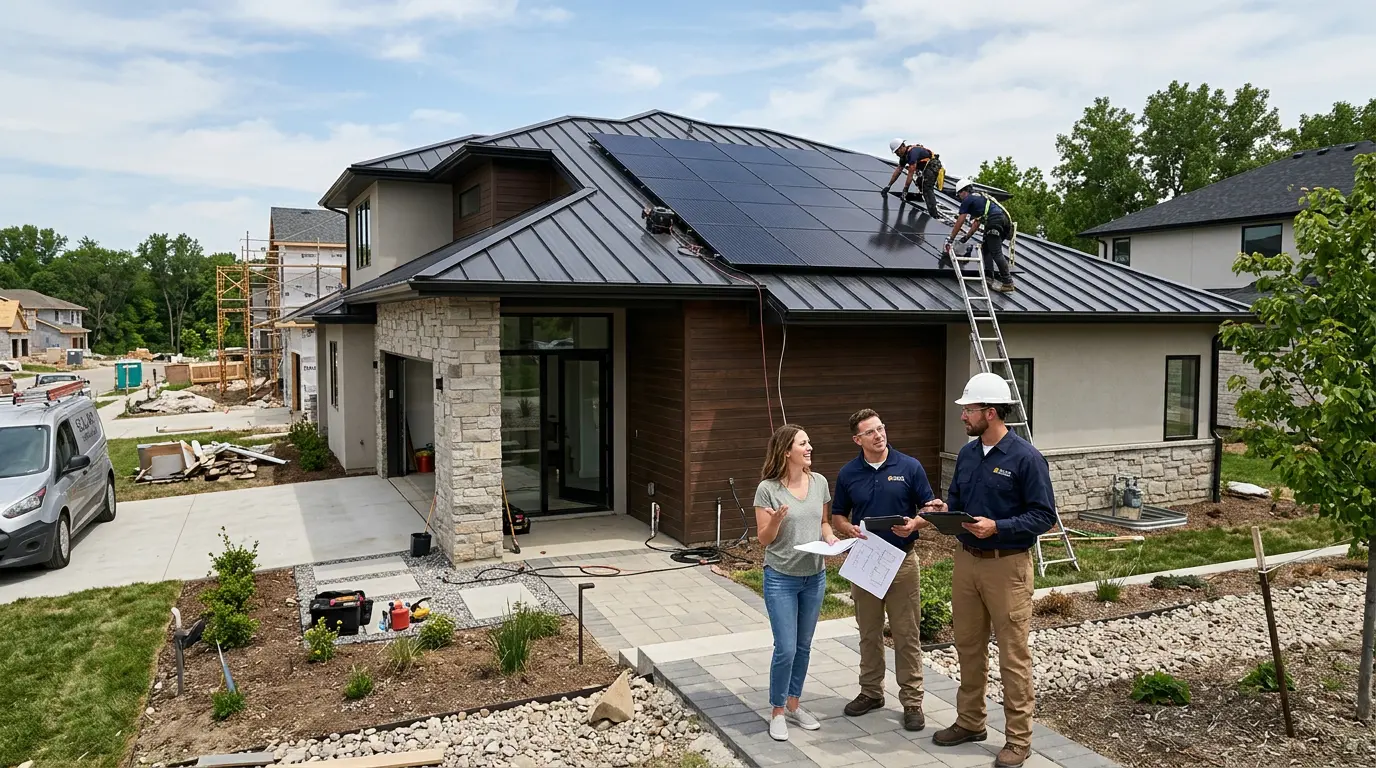
Installing rooftop solar at a rental home is a separate matter from subscribing to community solar. A renter generally cannot attach panels, alter the roof, modify wiring, or connect equipment to the utility system without addressing the owner’s approval, lease terms, local permits, utility rules, and other applicable requirements.
Written approval should address who owns the equipment, who pays for repairs and roof work, who receives any available incentives, what happens when the renter moves, and who removes the system and restores the property. A historical tax rule did not give a renter the right to make permanent changes to someone else’s building.
IRS guidance historically stated that a taxpayer could claim the Residential Clean Energy Credit for qualifying solar property installed at the taxpayer’s rented main home. The same guidance stated that a landlord who did not live in the home could not claim the residential credit under that provision.
That historical treatment is not a generally available new renter incentive in 2026. Public Law 119 21 terminated the credit for expenditures made after December 31, 2025. For an earlier expenditure or an unusual situation involving installation completion, payment, or transition details, consult the Internal Revenue Service guidance and verify the facts directly.
Special Issues for Subsidized and Affordable Rental Housing
Renters receiving HUD assistance or living in income restricted housing should check one additional issue before enrolling in community solar: how the bill credit may affect the property’s utility allowance, tenant rent, income calculations, or reporting obligations.
The Department of Energy identifies the relationship between community solar savings, utility allowances, rent, and income as a material issue. It does not establish one nationwide calculation that applies to every assisted renter.
Before enrolling, ask the housing authority, property manager, or program administrator for an explanation of how the credit will be treated. Do not assume that it is always excluded from or always included in the relevant housing calculation.
Multifamily properties may also distribute benefits through an owner, housing provider, common area account, or another arrangement rather than placing a conventional credit on each tenant’s electric bill. The account structure matters, so identify who receives the credit and how the renter benefits.
How Renters Should Check Eligibility and Evaluate an Offer
A few verification steps can prevent an attractive solar offer from becoming an expensive monthly surprise.
- Confirm that your service address and electric utility are within the program’s service territory and that your account meets the program’s requirements.
- Compare the subscription fee with the expected utility bill credit. Ask whether either amount can change and whether the savings are guaranteed or estimated.
- Ask in writing about the contract term, cancellation, transfer after a move, early termination charges, enrollment fees, credit checks, missed payments, project delays, and lower than projected generation.
- For rebates and other incentives, confirm the eligible applicant, equipment owner, utility account holder, occupant, property owner, and income requirements with the administering agency.
- If rooftop equipment is being considered, obtain written landlord approval before signing an installer agreement. Clarify ownership, maintenance, roof work, incentives, removal, and restoration responsibilities.
- If you receive housing assistance, ask the housing authority, property manager, or program administrator how the credit affects utility allowances, rent, income calculations, and reporting.
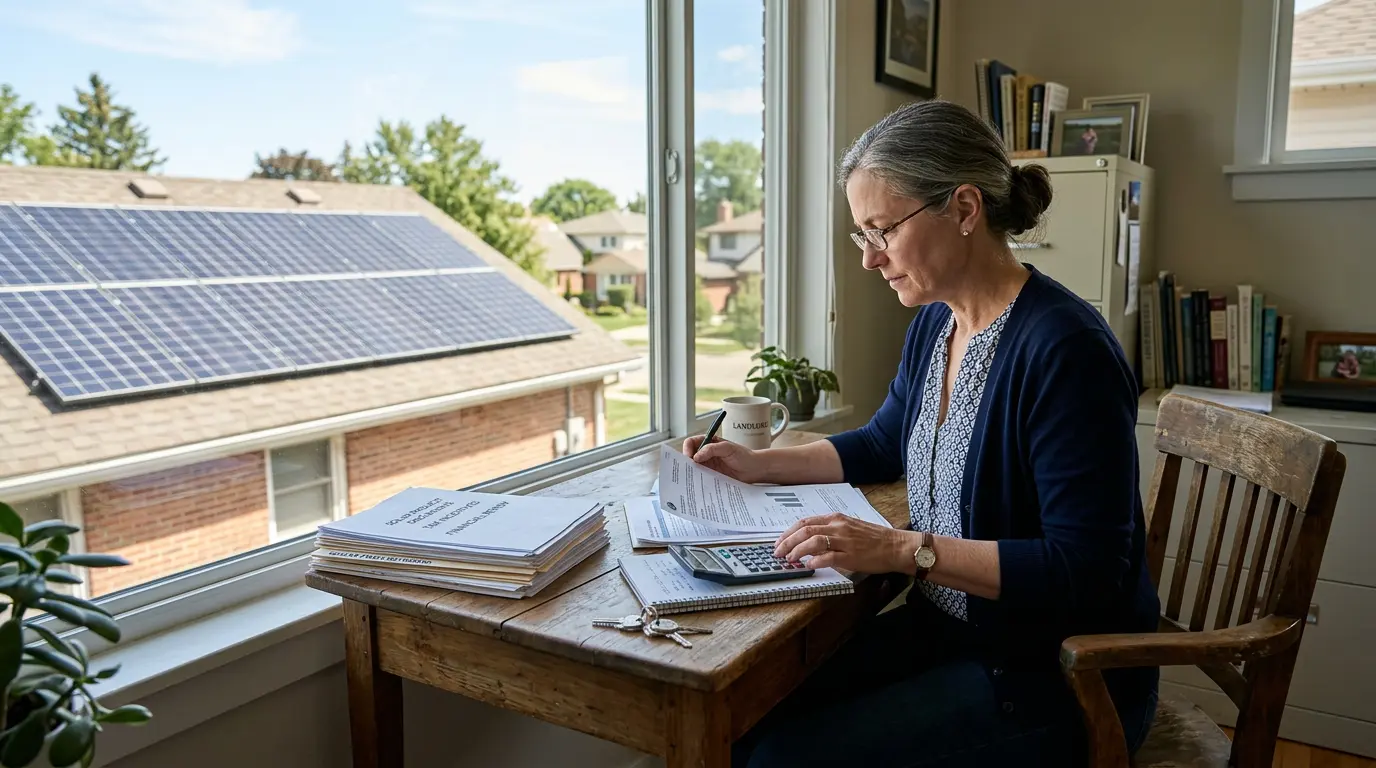
Keep the contract, utility bills from before and after participation, credit statements, eligibility documents, landlord approvals, and program correspondence. These records do not guarantee savings, but they make it easier to check whether the promised benefits were actually delivered.
Common Misconceptions About Solar Incentives for Renters
Misconception: Renters cannot benefit from solar because they do not own the roof.
Correction: Community solar and other distributed solar programs may allow renters to receive benefits without installing panels on the rental home. Eligibility and savings still depend on the local program and utility.
Misconception: Community solar always means free electricity.
Correction: A subscriber may pay a separate fee and receive a utility bill credit. The arrangement may produce net savings or additional costs.
Misconception: The federal 30 percent residential solar tax credit is generally available to renters in 2026.
Correction: The credit historically applied in some circumstances to qualifying solar property at a renter’s main home, but it was terminated for expenditures after December 31, 2025.
Misconception: Solar bill credits are treated the same way in every affordable housing program.
Correction: A credit may interact with utility allowances, rent, or related calculations. The housing administrator must explain the treatment for the specific program.
Misconception: A utility rebate automatically belongs to the renter who pays the electric bill.
Correction: Eligibility may depend on the applicant, equipment owner, utility account holder, property owner, income status, or program design.
Frequently Asked Questions
Can renters sign up for community solar without their landlord’s permission?
Often, a standard subscription to an off site community solar project is separate from making changes to the rental property. Whether permission is needed depends on the program and contract. Installing panels or modifying the property is different and generally requires owner approval along with other applicable requirements.
How do community solar credits appear on a renter’s electric bill?
The subscriber typically receives a utility bill credit based on the project’s generation and the subscriber’s share. The exact billing format varies, so ask the participating utility how the credit will appear and which account receives it.
Can a renter lose money on a community solar subscription?
Yes. The subscription fee may be greater than the value of the utility bill credit, particularly if pricing changes or the project produces less electricity than projected. Compare both amounts before enrolling.
What happens to a community solar subscription when the renter moves?
The contract controls. A move may require transferring the subscription, canceling it, or enrolling again at the new address. Confirm these terms before signing.
Can renters receive solar savings if electricity is included in the rent?
It depends on the account and program structure. A renter who does not pay the electric bill directly may not receive a conventional bill credit. Benefits may instead be distributed through the property owner, housing provider, common area account, or another arrangement.
Can renters in subsidized housing participate in community solar without affecting their utility allowance?
Do not assume that the credit will have no effect. DOE identifies possible interactions with utility allowances and related housing calculations, so ask the housing authority, property manager, or program administrator before enrolling.
Can a renter claim a solar tax credit for panels installed at a rental home?
IRS guidance historically stated that a taxpayer could claim the Residential Clean Energy Credit for qualifying solar property installed at the taxpayer’s rented main home. The credit was terminated for expenditures after December 31, 2025, so any earlier or unusual situation requires direct IRS verification.
Renters can benefit from solar, but the most realistic path is often an off site program rather than rooftop equipment. Check the utility territory, identify who receives the credit, compare the subscription fee with the expected savings, and confirm any housing assistance or contract consequences before enrolling.