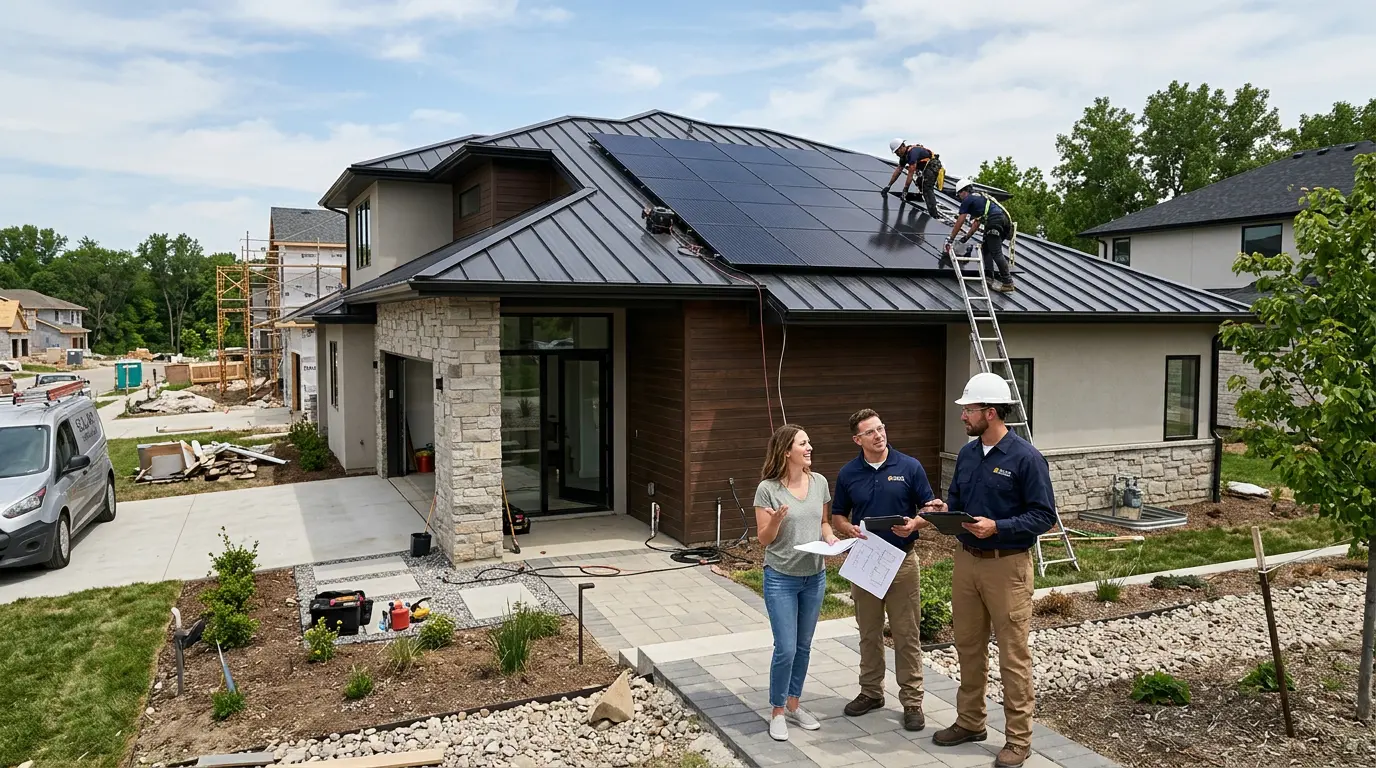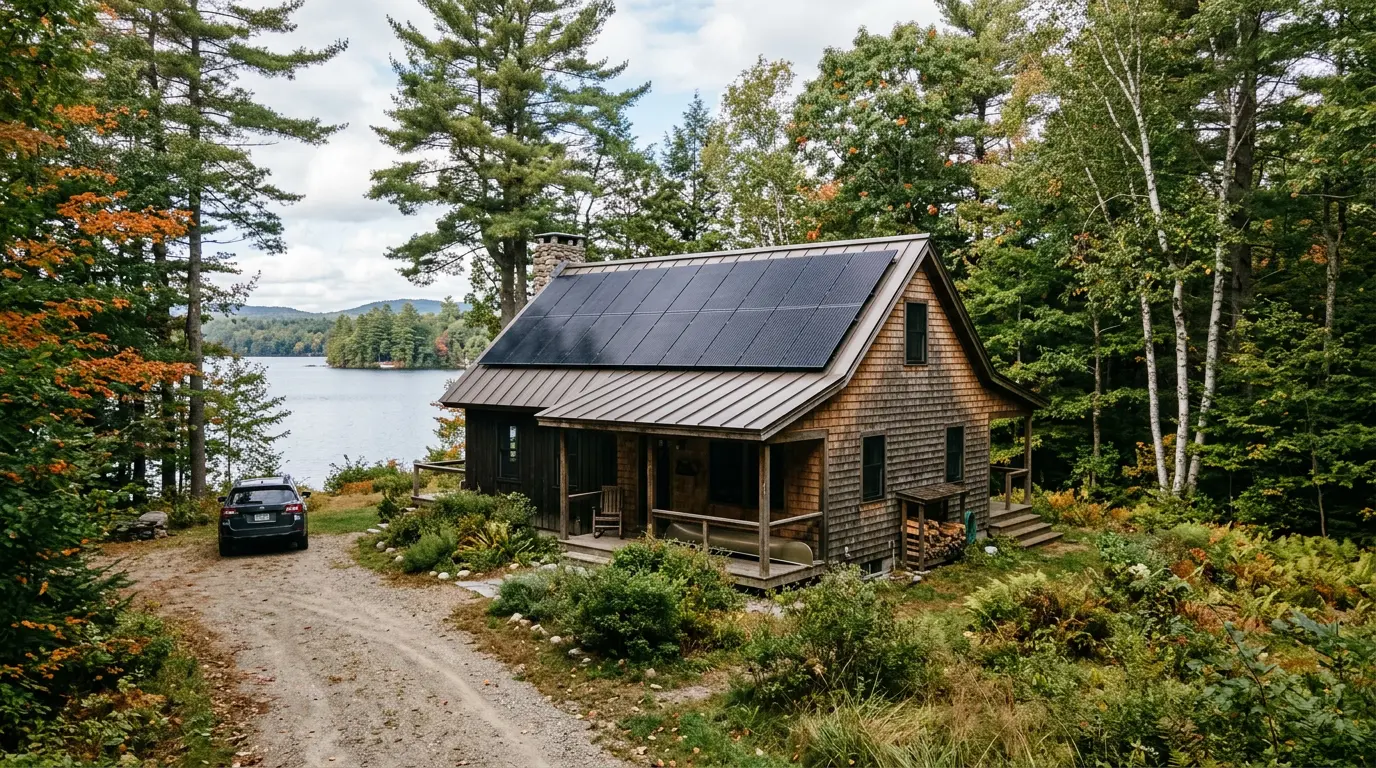
Yes, a second home could qualify for the federal Residential Clean Energy Credit when it was located in the United States and used as a residence by the taxpayer. The home did not generally have to be the taxpayer’s principal residence.
There is an important timing limitation, though. The federal credit was terminated for expenditures made after December 31, 2025. Under the IRS guidance, the relevant date is generally when original installation was completed, not when a contract was signed or a deposit was paid. State, local, utility, and other incentives may still follow their own rules.
That means the property’s label is only the beginning of the analysis. A personally used vacation home, a home rented by the taxpayer, a property rented to guests, and a home used partly for personal purposes and partly for rental use can receive different treatment.
The Federal Answer: A Second Home Could Qualify, but the Timing Rule Now Controls
Under the former federal Residential Clean Energy Credit in Internal Revenue Code §25D, qualifying solar electric property could be installed at a United States home used as a residence by the taxpayer. IRS guidance specifically indicated that the home could be the taxpayer’s second home, and it could also be a home rented by the taxpayer for personal residential use.
For qualifying solar electric property, the home generally did not have to be the taxpayer’s principal residence. This is different from assuming that every technology covered by the former residential credit followed exactly the same rule. Fuel cell property, for example, had a stricter principal residence requirement.
The historical federal credit was generally 30 percent for qualifying property under the Inflation Reduction Act schedule. That schedule covered qualifying property placed in service during 2022 through 2032, but later federal legislation terminated the credit for expenditures made after December 31, 2025. As of the October 3, 2026 research date, the historical 30 percent schedule should not be presented as available for a new project whose original installation was completed after that date.
For additional federal details, readers can review the IRS Residential Clean Energy Credit FAQ and Fact Sheet and the IRS FAQ on the federal law changes.
The federal answer also does not decide whether a second home qualifies for a state tax credit, utility rebate, grant, net metering program, or another local incentive. Those programs may define residence, ownership, occupancy, equipment, and deadlines differently.
Personal Use, Ownership, and Rental Status
The central federal distinction is generally personal residential use compared with property used solely for rental or business purposes. Owning a home does not, by itself, establish that the owner can claim the former residential credit.
Consider the difference between these roles:
- Owner who personally uses the home: A qualifying second home used as a residence by the taxpayer could potentially fit the former federal residential rule.
- Taxpayer who rents a second home for personal use: IRS guidance indicated that a home rented by the taxpayer could potentially qualify when the taxpayer used it as a residence.
- Owner who rents the property to guests or tenants: An owner who does not personally use the property as a residence generally cannot claim §25D for a purely rental property.
- Landlord with no personal residential use: The residential credit analysis is different from any possible business or investment tax treatment.
That last distinction deserves care. Historical Department of Energy guidance discussed the possibility that a solar system on a rental unit might be considered under a business investment credit rather than the residential credit. That historical discussion does not establish a current business credit entitlement under the post 2025 federal tax law. A rental property therefore needs a current tax analysis rather than a quick substitution of one credit for another.
In practical terms, ask who is claiming the incentive, who owns the property, who lives there, and how the home is actually used. The words “vacation home” and “investment property” do not answer those questions by themselves.
Mixed Personal and Rental Use Requires Fact Specific Analysis
A vacation home that the owner uses personally during part of the year and rents during the rest cannot be resolved simply by applying the label “second home.” Personal use days, rental arrangements, ownership, tax reporting, and the way the solar equipment serves the property may all matter.
There is no single percentage allocation established in the supplied IRS guidance for every mixed use solar installation. A property used both personally and for rental purposes may require a closer review of the facts rather than an automatic yes or no.
Also avoid using the IRS vacation property thresholds as a shortcut. The 14 day and 10 percent of rental days tests concern rental income and expense treatment. They are not a universal test for eligibility under §25D.
If personal use and guest rental use overlap, obtain a current tax analysis before claiming a residential credit. Occasional personal use does not automatically settle the question, and rental use does not automatically provide a simple disqualification or qualification rule.
Installation Completion Date Matters More Than the Payment Date
For the former federal credit, the installation completion date matters more than the date money changed hands. IRS guidance generally treats the expenditure as made when original installation is completed.
As a result, a signed contract, equipment delivery, loan closing, or deposit paid before December 31, 2025 did not necessarily preserve eligibility. If original installation was completed after December 31, 2025, the terminated federal credit generally cannot be claimed for that expenditure.
For an installation potentially completed by the deadline, retain records that help establish what happened and when:
- Contracts and invoices
- Payment records
- Permits
- Interconnection or inspection documents
- Equipment specifications
- Evidence of the original installation completion date
Documentation supports the eligibility analysis, but keeping paperwork does not replace the underlying requirements. When a project crossed the federal deadline, the exact completion date should be reviewed carefully.
Which Property and Equipment the Federal Rule Covered
The second home question most often involves solar electric property, but the former federal residential clean energy categories also included solar water heating property, small wind property, geothermal heat pump property, and qualified battery storage technology.
For battery storage, the IRS guidance identified a capacity requirement of at least 3 kilowatt hours. That figure is one federal qualification condition, not a guarantee that every battery qualifies for every federal, state, local, or utility incentive. Equipment rules still matter, so manufacturer documentation should be retained.
The principal residence rule was also stricter for fuel cell property than for solar electric property. In other words, the fact that a second home could qualify under the former solar electric rule should not be generalized to every technology in the residential energy category.
State, Local, Utility, and Other Incentives May Use Different Rules
A federal second home analysis is not a universal answer for other incentives. State energy programs, local governments, utilities, installers, and program administrators may use their own definitions of residence, primary residence, owner occupancy, vacation rental, and eligible customer.
Before assuming that a second home qualifies, check the exact program and verify requirements such as:
- Primary residence or owner occupancy rules
- Treatment of vacation rentals and tenant occupied properties
- Income limits
- Utility territory or customer account requirements
- Equipment and battery requirements
- Interconnection requirements
- Installation deadlines
A second home might be treated differently by a utility or state program than it was under the former federal rule. Contact the relevant state energy office, local government, utility, or program administrator for the terms that apply to the specific property.
Practical Eligibility and Documentation Checklist
Use this checklist to organize the questions before claiming an incentive:
- Confirm that the property is in the United States and document how the person claiming the incentive uses it as a residence.
- Identify the claimant’s role. Is the person the owner, tenant, landlord, or another occupant? Keep ownership or lease records, utility records, occupancy information, and the installation address.
- If the project may have been completed by December 31, 2025, verify the original installation completion date. Do not rely on the payment date alone.
- Retain contracts, invoices, payment records, permits, inspection or interconnection records, equipment specifications, and related completion documentation.
- Confirm the equipment category and applicable requirements. For battery storage, verify the qualifying capacity and equipment documentation.
- For guest rental, tenant rental, or mixed use property, obtain a current tax analysis before claiming a residential credit or assuming that business treatment applies.
- For nonfederal incentives, contact the applicable program administrator and verify residence, ownership, customer account, equipment, and deadline rules.
Common Misconceptions About Second Home Solar Incentives
Misconception: A solar system must be installed on the taxpayer’s primary residence.
Correction: Under the historical federal solar rule, a qualifying second home could qualify if it was a United States residence used by the taxpayer. That does not establish current eligibility for a project whose original installation was completed after December 31, 2025.
Misconception: Owning a vacation rental automatically makes the installation eligible for the residential credit.
Correction: An owner who does not use the property as a residence generally cannot claim §25D for a purely rental property.
Misconception: Paying the installer before December 31, 2025 preserved the federal credit.
Correction: Original installation completion generally controls the expenditure date, not simply the contract date, deposit date, or payment date.
Misconception: The IRS 14 day or 10 percent of rental days test automatically decides solar credit eligibility.
Correction: Those thresholds concern rental income and expense treatment. They are not a universal §25D eligibility test.
Frequently Asked Questions
Can I claim a federal solar tax credit for a vacation home I use only a few weeks each year?
Under the historical federal rule, a second home could potentially qualify if it was a United States home used as a residence by the taxpayer. The amount and nature of personal use, installation completion date, and other requirements still matter. New expenditures whose original installation was completed after December 31, 2025 generally cannot qualify for the terminated credit.
Does it matter whether I own the second home or rent it from someone else?
Yes. IRS guidance indicated that a taxpayer who rents a home and uses it as a residence may potentially qualify under the former residential rule. An owner who does not personally use the property as a residence generally cannot claim the residential credit for a purely rental property.
Can a landlord claim a solar incentive for a property rented to vacation guests?
A landlord who does not personally use the property as a residence generally cannot claim §25D as a residential credit for a purely rental property. Any separate business or investment tax treatment requires current verification and should not be assumed from historical guidance.
What if I use my second home personally but rent it out during the rest of the year?
That is a mixed use situation requiring fact specific analysis. Personal use, rental arrangements, ownership, tax reporting, and how the equipment serves the property may matter. The 14 day and 10 percent of rental days thresholds do not automatically decide solar credit eligibility.
Does paying a solar deposit before the federal deadline preserve eligibility?
Not necessarily. Under the IRS guidance, the expenditure is generally treated as made when original installation is completed. A deposit, signed contract, equipment delivery, or loan closing before December 31, 2025 does not by itself establish eligibility.
Can a second home qualify for state or utility solar incentives even if the federal credit does not?
Possibly, but the answer depends on the exact program. State, local, and utility incentives may impose different residence, ownership, customer account, equipment, and deadline requirements.
Are solar batteries treated differently from solar panels at a second home?
Battery storage was a separate covered category under the former federal residential clean energy rules, and the IRS guidance identified a capacity requirement of at least 3 kilowatt hours. Equipment eligibility and the property and claimant requirements still apply, and local programs may use different rules.
A second home was not automatically excluded from the former federal solar credit simply because it was not a primary residence. Personal residential use, the owner and occupant relationship, rental activity, qualifying equipment, and original installation completion date all matter.
For a project completed by December 31, 2025, preserve the records needed to evaluate the federal rules. For a rental, mixed use, post deadline, or nonfederal incentive question, verify the current requirements with a tax professional or the applicable program administrator before relying on the incentive.