Yes, a commercial roof warranty may transfer when a building is sold, but the transfer is not automatic. The answer depends on the specific manufacturer warranty, contractor guarantee, roofing system, and ownership transfer terms. Some warranties allow a transfer, while others are limited to the original owner.
Before closing, the buyer and seller should review the complete warranty or guarantee, confirm whether assignment is allowed, submit any required transfer request, meet the applicable deadline, and preserve maintenance and repair records. A clear paper trail can make the warranty much easier to understand and administer after the sale.
Commercial roof warranty transfer issues to review
| Review item | What the documents may establish | Practical action |
|---|---|---|
| Transferability | Some commercial warranties are transferable, while others may not be transferable. | Read the issued warranty and confirm eligibility with the manufacturer. |
| Transfer procedure | A formal form, notice, deadline, or fee may apply. | Submit the request promptly and retain written confirmation. |
| Maintenance obligations | Routine inspections and maintenance may be owner responsibilities and may affect coverage. | Compare maintenance records with the requirements stated in the warranty. |
| Exclusions | Coverage may exclude neglect, unauthorized work, weather events, alterations, or components outside the defined system. | Review exclusions before assuming a future leak will be covered. |
| Documentation | Warranty records, serial numbers, maintenance files, inspections, repairs, and photographs can help establish the roof’s history. | Include the complete roof file in the acquisition or closing handoff. |
| Separate workmanship coverage | Manufacturer coverage and contractor workmanship coverage may be different agreements. | Verify the transferability of each document separately. |
The specific warranty or guarantee controls. Manufacturer examples show why owners should review the document issued for the particular building rather than rely on a general statement about a brand’s warranties. For example, Holcim Elevate’s Red Shield warranty information describes commercial warranties that may transfer, while the terms can vary by roofing system.
What to check in the warranty or guarantee
Start by identifying exactly what coverage exists. A commercial roof may have a manufacturer warranty, a manufacturer backed system guarantee, a contractor workmanship warranty, or more than one of these documents. They may cover different issues and have different rules for transferring to a new owner.
Request the complete issued warranty or guarantee. A certificate, sales proposal, or marketing summary may not contain the terms needed to determine whether coverage transfers. Review the following points:
- Whether assignment to a new owner is permitted.
- Whether the transfer is limited to one occurrence.
- Whether the buyer must submit a form or written notice.
- The required deadline and any transfer fee.
- Whether coverage changes after the transfer.
- The remaining term and commencement date.
- Required inspections, maintenance, and repair procedures.
- Exclusions involving alterations, rooftop equipment, unauthorized penetrations, ponding water, weather events, neglect, or other conditions stated in the document.
Transfer procedures differ among manufacturers and warranties. Carlisle provides a specific warranty transfer form, while a sample Johns Manville guarantee includes a transfer fee deadline of 30 days after the building ownership transfer. That 30 day period should not be applied to another warranty without checking its terms.
Manufacturer coverage and workmanship coverage
A manufacturer warranty and a roofing contractor’s workmanship warranty are separate obligations unless the documents say otherwise. Coverage can vary based on the roofing system, installation method, and contractor involved. A manufacturer warranty transfer therefore does not automatically transfer a contractor’s workmanship promise.
Ask whether each document transfers separately, who administers it, and whether later repairs or alterations affect eligibility. Keeping the original project contract can help clarify the contractor’s responsibilities. For additional context, review what a roof replacement contract should include.
Maintenance and records that support coverage
Maintenance is more than a general best practice in some warranty documents. Routine inspections and maintenance may be assigned to the building owner, and neglect or failure to use reasonable care may be excluded from coverage. Some commercial warranty guidance also states that regular maintenance may be required to keep coverage in effect.
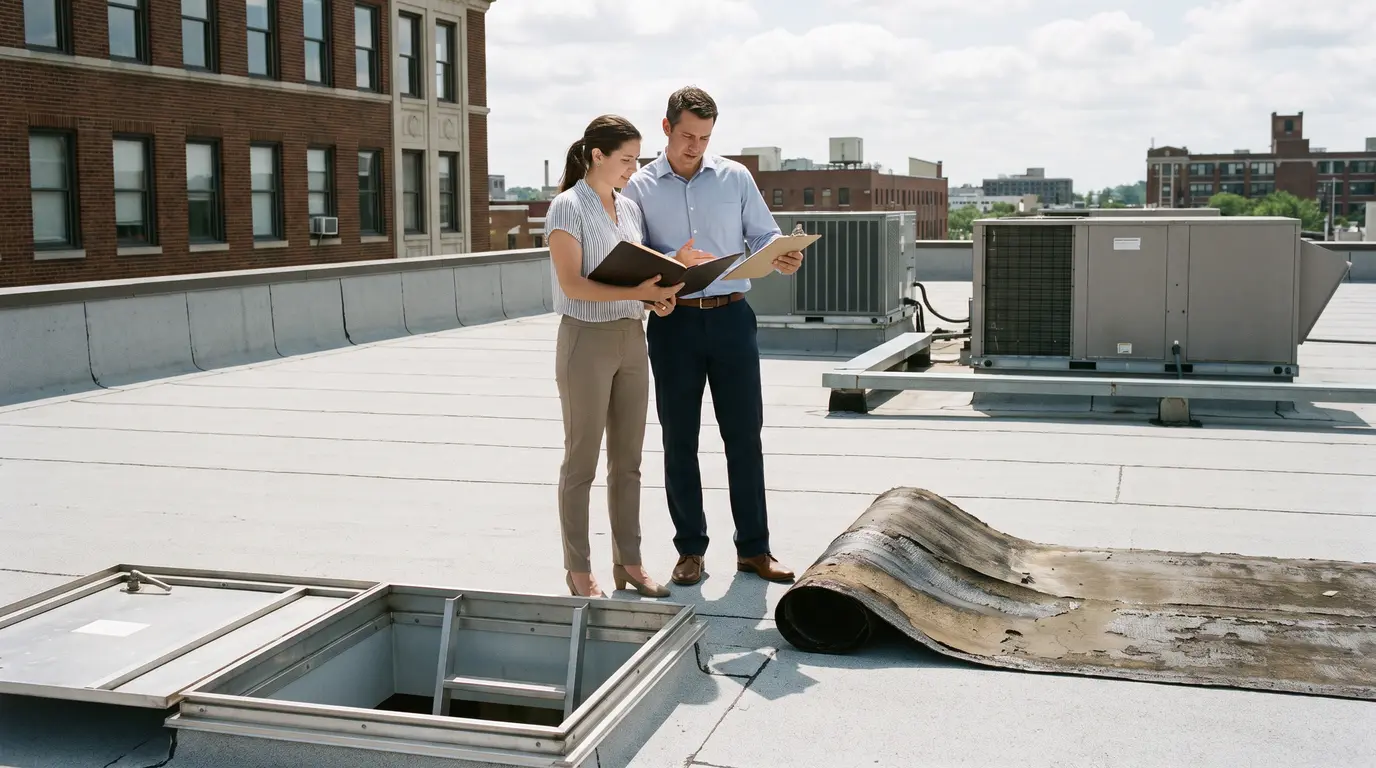
The required standard must come from the actual warranty, owner’s manual, or guarantee. A general recommendation about roof care is not automatically a warranty condition. Buyers and sellers should compare the stated requirements with the records available for the property.
Before acquiring the building, ask for:
- The complete warranty or guarantee.
- Transfer forms and written transfer confirmations.
- Installation and project records.
- Maintenance and inspection reports.
- Repair invoices and descriptions of completed work.
- Photographs, roof plans, and roof system information.
- Documentation for rooftop equipment and later alterations.
Missing records may make it harder to demonstrate compliance with warranty conditions, but the effect depends on the wording of the particular warranty. Carlisle’s owner guidance also emphasizes retaining records related to the roofing system, including the warranty document, serial number, and maintenance information.
Confirm the transfer in writing
A purchase agreement or deed should not be treated as proof that the manufacturer’s warranty administration has been updated. Confirm the transfer directly with the manufacturer or warranty administrator. Request written confirmation that identifies the new owner and the property, and retain that confirmation with the roof records.
The same approach applies to the contractor’s workmanship coverage. Ask the seller and contractor what notice, documentation, or approval is needed, if any, for that separate coverage to transfer.
Exclusions and roof changes
A warranty is not a promise that the roof will never leak or require repairs. Coverage is limited to the components, causes, and circumstances described in the document. Exclusions may involve natural disasters, misuse, neglect, failure to maintain, or certain installation and material issues outside the expressly covered system.
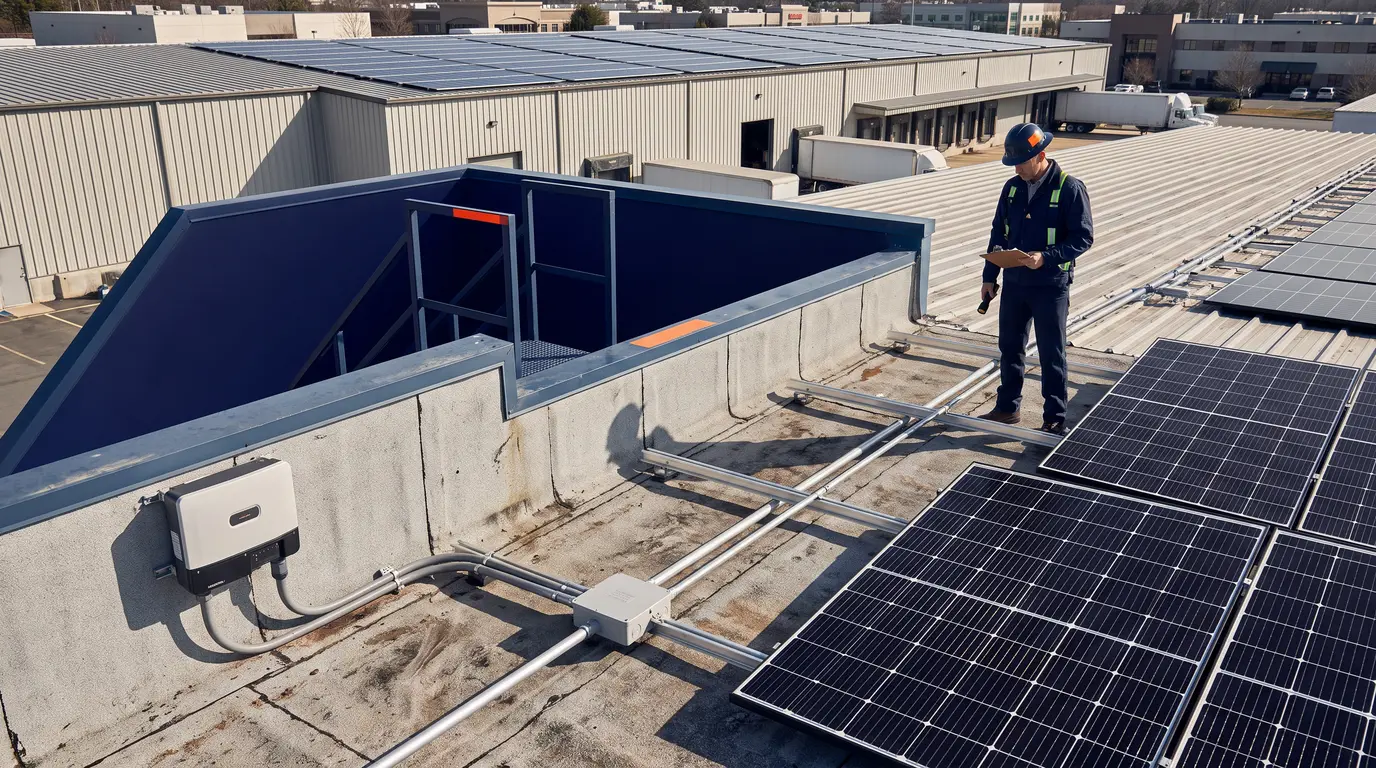
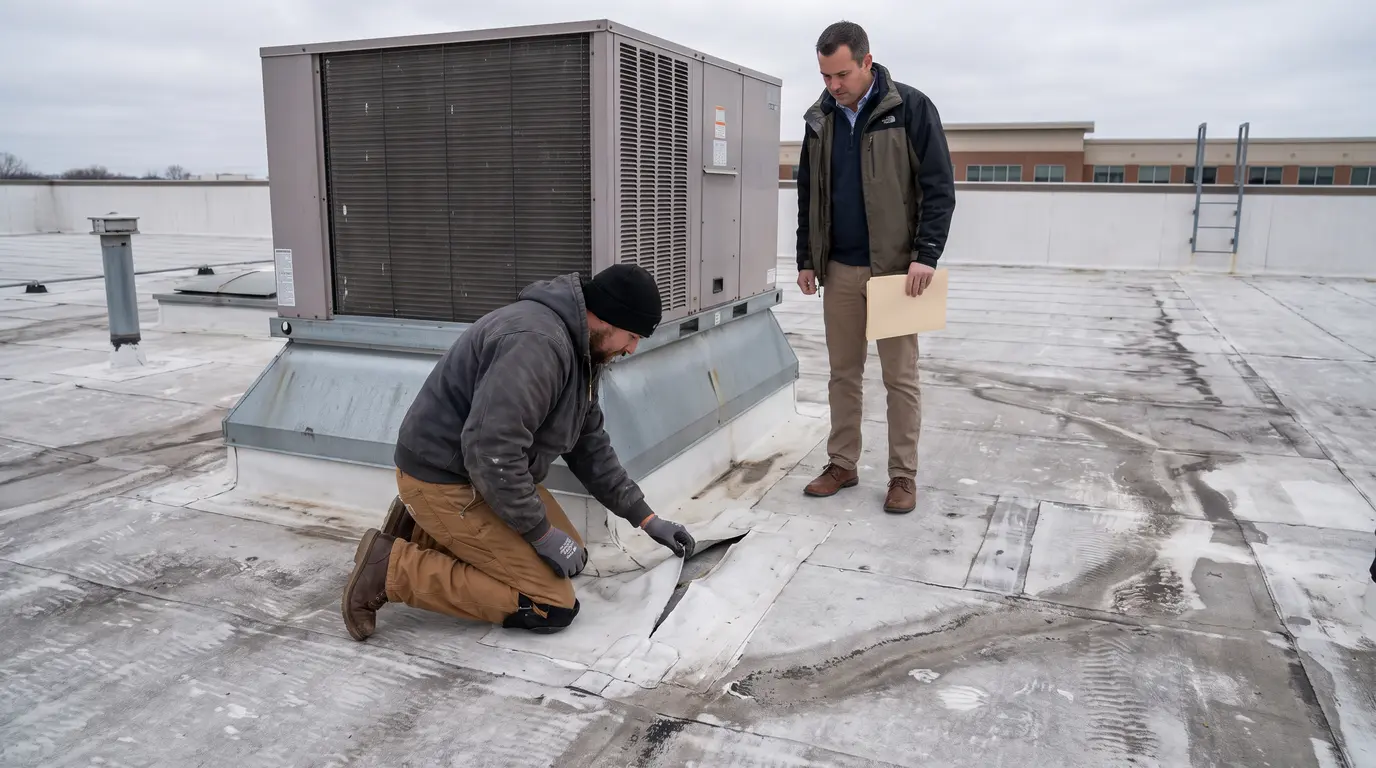
Later work deserves close attention. Rooftop equipment, new penetrations, alterations, repairs, or work performed by someone other than an approved contractor may affect how a claim is handled. Some accessories and materials that interact with the roof may also fall outside typical warranty coverage.
Review the roof’s history before assuming that a transferred warranty will address every future problem. The question is not only whether the warranty transfers, but also whether the condition being claimed falls within its covered system and has been maintained according to its requirements.
Include the warranty in commercial property due diligence
Warranty transfer should be reviewed alongside roof condition, remaining service life, deferred maintenance, and anticipated capital expenses. A transferable warranty can be useful, but it does not eliminate the need to understand the roof’s current condition or the work history behind it.
For a broader look at how roof condition, remaining service life, documentation, and anticipated capital needs can affect a transaction, read how roof condition affects commercial property value.
Useful questions for the seller, manufacturer, warranty administrator, and contractor include:
- Which exact warranty or guarantee applies to this roof, and can the manufacturer confirm in writing that it remains eligible for transfer?
- What maintenance, inspection, repair, and alteration records will be delivered at closing?
- Does the contractor workmanship warranty transfer separately from the manufacturer warranty?
If the warranty is expired, unavailable, or insufficient for the roof’s needs, preliminary budgeting can still be part of the acquisition review. The commercial roof cost calculator may help organize an initial cost discussion for a commercial project. It is a planning resource, not a substitute for project specific verification or a contractor proposal.
Frequently asked questions
Is a commercial roof warranty automatically transferred when a building is sold?
No. Some warranties permit transfer, while others are limited to the original owner. A formal request, notice, deadline, fee, or other action may apply, so the buyer should confirm the process with the manufacturer or warranty administrator.
What documents should a buyer request before closing?
Request the complete warranty or guarantee, transfer documents, installation records, maintenance and inspection reports, repair invoices, photographs, roof plans, serial numbers, roof system information, and records for rooftop equipment or later alterations.
Can missing maintenance records affect a warranty claim?
They may make it harder to demonstrate that the warranty’s maintenance requirements were met. The effect depends on the wording of the actual warranty or guarantee, so missing records should be treated as a due diligence issue rather than an automatic denial of coverage.
Does a manufacturer warranty transfer separately from a roofing contractor’s workmanship warranty?
Usually, the documents should be reviewed separately because they may be different agreements with different transfer rules. Transferring one does not automatically establish that the other has transferred.
What happens if the roof has been altered after installation?
The effect depends on the warranty language and the work performed. Alterations, rooftop equipment, penetrations, or repairs by others may fall outside coverage or affect how a claim is evaluated. Review those records and confirm the situation with the warranty administrator.
Final takeaway
A commercial roof warranty may transfer after a property sale, but it is not automatic and the issued warranty or guarantee controls. The most useful next step is to gather the complete roof file, identify every separate warranty, and obtain written confirmation of the transfer from the appropriate manufacturer, administrator, or contractor.
Roof Mechanics is a roofing and solar directory that can help building owners find local contractors for the next stage of their property review. Use the warranty documents, roof records, and property specific information to guide that conversation.