Yes, most residential rooftop solar installations need approval before installation and connection to the electric grid. The exact process is set by your local building authority and serving utility, so a project may involve a building or structural permit, an electrical permit or review, utility interconnection approval, and one or more inspections.
The good news is that installers commonly handle the applications and coordination. Before work begins, confirm what your contract includes, which approvals apply to your address, and when the utility will authorize the system to operate.
Which approvals may apply to a home solar project?
Local rules do not use one nationwide permit process. The authority having jurisdiction, often called the AHJ, determines which documents, fees, permits, and code requirements apply. Your utility handles a separate review related to connecting the system to the grid.
| Approval or review | Usually handled by | What it may address | Important qualification |
|---|---|---|---|
| Building or structural permit | Local building department or AHJ | Roof attachments, structural loads, wind resistance, roof access, fire related layout, and mounting details | Requirements vary by jurisdiction and adopted code. |
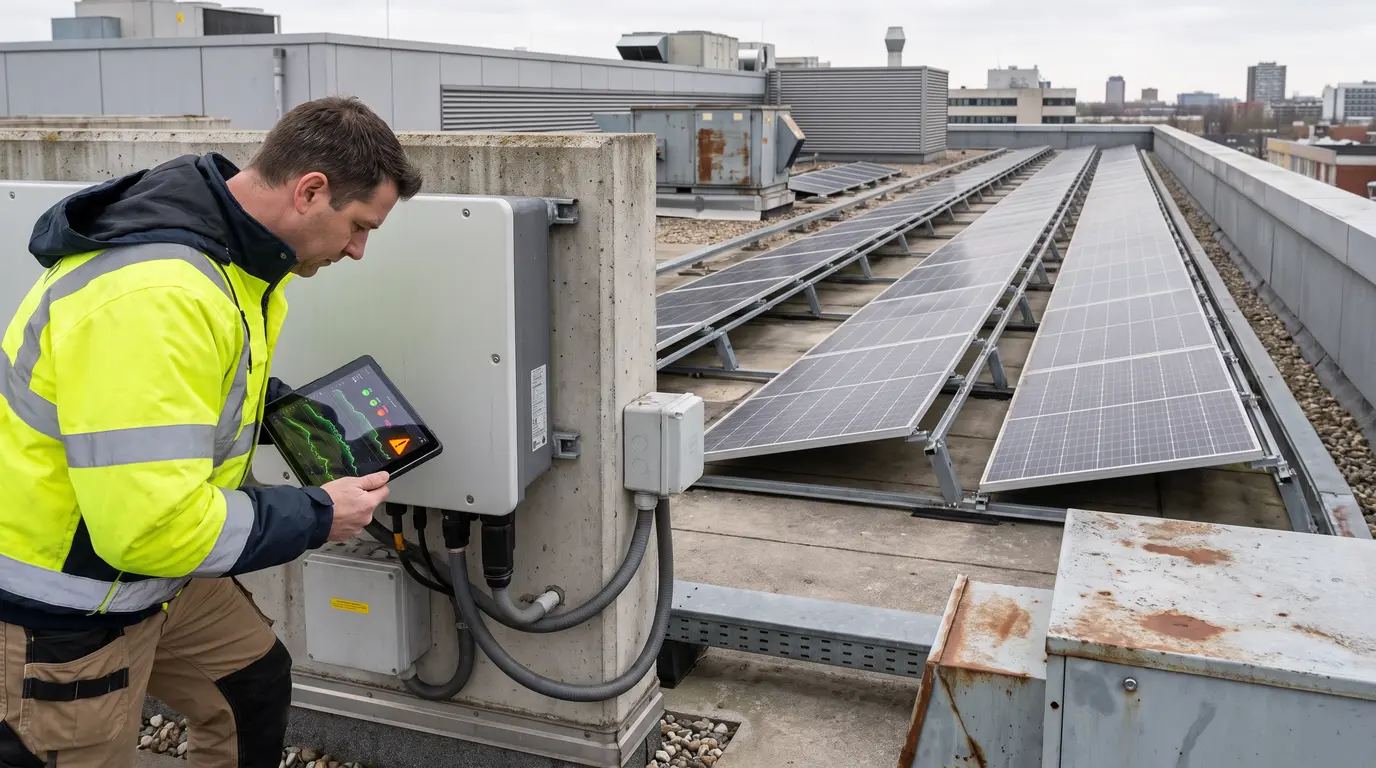
| Electrical permit or review | Local electrical authority or AHJ | Wiring, inverters, disconnects, service panel connection, labeling, and electrical code compliance | It may be combined with a building permit or issued separately. |
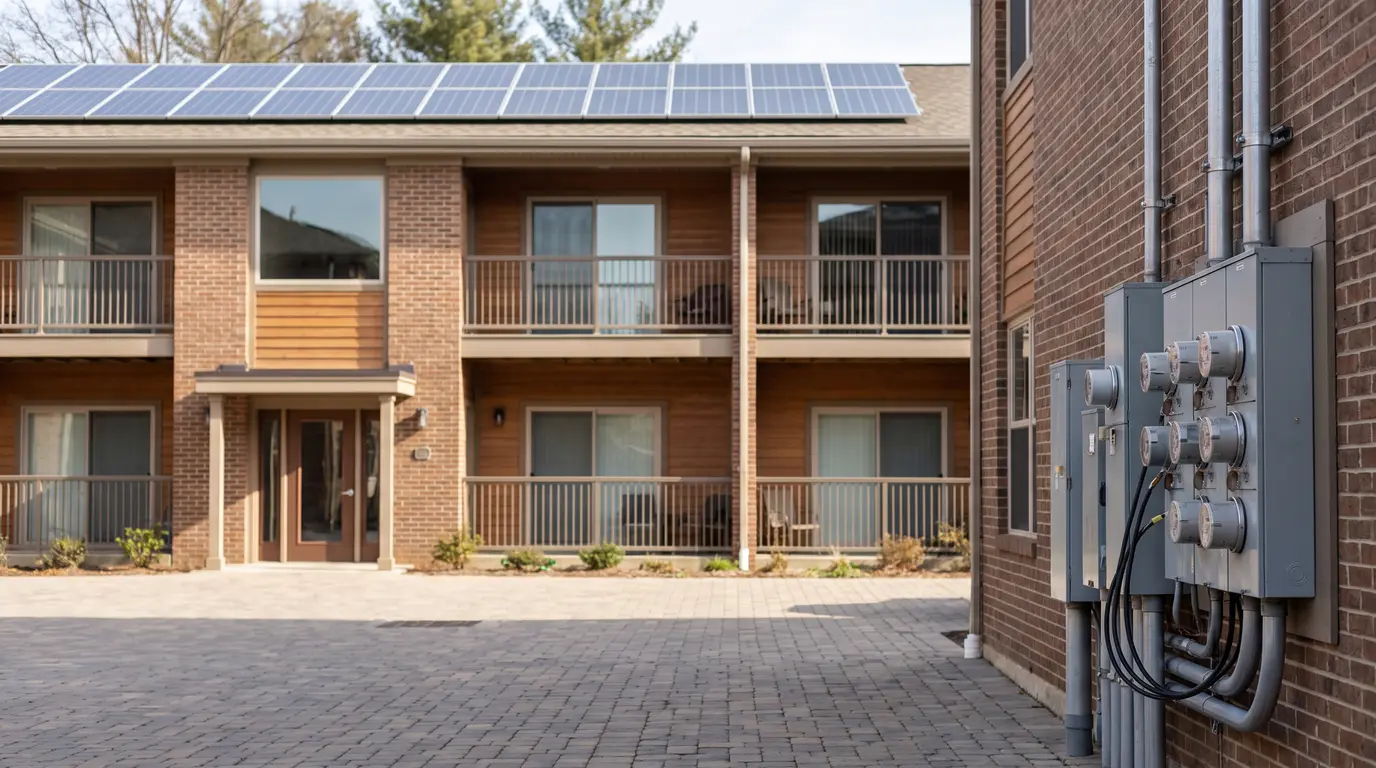
| Utility interconnection approval | Electric utility | Safe connection to the grid, system specifications, meter configuration, and permission to operate | Utility approval is separate from local permitting and varies by service territory. |
| Final inspection or inspections | Local inspector and, in some cases, utility personnel | Whether installed work matches approved plans and applicable safety requirements | Some locations use one inspection, while others require multiple inspections or documentation. |
These approval types are common, but they are not universal in exactly the same form. A battery, unusual roof structure, major electrical upgrade, historic property, or project outside a local streamlined process may require additional review.
For a general overview of how local approval and utility interconnection fit together, you can review the U.S. Department of Energy solar guidebook and the SolSmart permitting and inspection resource.
What is the usual solar approval sequence?
The order can vary by jurisdiction and utility. In many residential projects, the process follows this general path:
- Plans are submitted to the local permitting agency and the utility application is prepared.
- The local authority approves the permits needed to build the system.
- The installer mounts the array and completes the electrical work.
- Required local inspections take place after installation.
- Final documents are submitted to the utility.
- The utility provides permission to operate before a grid connected system is energized or allowed to export electricity.
Some jurisdictions and utilities allow parts of this process to happen at the same time. Others may require a particular approval before installation begins. Your installer should confirm the sequence for your property rather than relying on a national checklist.
What can a solar inspection involve?
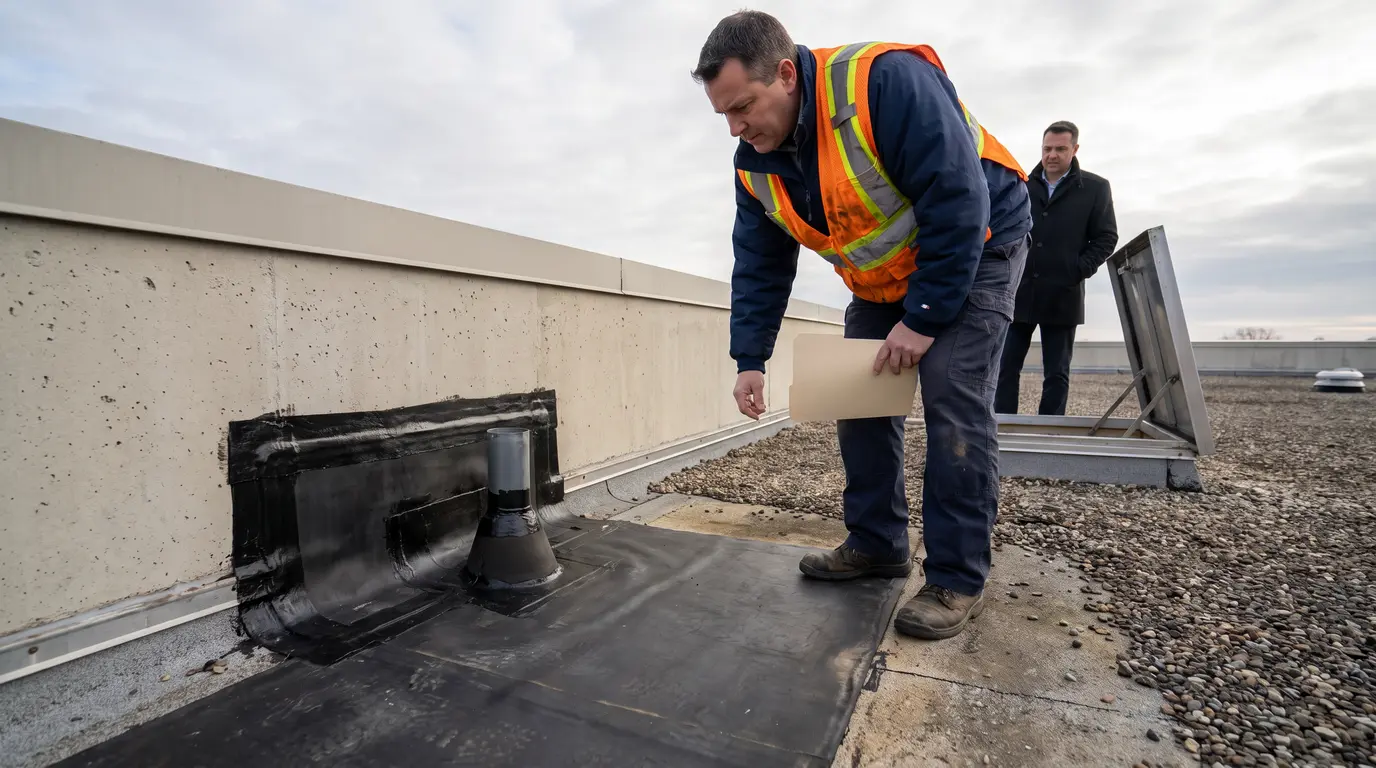
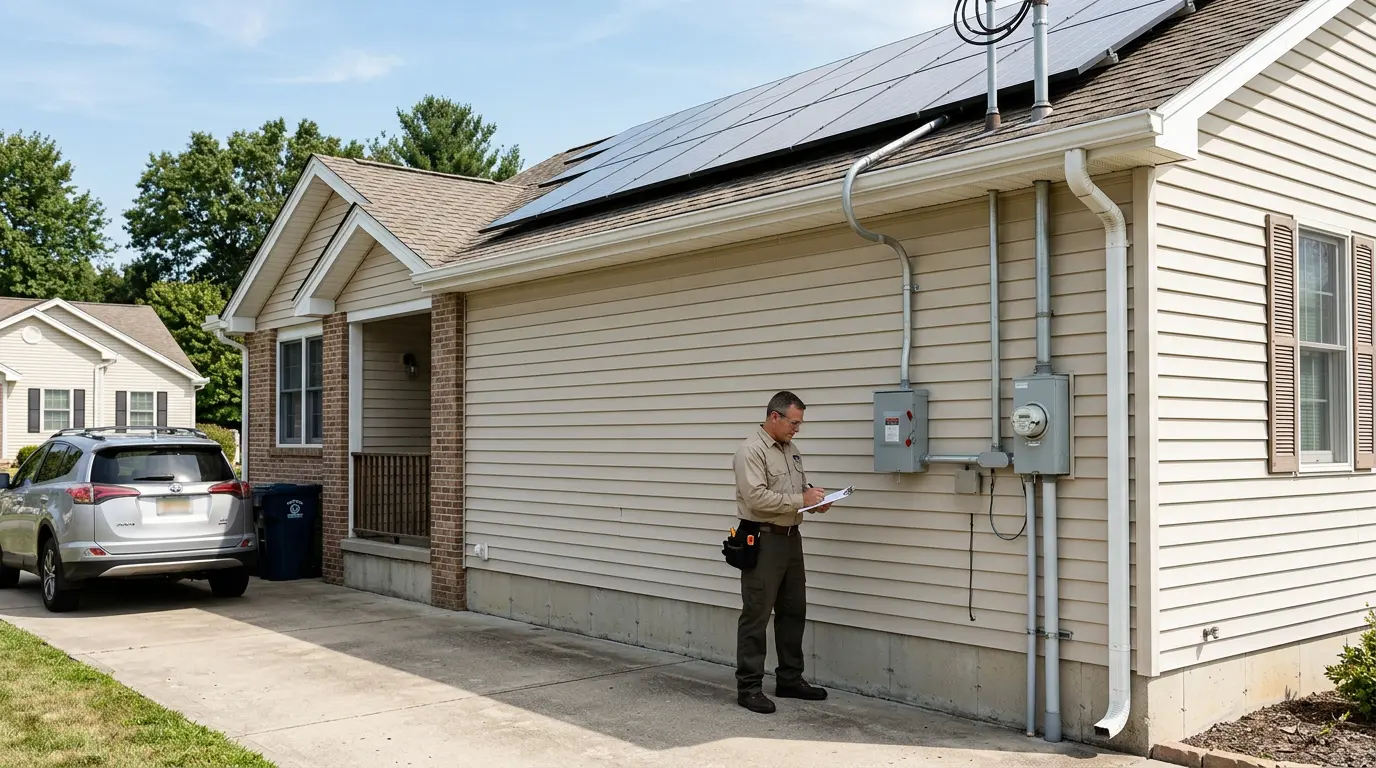
After installation, a local inspector may compare the completed work with the approved plans and applicable building and electrical requirements. The review can include the array, racking, roof attachments, wiring, disconnects, labels, equipment, and related work.
The number and type of inspections vary. Some locations combine reviews or accept documentation, while others require separate building, electrical, fire, or utility inspections. The National Simplified Solar Permitting Guide describes a streamlined model for qualifying small solar projects, but a simplified process still requires compliance with applicable codes.
Can a small rooftop system use a simpler process?
Possibly. Some jurisdictions offer a simplified or automated review for typical small rooftop solar systems that meet local criteria. This can make the administrative process more direct without removing structural, electrical, or other code requirements.
A larger system, energy storage, service panel upgrade, complex roof layout, or unusual property may fall outside those criteria. Ask the local permitting agency or installer whether your project qualifies before assuming the simpler route applies.
Questions to ask before signing or starting work
A written proposal should make the approval responsibilities clear. Ask whether the project includes the following:
- A building or structural permit for the roof mounted array
- An electrical permit or electrical plan review
- Any zoning, historic district, fire, or other local approval that may apply
- Permits for roof attachments, electrical equipment, batteries, service panel work, or ground mounted equipment
- Permit fees, inspection scheduling, corrections to rejected plans, and utility application work
- Final inspection approval and the utility permission to operate
Also ask whether the roof needs repair or replacement before panels are installed. Roof work may have separate permit implications from the solar installation itself. Roof condition is a separate planning decision, so you may want to read about whether to replace your roof before solar and whether roof repairs need permits.
Private community rules can also be a separate consideration. If your home is governed by an association, review HOA restrictions on solar panels separately from government permits and utility approval.
Keep copies of approved plans, permits, inspection sign offs, the interconnection agreement, and the permission to operate notice. These records can help with future repairs, system changes, insurance questions, or a home sale.
If you are still evaluating the project, you can use the solar cost calculator for a preliminary estimate. It is a planning tool, not a permit fee estimator, contractor quote, guaranteed price, or utility approval tool.
Frequently asked questions
Is a solar permit the same as utility permission to operate?
No. A local building or electrical permit allows the work to be reviewed and constructed under local requirements. Utility interconnection approval addresses the system connection to the grid. A grid connected system should not be energized or used to export electricity until the utility provides permission to operate.
Who normally applies for solar permits, the homeowner or installer?
The installer commonly handles applications, but there is no universal assignment of responsibility. Confirm in writing who submits applications, pays fees, schedules inspections, responds to corrections, and obtains utility permission to operate.
What happens if solar panels are installed without the required permit?
The specific consequences depend on the local authority and the project circumstances. Unpermitted work may not match the records or approvals required by the local process, so ask the building department or installer how the issue should be corrected before treating the system as fully approved.
Does adding a battery or upgrading the electrical panel change the approval process?
It may. Batteries and major service panel work can require review beyond a basic rooftop solar project. Ask whether those items are included in the permit application or handled through separate approvals.
The practical takeaway
Most residential rooftop solar installations need local approval and utility approval before they can operate. Start by asking the installer and local building department which permits, inspections, and documents apply to your address, then confirm that the utility has granted permission to operate before turning on a grid connected system.