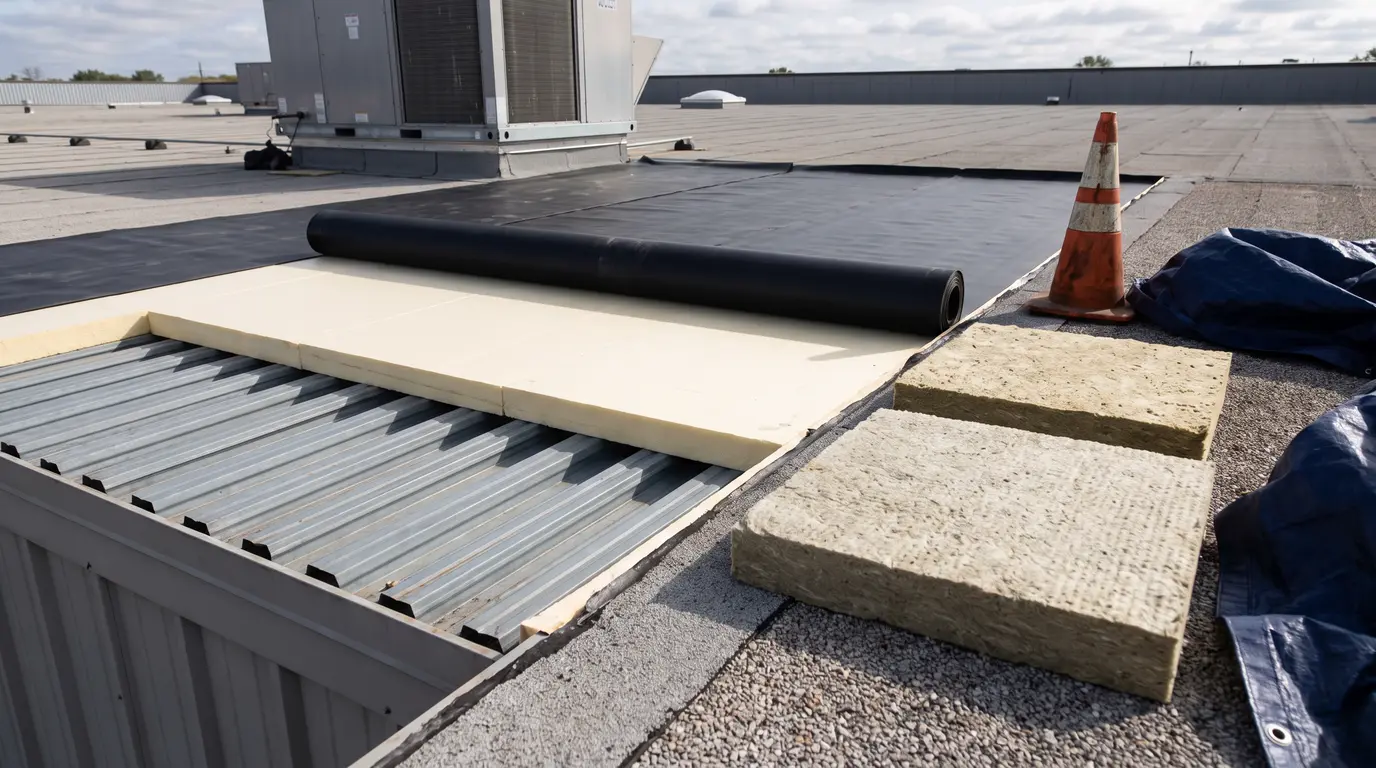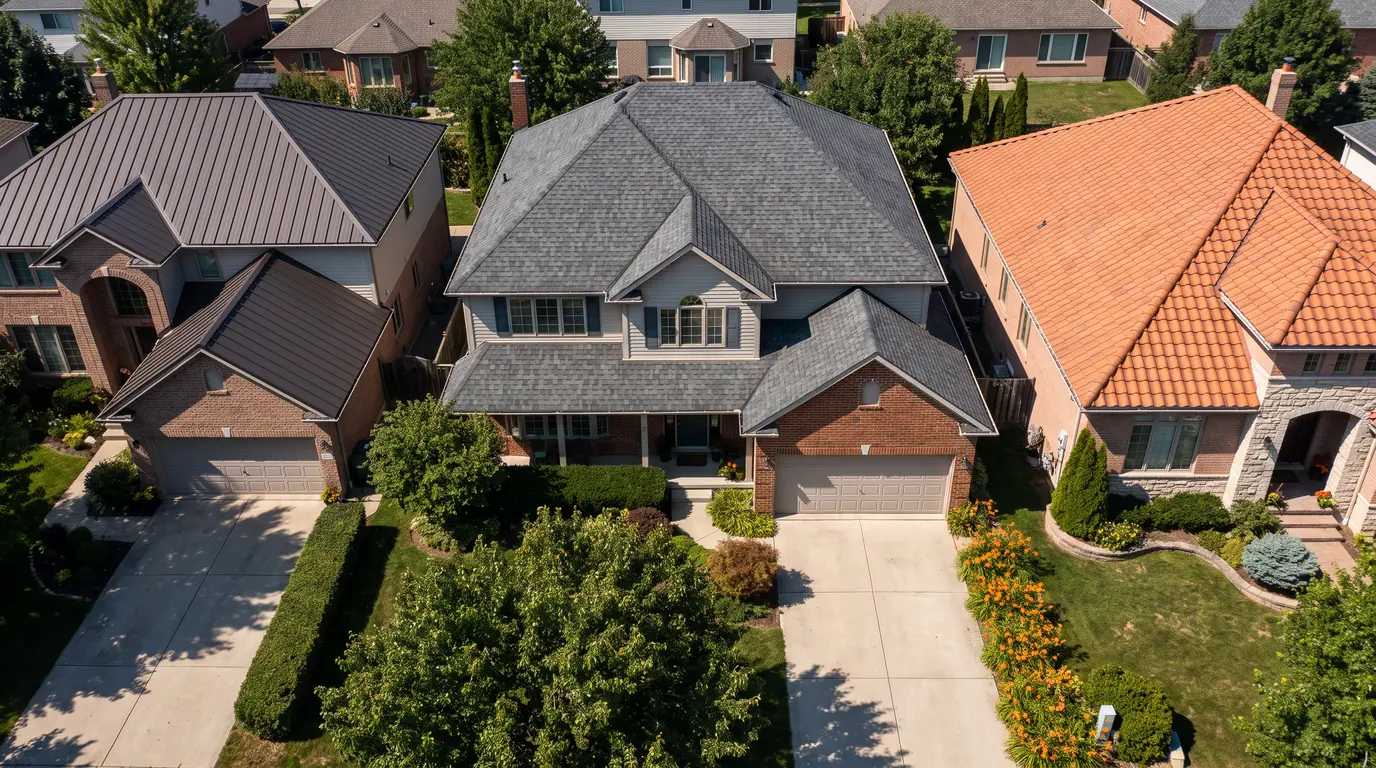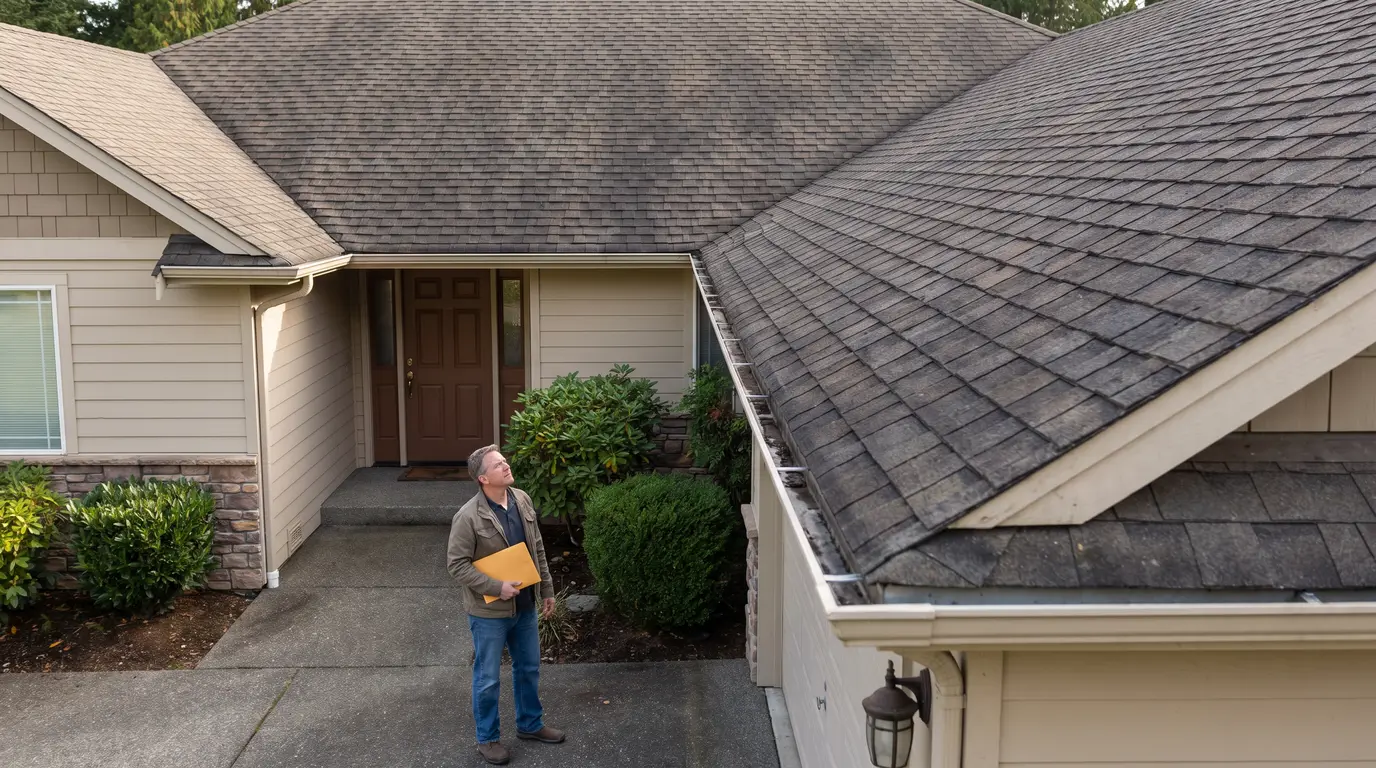
If your home is in an HOA managed community, the association may be able to require a particular roofing material, color, product type, or appearance. That authority usually must come from the community’s recorded governing documents or properly adopted architectural standards. A board preference alone does not automatically make a roofing material requirement enforceable.
Before you sign a roofing contract, review the declaration, CC and Rs, bylaws, architectural guidelines, and any roof specific rules. The requirement must also comply with applicable state law, local building and fire codes, and the HOA’s own approval process. Because these rules vary by state and community, the exact written provision matters.
What an HOA Roofing Rule May Control
A written HOA standard may address the material category, color, roof profile, visible appearance, fire rating, or the need to match neighboring homes. The governing documents should show both what the rule requires and whether it applies to your proposed work.
Check whether the rule covers a repair, partial replacement, recover, or full replacement. The association’s approval requirements and the local permit requirements may differ depending on the scope of work. The available information does not establish that every HOA may require a particular manufacturer, so look for the specific language rather than assuming a product preference is valid.
| Potential controlling source | What it may control | What the homeowner should verify |
|---|---|---|
| HOA declaration, CC and Rs, and architectural standards | Material, color, appearance, or design restrictions if authorized by the governing documents | Locate the exact written rule and confirm it applies to the proposed work. |
| HOA architectural review procedure | Application requirements, decision timing, written approval or denial, and reconsideration | Request the current application and review procedure. |
| State and local building or fire code | Minimum safety, fire rating, permit, and construction requirements | Confirm the proposed product meets the locally applicable code. |
| Other property use protections | Limits on HOA restrictions affecting protected uses such as certain rooftop solar systems | Check whether the project involves solar equipment or another legally protected installation. |
The California statutes referenced here are examples of jurisdiction specific rules, not a nationwide HOA standard. The most useful first step in any state is identifying the governing jurisdiction and reading the community’s actual documents.
Review the HOA Approval Process Before Ordering Materials
Request the HOA’s current application form and written submission requirements before ordering roofing materials. Ask when the review period begins, what documents are required, and whether the association provides a reconsideration process.
In California, Civil Code section 4765 requires a fair, reasonable, and expeditious approval process for applicable architectural changes. Decisions must be made in good faith and may not be unreasonable, arbitrary, or capricious. A denial must be in writing, explain the reason, and describe the reconsideration procedure. The process must also state the maximum response time for an application or reconsideration request, and members must receive annual notice of property change approval requirements.
You can review the California approval procedure at California Civil Code section 4765. Other states may use different standards, deadlines, and remedies.
Compare the Proposed Roof With the Written Standard
Ask the roofer to identify the proposed material precisely, including the product name, color, fire classification where relevant, and whether the proposal covers a repair or replacement. Specific details make it easier to compare the contractor’s proposal with the HOA’s written standard.
If you are comparing proposals, the guide on how to compare roof replacement estimates can help you focus on equivalent written scopes and material details. It does not replace the HOA’s approval requirements or local verification.
Check Building, Fire, and Solar Requirements Separately
HOA approval does not replace a building permit or authorize work that violates public safety requirements. Verify the locally applicable building, fire, permit, and insurance requirements separately before work begins.
Fire code can limit the choices available to both the HOA and the homeowner. In California, Civil Code section 4720 states that an association may not require roof work in a manner that violates the applicable fire safety law. In very high fire severity zones, governing documents must allow at least one fire retardant roof covering that meets the applicable legal standard. Fire ratings, hazard zone classifications, and accepted materials depend on the jurisdiction and locally applicable code. See California Civil Code section 4720 for that state specific example.
If the roof supports solar panels, coordinate roof work with the solar removal or reinstallation needs before finalizing the material. California law illustrates that roof maintenance authority and protections for certain rooftop solar systems can overlap. Those solar protections do not create a general right to select any roofing material. The relevant provision is available at California Civil Code section 714.1.
Keep Roof Material Approval Separate From Responsibility for the Work
The question of which material is allowed is separate from the question of who must arrange or pay for the work. Check the governing documents, roof classification, and applicable state law to determine whether the homeowner or association may be responsible. The related guide on who pays for roof repairs in an HOA addresses that separate issue.
If the association is also demanding that you repair or replace the roof, review whether an HOA can force a roof replacement. That related question concerns repair or replacement authority and should not be treated as proof that a particular material requirement is enforceable.
What to Do if the HOA Rejects Your Proposal
If the HOA rejects a proposal that you believe follows the written standard, ask for the denial and the specific governing document provision in writing. Request the reason for the decision and any available reconsideration procedure. Keep the application, product information, contractor proposal, correspondence, and decision together so the record is clear.
A useful question to send the association is: “Which exact governing document provision authorizes this material requirement, and what alternative materials are permitted if the specified product is unavailable, discontinued, or inconsistent with current building or fire code?” You can also ask: “Does the HOA require approval for this particular scope of work, and when does the review period begin?”
Frequently Asked Questions
What should I do if the HOA denies my roofing application?
Ask for the denial, the specific governing document provision, the reason for the decision, and any reconsideration procedure in writing. If your state provides a required review process, follow it before taking further action.
Does HOA approval replace a roofing permit?
No approval should be treated as a replacement for local building or fire requirements. Confirm separately whether the proposed work and material meet applicable code and permit requirements.
Can fire code requirements override an HOA roofing rule?
An HOA rule cannot authorize roofing work that violates applicable fire safety law. The accepted materials and required fire rating depend on the jurisdiction, local code, and any applicable hazard zone classification.
Your Next Step
An HOA may be able to require a specific roofing material when the requirement is supported by the community’s governing documents and consistent with applicable law. Before committing to a product, locate the exact written rule, confirm the approval procedure, compare the proposed material with local requirements, and request any disputed decision in writing. That preparation can make the roofing process clearer and help you identify questions before materials are ordered.