A multifamily solar lease or power purchase agreement should do more than promise a lower electricity cost. It should explain exactly how the system will use the roof, who operates and repairs it, how electricity or credits reach the property and residents, and what happens when the roof, ownership, or contract changes.
In a solar lease, the property generally makes scheduled payments to use a system owned by a provider. In a power purchase agreement, payments are generally tied to the electricity the system produces. In either structure, the provider may install, own, operate, and maintain the equipment while the property hosts it. The contract matters because the payment arrangement is only one part of the property’s long term obligations.
Before approving a proposal, compare the agreement with the property’s roof documents, electric account structure, insurance requirements, lender documents, and any applicable housing program rules. The U.S. Department of Energy community solar guidebook provides useful background on third party ownership, leases, power purchase agreements, and multifamily solar access.
Contract areas to verify
Use the agreement and its exhibits together. A general legal description is not enough for an occupied multifamily property. The contract should identify the equipment, roof areas, pathways, electrical connections, access rights, and operating responsibilities in terms that property staff can use.
| Contract area | What the agreement should identify | Property manager verification |
|---|---|---|
| System and site rights | Equipment, roof sections, access routes, installation rights, operating rights, and common area use. | Compare the contract exhibit with roof plans and property operations. |
| Payment and performance | Lease payment or PPA energy price, adjustments, production assumptions, reporting, and remedies for underperformance. | Check the payment formula against utility accounts and expected production. |
| Resident billing | Common area allocation, master meter treatment, individual meter credits, billing party, and resident notices. | Confirm utility approval and applicable metering or billing rules. |
| Maintenance and roof work | Monitoring, service, repairs, component replacement, roof repairs, removal, and reinstallation. | Identify every excluded cost and downtime procedure. |
| Insurance and ownership | Equipment ownership, incentives, renewable energy credits, insurance, liability, data, transfer, and lender rights. | Coordinate with the insurer, lender, owner, and tax advisers. |
| End of term | Purchase, renewal, removal, site restoration, and continuing roof obligations. | Confirm the condition in which equipment and roof areas must be returned. |
Start with the property’s electric accounts
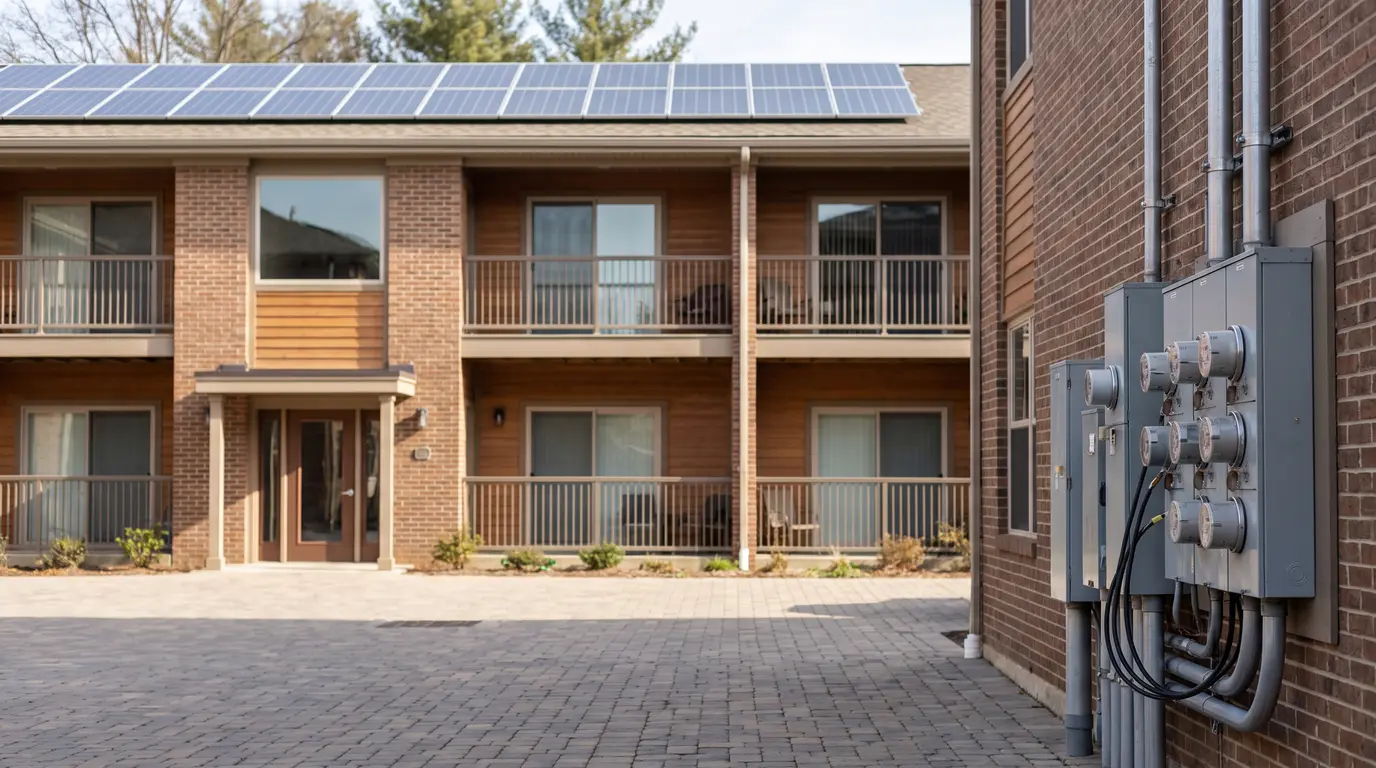
First determine whether the property is master metered, individually metered, or mixed. Then identify which accounts are intended to receive solar production or credits. The system may serve common area loads, a master meter, individual apartment meters through virtual or shared net metering, or a combination of these arrangements.
Solar that reduces a common area bill is not the same as a credit appearing on a resident’s electric bill. Virtual net metering may allow credits to reach individual tenant bills, but the availability and mechanics depend on the serving utility and jurisdiction. The agreement should state who receives the credits, how they are calculated, and who handles resident notices or billing.
For a broader explanation of the possible allocation models, review how solar can benefit multifamily apartments. For buildings focused on shared loads such as lighting, laundry, offices, elevators, or pumps, solar for multifamily common areas may help frame the operational discussion. Neither resource replaces confirmation of the property’s utility rules or contract terms.
Resident billing also deserves extra care in affordable housing. Department of Energy guidance discusses how community solar credits may interact with utility allowances for HUD assisted households. That treatment is not automatic for every multifamily property, so obtain program specific guidance before promising that resident savings will not affect utility allowances or housing costs. The Department of Energy guidance on community solar and low income utility allowances can help identify the issue for further review.
Define the roof area and access rights
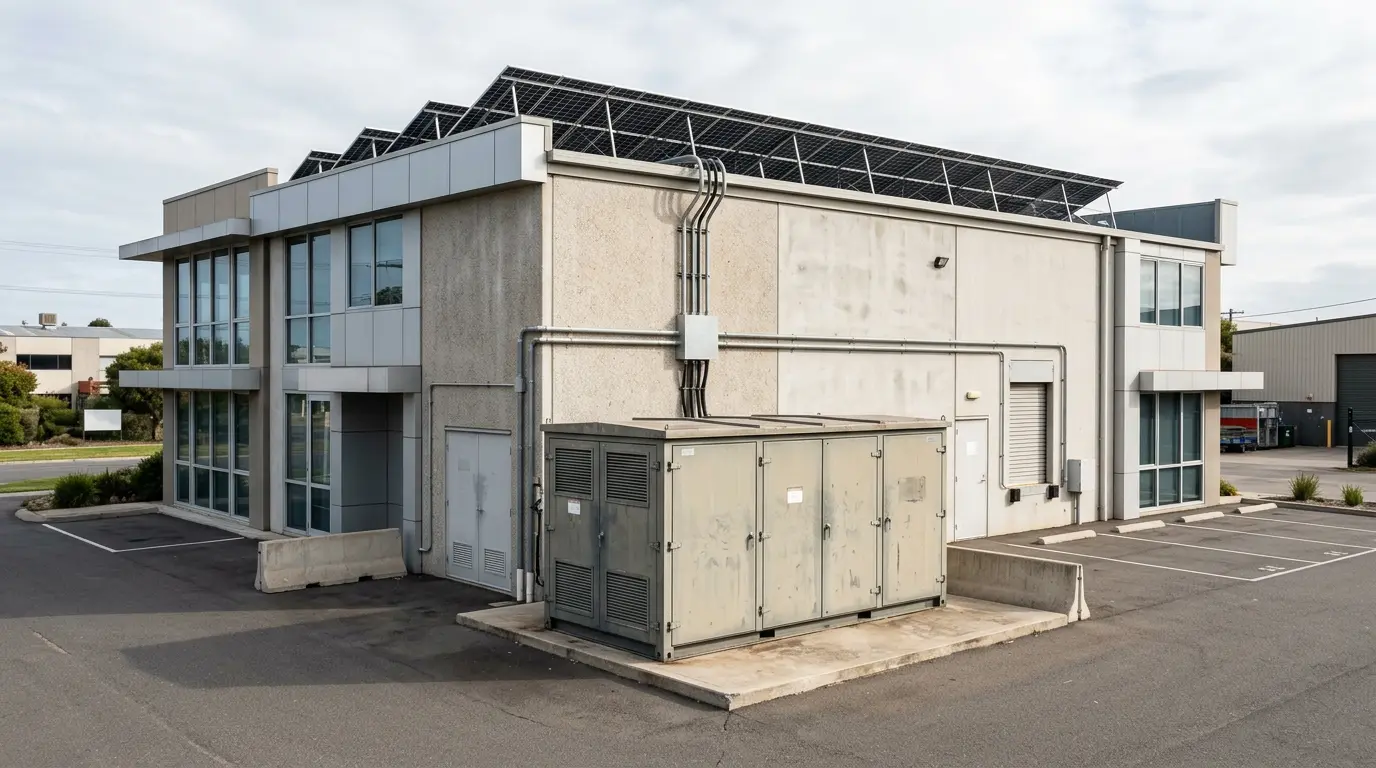
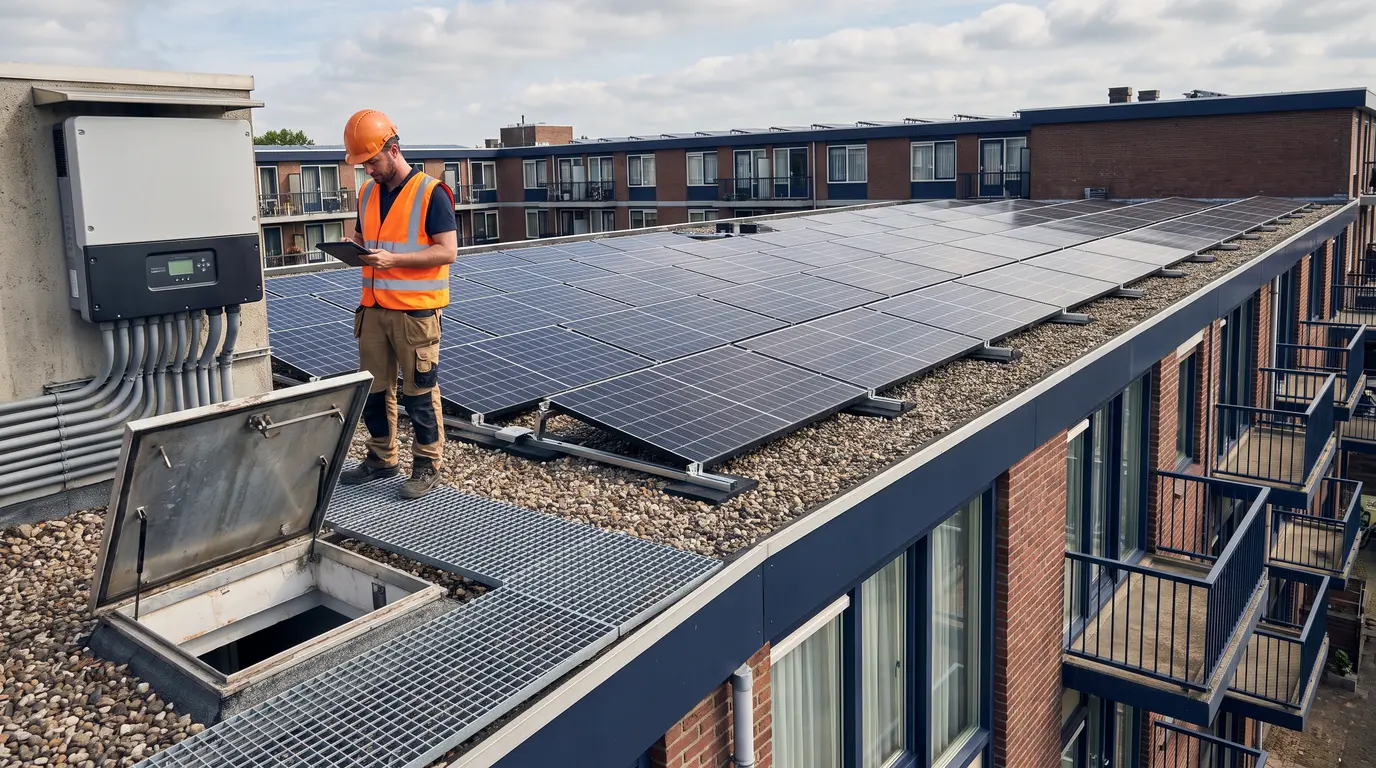
The contract should include an exhibit showing the roof sections used by the system, equipment locations, conduits, electrical points of connection, access routes, restricted areas, and any battery or storage equipment. It should also grant the provider the installation, operation, inspection, maintenance, and emergency access rights it actually needs.
Access should be coordinated with residents, building staff, other vendors, and normal property operations. The agreement can identify notice procedures, emergency access, work hours, security requirements, temporary storage, and responsibility for damage caused by installation or service work.
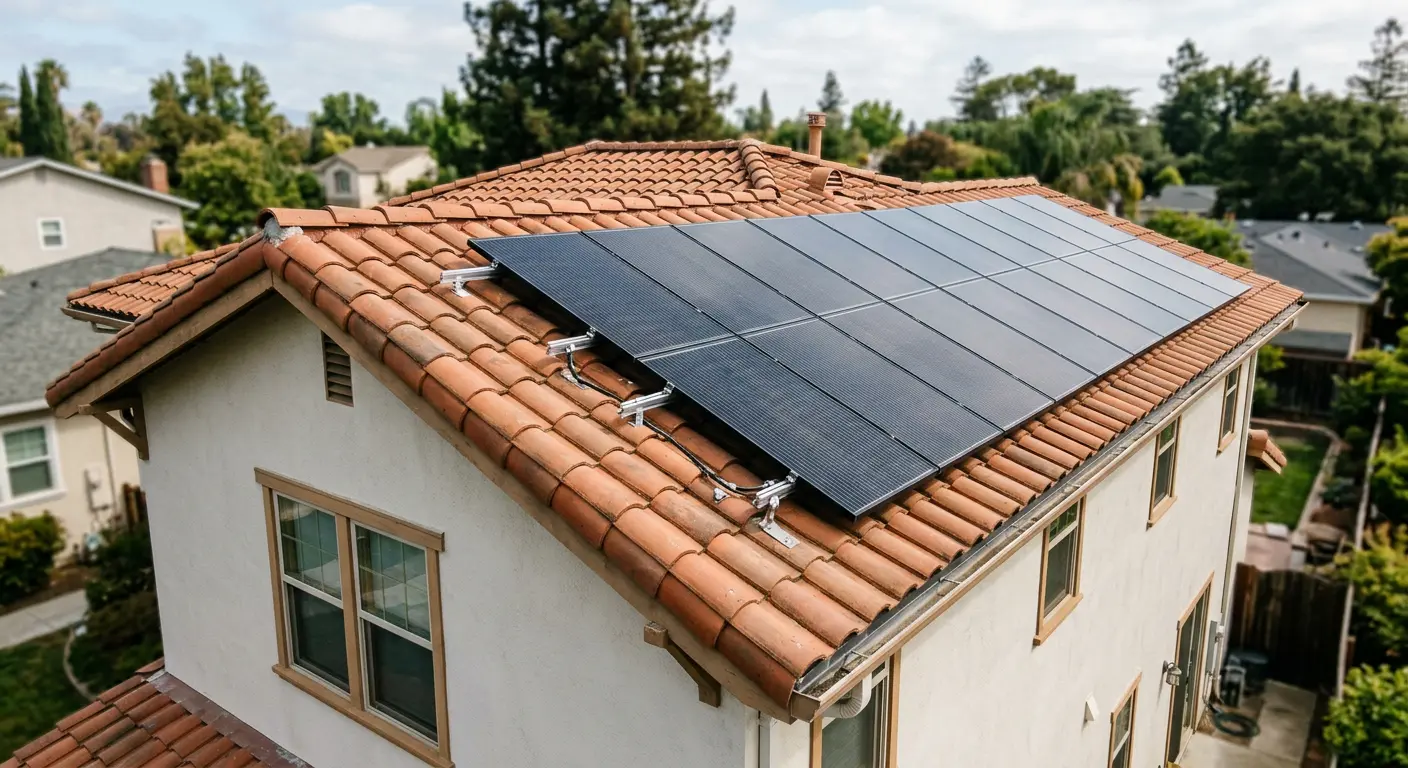
Roof condition is part of this decision. Before signing, evaluate the roof’s expected remaining service life and consider whether to replace the roof before solar. That resource offers general timing guidance, but it does not determine who pays for roof work under a particular agreement.
Compare payment and performance terms
Compare a lease and a power purchase agreement using the same assumptions. For a lease, review the scheduled payment, any escalation or adjustment, production assumptions, and performance remedies. For a power purchase agreement, review the energy price, any escalation, the utility rate comparison, minimum charges, and the treatment of production shortfalls.
Ask how performance will be measured and reported. The agreement should identify the reporting period, data access, production records, notification of outages, and remedies if the system underperforms. Property staff can also establish a simple review process using guidance on how to monitor commercial solar performance. Monitoring guidance does not establish a contractual performance guarantee, so the guarantee must appear in the agreement itself.
For early budgeting, the solar cost calculator can support preliminary cost estimation for residential and commercial projects. Treat that estimate as a planning starting point rather than a lease price, power purchase agreement rate, savings guarantee, incentive determination, or multifamily billing analysis.
Assign maintenance, repairs, and roof work
“Maintenance included” is too broad to be useful on its own. The agreement should assign monitoring, inspections, routine service, repairs, replacement parts, inverter work, communications equipment, vegetation management, snow or debris management, and damage caused by service work. It should also state whether labor and major component replacement are included or excluded.
Roof repairs, restoration, inspection, or replacement need a separate written procedure. It should cover notice, emergency work, who can order removal and reinstallation, temporary equipment storage, roof warranty coordination, scheduling, cost allocation, damage responsibility, and lost production during downtime. There is no universal rule assigning these costs, so the agreement should make the allocation explicit.
One useful question to ask is: If the roof must be replaced before the solar agreement ends, which party controls removal and reinstallation, and what costs or lost production payments apply?
Coordinate insurance, ownership, and data rights
Insurance and liability terms should address the solar equipment, property damage, bodily injury, contractors, and damage connected with installation, operation, maintenance, removal, or reinstallation. Coordinate the provider’s coverage with the property owner’s insurer, lender, and risk management requirements. Confirm certificates, additional insured provisions, deductibles, waivers of subrogation, and related responsibilities where applicable.
The contract should identify who owns the panels, racking, inverters, meters, batteries if included, renewable energy credits, incentives, environmental attributes, and system data. Do not assume that the property owner or residents receive incentives simply because the equipment is installed on the building. The economic and tax treatment depends on the project structure, ownership, eligibility, and applicable law.
Also review transfer rights. The provider may seek the right to transfer the system or agreement to a lender or purchaser. The property owner should understand whether a sale or refinancing requires consent, notice, an assumption, a payoff, or transfer fees.
Plan for sale, default, and the end of the term
Review the contract term, payment adjustments, production expectations, default provisions, early termination rights, property sale process, refinancing requirements, change of ownership, and remedies for missed obligations. A property sale should not become a last minute negotiation with the solar provider, lender, insurer, or buyer.
End of term options may include purchase, renewal, extension, or removal. The agreement should state who controls the decision, how any purchase price is determined, when equipment must be removed, who restores the roof and other affected areas, and which obligations continue after removal. The Solar Energy Industries Association model lease and power purchase agreement resource reflects that commercial arrangements need terms distinct from homeowner contracts, but a model document is a drafting resource rather than a universal requirement.
Keep the system records with the property’s maintenance files. Useful records include as built drawings, permits, interconnection approval, warranties, monitoring access, production reports, service records, insurance certificates, and contract amendments. Good documentation makes future roof work, ownership changes, and performance reviews easier to coordinate.
Common questions
What is the difference between a solar lease and a PPA for a multifamily property?
A lease generally uses scheduled payments for use of a provider owned system. A PPA generally charges for the electricity the system produces. The agreement controls the payment formula, adjustments, performance terms, and responsibilities in both cases.
Who pays if the roof must be replaced during the solar contract?
The agreement should assign removal, storage, reinstallation, roof coordination, downtime, and related costs. There is no universal allocation, so property managers should not rely on a general maintenance promise to answer this question.
What happens to the solar agreement when the property is sold or refinanced?
The agreement should explain transfer, lender rights, required approvals, notice, assumption, payoff, and any fees. Review these provisions before signing so a future sale or refinancing does not create an unexpected contract obstacle.
A practical next step
Before approval, place the proposed agreement beside the roof plans, utility account list, insurance requirements, lender documents, and any applicable housing program guidance. Confirm who benefits from the electricity, who carries each operational responsibility, how roof work will be handled, and how the agreement can end or transfer. If those answers are clear in the contract and its exhibits, the solar decision becomes much easier to manage across the property’s full operating life.