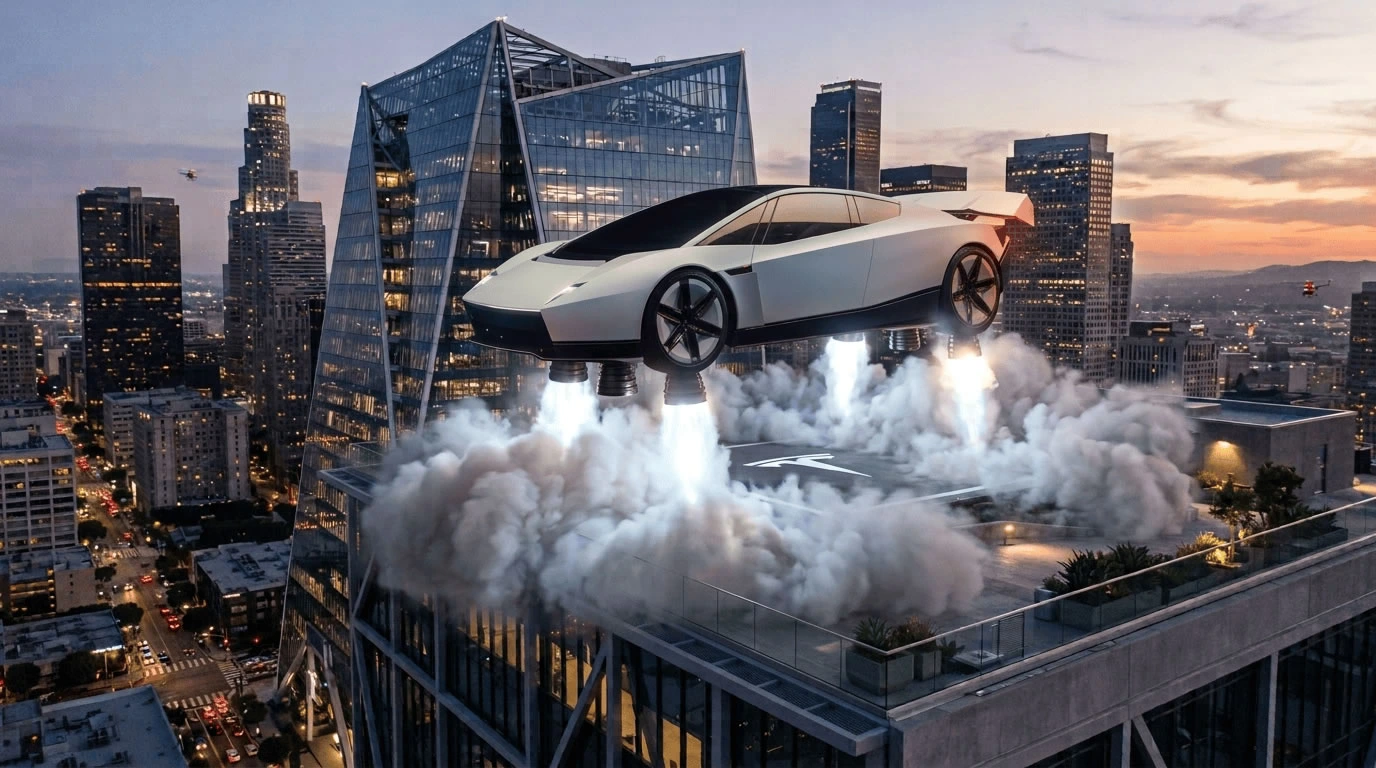
Imagine waking up one morning to the sound of something landing on your roof. You look outside and discover a shiny white Tesla Roadster sitting above your bedroom like an extremely expensive satellite dish. Your neighbor is filming it, your insurance company is crying, and somewhere Elon Musk is probably saying, “Well, technically, it worked.” But could you actually land a Tesla Roadster on your roof? How much weight can a typical roof hold, and how high could the new Tesla Roadster fly? Let’s explore the science of roof strength, electric supercars, gravity, and what might happen if your next parking space is 20 feet above your living room.
The idea sounds ridiculous, but it raises some interesting engineering questions. A residential roof is designed to support specific loads, including roofing materials, maintenance workers, and environmental forces such as snow and wind. A vehicle landing on that same roof introduces an entirely different problem. The roof must not only support the car’s weight but also withstand the concentrated forces and potential impact associated with a landing. Unfortunately, most homeowners cannot simply add a “Tesla landing pad” to their home improvement list and call it a day.
How much weight can a roof hold?
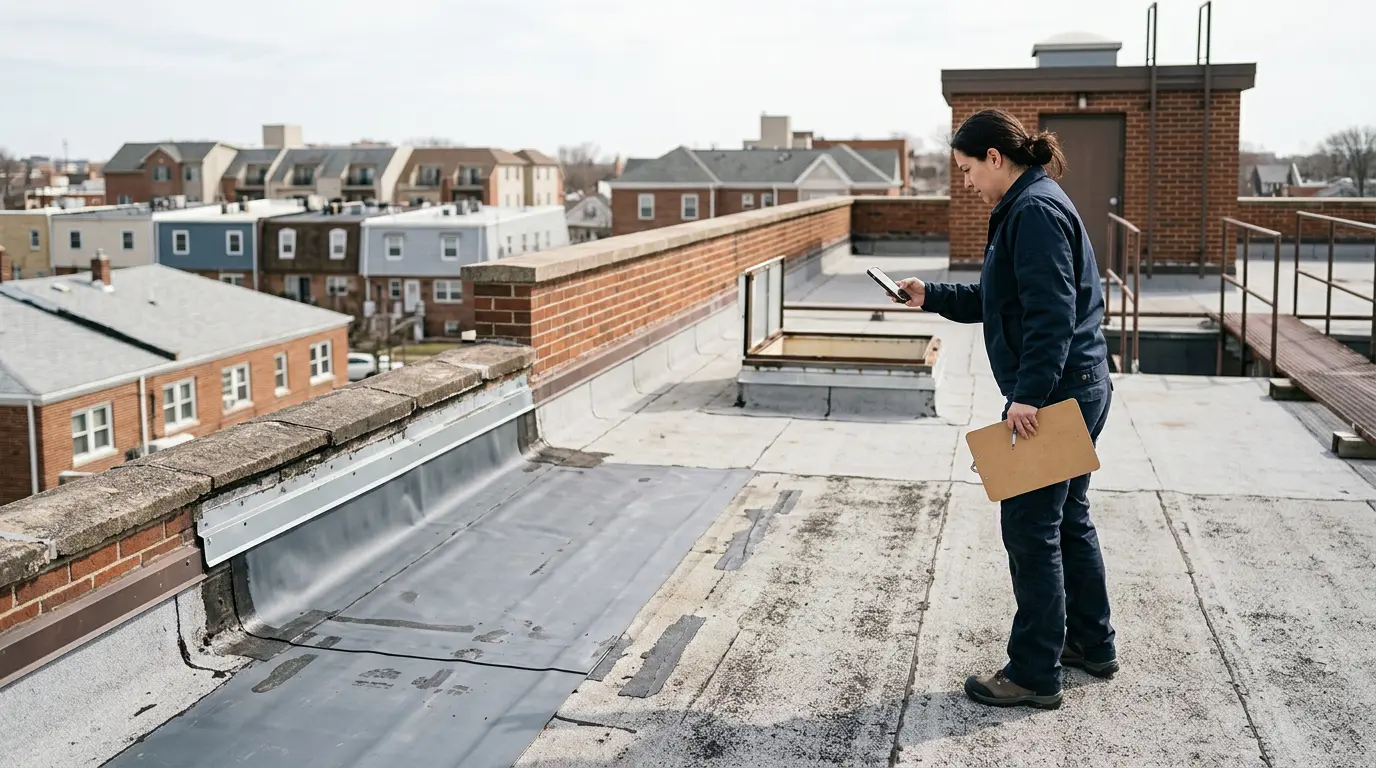
The weight a roof can safely support depends on its design, materials, condition, structural framing, and local building requirements. Some roofs are designed to withstand substantial snow loads, while others are intended primarily to support their own materials and occasional maintenance access. There is no single weight limit that applies to every residential roof.
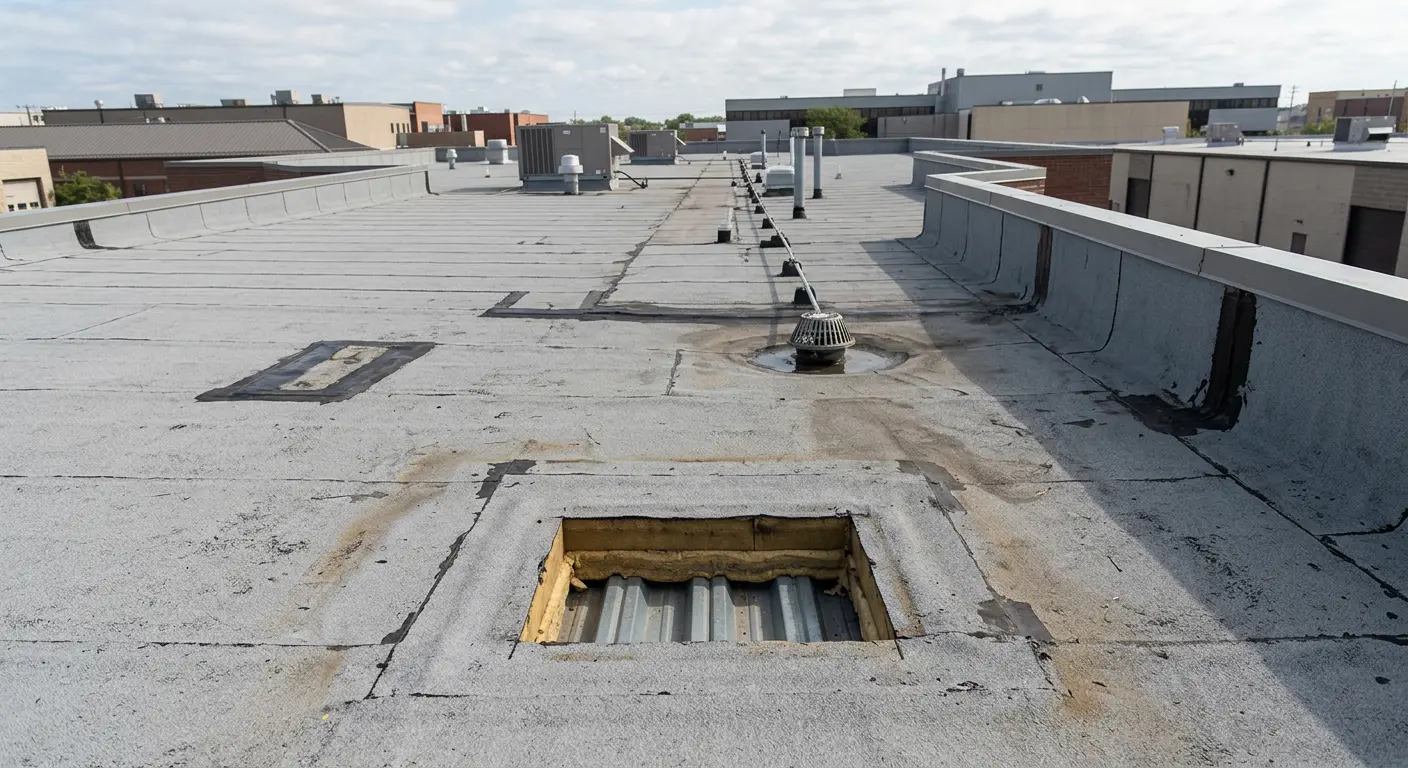
Consider a hypothetical roof designed to withstand a snow load of 20 pounds per square foot. Across a 1,500-square-foot roof, that would represent 30,000 pounds of snow if the load were distributed uniformly. That sounds impressive, but it does not mean the roof can support a 30,000-pound object placed in the middle. Structural capacity depends on how forces are distributed through the framing, beams, supporting walls, connections, and foundation.
A Tesla Roadster landing on a roof would concentrate its weight in a relatively small area. Even if the car weighed only a few thousand pounds, its tires could apply significant localized loads to roof sections that were never designed to carry a vehicle. And if the car arrived with any meaningful downward speed, the impact could produce forces far greater than those associated with simply parking it.
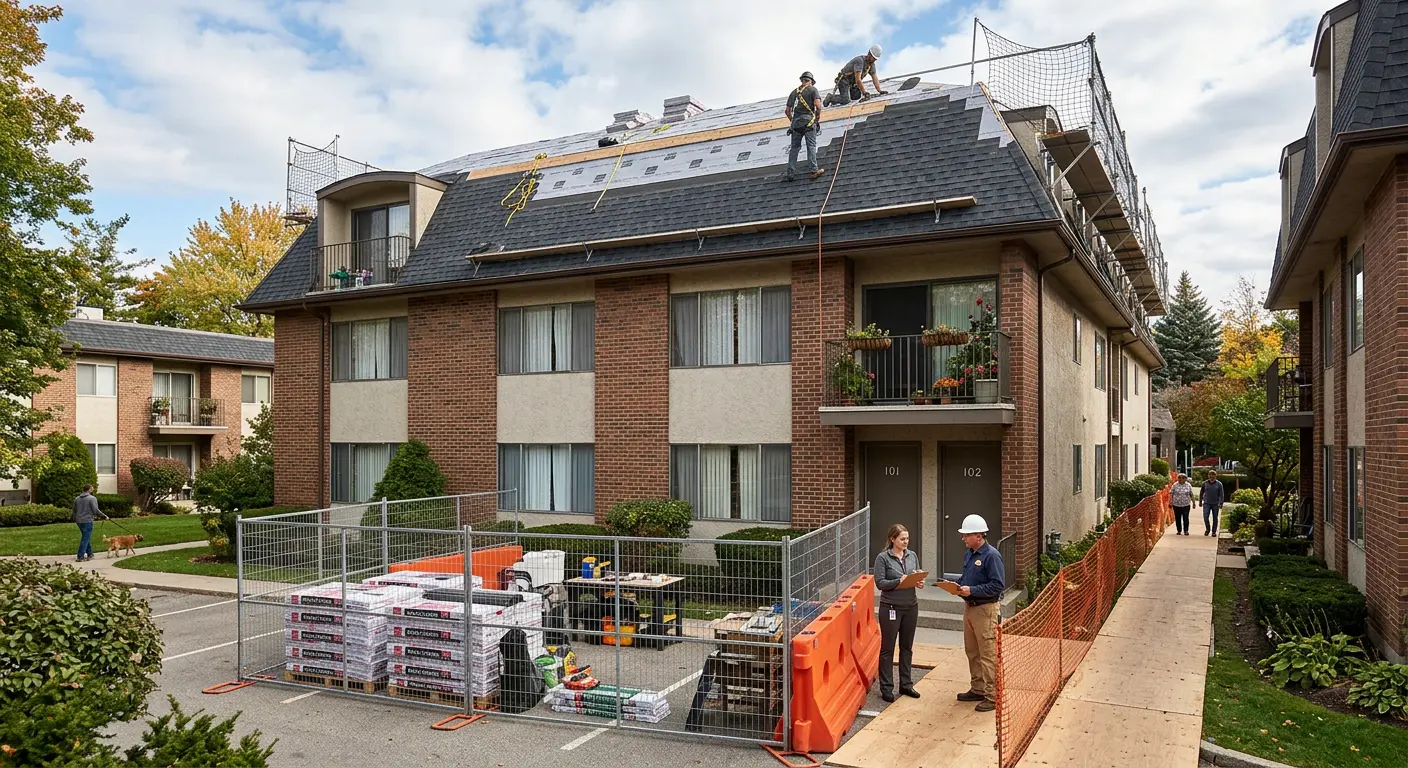
In other words, your roof might survive a winter wonderland, but that does not mean it is ready for a visit from a flying supercar. Before considering any unusual structural load, a qualified structural engineer would need to evaluate the building. Please do not test your roof’s limits with a car, a crane, or an enthusiastic friend who claims to understand physics.
Meet the new Tesla Roadster
Tesla’s next-generation Roadster has attracted attention for ambitious performance targets that sound closer to science fiction than an ordinary trip to the grocery store. Elon Musk has discussed a target acceleration of 0–60 mph in around one second under certain proposed conditions, potentially involving a SpaceX package. These are announced targets, however, rather than a guarantee of independently verified production performance.
The original Tesla Roadster helped establish that electric vehicles could be exciting performance machines rather than merely practical transportation. The next-generation model aims to push that idea much further, with extraordinary acceleration and proposed aerospace-inspired technology. For drivers who think a conventional sports car is too boring, the Roadster promises an experience that could make a roller coaster feel like a ride on a supermarket shopping cart.
Much of the excitement surrounding the new Roadster comes from discussions of a potential SpaceX package involving cold-gas thrusters. Such technology could potentially provide additional thrust for certain performance applications. However, a car equipped with rocket-derived technology is not automatically a flying car. Sustained flight requires sufficient lift or thrust to counteract gravity, along with systems that maintain stability and control.
For the latest manufacturer information, see the official Tesla Roadster page. Proposed features and performance figures should be distinguished from confirmed production specifications, particularly when discussing the ability to fly or hover.
How high could the Tesla Roadster fly?
Here is where things get interesting. The question of how high the Roadster could fly depends on whether we mean jumping through the air or achieving powered flight. Those are two very different things. A car can launch off a ramp and travel through the air without having any ability to remain airborne under its own power. Technically, even falling off a tall building involves airtime, although it is unlikely to receive five-star reviews from passengers.
Imagine a vehicle leaving a ramp at 60 mph. That speed is approximately 88 feet per second. Its horizontal travel distance would depend on the launch angle, the height of the ramp, aerodynamic forces, and the vehicle’s trajectory. Under simplified projectile-motion assumptions, a launch angle of 20 degrees from level ground would produce an idealized flight distance of roughly 240 feet before returning to the same elevation. Real vehicle behavior could differ substantially because of aerodynamics, suspension, and other factors.
That might be enough to clear a driveway, cross a swimming pool, or give your neighbors an unforgettable story. It would not establish that the car could hover over a house or land safely on a roof. Cars are designed primarily for road use, and their aerodynamic behavior during a jump can be unpredictable. A vehicle that becomes airborne may experience unwanted lift, pitching, rolling, or loss of control.
What about rocket thrusters? In principle, sufficiently powerful and controllable thrusters can generate enough force to lift a vehicle against gravity. But doing so requires adequate thrust, propellant, stability control, and careful management of the forces acting on the car. There is no verified public production specification establishing a maximum flying altitude for the new Tesla Roadster. Claims that it can fly hundreds or thousands of feet should therefore be treated cautiously unless supported by credible technical evidence.
Until sustained flight capability and a reliable altitude are demonstrated, your best estimate of the Roadster’s maximum flying height should not be based on an enthusiastic social media video. If someone tells you the car can fly to the clouds, ask whether they mean actual powered flight or a very expensive jump with an even more expensive landing.
What happens if a Roadster lands on your roof?
Let’s imagine a hypothetical Roadster weighing 4,000 pounds. This is an illustrative figure, not a confirmed weight specification for the next-generation model. If the vehicle were parked on a specially engineered platform, that platform would need to support the vehicle’s weight and account for the distribution of its load. A conventional residential roof, however, is not designed to function as a parking garage.
Under a simplified assumption of evenly distributed weight, each of four tires would support approximately 1,000 pounds while the car was stationary. In reality, loads can vary between tires. More importantly, the landing forces could be substantially greater if the vehicle touched down while moving vertically. The magnitude would depend on its downward velocity, suspension response, structural deformation, and how quickly the vehicle came to a stop.
The results could range from damaged roofing and cracked structural components to a catastrophic collapse. The car might end up in your living room, your living room might become an open-plan concept, and your insurance company might suddenly develop a very strong interest in the definition of the word “vehicle.” Unfortunately, an expensive electric sports car does not come with a magical force field that protects the building beneath it.
For a more serious engineering perspective, the U.S. Department of Energy’s guidance on managing snow loads on roofs and decks illustrates why roof loading and structural capacity must be evaluated carefully. Snow-load capacity does not establish that a roof can safely withstand a concentrated vehicle load or a high-energy landing.
Could you build a roof strong enough for a Roadster?
Technically, engineers can design elevated platforms and structures to support vehicles. Parking garages, industrial decks, and specialized testing facilities are built around defined structural loads. A roof intended to accommodate a car would require an appropriate structural design, including the supporting beams, columns, connections, foundations, waterproofing, and protective barriers.
Supporting a stationary car is one challenge. Absorbing the energy of a landing is another. A structure intended for a vehicle arriving from the air would need to be designed for the relevant impact forces, vehicle stability, and safe operating conditions. It would also need a reliable way to move the vehicle away afterward. Otherwise, you could end up with the world’s most expensive rooftop ornament.
There are practical issues, too. You would need a safe access plan, appropriate fall protection, permits where required, and an inspection process. Your local building inspector might be used to checking roof repairs, but a request to approve a rocket-assisted sports car landing pad could make for a memorable Tuesday.
For most homeowners, reinforcing an existing roof for this purpose would be impractical and potentially extremely expensive. A conventional garage or driveway remains the sensible place to park a sports car. If you genuinely want a structure that supports a vehicle on an elevated platform, work with qualified structural engineers and relevant building officials rather than improvising a landing zone.
Common questions
Can a regular house roof support a Tesla Roadster?
You should not assume that it can. Roof capacity varies by building, and the concentrated load of a vehicle can create structural problems even when the roof can support substantial distributed snow loads. A landing adds impact forces that make the situation more dangerous. Never attempt to park or land a vehicle on a residential roof without a purpose-built structure designed by qualified professionals.
Can the new Tesla Roadster fly like an aircraft?
The next-generation Roadster has been associated with proposed SpaceX-inspired thruster technology, but that does not establish that it can fly like an aircraft or hover over a building. A jump, a brief thrust-assisted maneuver, and sustained controlled flight are different capabilities. A verified production flight altitude has not been established.
How high would a Roadster need to fly to land on a roof?
That depends on the height of the building and the vehicle’s flight path. But reaching roof height is not the same as landing safely. The car would need a controlled approach, sufficient maneuverability, and a landing surface engineered to handle its weight and the forces involved. Simply getting high enough is the easy part of this hypothetical problem.
Would home insurance cover a car landing on the roof?
Coverage would depend on the policy, the circumstances, applicable exclusions, and the cause of the damage. A homeowner should not assume that an unusual vehicle landing would be covered. Deliberately attempting such a stunt could introduce additional legal, liability, and insurance complications. Speak with your insurer before making assumptions about coverage—and preferably avoid turning your roof into an automotive test facility altogether.
The final verdict: keep the Roadster off the roof
The next-generation Tesla Roadster represents an exciting vision of electric performance and aerospace-inspired technology. Its proposed acceleration and thruster concepts have sparked plenty of imagination, but ambitious performance claims should not be confused with proven flight capability. There is currently no verified production specification that establishes how high the Roadster can fly or confirms that it can safely land on a residential roof.
A roof’s strength depends on its design, condition, and load paths. The ability to withstand a broad layer of snow does not mean it can support a vehicle concentrated over four tires, much less withstand the impact of a landing. Building a suitable platform is an engineering project, not a weekend DIY adventure involving a few extra beams and a hopeful attitude.
So, can you land a Tesla Roadster on your roof? In principle, a vehicle could be brought onto a purpose-built elevated platform with the right engineering and a carefully controlled system. On an ordinary residential roof, however, the answer is a firm no. Gravity remains undefeated, and your mortgage lender probably prefers that it stays that way.
The Roadster may one day make conventional sports cars look slow, but it will not make structural engineering optional. Keep your car on the ground, your roof above your head, and your insurance premiums away from rocket-powered experiments. After all, the ultimate luxury is not owning a car that can fly. It is owning one that can perform an extraordinary stunt, land safely, and leave your house standing long enough for you to tell the story.