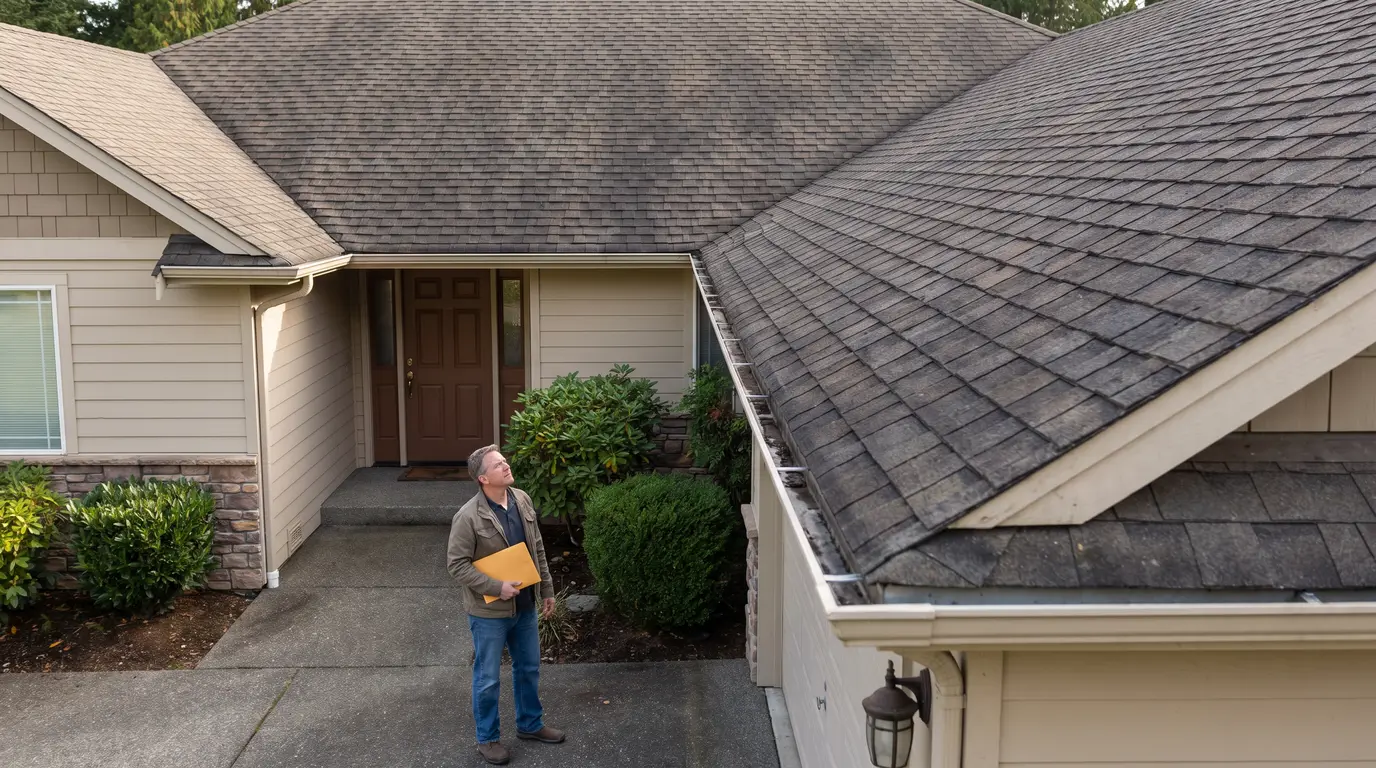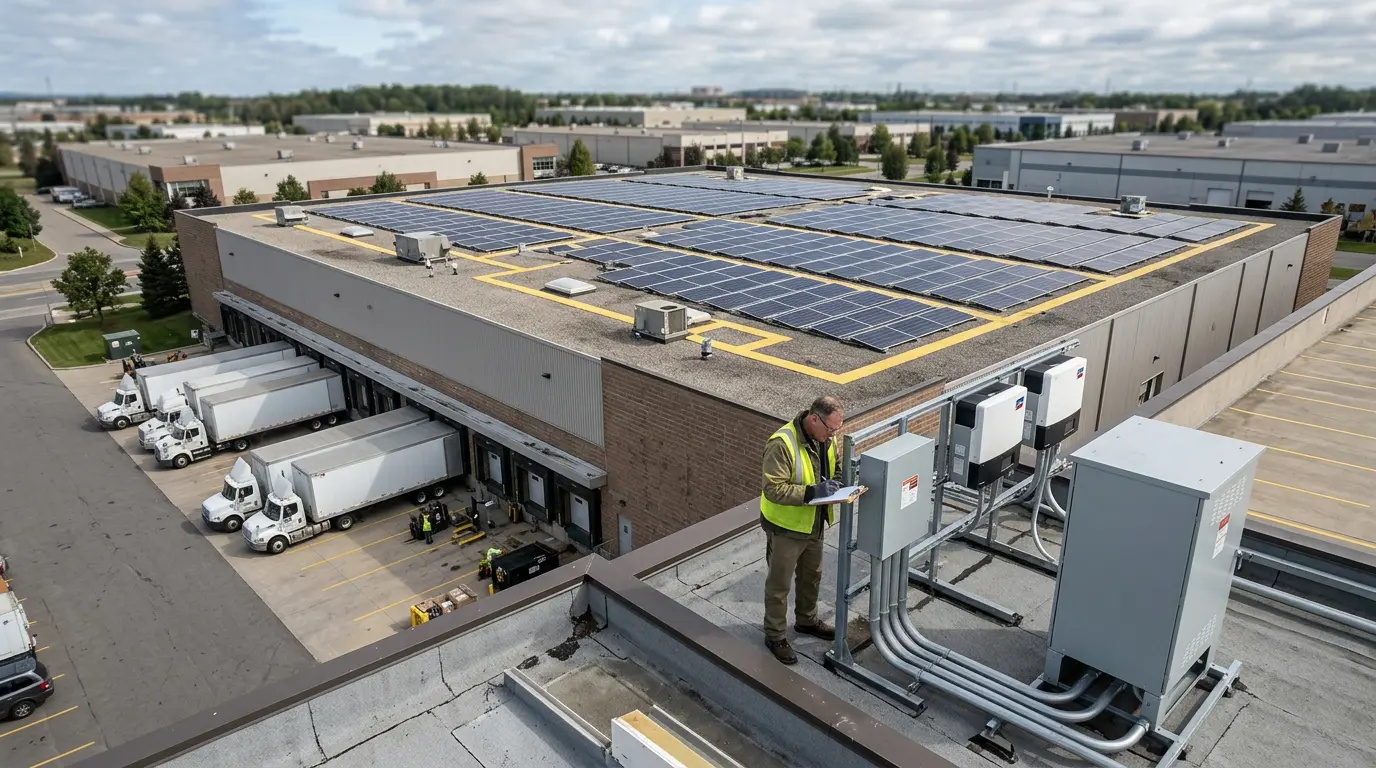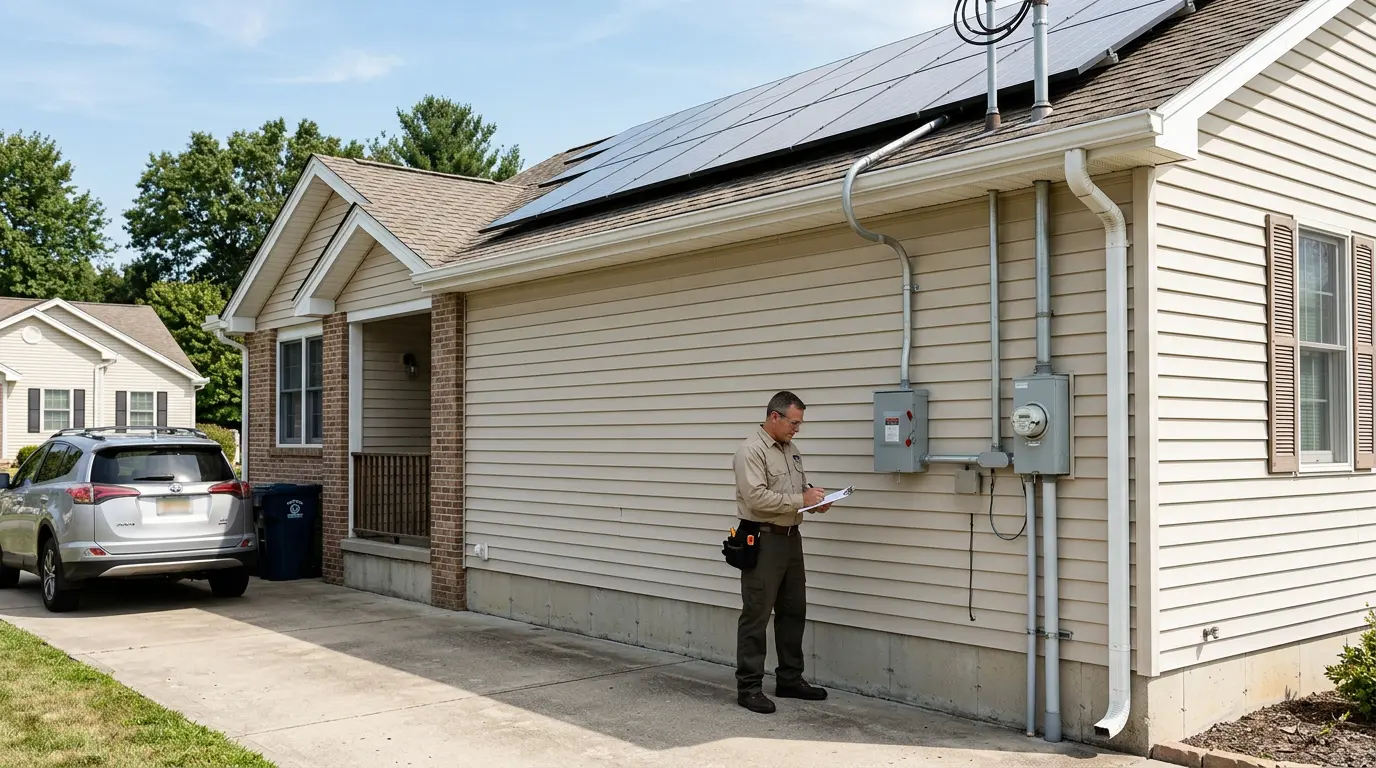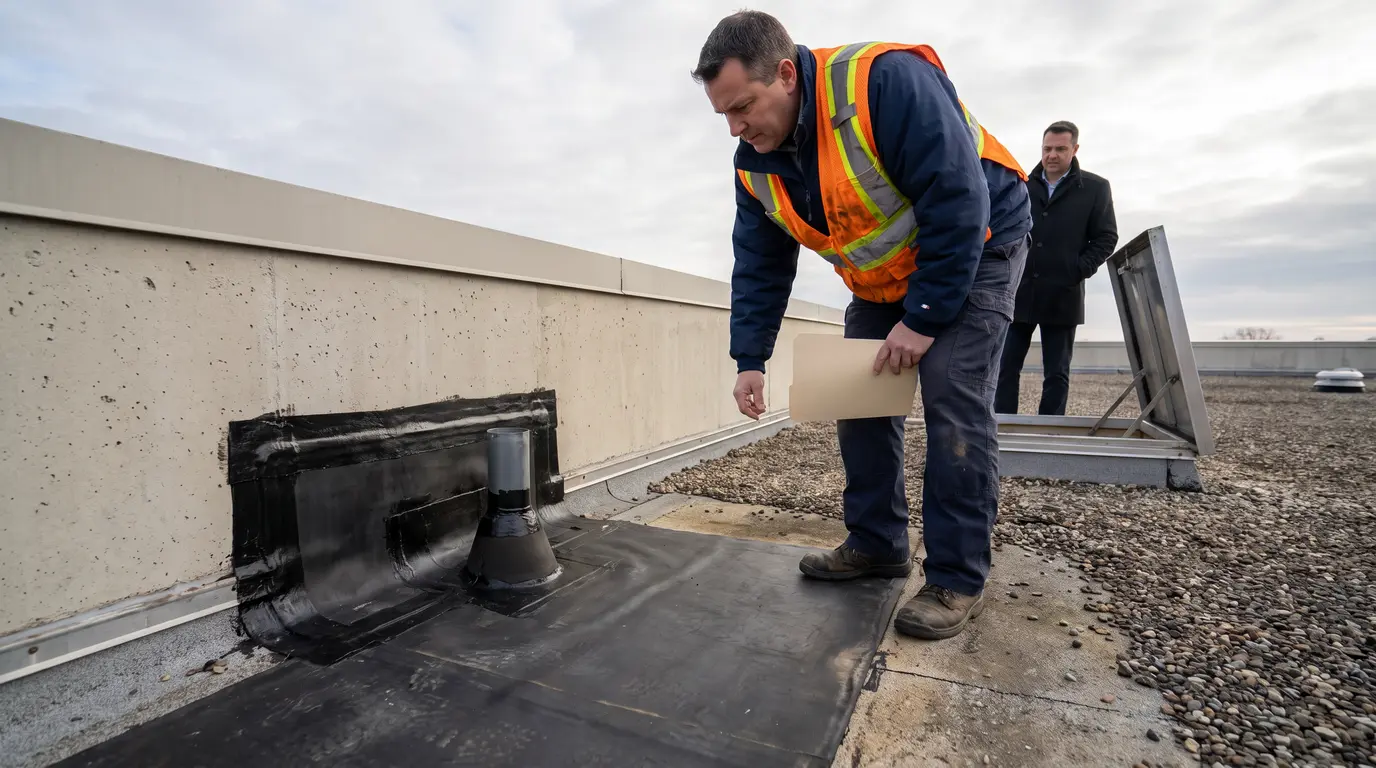
Sometimes. A commercial roof repair may be exempt from a building permit when it is ordinary maintenance that preserves the existing roof and does not change structural components, drainage, fire protection, energy requirements, or other regulated features. A permit becomes more likely when the project involves new roofing, decking, load bearing components, drainage changes, or reconstruction after substantial storm or flood damage.
The controlling answer comes from the local building department or other authority having jurisdiction, not from a nationwide roofing rule. Before authorizing work, give that office the property address, building use, roof system, detailed scope, estimated cost, and information about any storm or flood damage. Ask for written confirmation of whether a building permit, plan review, trade permit, inspection, or floodplain approval is required.
How to screen a commercial roof repair
Start with the actual scope rather than the contractor’s label. The word repair can describe a small membrane patch, replacement of damaged decking, or reconstruction of a structural roof component. Those activities can follow very different approval paths.
- Roof covering or membrane repairs
- Flashing and penetration repairs
- Drain, scupper, gutter, or slope changes
- Insulation or roof assembly changes
- Decking or sheathing replacement
- Structural framing, joist, truss, or load bearing repairs
- Temporary emergency protection and permanent corrective work
The International Building Code permit exemption provisions illustrate the general framework, but the model code is not automatically the law for every property. States and local jurisdictions may adopt different code editions, amendments, exemptions, and procedures.
Typical permit likelihood by repair scope
This table is a screening tool, not a legal determination. Adopted codes, local amendments, occupancy, project size, emergency procedures, location, and the exact scope control the outcome. Ordinary repairs may still need to comply with applicable codes even when a permit is not required.
Work that is more likely to require approval
A localized repair to an existing roof covering may fit an ordinary maintenance exemption in some jurisdictions. For example, Knoxville guidance describes normal roof maintenance or repair as work that does not change or compromise the original design’s weight, drainage, fire protection, or other code requirements. That is a local interpretation, not a nationwide rule.
Permit review becomes more likely when the work adds roofing, replaces structural decking, affects load bearing framing, changes drainage, or alters other features regulated by the adopted building code. A low project cost does not automatically remove the approval requirement. North Carolina law, for example, includes a commercial building permit exemption for qualifying work costing $40,000 or less while excluding certain work involving load bearing structures and the addition of roofing. That threshold and those exceptions apply to North Carolina and should not be generalized to other states.
The North Carolina building permit statute shows why the scope matters more than a contractor’s shorthand description. Ask the local building department how it classifies the proposed work before relying on any exemption.
What to ask the authority having jurisdiction
Contact the AHJ before work begins, preferably with a written scope from the roofing contractor. Include the property address, occupancy or use, affected roof area, existing and proposed materials, number of roof layers when relevant, decking or structural conditions, and estimated project value.
- Does the work require a building permit?
- Is plan review required?
- Are separate electrical or mechanical permits involved?
- Are inspections or special inspections required?
- Will approved plans or professional design documents be needed?
- Is a floodplain development approval required?
- What inspection and closeout records must be provided?
Some larger or taller roof alteration and replacement projects may require a registered architect or engineer because the work can affect structural loads, energy requirements, and drainage. Knoxville’s guidance is an example of this type of local review, not a universal professional seal requirement.
Storm and flood damage need an extra check
After storm or flood damage, do not assume that permanent repairs follow the same path as routine maintenance. A property in a regulated flood area may need floodplain development review, and a substantial damage determination may trigger current floodplain requirements.
The Federal Emergency Management Agency guidance for businesses affected by flooding recommends contacting local floodplain, building, and permitting departments before repairs. Ask the local official whether emergency protection can proceed before an application is filed and what permanent work still requires approval.
Coordinate the contractor and the building
Your contract or work order should identify who will determine permit requirements, submit applications, schedule inspections, respond to plan review comments, and provide permit or final approval records. Written responsibility prevents a project from reaching completion with unclear closeout obligations.
For related project management guidance, review roof contract permit responsibilities. The article can help organize permit, inspection, change order, and warranty provisions, but it does not replace the AHJ’s determination.
Coordinate roof access, tenant notifications, protection of occupied areas, noise and odor controls, delivery routes, temporary weather protection, and any building shutdowns. Permit compliance and building operations are separate responsibilities, and both need attention before the crew arrives.
Permit status is also separate from worker safety. OSHA construction fall protection requirements generally apply to qualifying roofing work at elevations, including low slope commercial roof work, whether or not a building permit is required. The OSHA fall protection regulation addresses jobsite safety rather than building approval.
Keep a complete roof repair file
Save the AHJ’s written response, application, approved plans, permit card, inspection results, change orders, photographs, invoices, warranties, and final approval records. A consistent file supports future maintenance, insurance claims, refinancing, property sale, and portfolio recordkeeping.
If you manage several properties, track commercial roof repairs across properties with a consistent closeout process. That resource is intended for workflow and documentation, not as regulatory evidence.
If the project may expand from a localized repair into recovery or replacement, compare the decision with guidance on whether to recover or replace a commercial roof. A full replacement or major assembly change can follow a different approval path than ordinary maintenance. For preliminary budgeting, you can also estimate commercial roofing costs, while confirming the actual scope and local requirements separately.
Common questions
Do commercial roof membrane repairs always require a permit?
No. A localized membrane repair may be exempt when it is ordinary maintenance and does not change structural components, drainage, fire protection, energy requirements, or another regulated feature. Confirm the exemption with the local AHJ and keep the response in the project file.
Does replacing commercial roof decking require a permit?
It is more likely to require a permit or inspection, particularly when the decking is structural or the replacement is extensive. Tell the AHJ how much decking is affected and whether it supports the roof diaphragm or other structural elements.
Is a permit needed for emergency commercial roof repairs?
Temporary measures to stop active water entry may be necessary, but an emergency does not automatically remove every permit or inspection obligation. Ask the AHJ whether temporary protection may proceed first and what permanent repairs, storm damage determinations, or floodplain approvals are still required.
The practical next step
Before approving a commercial roof repair, turn the contractor’s proposal into a specific scope and send it to the local AHJ. Confirm in writing whether the work needs a permit, plan review, inspection, or floodplain approval, then assign those tasks in the contract and retain the closeout records. That process gives you a clear approval path without treating a local exemption as a nationwide rule.