Yes. A commercial rooftop solar project will generally need approval before installation, inspection after construction, and utility approval before it can operate on the grid. The exact process depends on the property location, local authority having jurisdiction, adopted codes, system design, and serving utility.
That usually means coordinating several separate reviews rather than applying for one universal solar permit. Building, electrical, structural, fire, and utility requirements may involve different agencies or reviewers. Starting early helps prevent design changes, scheduling problems, and uncertainty about who is responsible for final approval.
The U.S. Department of Energy overview of rooftop solar permitting explains the general relationship between permitting, inspection, and grid connection. Commercial owners should still confirm the specific process for their address.
| Approval or review area | What it generally addresses | Typical decision maker | Owner should confirm |
|---|---|---|---|
| Local building or construction permit | Whether the proposed rooftop work follows locally adopted construction requirements and whether the building can safely accommodate the installation | City, county, or state building department or authority having jurisdiction | Required application, plan set, permit type, inspection stages, and whether zoning or planning review is also involved |
| Electrical permit or electrical review | PV wiring, inverters, disconnects, service connections, and related electrical equipment | Local electrical authority or authority having jurisdiction | Whether a separate electrical permit is required and what code edition, equipment documentation, and inspections apply |
| Structural review | Roof and supporting structure, attachment method, equipment loads, and related building safety issues | Building department or qualified design professional, depending on the jurisdiction | Whether calculations, stamped drawings, existing structure information, or special review are required |
| Fire code review | Fire access, equipment placement, rapid shutdown, roof pathways or setbacks, and responder related provisions where applicable | Fire marshal, fire department, or building authority having jurisdiction | Which fire provisions apply to the occupancy, roof, layout, and locally adopted code |
| Utility interconnection | Whether and how the PV system may connect and operate in parallel with the electric grid | Serving utility, with state or other regulatory rules potentially affecting the process | Application, studies, export limits, protection requirements, meter work, inspection or testing, and permission to operate |
| Final inspection and closeout | Whether construction was completed as approved and whether the system may proceed to operation | Authority having jurisdiction and utility, as applicable | Final inspection records, approval to energize, permission to operate, and complete project documentation |
These categories are a planning framework, not a universal permit list. One jurisdiction may combine reviews while another may require separate applications. The building, system design, occupancy, and utility territory determine the actual path.
Start with the local approval path
Before finalizing a solar layout or construction schedule, identify the local authority having jurisdiction for the property. Ask which building, electrical, structural, fire, zoning, and planning reviews apply. Also ask for the locally adopted code edition and the required plan format.
A building permit or construction approval does not replace utility interconnection approval. The local authority reviews construction and safety matters, while the serving utility reviews how the system connects to and operates with the electric grid. The EPA discussion of solar interconnection standards and policies describes why utility procedures can vary.
Review the roof and supporting structure early
Commercial solar plans should address more than the number of panels that fit on the roof. The review may need to consider roof condition, supporting structure, attachment methods, existing loads, equipment placement, wind or other site specific design conditions, and access provisions.
A preliminary roof review can help identify conflicts, but it is not the same as approval from the authority having jurisdiction or stamped structural design when one is required. For early planning, see how much solar a commercial roof can support.
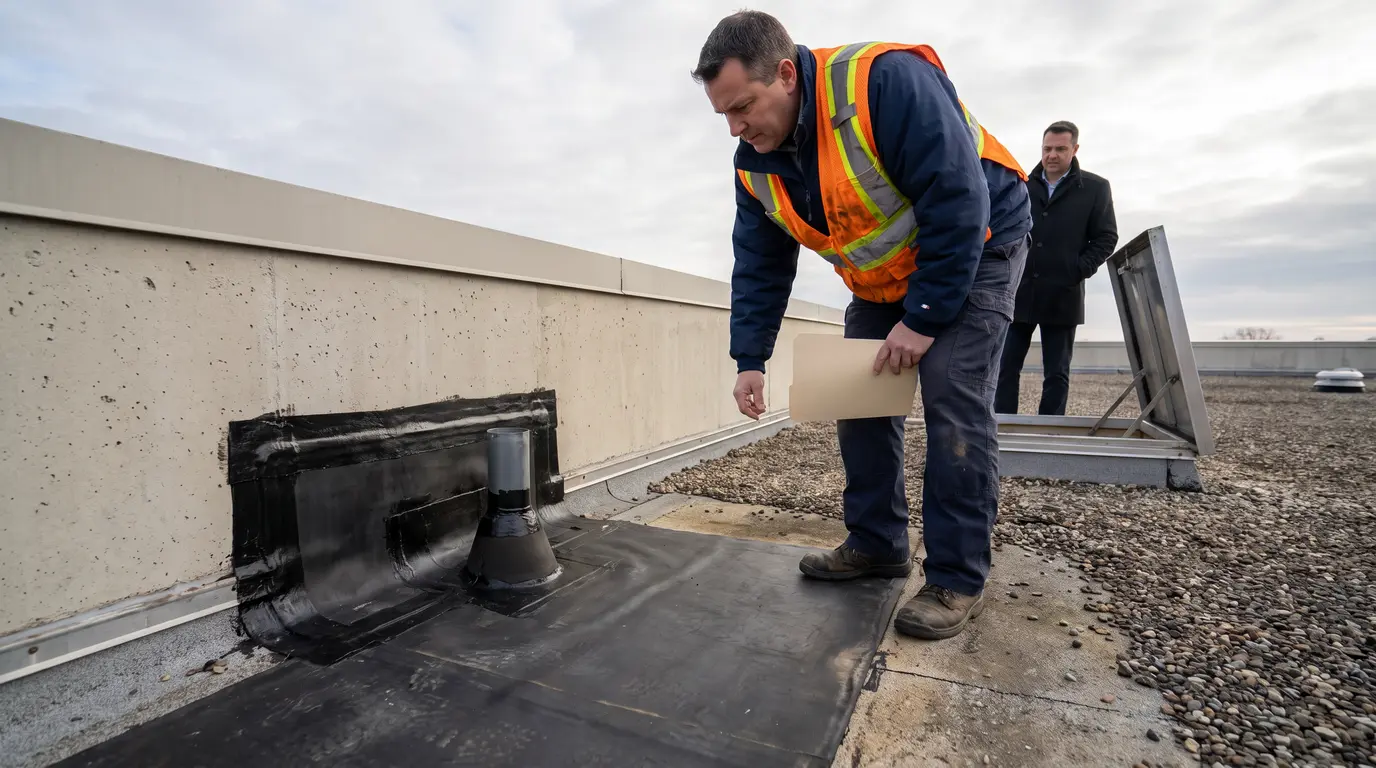
Roof timing also deserves attention. An aging, damaged, wet, or poorly documented roof can create a conflict between solar construction and future repairs or replacement. Before signing a contract, discuss penetrations, flashing, access paths, warranties, and what happens if panels must be removed and reinstalled later. This guide on whether to replace the roof before solar can support that planning conversation.
Confirm the electrical and fire reviews
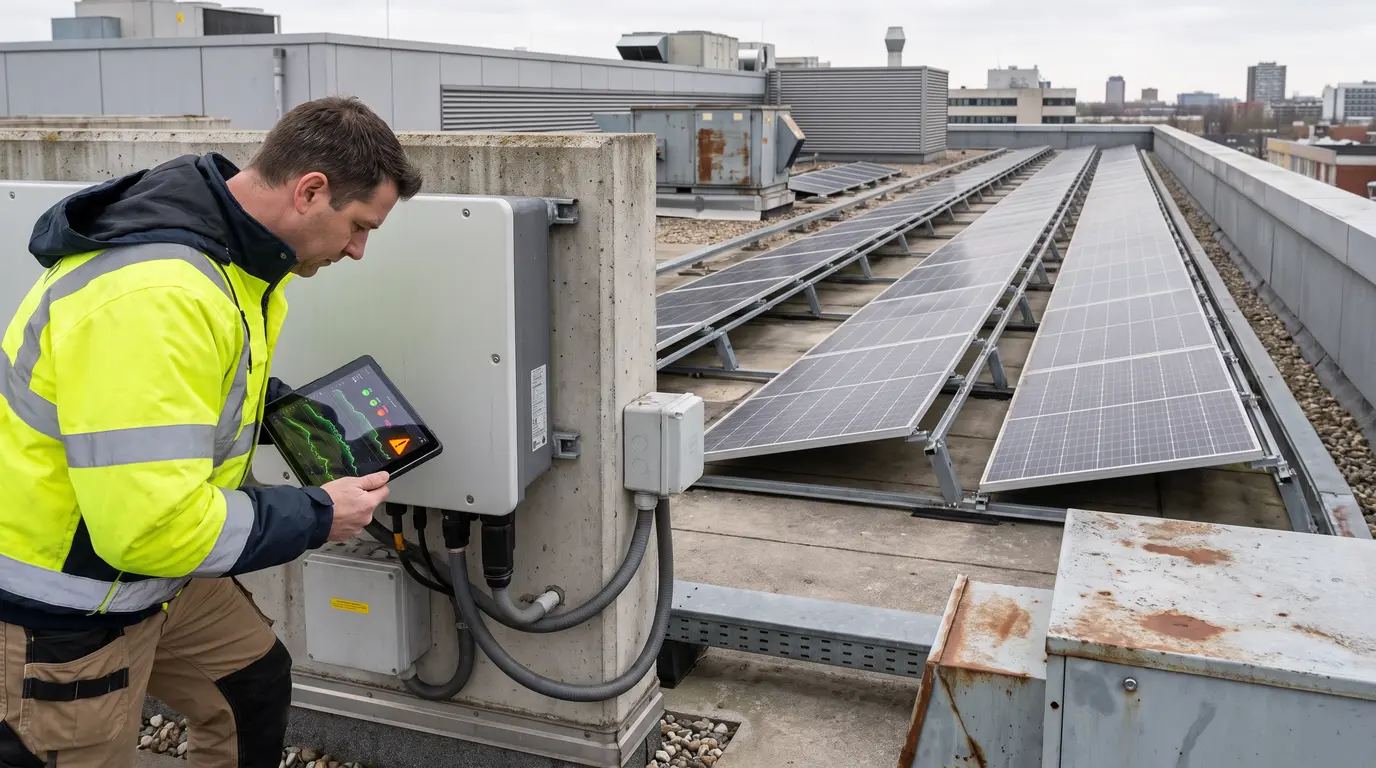
The electrical scope may include inverters, disconnects, conductors, service equipment, monitoring equipment, and changes to the building electrical service. The review should cover the complete system rather than only the modules on the roof.
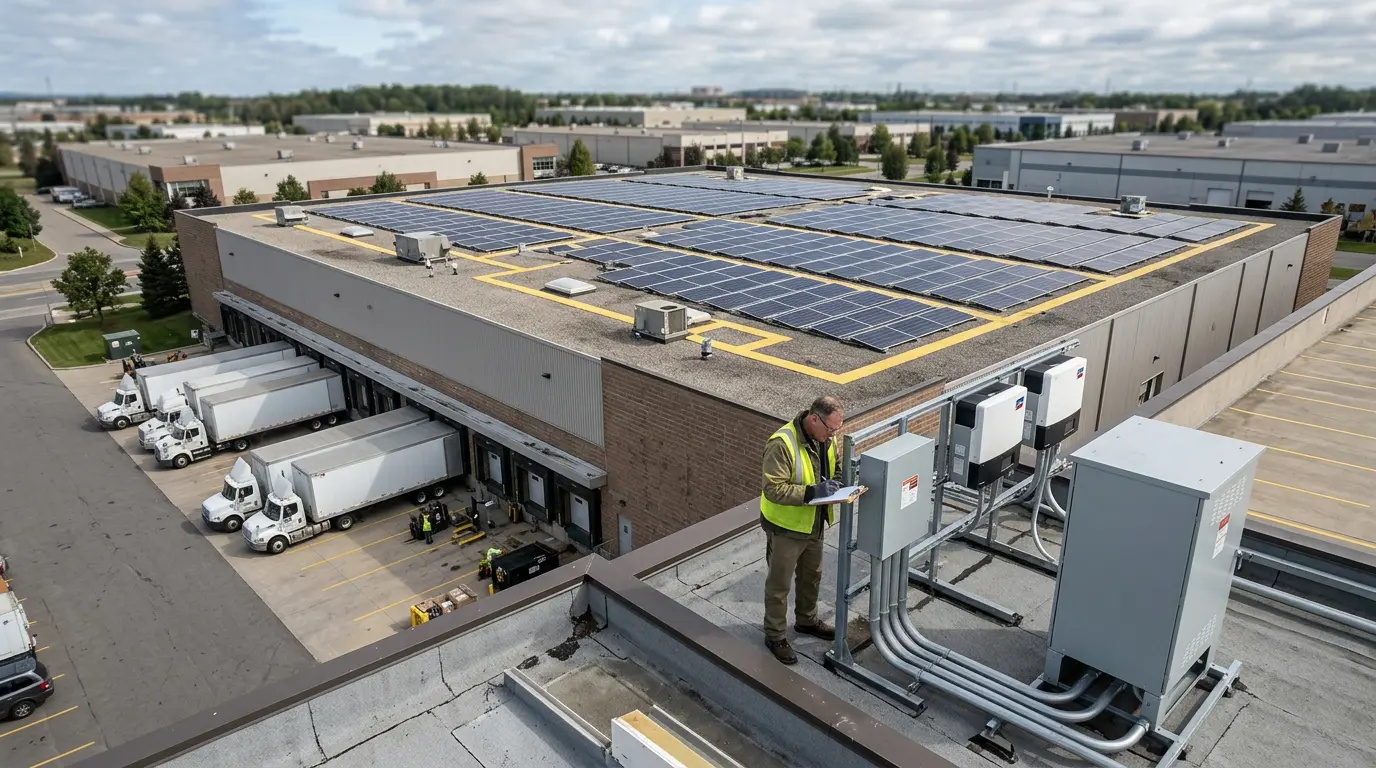
Fire review may address equipment locations, emergency responder considerations, rapid shutdown provisions, access, and roof pathways or setbacks where applicable. Do not assume one setback distance or one fire requirement applies nationwide. The local authority must confirm which provisions apply to the building, occupancy, roof, and proposed layout.
Begin utility discussions before construction
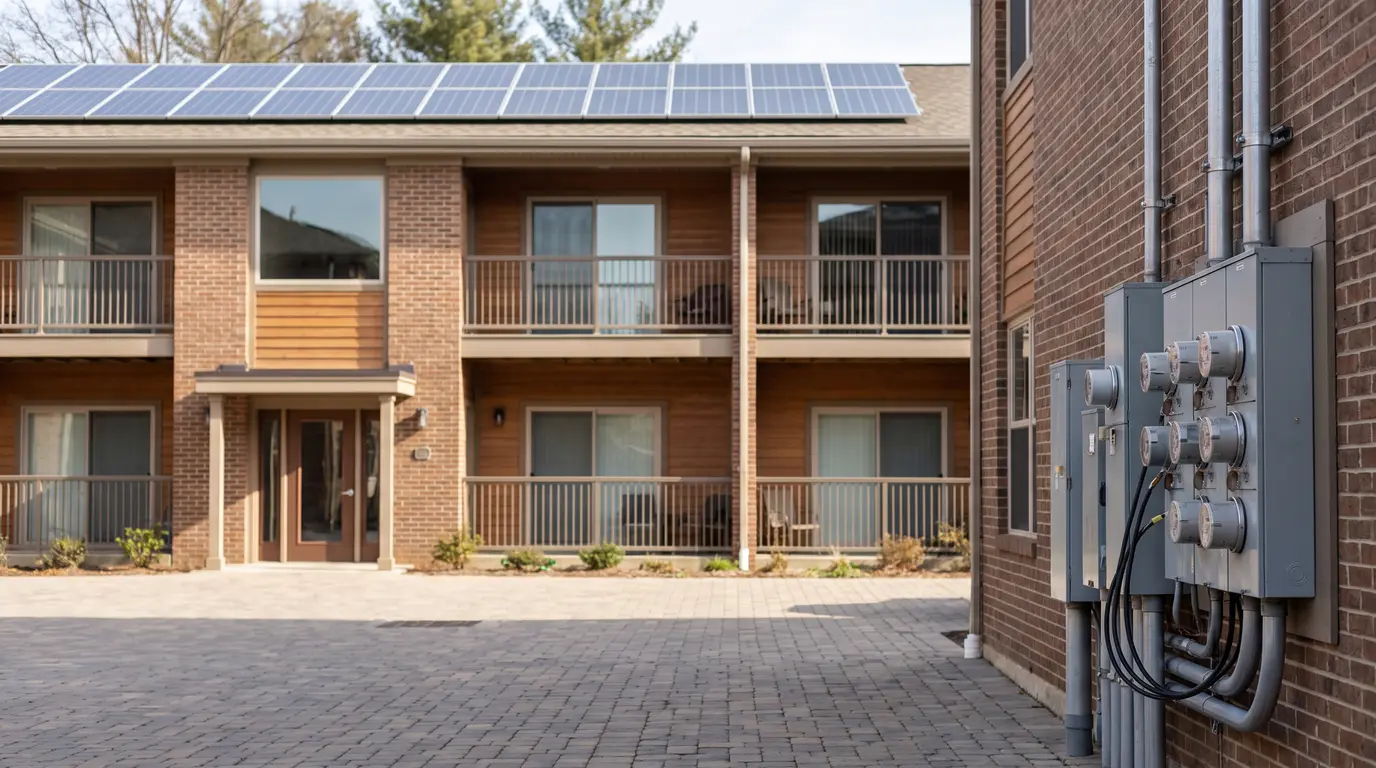
Contact the serving utility early about the interconnection application and review sequence. Questions may include whether studies are needed, whether export limits apply, what protection equipment is required, whether the meter must change, and whether inspection or witness testing is part of the process.
The system should not be energized simply because the panels and equipment have been installed. Construction approval, final inspection, and utility permission to operate may be separate steps. Ask which agency or utility approval is still outstanding before the system may be energized.
Assign permitting responsibility in the contract
A solar provider or project developer may coordinate design, permitting, construction, and utility interconnection, including under a power purchase agreement or other third party ownership arrangement. That coordination can simplify the process, but it does not remove the owner’s need to confirm that every approval is complete.
The contract should identify who prepares plans, submits applications, pays fees, responds to corrections, schedules inspections, obtains permission to operate, and delivers closeout records. Keep approved plans, inspection records, interconnection documents, equipment certifications, warranties, and as built information with the property records.
Commercial properties may also require coordination with tenant operations, fire protection systems, electrical service capacity, historic or zoning controls, insurance requirements, or lender requirements. These considerations should be confirmed for the particular property rather than assumed from a residential solar process.
Questions to ask before signing or starting work
- Which agency or utility approval is still outstanding before the system may be energized?
- If the roof requires replacement during the solar system’s expected service period, does the contract explain panel removal, storage, reinstallation, and responsibility for related costs?
- Does the proposed layout preserve the access, service, and emergency response provisions required by the local authority having jurisdiction?
Frequently asked questions
Is a commercial solar permit the same as utility interconnection approval?
No. A local building or electrical approval addresses construction and code compliance. Utility interconnection approval addresses connection and operation with the electric grid. Both may be required, and one does not replace the other.
Does a commercial rooftop solar project always need a structural review?
The exact review and documents depend on the building, system design, roof, and local process. Owners should expect the project team and, where required, a qualified design professional to address the roof structure, attachment method, equipment loads, and related building safety issues.
Who is responsible for obtaining solar permits?
The installer, provider, or project developer may coordinate applications, but the contract should clearly assign responsibility. The building owner should verify that applications, inspections, utility approval, and closeout documents are complete and retain copies for the property.
Plan the approvals before the panels arrive
Commercial rooftop solar generally requires more than placing panels on a roof. A practical approval plan identifies the local authority, confirms building and electrical requirements, addresses structural and fire matters, starts utility discussions early, and assigns documentation duties in writing.
Once the roof condition, approval path, and likely project scope are clearer, you can use the commercial solar cost calculator for preliminary planning. It should not be treated as a quote or permit fee estimate, and project specific verification is still needed.