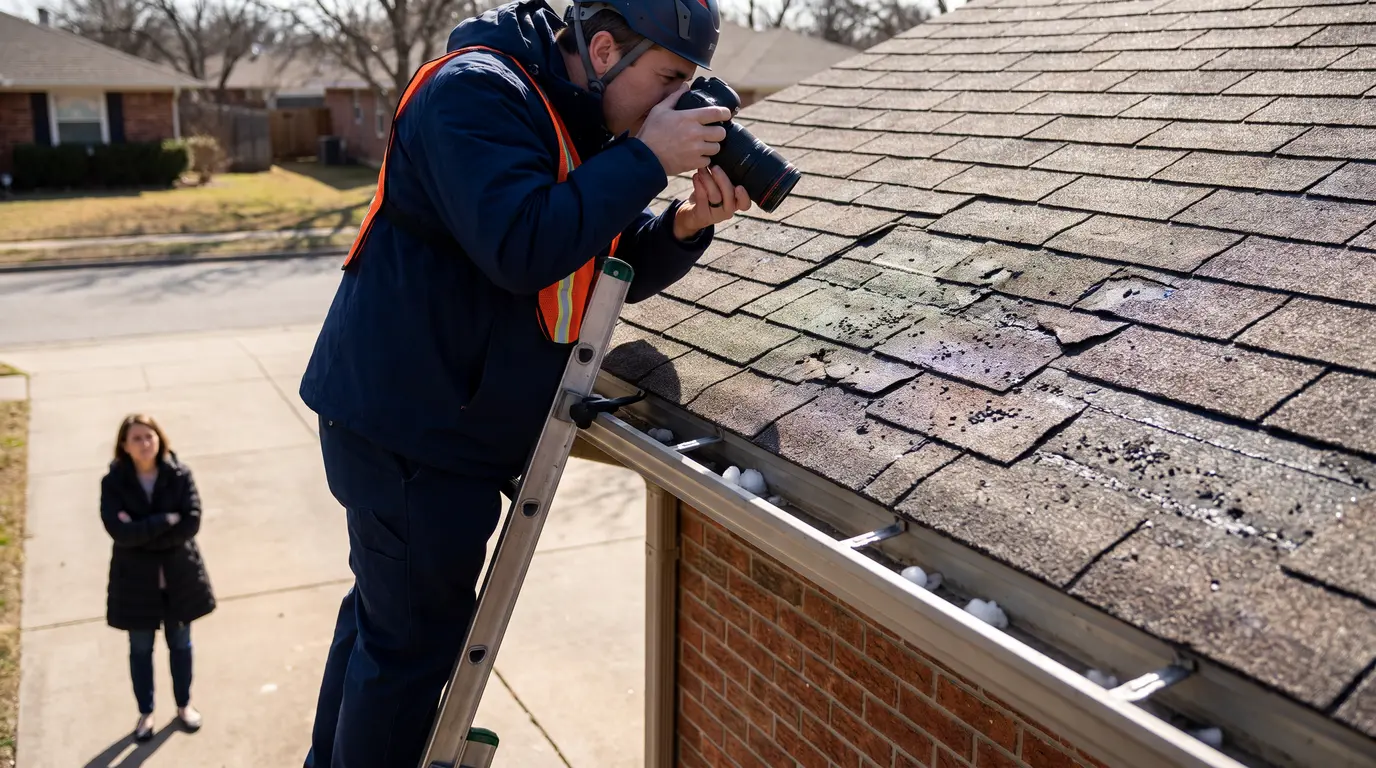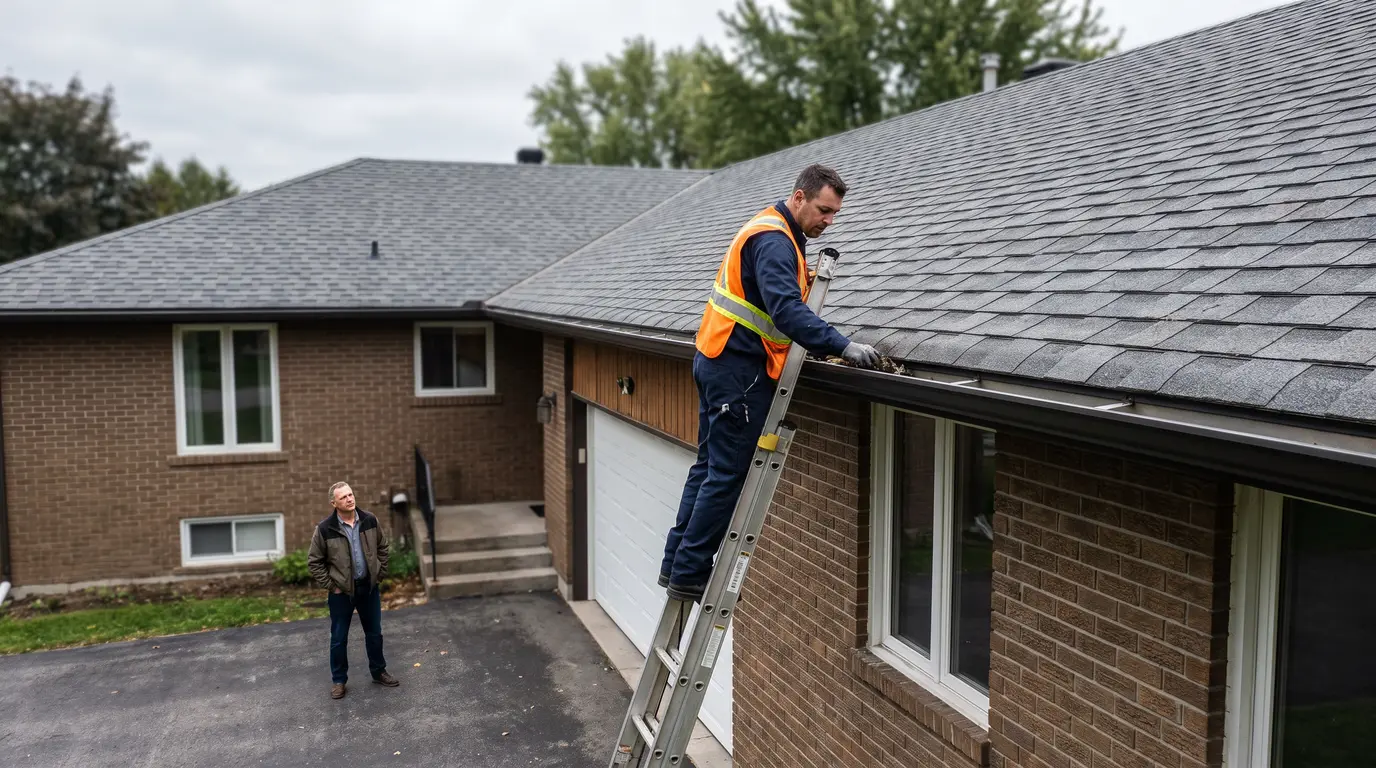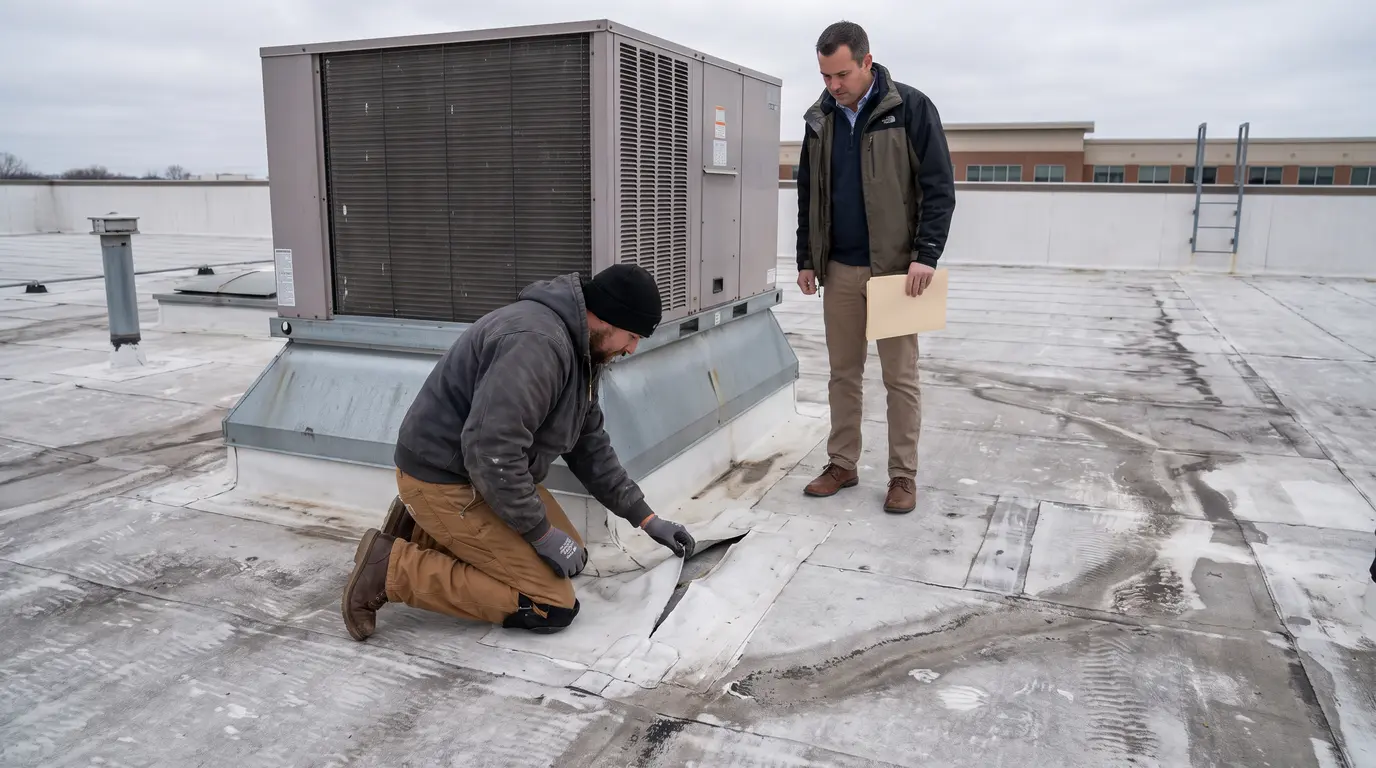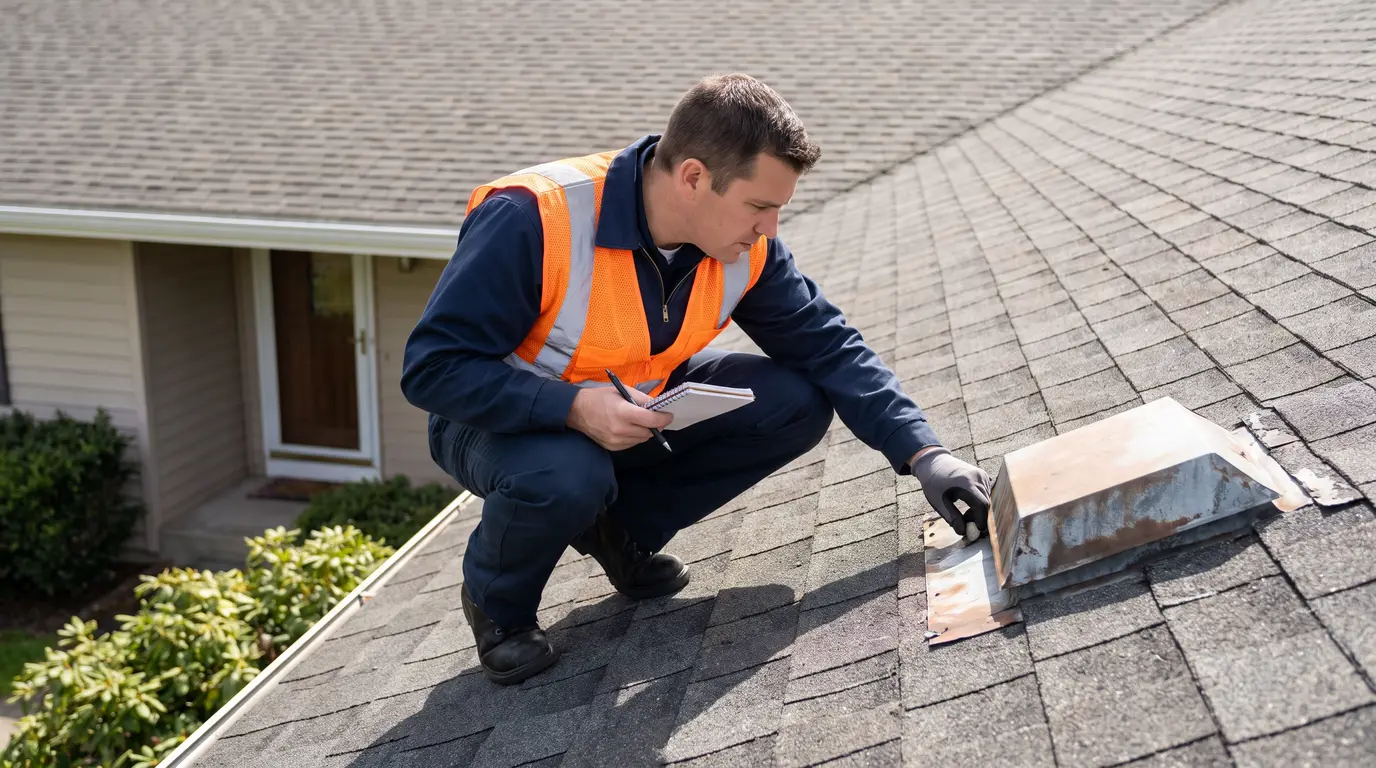
A professional residential roof inspection typically costs about $150 to $500 in 2026. A routine visual or physical inspection usually falls toward the lower or middle part of that range, while infrared imaging, drone documentation, difficult roof access, or a more detailed report can raise the price. The most important question is not simply whether the quote is cheap. It is what the inspection price includes.
National planning ranges are estimates rather than guaranteed fees. Local labor rates, roof size and complexity, accessibility, inspection method, and requested documentation can all change the final quote. Before scheduling, ask the inspector to explain the scope in plain language so you can compare services rather than comparing numbers that cover different work.
Typical Roof Inspection Costs
| Inspection type | Supported planning range | Typical use | Important limitation |
|---|---|---|---|
| Visual or physical inspection | About $150 to $400 | General roof condition review and maintenance planning | Scope depends on safe roof access and whether attic or interior areas are included. |
| Drone inspection | About $150 to $400 | Steep, high, complex, or difficult to access roofs and photographic documentation | Primarily documents visible conditions. Confirm whether any physical or attic inspection is also included. |
| Infrared or thermal inspection | About $300 to $600 | Investigating possible hidden moisture or insulation related conditions | Higher cost diagnostic option. Thermal findings may require additional interpretation or confirmation. |
These ranges come from 2026 cost guide estimates with different definitions and inclusions, so they are not a standardized national fee schedule. A drone inspection is not automatically a more complete inspection than a physical one. It can document visible roof conditions, but the proposal should say whether the inspector will also assess accessible materials, the attic, drainage, or other areas in person.
What a Residential Roof Inspection May Include
A residential inspection may review the roof covering, flashing, drainage, roof structure, attic, insulation, and ventilation. Flashing is the material used around roof transitions and openings, while drainage includes the features that move water away from the roof. The exact scope depends on the agreement, accessibility, safety conditions, and the inspector’s standards.
InterNACHI’s Home Inspection Standards of Practice describe a noninvasive visual examination of accessible residential areas and organize inspection work into roof and attic, insulation, and ventilation sections. That does not mean every roof inspection includes every area. An inspector may avoid walking the roof, entering the attic, or examining a location considered unsafe or inaccessible.
For a useful comparison, ask whether the quoted price includes the roof surface, flashing, roof penetrations, skylights or chimneys when present, gutters and drainage, the attic, photographs, and a written report. You can also review what roof inspectors check for a component focused overview. That resource addresses pre purchase inspections, so a routine maintenance inspection may have a different scope.
What Can Increase the Final Price?
Roof size matters, but it is not the only consideration. A smaller roof that is steep, high, divided into several sections, or difficult to access may require more time or specialized equipment than a larger roof with simple access. Multiple roof sections can also require more documentation because the inspector is reviewing more separate areas and transitions.
The inspection method also changes the quote. A visual or physical inspection may be suitable for general condition and maintenance planning when safe access is available. A drone can help document a steep, high, or difficult to access roof. Infrared or thermal equipment may be considered when hidden moisture or insulation related conditions are suspected. These tools add diagnostic capability or documentation, but they can also increase the price.
Reporting is another detail that can separate two quotes. Ask whether the report includes dated photographs, descriptions of identified problem areas, condition information, and recommendations. Repair pricing, certification, or a formal insurance report should not be assumed to be included unless the proposal says so.
Questions to Ask Before Scheduling
The most useful question is: “What exactly is included in this inspection price, and what services would cost extra?” That invites a clear explanation of the inspection method, report, attic access, drainage review, and any diagnostic equipment.
You can also ask: “Will the inspector examine the attic and drainage system, or only the visible roof surface?” If roof access is limited, ask: “If the roof cannot be safely walked, what inspection method will be used instead?” The answers help you understand whether you are buying a general visual review, a more detailed diagnostic service, or a combination of methods.
Do not climb onto the roof to reduce the inspection cost. A safe inspection may exclude roof walking or attic entry when conditions are hazardous or areas are inaccessible. If you want a preliminary look from the ground, you can check your roof without climbing, but that is not a substitute for a professional inspection.
The Inspection Fee Is Separate From Repair Costs
The $150 to $500 planning range covers the inspection service, not the cost of correcting problems found during the inspection. A report may identify maintenance needs, damaged materials, drainage concerns, or conditions that require further evaluation. Whether the inspector provides repair pricing is a separate question and should be confirmed in advance.
If the inspection identifies possible repair or replacement needs, the roof cost calculator can provide preliminary planning information. It is not an inspection price calculator or a contractor quote, so project specific costs still need to be confirmed separately.
Frequently Asked Questions
What is included in a standard roof inspection?
A standard inspection may include a visual review of the roof covering, flashing, drainage, roof structure, attic, insulation, and ventilation. The actual scope depends on the agreement, safe access, and the inspector’s standards. Confirm whether photographs and a written report are included.
Does a roof inspection include the attic?
It may, but attic entry is not automatic. The area must be accessible and safe, and the inspection agreement should identify whether the attic, insulation, and ventilation will be reviewed.
Is a drone roof inspection more expensive than a physical inspection?
Published 2026 planning ranges place both visual or physical inspections and drone inspections at about $150 to $400, although the final quote depends on scope and conditions. A drone inspection may document visible roof conditions without replacing an attic review or an in person assessment of accessible materials.
Choosing the Right Inspection Scope
For most homeowners, the first step is to match the inspection method and report to the decision you need to make. A general condition review may call for a visual or physical inspection, while difficult access, suspected hidden moisture, or a need for extensive documentation may justify a drone or thermal option. Ask for the exact inclusions before comparing prices, then use the report to separate observed conditions from recommendations. This guide on how to read a roof inspection report can help with that next step.