When was the last time you had your roof inspected? If you can’t remember, you’re not alone. Many homeowners and property managers forget that the roof, while often out of sight, should never be out of mind. Regular roofing inspections are essential to protect your home, maintain its value, and avoid costly repairs down the line.
In this article, we’ll explore the benefits of regular roof inspections, how often they should be performed, what a professional inspection includes, and why preventive maintenance is a smart financial move.
What Is a Roofing Inspection?
A roofing inspection is a thorough assessment of your roof’s current condition by a qualified professional. The goal is to identify signs of wear, damage, or potential issues before they escalate into serious problems.
Roofing contractors typically examine the following areas:
- Shingles or roofing material
- Flashing around chimneys and vents
- Gutters and drainage
- Signs of water intrusion or mold
- Roof deck integrity
- Ventilation systems
- Structural elements beneath the surface
If you’re ready to schedule one, check out our roof inspection service page for more details about what to expect and how to get started.
Top Benefits of Regular Roofing Inspections
1. Catch Problems Early
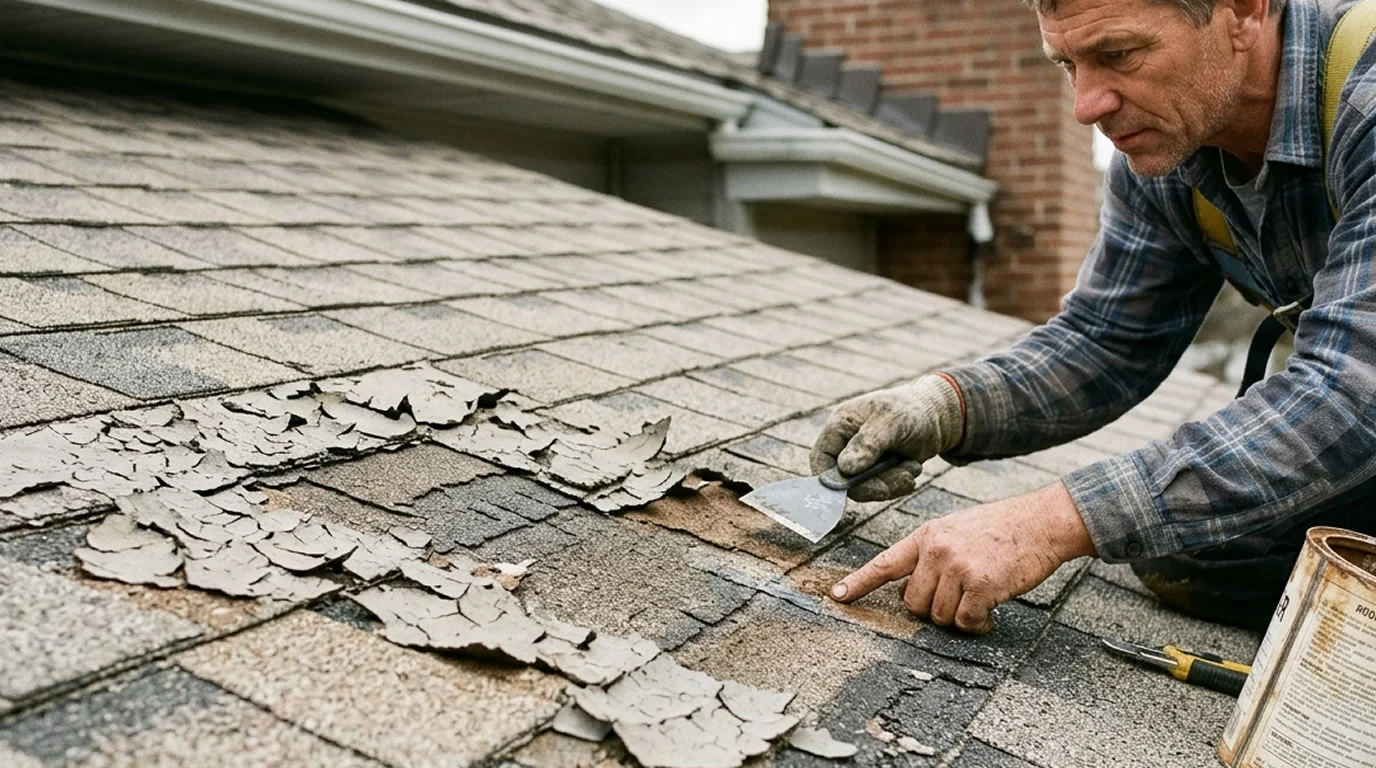
One of the biggest benefits of regular roof inspections is early detection. Small issues like missing shingles, minor leaks, or worn flashing can go unnoticed for months or even years. When left unresolved, they can lead to major problems like mold growth, structural rot, or interior damage. Inspections give you the chance to fix problems while they’re still minor.
2. Extend the Life of Your Roof
Roofs are not designed to last forever, but you can help yours reach or even exceed its expected lifespan with proper maintenance. Regular inspections and timely repairs reduce stress on the structure and prevent long-term deterioration. Whether your roof is made of asphalt shingles, metal, clay tile, or another material, inspections add years to its life.
3. Prevent Costly Repairs
Reactive roof repair is always more expensive than proactive maintenance. Water damage from a neglected leak can affect insulation, drywall, flooring, and even electrical systems. Regular inspections help you identify issues before they require full roof replacements or extensive internal repairs.
4. Protect Your Home’s Interior
A damaged roof doesn’t just stay on the outside. Once water breaches your roof’s surface, it can seep into ceilings, walls, and floors. Over time, this leads to mold, mildew, and costly damage to your home’s interior. Regular inspections act as a first line of defense against water intrusion.
5. Improve Energy Efficiency
A well-maintained roof plays a major role in your home’s energy efficiency. Gaps in the roof structure, poor insulation, and inadequate ventilation cause heat loss in winter and increased cooling costs in summer. During an inspection, a professional can assess and correct issues that contribute to high energy bills.
Expanded Protection: What Else Is Checked?
Insulation and Ventilation Systems
Roof inspections often go beyond surface materials. A knowledgeable roofing contractor will check your attic for proper insulation and ventilation. Insufficient airflow can trap moisture inside your attic, leading to mold, rot, and higher utility bills. Proper insulation helps keep your home comfortable year-round and reduces energy consumption. These are vital parts of your roofing system’s health and longevity.
Gutters and Drainage Health
Your gutters and downspouts are key to keeping water flowing safely off your roof and away from your foundation. If they are clogged, cracked, or improperly aligned, they can cause water to pool on the roof or spill over onto the siding. Roof inspections include checking these systems to ensure water is being directed away correctly. This one step can help avoid foundation issues and rotting roof edges.
Structural and Safety Risks
What may start as a tiny leak can develop into a structural hazard. Over time, moisture can weaken beams, sag the roof deck, and compromise your ceiling joists. Regular inspections spot these red flags early. Preventing structural damage not only avoids repair bills but also protects the safety of everyone in the home.
Mold and Indoor Air Quality
Leaks are not just about water damage — they affect your health too. Damp areas are breeding grounds for mold, which can enter your HVAC system and spread through your home. This can cause allergies and respiratory issues. Regular inspections help prevent this by catching leaks before mold sets in, protecting both your roof and your indoor air quality.
Peace of Mind During Storm Season
There’s a comfort in knowing your roof is in good shape. Heading into hurricane season, winter storms, or periods of heavy rain with a recently inspected roof means fewer worries and emergency calls. A simple inspection can give you confidence that your roof will perform when you need it most.
Maintain Curb Appeal and Property Value
Curb appeal matters, especially if you’re thinking about selling. A roof in poor condition is a red flag for buyers. On the other hand, a roof that’s been regularly inspected and maintained reassures potential buyers and adds value to your property. It shows that you’ve cared for your home and reduced future maintenance risks.
Insurance and Warranty Protection
Help With Insurance Claims
If your roof is damaged in a storm, having inspection records can be a huge advantage. Insurance companies often request proof of maintenance to process claims. Regular inspection reports provide documented evidence of the roof’s condition before the damage occurred, strengthening your case and speeding up the claims process.
Warranty Compliance
Many roofing manufacturers require periodic inspections and maintenance in order for their warranties to remain valid. If your roof is neglected and fails, the warranty might not cover it. Regular inspections help you stay in compliance with manufacturer guidelines.
Plan Ahead for Replacement
No roof lasts forever. Regular inspections give you a clear idea of your roof’s current condition and help you plan for its eventual replacement. This allows you to budget in advance, avoid surprises, and make smart decisions about materials and timing.
Want to see what a roof inspection or replacement might cost for your home? Use our roof cost calculator for a fast, accurate estimate.
Signs You Need a Roofing Inspection Immediately
While regular inspections should be routine, certain warning signs mean you should schedule one right away:
- Water stains on ceilings or walls
- Missing, cracked, or curling shingles
- Granules in gutters (from asphalt shingles)
- Visible sagging on the roof
- Increased energy bills with no clear explanation
- Moss or algae growth on the roof
- Light shining through your attic
- Mold or mildew smells indoors
These symptoms suggest there may already be damage that needs urgent attention.
DIY vs Professional Roof Inspections
While it may be tempting to perform your own roof inspection, it’s best to leave this task to the professionals. Roofing contractors have the training, experience, and safety equipment needed to spot subtle issues and access hard-to-reach areas.
However, you can still play a role in between professional visits. Walk around your home periodically to look for:
- Shingle debris on the ground
- Overflowing gutters
- Tree limbs resting on the roof
- Loose flashing or vents
These quick checks can alert you to issues that need a pro’s attention.
The Financial Benefits of Regular Roof Inspections
Regular roof inspections are a wise investment that can save you significant money over time. Consider these cost-saving advantages:
| Issue | Cost if Ignored | Cost with Early Detection |
|---|---|---|
| Small leak | $2,000–$10,000 (interior damage, mold, insulation) | $150–$500 (patch repair) |
| Missing shingles | $1,000–$5,000 (water damage, rot) | $150–$300 (replacement) |
| Blocked gutters | $1,500+ (foundation issues, fascia damage) | $100–$200 (cleaning) |
| Poor ventilation | $300/year (energy loss) | $0–$100 (adjustments during inspection) |
These numbers illustrate how simple inspections lead to major savings.
Bonus Tip: Best Times for a Roof Inspection
The ideal times for inspections are in the spring and fall. A spring inspection helps assess winter damage, while a fall check prepares your roof for the colder months ahead. You should also schedule an inspection immediately following a storm, hail event, or any visible signs of damage.
Choosing the Right Roofing Professional
Not all roofing companies are created equal. Look for a licensed, insured, and experienced contractor with good reviews and solid references. Ask if they provide:
- Free or low-cost inspections
- Written inspection reports
- Warranty on repair work
- Drone or infrared inspection options
- Annual maintenance plans
Working with a reputable roofer ensures your inspections are thorough and reliable.
Conclusion: Prioritize Your Roof Before It’s Too Late
Regular roofing inspections are a small investment with enormous returns. They help you prevent costly repairs, extend the life of your roof, protect your home’s interior, improve energy efficiency, and maintain your property value. Inspections also give you peace of mind knowing that your roof is solid and secure, rain or shine.
Want to get started? Visit our roof inspection service page for more info or use our roof cost calculator to request a fast quote based on your roof type and square footage.
Whether you’re a homeowner, landlord, or business owner, adding annual roof inspections to your maintenance checklist is one of the smartest decisions you can make. Your roof works hard to protect you. Return the favor with regular care and expert attention.