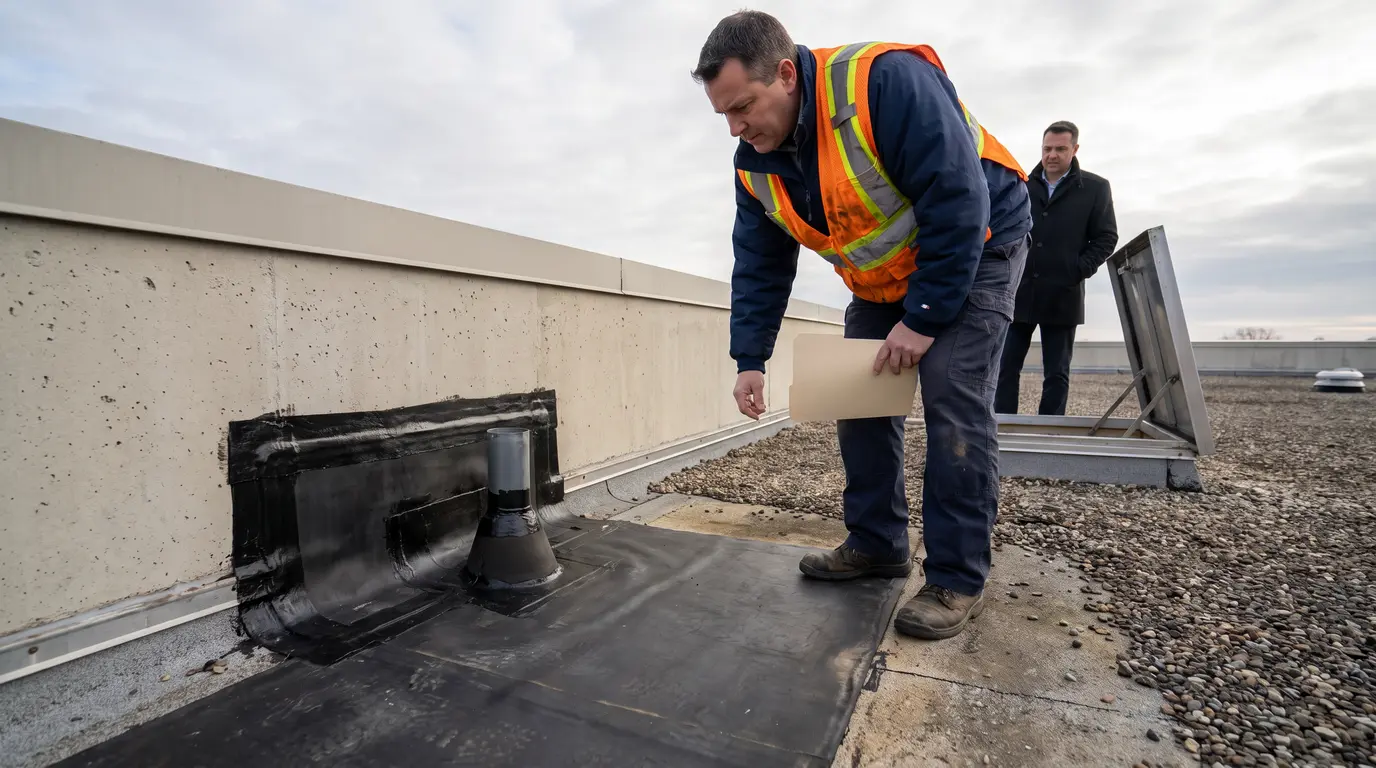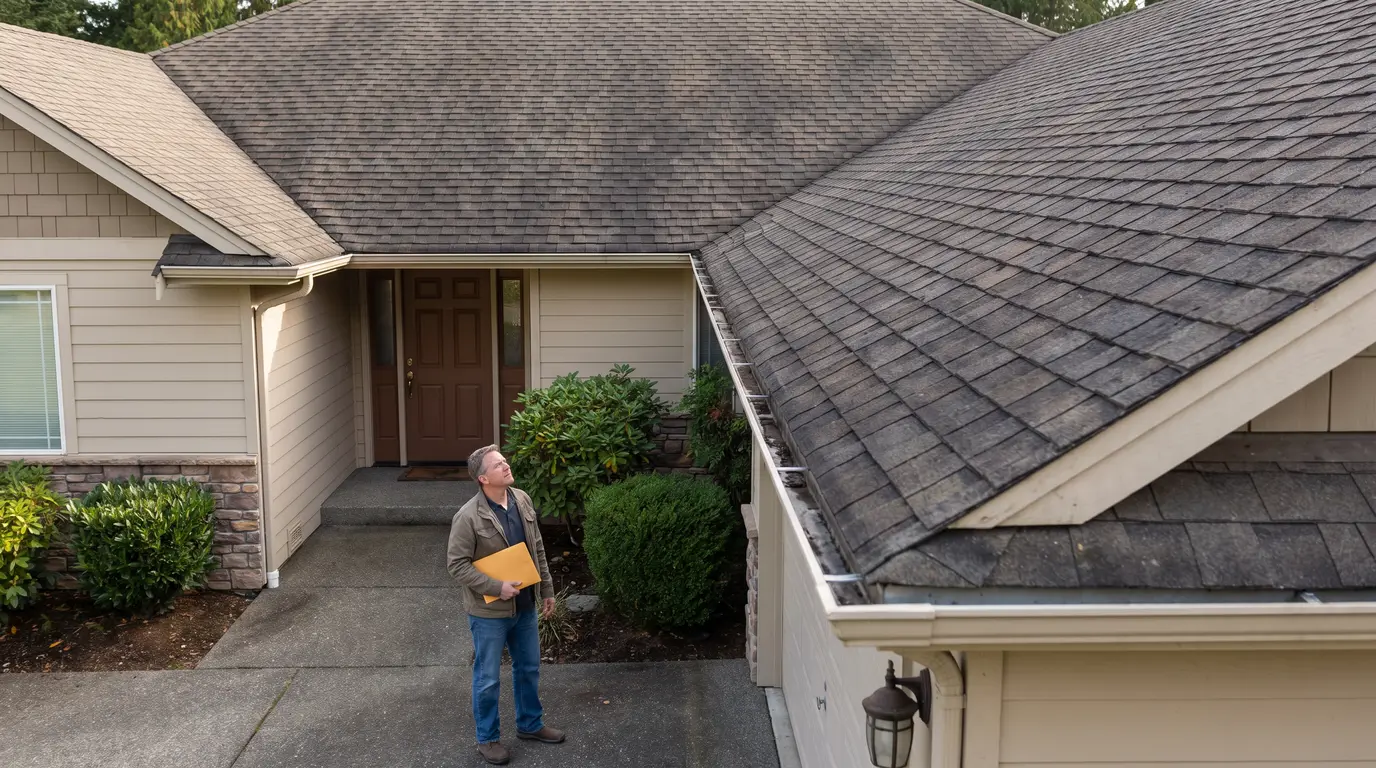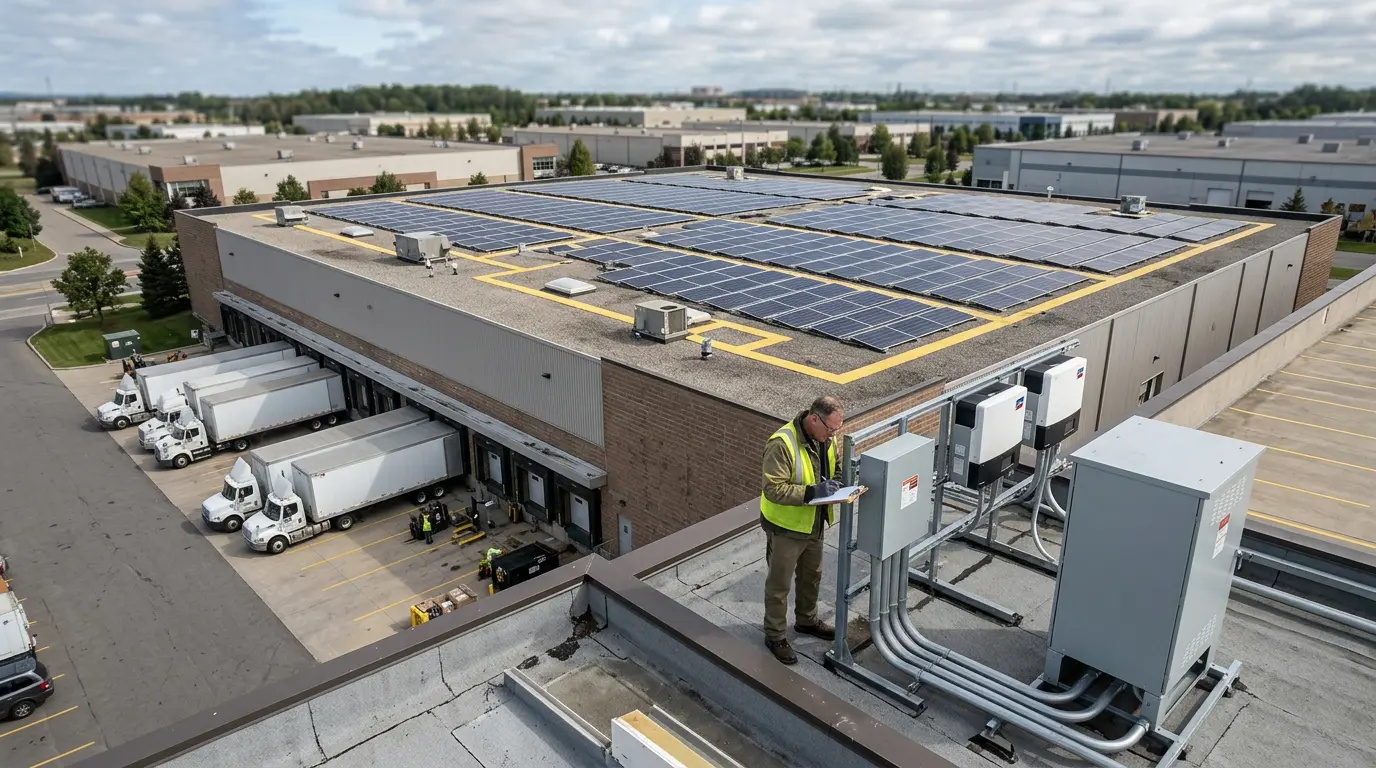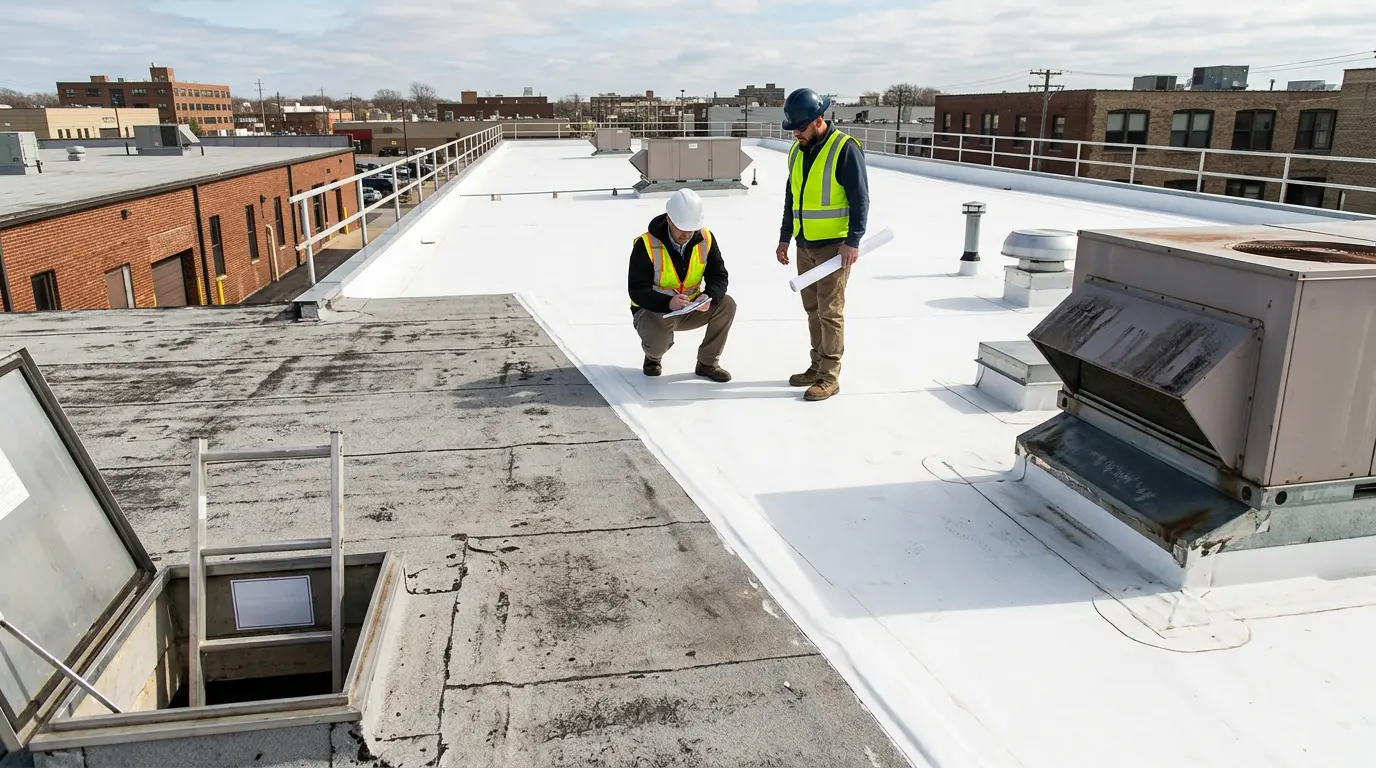
Usually, a commercial roof replacement requires a building permit, but there is no nationwide yes or no rule. The answer depends on the authority having jurisdiction, or AHJ, the locally adopted building code, the project scope, the existing roof assembly, the building’s location and occupancy, and whether the work affects structural, fire, energy, electrical, or other regulated systems.
Before authorizing work, contact the local building department with the property address, a description of the proposed work, the roof area, the roofing system, and whether the project is a repair, recover, or full replacement. The department can tell you whether the work needs a permit, plan review, inspections, construction documents, or final approval.
Which Commercial Roof Projects May Need Permits?
Commercial roofing work generally becomes more permit sensitive as the scope expands. A limited repair may follow a different process from a new roof covering installed over an existing assembly or a replacement that removes the existing roof down to the deck.
| Project description | What it may involve | Permit or approval question to confirm | Key qualification |
|---|---|---|---|
| Limited roof repair | Local repair or maintenance work affecting part of the existing roof | Ask whether the work is exempt, requires a building permit, or triggers trade permits because of structural, electrical, fire, or other regulated work. | No universal exemption is established. Local rules control. |
| Roof recover or overlay | A new roof covering installed over an existing roof covering | Ask whether the existing layers, moisture condition, drainage, roof type, and code allow a recover and what inspections are required. | Model code recover limitations exist, but current local requirements must be verified. |
| Full roof replacement | The existing roof covering is removed and replaced, potentially down to the roof deck | Ask about the commercial building permit, plan review, construction documents, inspections, and final approval. | This work is generally permit sensitive, but the AHJ determines the actual process. |
These are practical decision categories, not nationwide legal classifications. The building department should confirm how it classifies the proposed work and which approval path applies.
Why the Local Building Code Controls
The International Building Code, or IBC, and the International Existing Building Code, or IEBC, provide model code frameworks for construction and alterations. They are not automatically binding law in every location. A state or local jurisdiction may adopt a particular edition and add amendments that change the requirements for a commercial roofing project.
The 2024 IBC treats reroofing as recovering or replacing an existing roof covering and includes provisions addressing roof construction, construction documents, inspections, and commercial building administration. The 2024 International Building Code is a model code, so the locally adopted and amended version is the one that matters for a specific property.
The IEBC addresses reroofing as alteration work. Its provisions require materials and application methods for recovering or replacing an existing roof covering to comply with applicable roof construction requirements. Additional conditions can apply to reroof permits in situations involving seismic design categories or unreinforced masonry parapets. Whether those provisions apply depends on the code edition, local amendments, building characteristics, and AHJ.
For existing buildings, the 2021 International Existing Building Code can help explain the type of alteration provisions a jurisdiction may use, but it should not be treated as the controlling rule unless the local authority has adopted it.
What Permit Review May Involve
A commercial roofing permit process may involve more than submitting a short description of the replacement. Depending on the AHJ and the project design, the application may require construction documents, commercial plan review, product information, engineering, a registered design professional, or other supporting documentation.
Commercial plan review procedures differ by jurisdiction. For example, North Carolina guidance states that commercial permits are issued through the local code enforcement office and that applicants may need to obtain required permits and additional reviews. County and city permitting offices may also review commercial plans before issuing a permit. These procedures illustrate why a commercial reroof should not be assumed to follow the same process as a residential reroof.
Ask the building department whether the proposed roofing work needs only a building permit or also separate approvals for related work. Rooftop HVAC, photovoltaic systems, electrical equipment, structural changes, fire protection features, and other affected trades may follow separate permitting paths. A roofing permit should not automatically be treated as approval for every item included in the overall project.
Questions to Ask the Building Department
- Does the jurisdiction classify the proposed work as a repair, roof recover, roof replacement, or alteration?
- Does that classification require a building permit, commercial plan review, or both?
- What construction documents, product approvals, engineering, or design professional involvement are required?
- Are separate permits or reviews needed for structural, electrical, fire protection, rooftop HVAC, or photovoltaic work?
- Which inspections must occur before the roof assembly is covered?
Why Roof Recover Projects Need Special Attention
A roof recover is not automatically interchangeable with a full replacement. Installing a new roof covering over an existing one may be limited by the condition and number of existing layers, moisture or deterioration, roof covering type, drainage, and other building conditions.
Before selecting an overlay, the owner and contractor should document the existing roof assembly, including the number of roof layers, visible moisture or deterioration, roof deck condition, drainage, parapets, and any structural or seismic considerations that could affect the project. The exact recover limitations depend on the locally adopted code edition and the AHJ.
The 2015 International Building Code roof assembly provisions show the type of conditions that model codes may address, but that older edition should not be presented as the current rule for every jurisdiction.
What Inspections and Final Documentation May Be Required?
Commercial reroofing can involve inspections during installation as well as final documentation. The timing matters because some parts of the roof assembly become difficult to verify after they are covered.
Orlando’s commercial reroof guidance, for example, refers to a dry in or in progress inspection and final documentation requirements. Another jurisdiction may require a roof deck, fastening, insulation, final, or other inspection, while a narrowly defined project may follow a different process. The local building department determines which inspections apply.
Before work begins, ask which stages require an inspector’s approval and who is responsible for scheduling each inspection. After completion, retain the permit, approved plans, inspection approvals, roof system submittals, change approvals, warranties, photographs, and final sign off with the property’s capital and maintenance records.
How to Coordinate Permits With the Roofing Contractor
The owner and contractor should agree in writing about who will apply for the permit, pay application fees, provide construction documents, schedule inspections, respond to review comments, and deliver final approval records. The contract should also explain what happens if concealed conditions require a change to the approved scope.
For help identifying those responsibilities, review what the roof replacement contract should include. That resource addresses contract topics such as permit responsibility, scope, warranties, cleanup, and approval of unexpected work. It is broad guidance and should not be treated as evidence of a particular commercial permitting rule.
When comparing proposals, check whether each bid addresses permits, disposal, flashing, inspections, and other scope items on the same basis. The guide to compare roof replacement estimates can help organize that comparison, although it does not establish which permits your jurisdiction requires.
Once the regulatory path is clear, material selection becomes a separate project decision. You can read more about how to choose a commercial roof material, but material guidance should not be treated as code approval for a particular building or assembly.
Budgeting for a Commercial Roof Replacement
Permit fees and project documentation can affect the overall replacement budget, but the research available here does not establish a universal fee schedule or a calculator methodology for specialized assemblies. For an initial planning figure, you can estimate commercial roof replacement costs. Treat the result as preliminary and confirm the project scope, permit costs, and specialized requirements through the AHJ and contractor proposals.
Frequently Asked Questions
Does a Commercial Roof Recover Require the Same Approval as a Full Replacement?
Not necessarily. A recover and a full replacement can involve different code conditions, documents, and inspections. The AHJ must confirm how the proposed work is classified and whether the existing layers and roof condition allow a recover.
Who Should Confirm the Permit Requirement?
The building department or other AHJ provides the controlling answer. The owner and roofing contractor should coordinate with that office before work begins and should identify permit responsibilities in the contract.
What Documents Might a Commercial Roofing Permit Application Require?
Depending on the jurisdiction and scope, the application may involve construction documents, commercial plan review materials, product information, engineering, a registered design professional, or additional trade reviews. The AHJ determines the exact submission.
Can Rooftop HVAC, Solar, Structural, or Electrical Work Require Separate Approvals?
Yes, those items may involve separate permits or reviews, depending on the actual scope and local process. Do not assume that a roofing permit covers every regulated trade included in the project.
Why Should an Owner Keep Inspection and Final Approval Records?
They document the project’s approved scope, inspection history, changes, and final sign off. Keeping those records with the building’s capital and maintenance files also gives future property decisions a clearer record of what work was performed.
Most commercial roof replacements should be treated as permit sensitive until the local building department confirms otherwise. Provide the AHJ with a clear description of the repair, recover, or replacement, then confirm the required permit, plan review, inspections, related trade approvals, and final documentation before authorizing the work.