Introduction
When preparing to sell a home, homeowners often look for the smartest renovations that will offer a return on investment (ROI). While kitchen remodels and bathroom upgrades get most of the attention, one improvement is often overlooked: replacing the roof.
The question many homeowners ask is: How much does a new roof increase my home’s value? The short answer? It can significantly boost your home’s marketability, reduce time on the market, and add thousands of dollars to your asking price. But there’s more to it than just numbers. Let’s break it down.
Section 1: The Financial Impact of a New Roof
A. Average ROI of Roof Replacement
A new roof typically yields a 60% to 70% return on investment depending on the type of roof, local real estate market conditions, and the home’s overall condition. While it may not offer a dollar-for-dollar return, it contributes to a higher sale price and a smoother transaction.
Example:
If you spend $12,000 on a new roof, your home’s value could increase by $7,000 to $8,500. That boost not only helps justify a higher listing price, but it may also help the home sell faster.
B. Perceived Value vs. Actual Value
It’s important to distinguish between appraised value and perceived buyer value. Even if a roof doesn’t drastically increase the appraisal, buyers may be more willing to pay a premium for a home with a new roof—especially if they won’t have to worry about replacing it themselves.
Section 2: Why Buyers Value a New Roof
A new roof is about more than aesthetics. It plays a crucial role in buyer psychology and confidence.
A. Peace of Mind
Homebuyers know that a roof replacement can be costly and time-consuming. When they see a home with a new roof, they view it as a low-risk purchase. There’s comfort in knowing they won’t face an unexpected expense shortly after moving in.
B. Home Inspection Smooth Sailing
A roof in poor condition can raise red flags during a home inspection, potentially leading to repair demands or even causing deals to fall through. A new roof reduces the likelihood of any surprises and strengthens your negotiating position.
C. Boost in Curb Appeal
A roof makes up a large percentage of your home’s exterior. A fresh roof immediately improves your home’s curb appeal, giving buyers a better first impression and encouraging them to consider your property more seriously.
D. Energy Efficiency
Modern roofing materials often provide better insulation and reflectivity, which can improve energy efficiency. Buyers may see this as an opportunity to save on heating and cooling costs.
Section 3: Factors That Affect How Much Value a New Roof Adds
A. Roofing Material
Different materials offer different benefits, lifespans, and aesthetic qualities. The material you choose affects both cost and ROI.
- Asphalt Shingles – Most common, affordable, and widely accepted by buyers. Generally offers solid ROI.
- Metal Roofing – More expensive, but longer-lasting and energy-efficient. May be more appealing in certain markets.
- Tile or Slate – Higher-end, luxury materials. Can significantly boost value in upscale neighborhoods.
B. Local Market Conditions
In a seller’s market, homes with new roofs may command higher offers as buyers compete. In buyer’s markets, a new roof can help your home stand out.
C. Neighborhood Comparisons
If most homes in your neighborhood have newer roofs, not replacing yours could make your home look dated. Conversely, if your home has the only new roof, it might serve as a unique selling point.
D. Age of the Existing Roof
If your current roof is nearing the end of its lifespan (15–25 years for asphalt shingles), replacing it before listing can preempt buyer concerns and strengthen your pricing power.
Section 4: When It Makes Sense to Replace the Roof
Replacing a roof isn’t always necessary before selling, but certain scenarios strongly suggest it’s a smart investment. If you want to know how much it cost you can always get a free estimate with are roof cost calculator.
A. Signs You Should Replace It
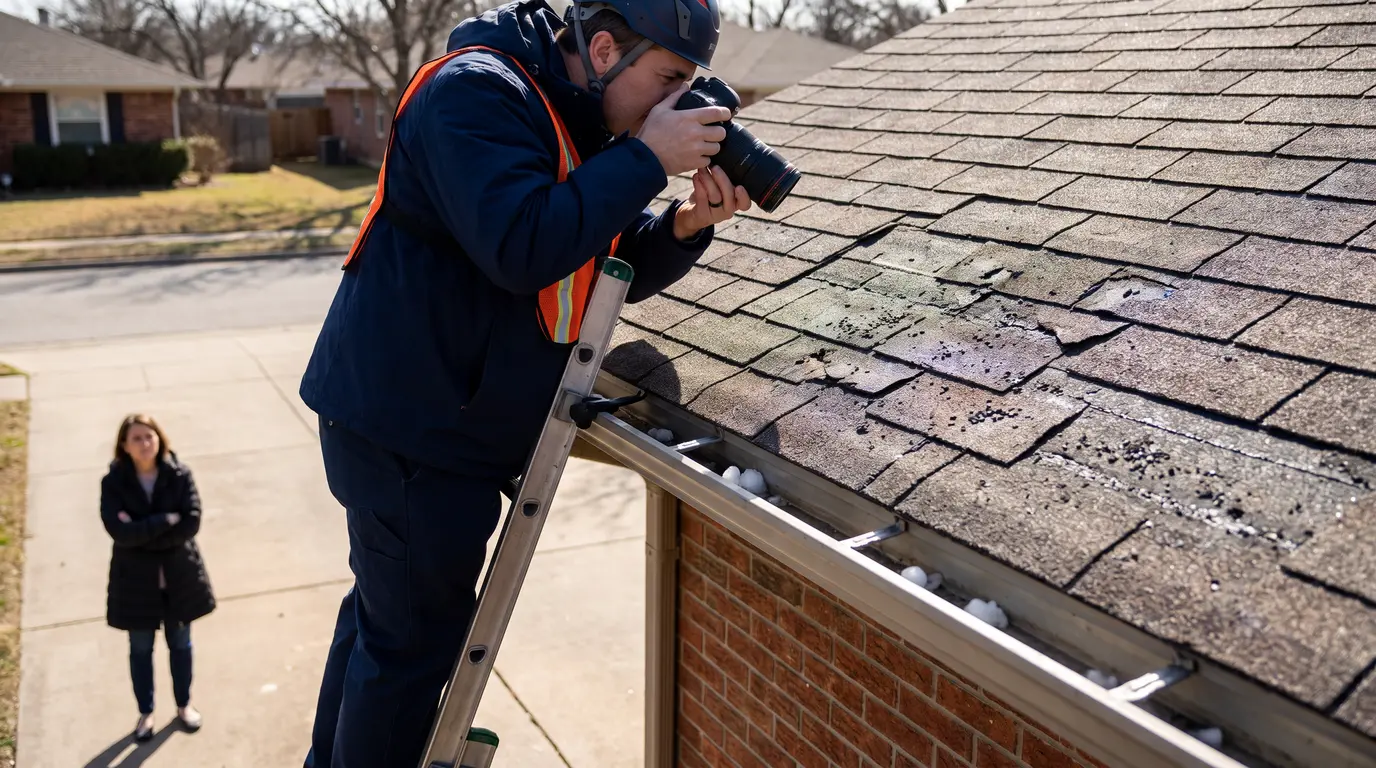
- Curled, missing, or cracked shingles
- Visible sagging or water damage
- Leaks inside the home
- Failing inspection reports
- Roof is over 20 years old
If multiple issues are present, a pre-sale roof replacement could save you thousands in repair negotiations or buyer concessions.
B. Situations Where You Might Wait
If your roof is in good shape and less than 10–15 years old, you might opt to sell the home as-is and disclose the roof’s age. In this case, you could offer a repair credit or price adjustment instead.
Section 5: Non-Financial Benefits of a New Roof
A. Easier to Pass Insurance and Appraisal
Older roofs can make it difficult for buyers to secure homeowner’s insurance. A new roof can help avoid these issues and speed up the underwriting process.
B. Fewer Buyer Repair Requests
Buyers often request repairs or credits after an inspection. A new roof can remove one of the most common sticking points and help ensure a smooth closing.
C. Marketing Advantage
In your listing description, you can proudly advertise “Brand New Roof” as a major selling feature. It’s a simple phrase that carries a lot of weight with prospective buyers.
Section 6: Selling Price vs. Time on Market
A new roof doesn’t just increase the sale price—it can also reduce time on market.
Homes with new roofs tend to photograph better, attract more showing requests, and are less likely to be passed over due to buyer concerns. In many cases, homes with new roofs receive offers faster, which can translate to thousands saved in holding costs, mortgage payments, and property taxes.
Section 7: Common Questions About Roof Value and ROI
Q1: Is it worth replacing the roof before selling?
Yes, if your roof is nearing the end of its life or showing signs of wear. The investment can prevent deal-killing inspection issues and help you attract more serious buyers.
Q2: Will a new roof increase my home’s appraised value?
Not always directly, but it can prevent deductions that would otherwise lower the appraised value due to age or condition issues.
Q3: Can I sell a home with an old roof?
You can, but expect buyers to negotiate or request a concession. A roof in poor condition may also reduce buyer pool size.
Q4: Does roofing warranty matter to buyers?
Yes, particularly if the warranty is transferable. However, buyers care more about the condition and lifespan of the roof than paperwork alone.
Section 8: Tips for Maximizing ROI from a Roof Replacement
Tip 1: Choose Materials That Match the Neighborhood
You don’t want to over-improve. For example, a $30,000 tile roof may not make sense in a neighborhood full of $200,000 homes.
Tip 2: Work With Licensed Contractors
Ensure proper installation and ventilation. A poorly installed roof—even a new one—can still cause issues and lower value.
Tip 3: Time the Installation
If you’re planning to sell in spring or summer, aim to have the roof installed shortly before listing. A fresh roof looks great in photos and during showings.
Tip 4: Keep All Receipts and Documentation
Buyers want proof of when the roof was installed and details on warranties, materials used, and contractor certifications.
Conclusion: Is a New Roof Worth It?
So, how much does a new roof increase your home’s value? While exact numbers vary, a well-executed roof replacement can add thousands to your resale price, increase buyer confidence, reduce days on market, and improve your home’s overall appeal.
Even if the ROI isn’t 100% in terms of cost recouped, the total benefit—including faster sale, smoother negotiations, and fewer concessions—often makes it one of the smartest pre-sale investments a homeowner can make.
If your roof is nearing the end of its lifespan, showing signs of wear, or affecting buyer perception, replacing it may be the difference between a quick sale at asking price and a drawn-out negotiation. When your ready for a new roof you can browse top rated residential roofers and commercial roofers near you on our website.