Roof damage is one of the most stressful issues a homeowner can face. It doesn’t just affect your property it can impact your family’s comfort, your finances, and even your home’s long-term value. Navigating insurance claims is rarely straightforward. Many homeowners find themselves asking: Is this covered? How do I file correctly? What if my claim is denied?
This guide will walk you through everything you need to know about insurance and roof damage, from understanding your policy to filing a claim the right way. Along the way, we will share homeowner-tested strategies to maximize your chances of approval, avoid costly mistakes, and ensure your roof gets the repair or replacement it needs.
Why Roof Insurance Coverage Matters
Your roof is your home’s first line of defense against rain, wind, snow, and hail. Unfortunately, it is also one of the most vulnerable parts of your house. A sudden storm or falling tree limb can turn a small issue into a major leak overnight.
Homeowners insurance is designed to protect you from these kinds of events, unexpected accidental damage. But every policy has limits, deductibles, and exclusions that can catch homeowners off guard. That is why being prepared and understanding the fine print before disaster strikes is critical.
Common Covered Perils
Most homeowners insurance policies cover roof damage caused by sudden and accidental events. These are called covered perils.
Here are the most common ones:
- Storm damage including high winds, hail, and lightning
- Falling objects such as tree limbs or debris
- Weight of snow and ice that can cause collapse or water intrusion
- Fire and smoke damage
- Vandalism or deliberate destruction
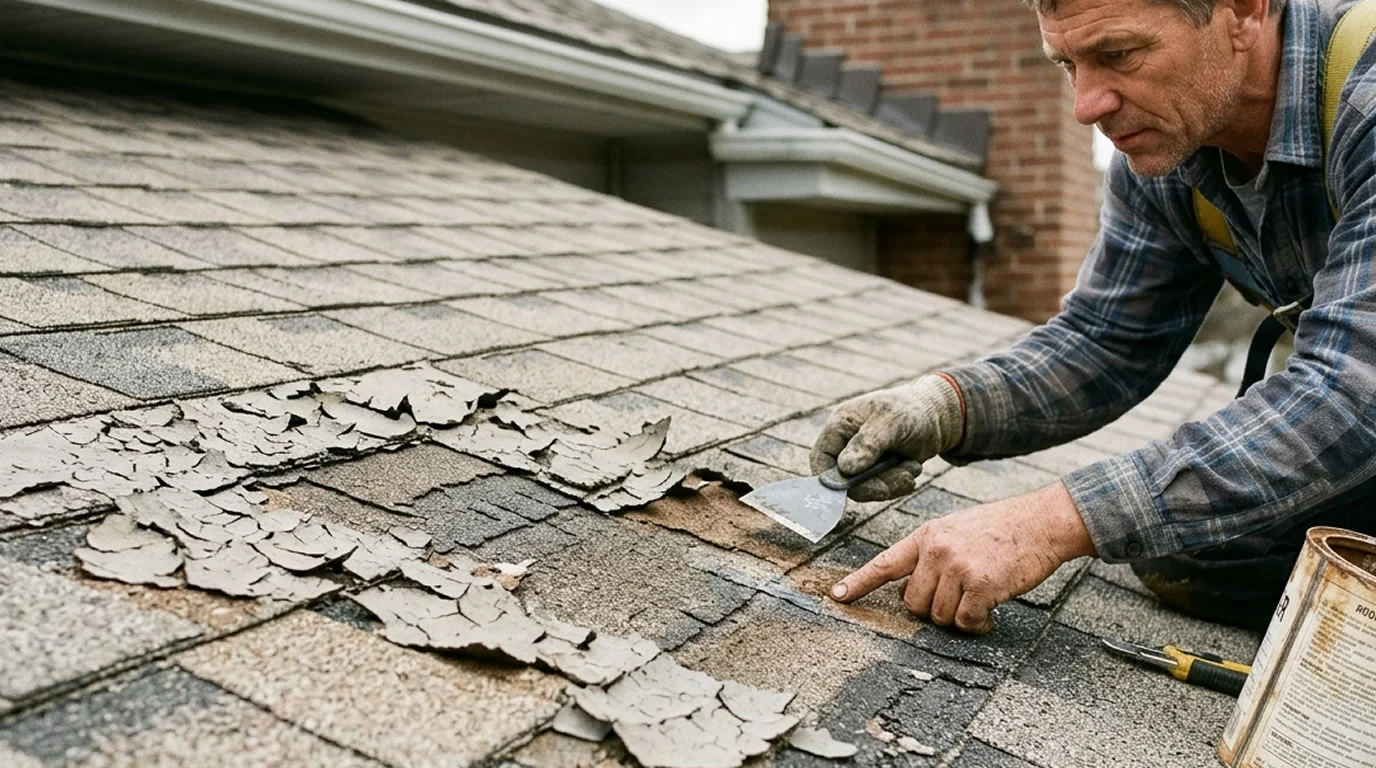
Normal wear and tear, aging shingles, or lack of maintenance are almost never covered. Insurers often fight claims on older roofs.
Understanding Your Policy
Before you ever need to file a claim, take the time to read your homeowners insurance policy. Many homeowners skip this step and insurers count on it.
Here is what to look for:
- What is covered including storm damage, leaks, or full roof failures
- Deductibles and how much you need to pay out-of-pocket before coverage kicks in. Some policies have higher deductibles for wind and hail
- Replacement Cost Value versus Actual Cash Value
- Replacement Cost Value pays to replace your roof at today’s cost with no depreciation
- Actual Cash Value pays the depreciated value of your roof meaning you may cover thousands yourself
- Exclusions such as cosmetic hail damage, mold, neglect, or pre-existing issues
- Claim limits which may restrict the number of roof claims per year or over the lifetime of the policy
Review your policy annually, especially if your roof is aging or you have made repairs or upgrades.
First Steps After Roof Damage
When damage strikes, time is your enemy. Water intrusion spreads fast and delays can give insurers an excuse to deny your claim.
Here is what to do immediately:
- Contain the damage using buckets, towels, or even pots. Move valuables out of harm’s way
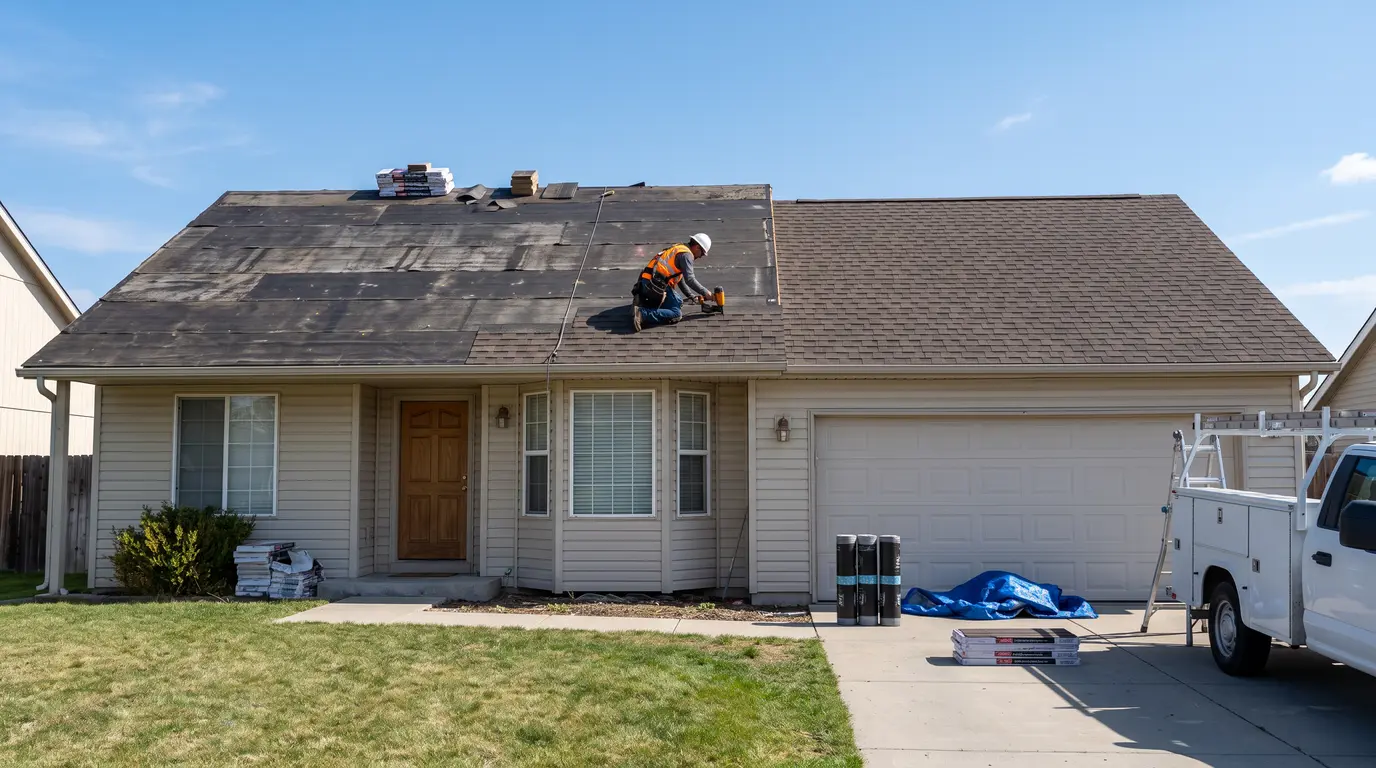
- Protect your roof by covering the damaged area with a tarp or temporary patch. If it is unsafe, call a roofer right away
- Document everything with photos, videos, and notes
- Keep receipts for any materials or emergency services. These may be reimbursable
Think of this as building your case. The stronger your evidence, the harder it is for an insurer to deny or minimize your claim.
Filing a Roof Insurance Claim
Filing correctly is just as important as the damage itself. Here is a breakdown of how to do it right:
Document the Damage Thoroughly
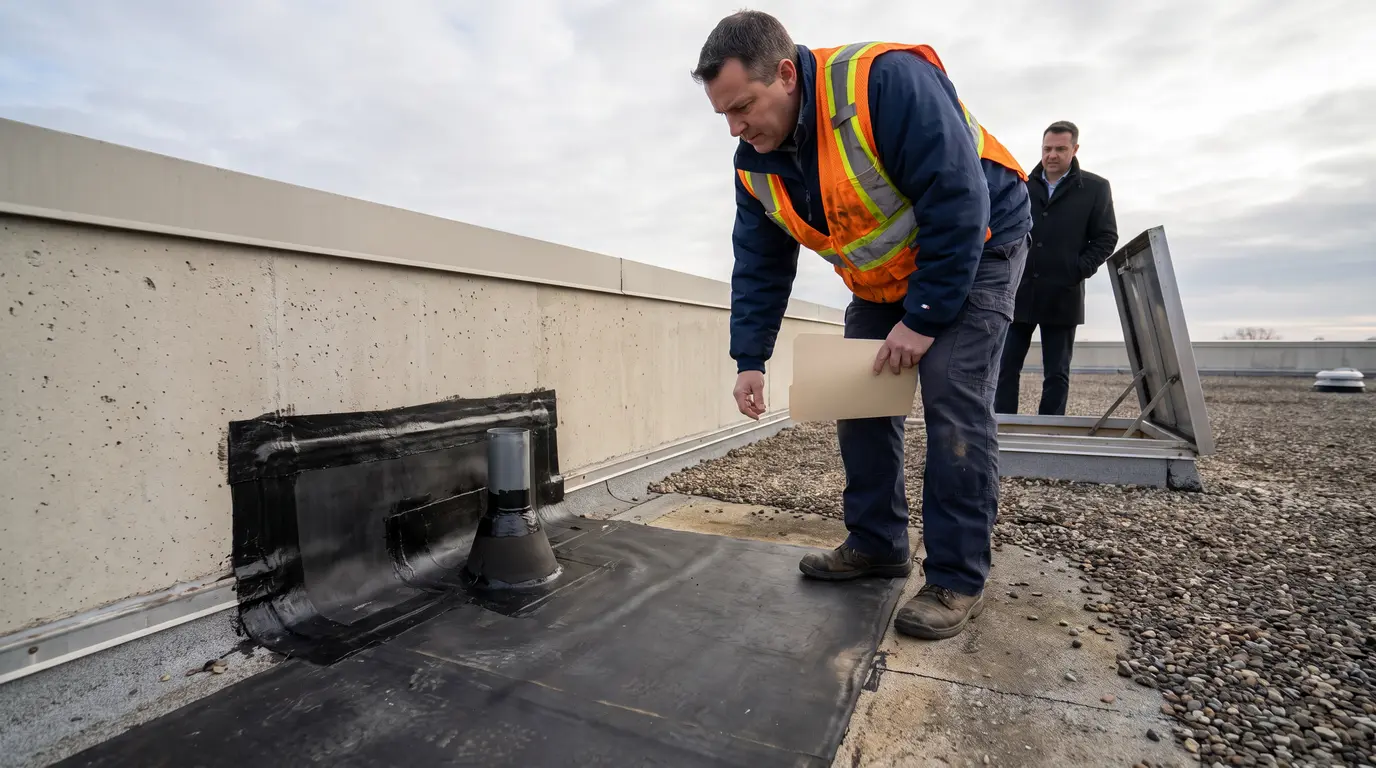
Take wide shots of the entire roof and close-ups of missing shingles, dents, or leaks. If possible, get a roofer to provide a professional inspection report.
Contact Your Insurance Company Quickly
Most policies have strict deadlines. Call your provider’s claims hotline instead of relying only on online forms. Speaking with a live agent reduces mistakes and creates a paper trail.
Submit All Records
Provide photos, videos, receipts, inspection reports, and a written summary of what happened. Be thorough.
Meet the Adjuster
Your insurance company will send an adjuster to inspect the damage. Be present during the visit, and if possible, have your roofer there. Provide documentation and context about when and how the damage occurred.
Review the Settlement
When your claim is approved, review the payout carefully. If it is too low, you can appeal, submit more documentation, or get an independent appraisal.
Never accept the first offer without reviewing it against contractor estimates.
Working With Insurance Adjusters
Insurance adjusters are not your enemy but they are not your advocate. Their job is to minimize the payout for the insurer.
Tips to handle the process:
- Be prepared with all documentation ready when they arrive
- Provide context about how the damage occurred and how fast it spread
- Take note of the adjuster’s name and contact information
- If their assessment seems unfair, push back with evidence or call in a second opinion
What If Your Claim Is Denied?
Claim denials happen often, especially with older roofs. If your claim is denied:
- Request the denial in writing and review the stated reasons
- Gather more evidence or hire an independent roofing inspector
- File an appeal with additional documentation
- Consult an attorney specializing in property insurance if necessary
Roofs over 15–20 years old are most commonly denied. Consider repairs or maintenance now to strengthen your case later.
Preventing Future Insurance Issues
The best way to win an insurance claim is to prevent problems before they start. Insurers look for signs of neglect so showing that you maintain your roof strengthens your credibility.
- Schedule annual inspections with a licensed roofer
- Clean gutters and trim back trees to prevent water buildup or falling limbs
- Replace missing shingles promptly
- Upgrade to impact-resistant shingles to lower premiums and prevent storm damage
- Keep records of all invoices, inspections, and maintenance reports
Real-Life Example
It often starts small: a faint stain on the ceiling. At first, you dismiss it. Months later, a storm dumps heavy rain, and that harmless stain becomes a full-blown leak.
If you had documented the stain early, had a roofer check it, and reviewed your insurance coverage, you would have been prepared. Many homeowners wait until the damage is severe, only to learn the insurer considers it neglect.
The lesson is to act fast, even with minor issues. Insurers are far more likely to approve claims for sudden, documented damage than long-term neglect.
Expenses You May Need to Pay Out of Pocket
Even with a successful claim, homeowners often pay for:
- Clean-up supplies
- Temporary lodging if the home is uninhabitable
- Small repairs made before claim approval
- Deductibles and any excluded costs
Keeping receipts and getting multiple repair estimates will help you fight for maximum reimbursement.
The Bottom Line
Dealing with roof damage is stressful but with the right preparation, you can navigate the insurance process with confidence.
- Know your policy inside and out
- Act fast when damage occurs
- Document everything thoroughly
- Be proactive in working with adjusters
- Keep up with maintenance to show your insurer you are responsible
By following these steps, you increase your chances of claim approval and protect your home, your family, and your finances for years to come.