A leaking roof can cause significant damage to your home, leading to costly repairs and potentially hazardous conditions. Whether it’s a sudden downpour or a gradual drip, addressing a roof leak promptly is crucial to minimizing damage and protecting your home. In this comprehensive guide, we’ll walk you through everything you need to do from the moment you discover a leak, through repair and prevention.
Step 1: Ensure Your Safety First
Your safety is the top priority when dealing with a leaking roof. Roof leaks can create dangerous situations, especially around electrical wiring and weakened structures. Before doing anything else, keep these safety tips in mind.
Avoid Direct Contact With Water
Water pooling in your home, especially near electrical outlets, appliances, or wiring, poses a serious risk of electric shock. Avoid walking through water or touching wet electrical devices. If necessary, turn off power to the affected area at your circuit breaker to eliminate this risk.
Use Caution When Inspecting Attics
If you access your attic to inspect the leak, watch for weak spots in the ceiling or insulation that could give way under your weight. Use a sturdy flashlight and tread carefully. If you are unsure or uncomfortable, it is best to wait for a professional.
Step 2: Contain the Leak to Minimize Damage
Once you have ensured your safety, your next goal is to contain the leak and prevent water from spreading further into your home.
Use Buckets and Containers to Catch Drips
Place buckets, bowls, or containers directly beneath the leak to catch dripping water. For larger leaks, use multiple containers and check them frequently to prevent overflow. You can also use towels or plastic sheeting to absorb water temporarily.
Protect Your Furniture and Valuables
Move any furniture, electronics, rugs, or important belongings away from the leak zone. Water damage can ruin these items quickly, so it is important to relocate or cover them with waterproof tarps or plastic sheeting to protect them.
Step 3: Identify the Source of the Leak
Step 3: Identify the Source of the Leak
Knowing exactly where the leak originates will help you or a professional address the problem faster and more effectively.
Inspect Your Attic Thoroughly
Look for water stains, damp insulation, mold growth, or dark spots in your attic ceiling and walls. Sometimes leaks enter your home far from where the water appears inside. Tracing the path of the water stains can lead you to the source.
Check Your Roof Exterior
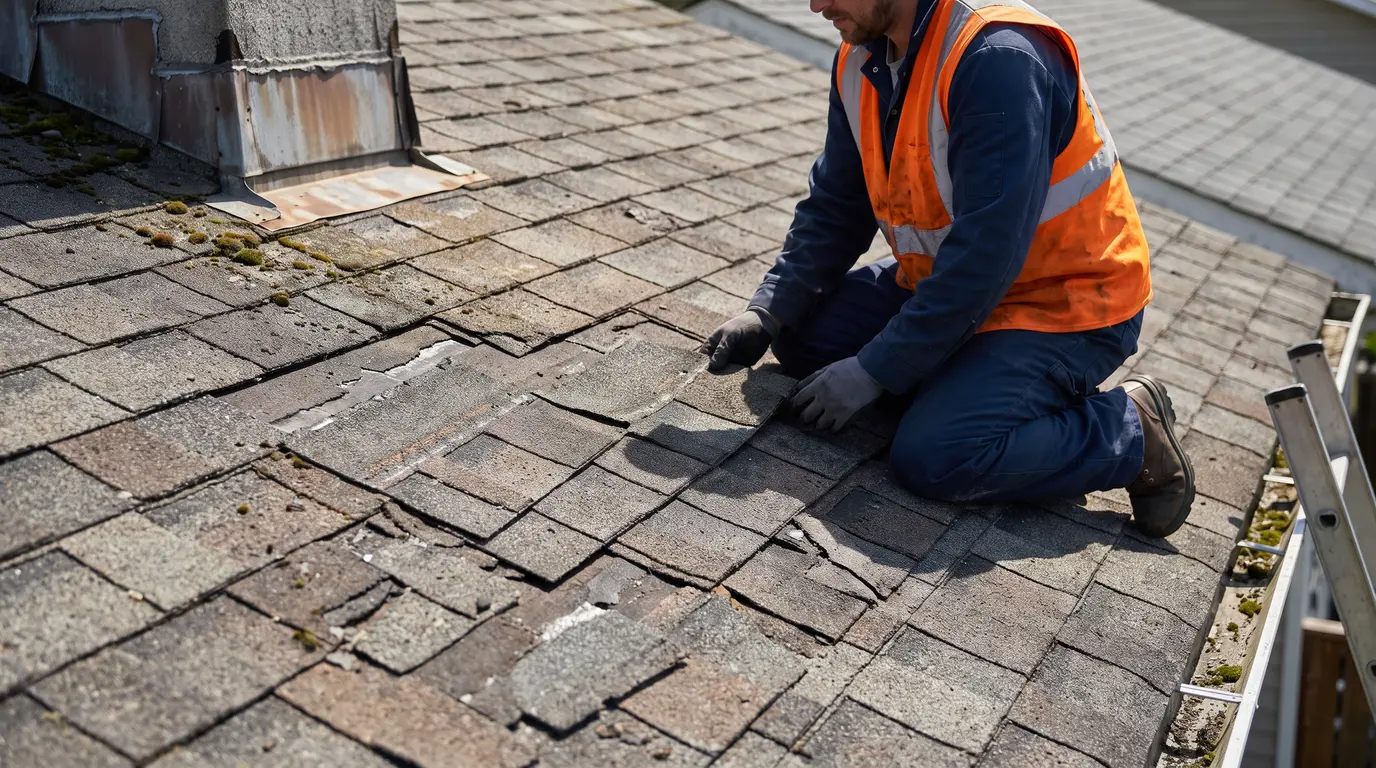
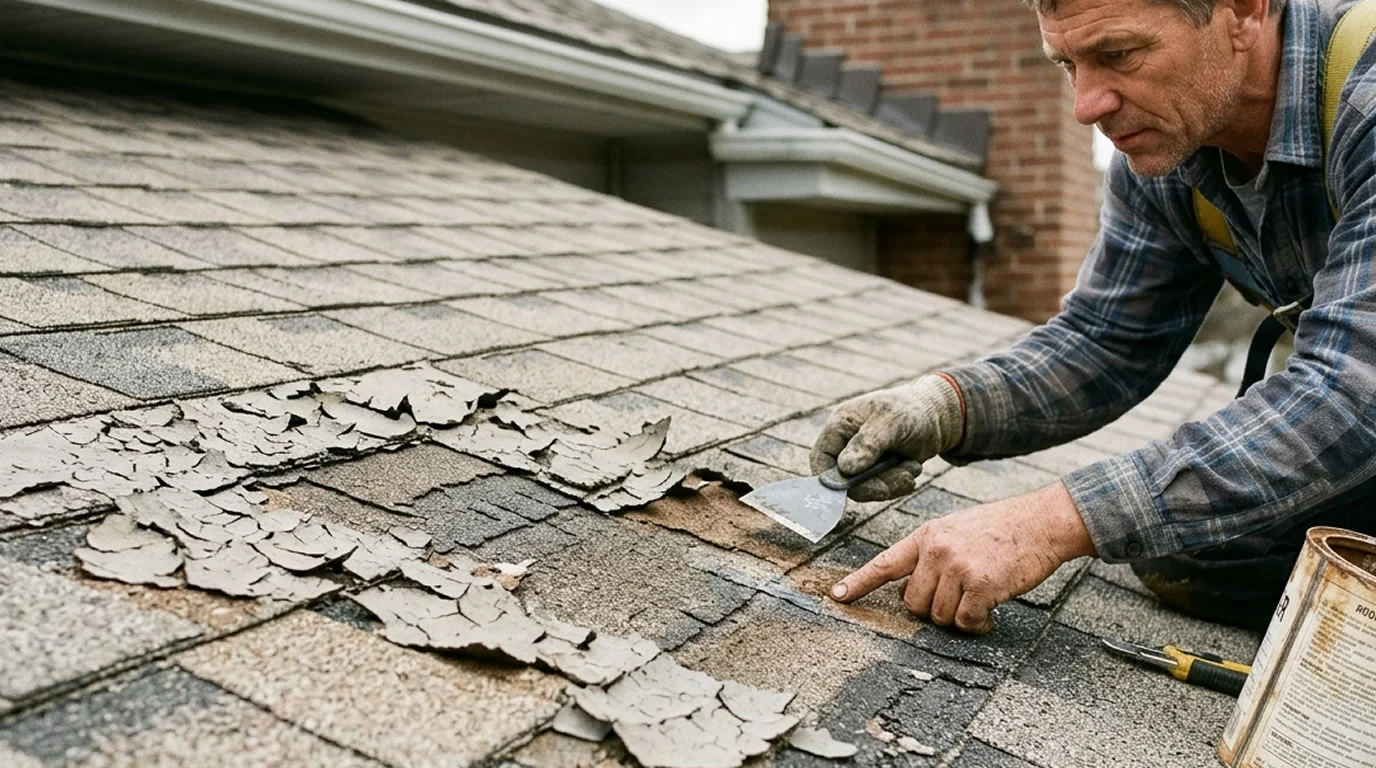
From the outside, inspect your roof for obvious damage. Look for missing, cracked, curled, or broken shingles. Check for damaged flashing around chimneys, vents, skylights, and valleys. Remove debris like leaves or branches that could trap water and cause leaks.
For a full list of effective tools to help pinpoint leaks quickly and accurately, visit our guide on Tools to Find Leaks in Your Home: A Complete Guide.
Step 4: Apply Temporary Repairs to Stop the Leak
Step 4: Apply Temporary Repairs to Stop the Leak
While you wait for a professional roofer, you can apply temporary patches to slow or stop the leak and protect your home.
Use Roofing Tar or Waterproof Tape
Roofing tar is a thick, sticky substance that can be spread over small holes or cracks to seal them temporarily. Waterproof roofing tape also works well to cover and seal leaks for short periods.
Cover the Leak With a Tarp
If the leak is large or ongoing, cover the affected section of your roof with a waterproof tarp. Secure it with nails, weights, or ropes to prevent wind from blowing it away. Make sure the tarp extends beyond the leak area to direct water away effectively.
For a detailed step-by-step guide on what else you should do immediately after discovering a roof leak, check out our post on 10 Things to Do If Your Roof Starts Leaking.
Step 5: Review Your Insurance Policy
Roof leaks and resulting damage can often be covered by homeowner’s insurance. It’s important to understand your policy and take steps to document the damage for claims.
Check Your Coverage
Read your insurance policy carefully to determine if roof repairs and water damage are covered. Some policies exclude certain types of damage or require specific conditions for coverage.
Document the Damage Thoroughly
Take clear, detailed photos and videos of the leak, damaged areas, and any affected belongings. Keep a written record of when the leak started and what temporary repairs you have made. This documentation can help speed up your insurance claim process.
Step 6: Contact a Roofing Professional
Most roof leaks require professional repair to ensure they are fixed correctly and do not recur.
Before you get repair quotes, take advantage of our Roof Cost Calculator to get an instant estimate of your potential repair costs. This tool helps you understand pricing based on your roof size, materials, and location, so you can budget effectively and compare quotes more confidently.
Find a Licensed and Insured Roofer
Choose a reputable roofing contractor with proper licensing, insurance, and good customer reviews. Verify their credentials and ask for references before hiring.
Get Multiple Repair Quotes
Obtain at least three quotes to compare pricing, warranties, and services. This will help you make an informed decision and avoid overpaying.
Find a Licensed and Insured Roofer
Choose a reputable roofing contractor with proper licensing, insurance, and good customer reviews. Verify their credentials and ask for references before hiring.
Get Multiple Repair Quotes
Obtain at least three quotes to compare pricing, warranties, and services. This will help you make an informed decision and avoid overpaying.
Step 7: Schedule Regular Roof Maintenance
Preventing leaks before they start is the best way to avoid costly repairs and damage.
Annual Roof Inspections
Have your roof professionally inspected at least once a year to catch small problems early. Inspections should include checking shingles, flashing, gutters, and attic conditions.
Clean Gutters and Downspouts Regularly
Clogged gutters cause water to back up and seep under your roof, leading to leaks. Clean gutters and downspouts after storms and at least twice a year.
Step 8: Consider Roof Replacement If Needed
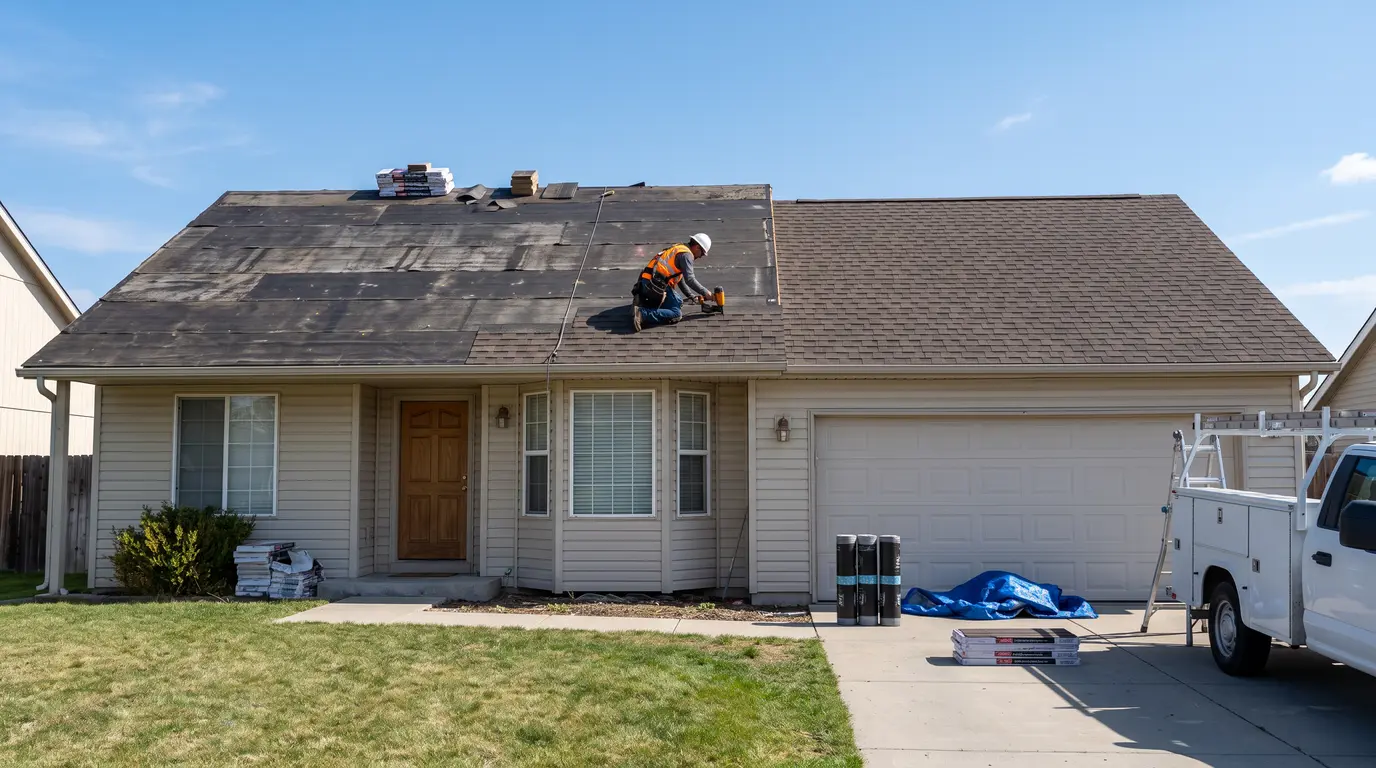
If your roof is old, extensively damaged, or prone to recurring leaks, replacement may be the best long-term solution.
Evaluate Roof Age and Condition
Most roofs last 20 to 30 years, depending on material. If your roof is near or past this age or has widespread damage, replacement is often more cost-effective than ongoing repairs.
Explore Different Roofing Materials
When replacing your roof, consider materials that better suit your climate, budget, and home style. Options include asphalt shingles, metal roofing, tile, and synthetic materials.
Step 9: Repair Internal Water Damage Promptly
Leaks can cause damage inside your home that affects walls, ceilings, insulation, and air quality.
Fix Water-Damaged Areas
Repair or replace damaged drywall, plaster, paint, and insulation as soon as possible to prevent mold growth and structural issues.
Address Mold and Mildew
Inspect for mold in affected areas. If mold is present, hire a professional mold remediation specialist. Mold exposure can cause health problems, so do not ignore signs like musty odors or visible patches.
Step 10: Implement Preventive Measures for the Future
After resolving the leak, take steps to protect your home from future roofing problems.
Invest in High-Quality Roofing Materials
Durable roofing materials can withstand weather better and reduce leak risk. When repairing or replacing, prioritize quality products.
Ensure Proper Roof Flashing Installation
Flashing seals roof joints around chimneys, vents, skylights, and other penetrations. Make sure flashing is correctly installed and maintained to prevent leaks.
Maintain Proper Attic Ventilation
Good attic ventilation helps prevent moisture buildup that can damage roofing materials and cause leaks over time.
Conclusion
Roof leaks are stressful and potentially damaging, but by acting quickly and following these steps, you can minimize damage, keep your family safe, and extend your roof’s lifespan. Regular maintenance, professional repairs, and preventive care are your best defenses against future leaks and costly repairs. Protect your home by staying proactive and informed.