Replacing your roof is a major home improvement project, and for many homeowners, it can feel overwhelming. Understanding what happens during a roof replacement can help you prepare, reduce stress, and ensure the process goes smoothly. In this guide, we’ll cover everything from initial planning to the final cleanup, so you’ll know exactly what to expect.
Why Roof Replacement Matters
Your roof protects your home from the elements, maintains energy efficiency, and adds value to your property. Over time, even the best roofs wear out, develop leaks, or suffer damage from storms. Replacing your roof at the right time prevents further damage and costly repairs, ensuring your home remains safe and comfortable.
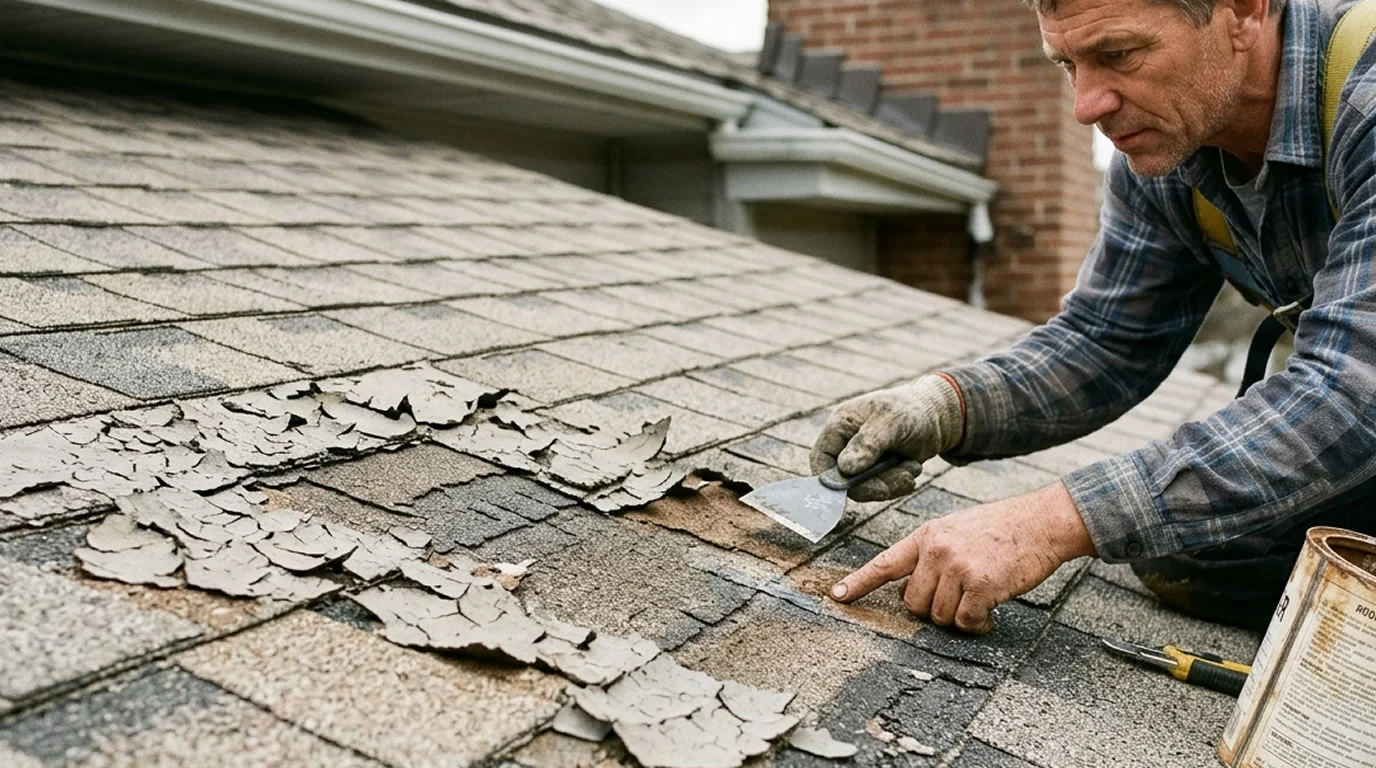
Signs You Need a New Roof
Knowing the warning signs of roof damage helps you act before small problems become major issues. These signs indicate that your roof may need to be replaced:
- Shingles curling, cracking, or missing
- Granules accumulating in gutters
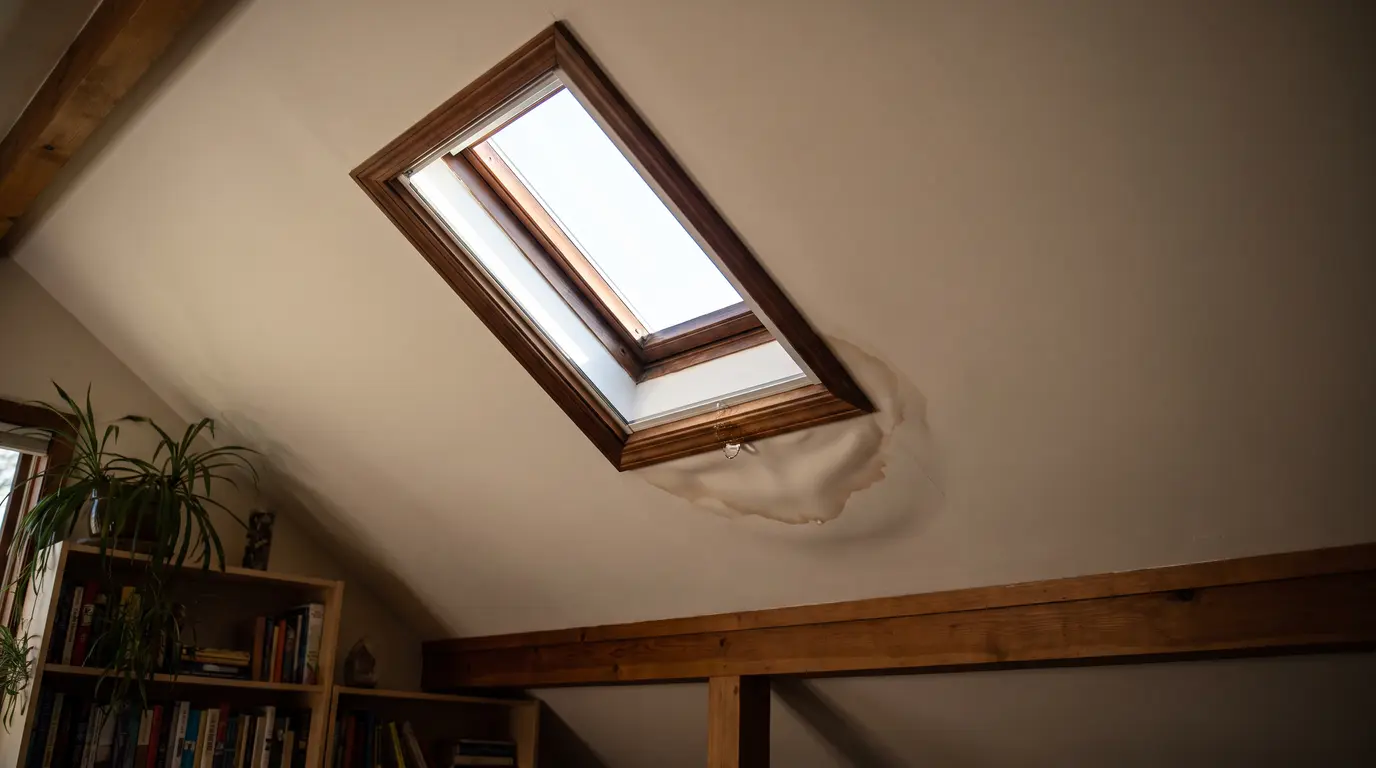
- Water stains or leaks inside the home
- Sagging areas on the roof deck
- Moss, algae, or mold growth
Initial Planning and Preparation
Proper preparation is key to a smooth roof replacement. Taking a few steps before the work begins can save time, prevent damage, and keep the process organized.
- Inspection: A professional roofer assesses the condition of your roof, measures the area, and identifies underlying damage.
- Material selection: Choose shingles or roofing materials based on style, durability, and budget. Common options include asphalt, metal, tile, and slate.
- Permits and regulations: Your contractor may need local permits or inspections to comply with building codes.
- Scheduling: Roof replacement typically takes one to five days depending on size, complexity, and weather.
- Preparation at home: Move outdoor furniture, vehicles, and valuables away from the work area. Inform neighbors if necessary, as debris may fall near property lines.
You can browse through hundreds of top rated Roofers specializing in roof replacement right on our site.
Day One: Roof Removal
The first day of replacement is often the messiest. Removing the old roof is essential for a solid foundation for your new roof.
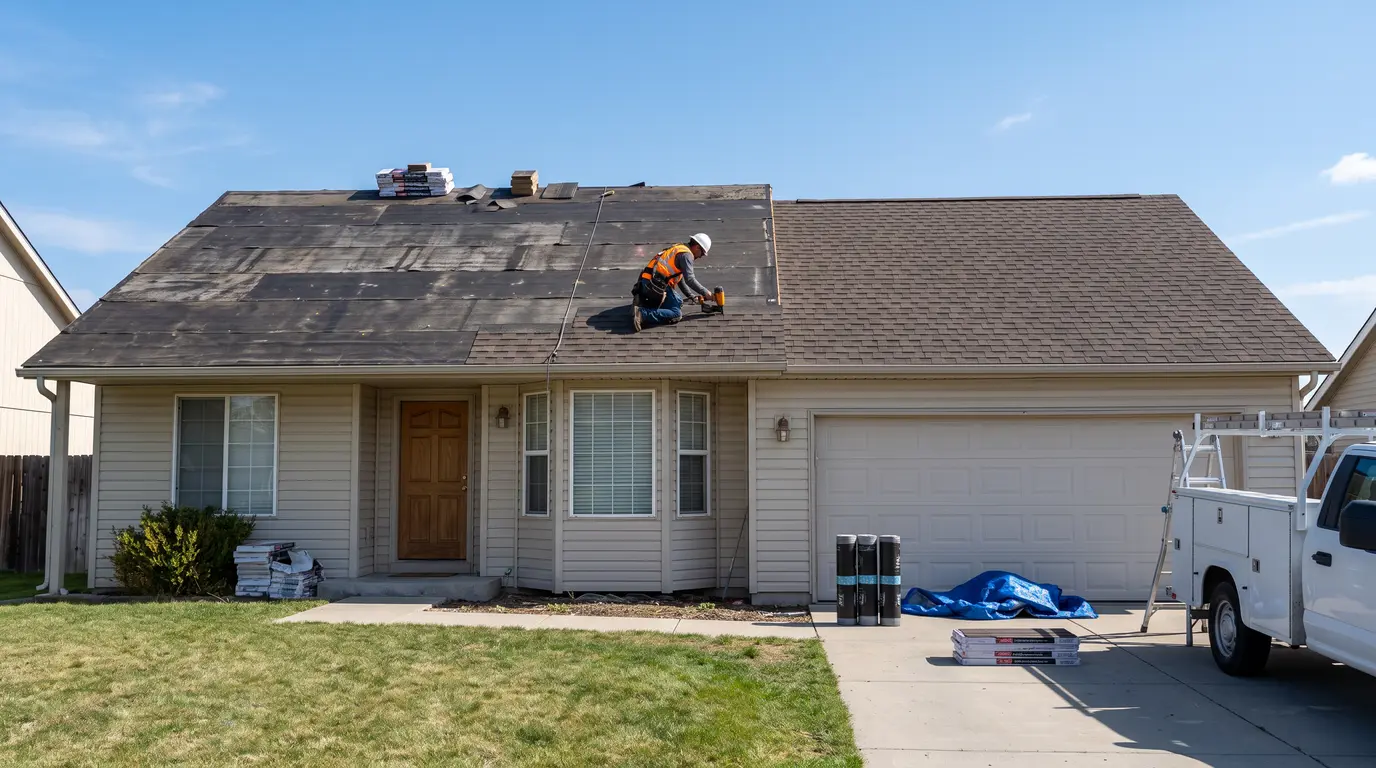
- Protecting property: Contractors cover landscaping, vehicles, and walkways with tarps.
- Shingle removal: Old shingles, nails, and flashing are stripped from the roof deck.
- Deck inspection: The roof deck is checked for rot, water damage, or structural issues.
- Repairs if needed: Any damaged sections of the deck are replaced to ensure a solid foundation for the new roof.
Installing the New Roof
Once the old roof is removed, your roofing crew will install the new materials. This stage requires precision and attention to detail.
- Underlayment installation: A protective layer is laid to prevent leaks and improve durability.
- Flashing installation: Metal flashing is added around chimneys, vents, and roof edges to prevent water infiltration.
- Shingle or material installation: The new roofing materials are applied according to manufacturer specifications.
- Vent and ridge installation: Proper ventilation is added to maintain airflow and prevent moisture buildup.
Weather Considerations
Roof replacement is highly dependent on weather conditions. Planning around the forecast ensures your materials and roof remain safe.
- Scheduling flexibility: Contractors often monitor weather forecasts and may adjust timelines.
- Temporary protection: If rain is expected, tarps may be used to protect the exposed roof deck.
- Impact on materials: Some shingles or underlayments can be damaged if installed in wet conditions.
Daily Routine During Replacement
Understanding the daily routine helps homeowners know what to expect during a roof replacement project.
- Morning setup: Workers arrive early, unload materials, and set up safety equipment.
- Work progress: Most of the day is spent removing old roofing, repairing the deck, and installing new materials.
- Cleanup: Crews sweep the roof and yard each day to remove debris and nails.
- Communication: Contractors typically update homeowners on progress and any unexpected issues.
Safety Measures
Roof replacement can be dangerous. Professional crews follow strict safety protocols to prevent accidents.
- Workers wear harnesses and helmets
- Ladders and scaffolding are secured
- Heavy materials are lifted carefully to avoid injury
- Yard and driveway areas are cordoned off to prevent accidents
Homeowners should avoid walking near the work area and keep children and pets safely away.
Final Inspection
After installation, a thorough inspection ensures the roof is installed properly and ready to protect your home.
- Contractor inspection: Checks for proper installation, secure shingles, and correct ventilation
- Homeowner walk-through: Homeowners review the work, ask questions, and report concerns
- Local inspection: Some areas require a municipal inspection to ensure code compliance
Cleanup and Disposal
Proper cleanup protects your property and ensures no debris or nails are left behind.
- Debris removal: Old shingles, nails, and packaging are taken to a landfill or recycling facility
- Yard cleanup: Contractors use magnets and thorough sweeping to ensure no nails or sharp objects remain
- Final touch-ups: Any minor cosmetic fixes are completed, such as painting exposed flashing or sealing edges
What to Expect in the Weeks After Installation
Even after the roof is installed, there are a few things homeowners should monitor to ensure the roof settles correctly and stays in good condition.
- Shingle settling: Shingles may loosen slightly or granules may shed; this is normal
- Gutter cleaning: New shingles can leave extra debris in gutters
- Leak monitoring: Keep an eye out for leaks during the first heavy rains
- Warranty activation: Ensure manufacturer and contractor warranties are registered and documented
Common Questions from Homeowners
Here are answers to common concerns homeowners have during a roof replacement.
- How noisy will it be? Roof replacement is noisy, especially during removal of old shingles. Expect hammering, saws, and trucks.
- Can I stay home during the work? Yes, but anticipate noise and restricted access around the house.
- How long does a roof replacement take? Most projects take 1–5 days, depending on roof size, materials, and weather.
- Will my insurance cover it? If damage is storm-related, your homeowner’s insurance may cover some or all of the cost. Check your policy for details.
- Do I need to move out? Generally, no. However, if extensive water damage is present or heavy work is happening, temporary relocation may be recommended.
Tips for a Smooth Roof Replacement
Following these tips can help ensure your roof replacement goes as smoothly as possible.
- Research contractors and get multiple estimates
- Verify licenses, insurance, and references
- Prepare your home by moving valuables and covering outdoor items
- Keep a daily checklist of work completed
- Communicate regularly with your contractor
- Document everything for insurance or warranty purposes
Red Flags to Avoid
Knowing red flags can prevent scams or poor workmanship.
- Contractors who ask for full payment upfront
- Lack of written contracts or vague agreements
- No proof of insurance or licensing
- Extremely low bids compared to competitors
- Poor communication or missed deadlines
Final Thoughts
A roof replacement is a significant investment, but understanding the process can help you feel prepared and confident. From planning and preparation to the final inspection and cleanup, knowing what to expect ensures your home is protected, your contractor is held accountable, and your investment lasts for years to come.