As energy costs continue to rise, homeowners are looking for ways to reduce utility bills and improve the comfort of their homes. Your roof plays a major role in regulating your home’s temperature, so upgrading it for energy efficiency can make a big difference. While some roofing projects require professionals, there are several DIY upgrades that are accessible, affordable, and effective.
In this guide, we’ll cover the most practical energy-efficient roof upgrades you can install yourself, including insulation, reflective coatings, ventilation improvements, and more.
1. Install Radiant Barrier Foil
Radiant barrier foil is a reflective material that reduces heat transfer from your roof into the attic. By reflecting radiant heat, it keeps your home cooler in the summer and can reduce air conditioning costs.
- What It Does: Reflects up to 97% of radiant heat away from your attic.
- Where to Install: Staple the foil to the underside of roof rafters in the attic, ensuring it does not touch insulation to maintain airflow.
- Tips for DIY Installation: Wear gloves and a mask to avoid irritation, and measure your attic space carefully before cutting.
- Benefits: Can lower summer cooling costs by 5–10%, depending on your roof and climate.
2. Add Roof Insulation
Proper insulation under your roof is one of the most effective ways to increase energy efficiency. It prevents heat from escaping in the winter and keeps your home cool in the summer.
- Types of DIY-Friendly Insulation:
- Foam Board Panels: Easy to cut and fit between rafters.
- Blown-In Fiberglass: Can be spread over existing insulation for added R-value.
- Tips for Installation: Measure your attic carefully, avoid covering ventilation points, and wear a protective mask to prevent inhalation of fibers.
- Benefits: Can reduce heating and cooling costs by 10–20%, depending on your current insulation level.
3. Apply Cool Roof Coatings
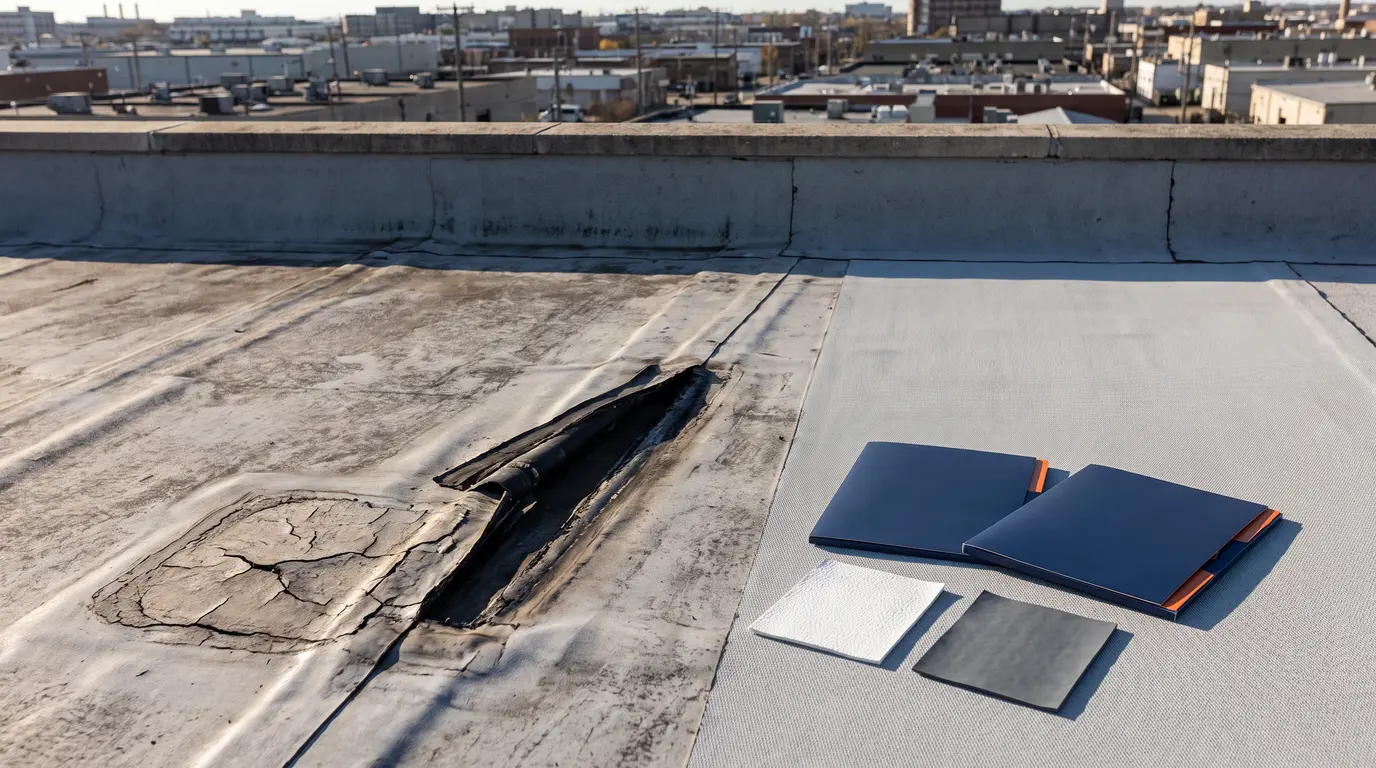
Cool roof coatings are reflective paints or coatings that reduce heat absorption and protect your roof from UV damage. They are especially useful on flat or low-slope roofs.
- Types of DIY Coatings: Acrylic, silicone, and elastomeric coatings.
- How to Apply: Clean the roof surface, patch any leaks, and use a roller or brush to apply an even coat. Multiple layers may be required.
- Tips for Best Results: Apply on a dry day with temperatures between 50–85°F, and follow the manufacturer’s curing instructions.
- Benefits: Can lower roof surface temperatures by 50–60°F, reducing heat transfer into your home.
4. Replace Dark Shingles with Light-Colored Options
Dark shingles absorb heat, making your home warmer and increasing cooling costs. If you’re replacing shingles yourself, choosing light-colored or reflective shingles can improve energy efficiency.
- Recommended Materials: Asphalt shingles with reflective granules, metal roofing with light paint, or composite tiles designed for energy efficiency.
- Tips for DIY Installation: Follow safety precautions, use a sturdy ladder, and replace shingles section by section to prevent leaks.
- Benefits: Reflective shingles can lower attic temperatures by 10–15°F, reducing air conditioning costs.
5. Install Roof Ventilation Products
Proper roof ventilation is essential for maintaining consistent attic temperatures, preventing moisture buildup, and extending the lifespan of your roof.
- DIY-Friendly Options:
- Ridge vents: Installed along the roof peak to allow hot air to escape.
- Soffit vents: Installed under eaves to allow cool air in.
- Gable vents: Installed on gable ends to improve airflow.
- Tips for Installation: Ensure vents are balanced to maintain continuous airflow, and seal any gaps to prevent leaks.
- Benefits: Proper ventilation reduces cooling costs, prevents ice dams in winter, and extends roof material life.
6. Install Solar-Powered Roof Fans
Solar-powered roof fans help actively remove hot air from your attic, improving energy efficiency without using electricity from your home.
- How They Work: A small solar panel powers a fan that draws hot air out of the attic.
- DIY Installation Tips: Choose a location with direct sunlight, mount the fan securely, and ensure flashing is properly sealed to prevent leaks.
- Benefits: Reduces attic temperature by 10–15°F and decreases air conditioning costs during hot months.
7. Add Green Roof Elements
Green roofs, or portions of your roof with plants, provide insulation, reduce heat absorption, and improve air quality. While full green roofs are complex, small DIY green roof planters can be installed on flat roof areas.
- DIY-Friendly Options: Sedum mats, container gardens, or lightweight modular green roof kits.
- Tips for Installation: Ensure proper drainage, use lightweight soil, and choose drought-resistant plants.
- Benefits: Reduces roof surface temperatures, adds natural insulation, and improves urban air quality.
8. Use Radiant Barrier Roof Underlayment
During re-roofing projects, consider radiant barrier roof underlayment, a reflective layer installed beneath shingles or tiles. It blocks radiant heat from entering the home.
- How to Install: Roll out underlayment over the roof decking before laying shingles. Staple or nail according to manufacturer instructions.
- Benefits: Works year-round to lower attic temperatures, reducing energy bills and prolonging HVAC lifespan.
9. DIY Roof Leak Sealing
Sealing leaks promptly prevents heat loss and improves energy efficiency. For minor leaks, roof sealant and patching products are affordable and easy to apply.
- Materials: Liquid rubber coatings, silicone sealant, asphalt patch kits.
- Tips: Clean the area, apply generous coverage, and follow drying instructions. Avoid working on wet surfaces for safety.
- Benefits: Prevents energy loss through gaps and protects the home from water damage.
10. Maintain Your Roof Regularly
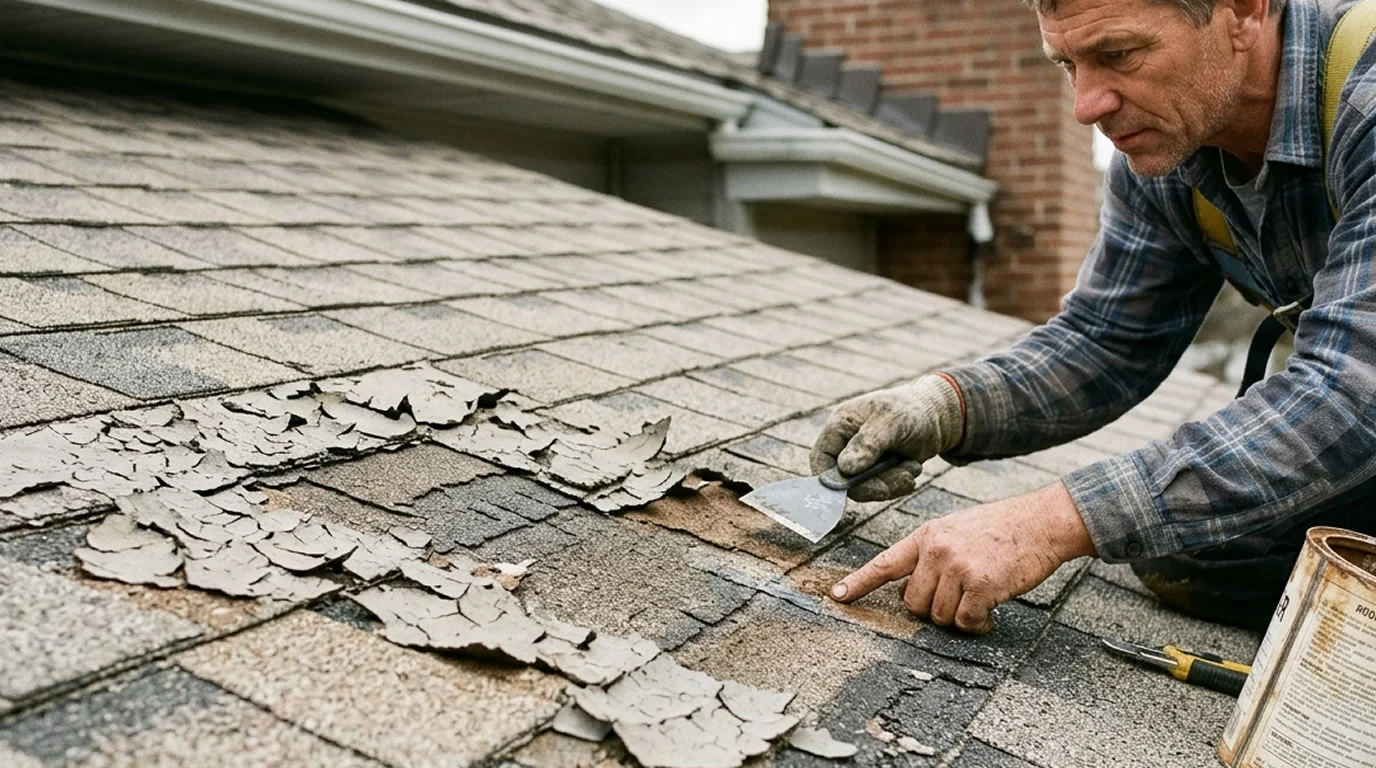
Even energy-efficient upgrades require regular maintenance. Removing debris, inspecting shingles, and checking ventilation helps your roof perform at peak efficiency.
- DIY Maintenance Tips: Use a roof rake for leaves and snow, clean gutters, and inspect flashing and shingles.
- Benefits: Preserves the life of your roof, prevents leaks, and ensures all energy-efficient features remain effective.
Conclusion
Upgrading your roof for energy efficiency doesn’t have to be a professional-only project. With the right materials and proper installation, homeowners can reduce utility bills, improve comfort, and extend the life of their roof. From radiant barriers and insulation to reflective shingles and solar-powered fans, there are numerous upgrades that are accessible for DIY installation.
Always prioritize safety when working on your roof, follow manufacturer instructions, and consult professionals if you are unsure. By taking these steps, you can make your home more energy-efficient while keeping costs manageable and improving overall sustainability.