Yes, you can buy a house with an old roof. Roof age alone does not decide whether the purchase makes sense. The more useful questions are whether the roof is currently functional, how much service life may remain, what repairs or replacement could cost, whether insurance is available on acceptable terms, and whether the price reflects the likely expense.
An older roof with no apparent active leaks and a history of maintenance may be a manageable purchase. A newer roof with active leaks or structural damage may create a much greater risk. Before closing, arrange an independent home inspection, confirm insurance and financing conditions, and use documented findings to guide your budget and negotiations.
What an old roof can mean for a homebuyer
An old roof can still be usable, but visible age and deterioration may indicate a shorter remaining service life and a capital expense in the near future. Age is only one part of the picture. Roofing material, installation quality, climate exposure, maintenance, ventilation, flashing, drainage, and concealed conditions can all affect how long the roof remains serviceable.
Mortgage and appraisal considerations may also enter the decision. Appraisal guidance identifies deficiencies that affect safety, soundness, or structural integrity as issues that may need attention before an acceptable condition rating is given. Significantly worn roofing may need repair or replacement in the near future, while active leaks are associated with a more serious condition category. These are appraisal and underwriting guidelines, not a universal rule that every old roof must be replaced. The applicable lender and loan program control.
The Fannie Mae property condition guidance and the Freddie Mac condition and quality definitions can help explain why roof condition may matter during mortgage related valuation.
Compare the roof condition with the purchase risk
| Roof situation | What it may mean for the buyer | Suggested next step |
|---|---|---|
| Older roof with no apparent active leaks and generally functional condition | It may remain usable but could need repair or replacement in the near future | Obtain a focused inspection, estimate remaining service life, and budget for replacement |
| Significantly worn, cupped, curled, or deteriorated roofing | It may indicate more substantial deferred maintenance or a shorter remaining service life | Obtain written repair and replacement estimates and negotiate based on the documented scope |
| Active roof leaks or weather intrusion with structural impact | This is a more serious condition that may affect habitability, appraisal, and financing | Require a professional evaluation and confirm lender requirements before closing |
| Roof condition is acceptable to the inspector but insurance is unavailable, restricted, or offered only with unfavorable terms | The purchase may create coverage and out of pocket risk even if the roof is not currently leaking | Obtain a firm insurance quote and review roof settlement provisions before removing contingencies |
Roof age alone does not establish remaining service life or replacement cost. Inspection findings, roof records, insurer underwriting, lender requirements, and the purchase contract need to be considered together.
Arrange an independent roof inspection
A home inspection is different from an appraisal, and it should be arranged independently before closing. Do not rely only on the listing description, seller disclosure, or an earlier inspection. A home inspection is also not a guarantee that hidden defects will be found, so its findings should be understood as a time specific assessment of observable conditions.
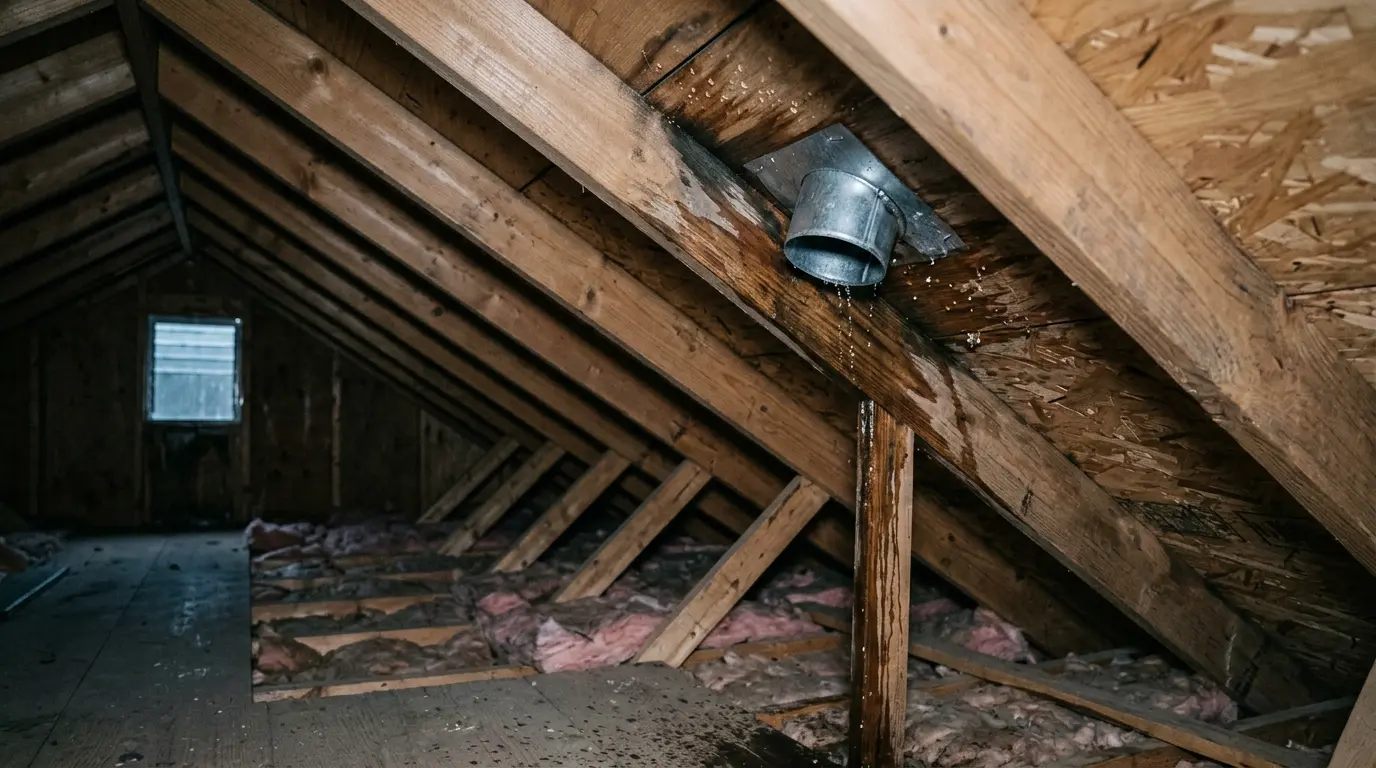
The inspection should document visible roof covering damage, flashing, penetrations, drainage, attic evidence of leakage, ventilation related concerns, and accessible structural components. For a practical overview of the process, review what a roof inspector should check before you buy. The article can help you understand the inspection areas, but it is not a substitute for a local professional inspection.
If the general inspector identifies significant damage or is uncertain about the roof’s condition, obtain a focused evaluation and written estimates from qualified roofing professionals. Ask whether the recommended work is a repair, partial replacement, or full replacement, and ask what assumptions are included in the estimate.
What the inspection cannot tell you by itself
An inspection may identify visible concerns, but it cannot reliably promise an exact number of years remaining. Remaining service life depends on the roof’s materials, installation, exposure, maintenance, and concealed conditions. Read how to read a roof inspection report to distinguish observed conditions from guarantees about future performance.
Collect roof documents and check insurance
Ask the seller for installation invoices, permits where applicable, warranties, maintenance records, prior leak repairs, insurance claims, and documentation of any previous roof replacement. These records may help establish the roof’s actual age and maintenance history, but they do not replace an inspection.
Insurance should be checked before inspection or financing deadlines expire. The seller’s current premium is not enough to establish what your coverage will cost or whether the roof will be accepted. Request an actual quote and ask:
- Will this insurer offer the coverage needed for this roof?
- Will the roof be covered on a replacement cost or actual cash value basis?
- Are there roof age considerations, exclusions, deductibles, or settlement limits that affect a future claim?
Actual cash value coverage considers age, wear, and depreciation, so it may not fully fund replacement. Replacement cost coverage is also subject to the policy’s terms, deductible, limits, and claim procedures. Availability and underwriting vary by insurer and jurisdiction. The National Association of Insurance Commissioners explanation of actual cash value and replacement cost coverage provides useful background, but the policy you are offered controls.
Do not assume the seller’s homeowners policy transfers to you, that a roof warranty transfers automatically, or that insurance will pay for age related deterioration. Verify those details in the specific policy and warranty documents. If an insurer, lender, buyer, or seller requests a certification, review whether you need a roof certification. There is no single nationwide rule governing every certification request.
Estimate the financial exposure
A roof replacement should be considered alongside the purchase price, available cash reserves, and other immediate repairs. A lower sale price may not be a bargain if you must fund a replacement right away or cannot obtain acceptable insurance or financing.
There is no universal roof replacement cost. Size, design, material, location, labor, decking, flashing, permits, and disposal can all change the price. For preliminary residential budgeting and negotiation discussions, you can estimate your potential roof replacement cost. Treat the result as an initial planning tool, not a project specific quote or a calculation of concealed damage.
Once a roofing professional has reviewed the property, compare written repair and replacement estimates. Look at the scope as well as the total amount. An estimate should make clear whether it includes items such as damaged decking, flashing, disposal, and other work identified during the evaluation.
Use the findings in your negotiation
The purchase contract and local market determine which options are available. Depending on those terms, a buyer may seek a price reduction, seller paid credit, seller completed repair, escrowed funds, or the right to cancel under an inspection contingency.
If the seller agrees to complete the work, define the scope carefully. The agreement should identify the expected work, use a qualified contractor, address permits where required, require receipts, and provide for a final inspection or other documentation. A vague promise to fix the roof leaves too much of the decision to closing day, when choices tend to become less flexible.
For more help interpreting the inspection findings before negotiating, review how to read a roof inspection report. The goal is to match the requested concession or repair to documented conditions rather than negotiate from roof age alone.
Questions homebuyers often ask
Can a mortgage lender require a roof replacement before closing?
It may. If a major repair is identified, the lender may require the repair before closing or require funds to be set aside for the work. The specific lender, loan program, contract, and local requirements control, so confirm the lender’s position early.
Should I ask the seller to replace the roof or provide a credit?
That choice depends on the inspection findings, estimates, contract, financing, and what the seller is willing to do. A credit or price reduction may give you more control over the work, while seller completed repairs should have a defined scope, documentation, and final review.
How can I verify whether an old roof is insurable?
Request a firm quote from the insurer you may use and ask how the roof will be covered, including whether settlement is based on replacement cost or actual cash value. Review roof age considerations, exclusions, deductibles, and limits before removing relevant contingencies.
Does a home inspection determine how many years a roof has left?
Not reliably from age alone. An inspection can document observable condition and concerns, while a focused roofing evaluation and available records may provide a better basis for discussing remaining service life. Even then, future performance is not guaranteed.
Can I buy a house with an active roof leak?
You may be able to, but an active leak with structural impact is a serious condition that can affect the home’s condition rating, financing, and insurance. Obtain a professional evaluation, written scope, and repair or replacement estimate, then confirm lender and insurer requirements before closing.
The takeaway
You can buy a house with an old roof when the condition, remaining service life, insurance, financing, and expected cost fit your overall plan. The most useful next step is an independent inspection followed by focused roofing estimates when needed. Pair those findings with an actual insurance quote and the purchase contract before deciding how to proceed.
Roof age is a reason to investigate, not an automatic reason to walk away. With clear documentation and a realistic budget, you can make the decision with much less guesswork.