A sagging roof usually means that part of the roof deck, rafters, trusses, or another supporting component has deflected, deteriorated, or become overloaded. Water damage, weakened framing, inadequate support, excessive roof loads, and moisture related attic conditions can all contribute. A visible sag does not identify the exact cause, but it should be treated as a reason for prompt professional evaluation rather than a cosmetic roofing issue.
The good news is that a visible dip does not automatically mean the entire roof must be replaced. The appropriate repair depends on which components are affected, how far the problem extends, and whether moisture or loading is still contributing. A careful evaluation can help separate a localized repair from a broader structural concern.
What a Sagging Roof Can Mean
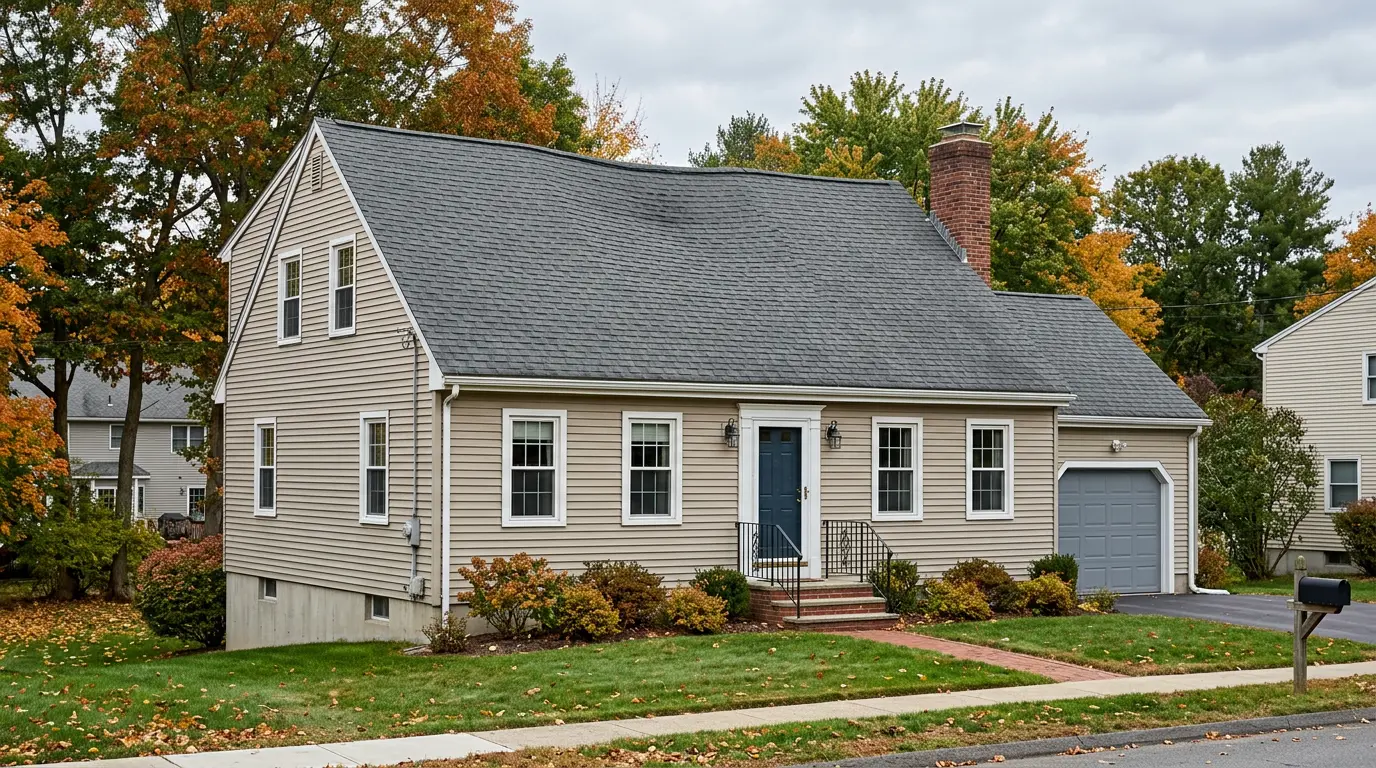
From the ground, sagging may look like a dip, wave, low area, bowed roof plane, or ridge that no longer appears straight. The visible shape may involve the roof covering, the sheathing beneath it, or the framing that supports the roof. Looking at the exterior alone cannot show whether the issue stops at the roof deck or extends into rafters, trusses, connections, or bearing points.
| Possible condition | What a homeowner may observe | Why it matters | What to verify |
|---|---|---|---|
| Roof deck or sheathing deformation | Dips or low areas between framing members | The sheathing may be weakened, damaged, or inadequately supported | Verify the sheathing condition from a safe attic or professional inspection |
| Rafter or truss deformation | A bowed roof plane, sagging ridge, or visible distortion in attic framing | The framing may be under stress, deteriorated, or inadequately supported | Verify rafters, truss chords, plates, connections, and bearing points |
| Moisture related deterioration | Sagging with water stains, discoloration, dampness, or rotted wood | The condition may reflect a roof leak, condensation, or another moisture source | Locate and correct the moisture source before final repairs |
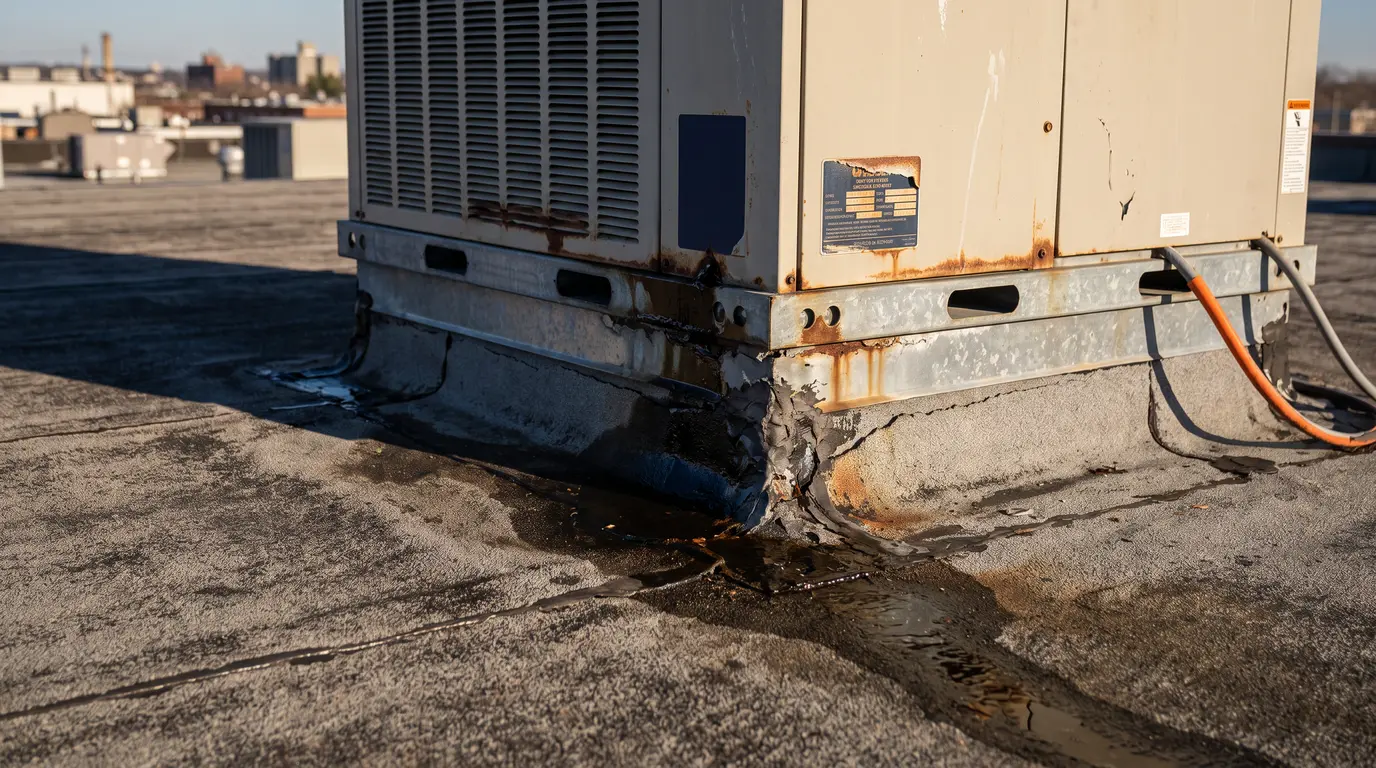
| Excessive or changed roof load | Sagging that appears after heavy snow, stored materials, equipment changes, or another added load | The roof may be carrying more load than intended | Verify the source of the load and the design capacity with a qualified professional |
These observations are screening clues, not diagnoses. Several conditions can occur together, and the same visible sag may have different causes in different homes.
Common Conditions That Contribute to Roof Sagging
Water damage and wood deterioration
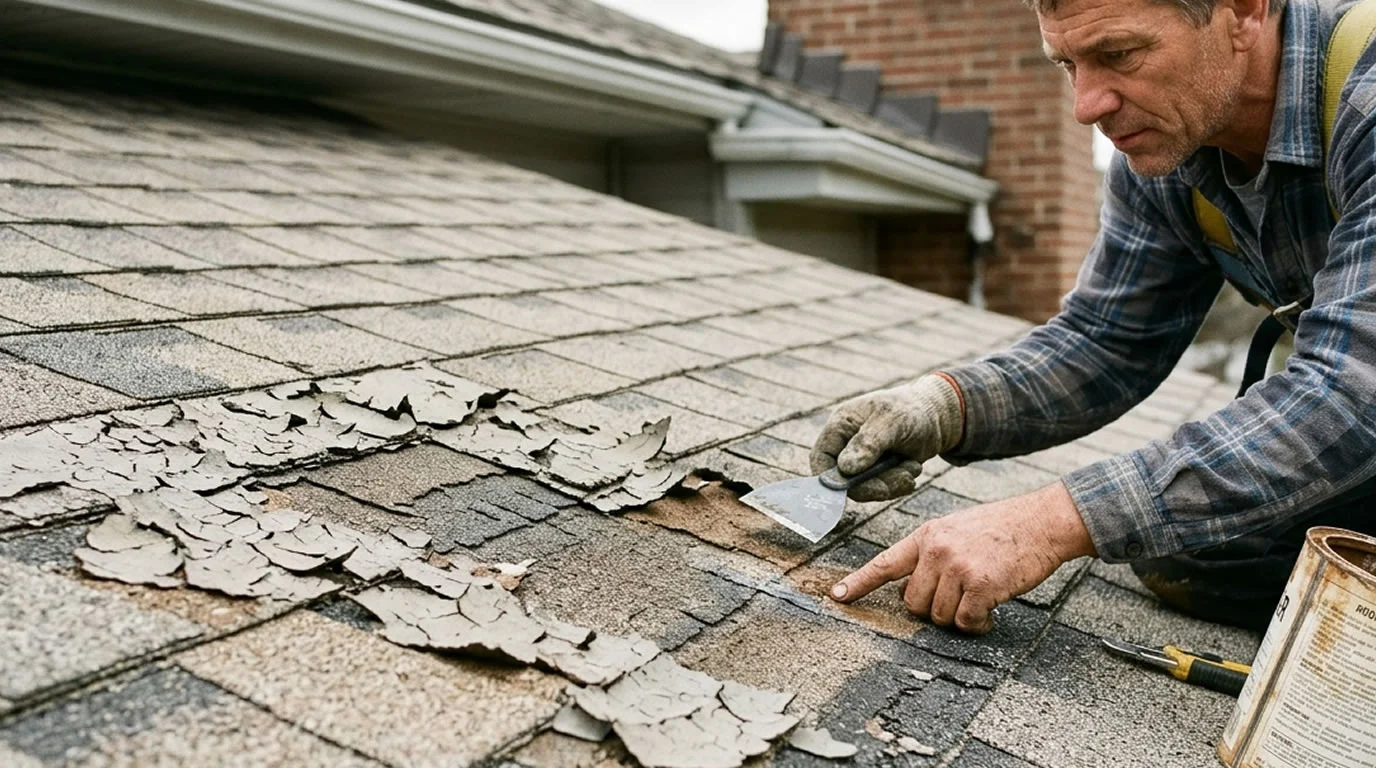
A leak can weaken roof sheathing and framing over time. Damage may appear as rotted or softened wood, deterioration on the underside of the roof sheathing, or weakened areas around framing connections. The moisture source could be an active leak, an older unrepaired leak, condensation, or another condition, so a sag alone does not prove that a roof leak caused it.
Attic conditions can also play a role. Condensation and persistent moisture may contribute to mold, wood rot, and weakened roof materials. Poor ventilation is one possible contributor, but it should not be treated as the confirmed cause without checking for roof leaks, air leakage, plumbing moisture, HVAC moisture, and other sources. You can learn more about whether poor roof ventilation is damaging your home while keeping in mind that ventilation is only one part of the investigation.
Weak or inadequate framing
Rafters, trusses, roof sheathing, connections, and support points all contribute to the roof structure. A sag may be associated with damaged or undersized components, inadequate support, deterioration at a connection, or other structural deficiencies. A professional should identify which component is deforming before a repair plan is chosen.
Excessive roof loads
Snow is one example of a vertical roof load, and the relevant load varies according to the home design, roof configuration, materials, location, and local conditions. A sag that appeared after heavy snow, stored materials, equipment changes, or another added load deserves attention. Do not apply one snow load figure to every home. A qualified professional can help verify the source of the load and the roof’s design capacity.
What Homeowners Can Safely Check
Start from the ground and view the roof from several angles. Binoculars or camera zoom can help you document a dip, wave, sagging ridge, or other change without climbing onto the roof. Note where the sag appears, whether it is limited to one area or spread across a roof plane, when you first noticed it, and whether it followed a storm, heavy snow, or a leak.
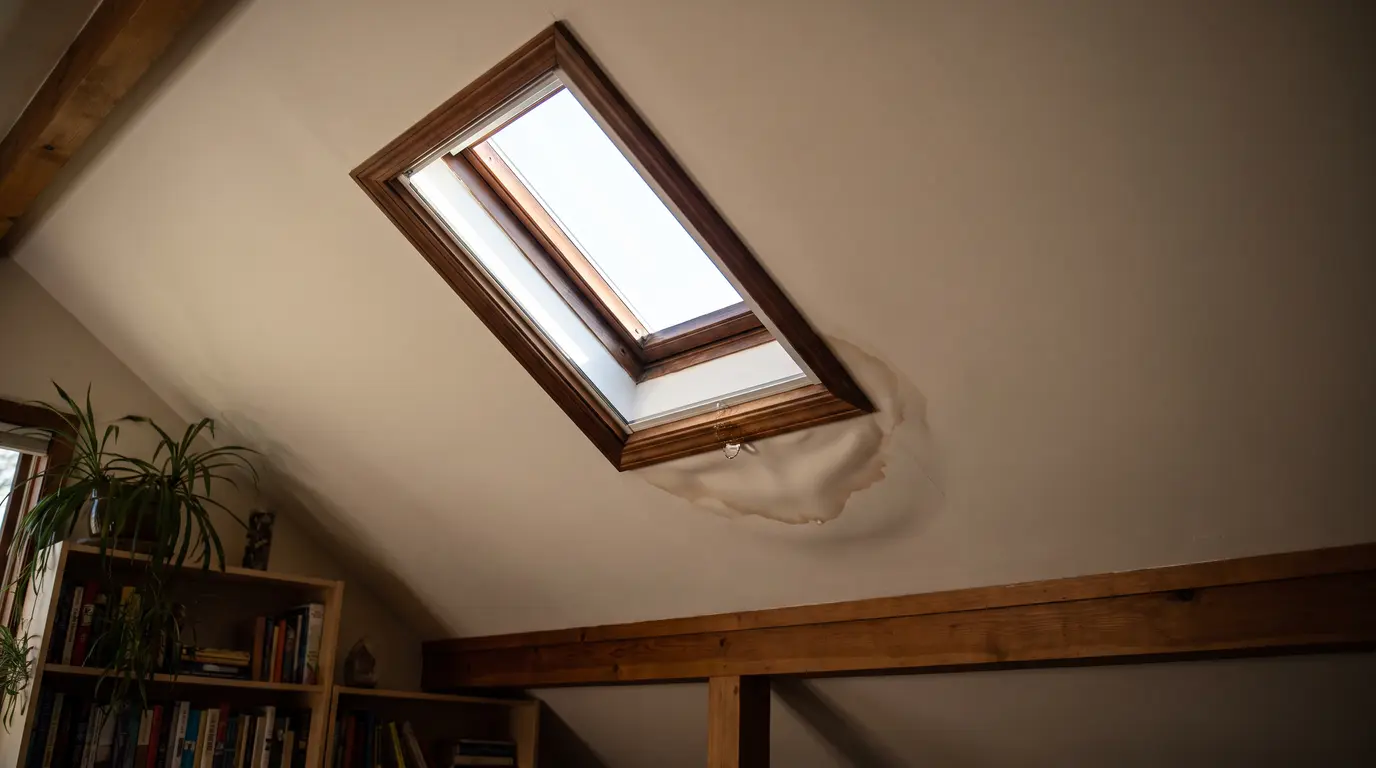
You may also check accessible ceilings and attic areas if they can be reached safely. Look for water stains, discoloration, dampness, damaged wood, visible daylight, or framing that appears distorted. Do not climb onto a visibly compromised roof or enter an attic that appears unsafe. For more general guidance, see how to check your roof without climbing. This is preliminary visual guidance, not a diagnosis of structural sagging.
What a Professional Evaluation Should Check
A useful evaluation should consider both the exterior roof shape and accessible interior areas. Ask the roofing professional or inspector to identify whether the deformation involves the roof covering, roof sheathing, rafters, trusses, ridge, wall support, or another component. The distinction affects both urgency and repair scope.
The evaluation may also include the underside of the roof sheathing, attic framing, evidence of water intrusion, rafters, truss chords, connections, and bearing points. Depending on what is visible, you can ask whether moisture testing, a limited opening, or a structural engineering evaluation is needed. These questions help address concealed conditions, but they are not automatically required for every roof.
For additional context about common inspection areas, read what a roof inspection should cover. That resource is framed around pre purchase inspections and should not be treated as a substitute for a specialized structural evaluation.
Can a Sagging Roof Be Repaired?
Sometimes. Localized sheathing or framing damage may be repairable, while widespread deterioration, severe deformation, or broader structural problems may require more extensive roof or structural work. There is no universal repair or replacement rule because the answer depends on the cause and extent of damage.
Avoid assuming that new shingles, a roof coating, or covering the visible area will correct the underlying problem. The structural and moisture related causes should be identified before cosmetic roof work is specified. If the evaluation identifies damaged roof decking or sheathing, you can use the article about roof decking repair and replacement costs as preliminary planning context, not as a diagnosis or quote.
If substantial roof work appears necessary, the estimate your roof project cost tool may help with early planning. Calculator results are not a project specific price and do not replace an evaluation of structural damage.
When a Sagging Roof Needs Prompt Attention
Treat a newly appearing, worsening, or pronounced sag as a priority inspection issue, especially when it appears with leaks, water stains, cracked ceilings or walls, visible daylight, damaged attic wood, or unusual movement. If the sag is rapidly worsening or accompanied by major ceiling deformation, loud cracking, or substantial storm or snow damage, limit occupancy below the affected area and seek qualified local emergency or building safety guidance.
Local permits, insurance coverage, and whether a licensed engineer is needed depend on the jurisdiction, project scope, cause of damage, and policy language. Confirm those details locally rather than relying on a nationwide rule.
Frequently Asked Questions
Can a sagging roof be repaired without replacing the entire roof?
It may be possible when the damage is localized to roof sheathing or a limited framing area. Widespread deterioration, severe deformation, or broader structural problems may require more extensive work. An evaluation must establish the cause and extent first.
Is a sagging roof always caused by a leak?
No. Water intrusion is one possible cause, but weakened framing, inadequate support, excessive loading, condensation, and other moisture conditions can also contribute. A sag by itself does not identify the source.
Can poor attic ventilation contribute to roof sagging?
It can contribute when moisture and condensation lead to deterioration of roof materials over time. However, ventilation is only one possible contributor, so leaks and other moisture sources should also be considered.
What should a professional inspect when a roof is sagging?
The evaluation should consider the exterior roof shape, roof sheathing, attic framing, rafters, truss chords, connections, bearing points, and signs of water intrusion. Ask which component is deformed and whether additional investigation is needed for concealed damage.
Is it safe to walk on or enter an area beneath a sagging roof?
Do not climb onto a visibly compromised roof or enter an unsafe attic. If the sag is rapidly worsening or there are signs such as major ceiling deformation, loud cracking, or substantial storm or snow damage, limit occupancy below the affected area and seek qualified local guidance.
The Takeaway
A sagging roof can indicate a problem with the roof deck, framing, support, moisture conditions, or roof loading. It does not automatically mean complete replacement, but it does call for prompt evaluation. Start with safe ground level observations, document what you see, and ask a qualified professional to identify the affected components and likely cause before repair work begins.