When water appears below a rooftop HVAC unit, the first decision is whether the source is the roof, the equipment, or both. That distinction matters because a roofing repair will not correct a condensate problem, while an HVAC adjustment will not seal a failed curb flashing detail. In many cases, the right response is a coordinated inspection rather than an immediate roof replacement.
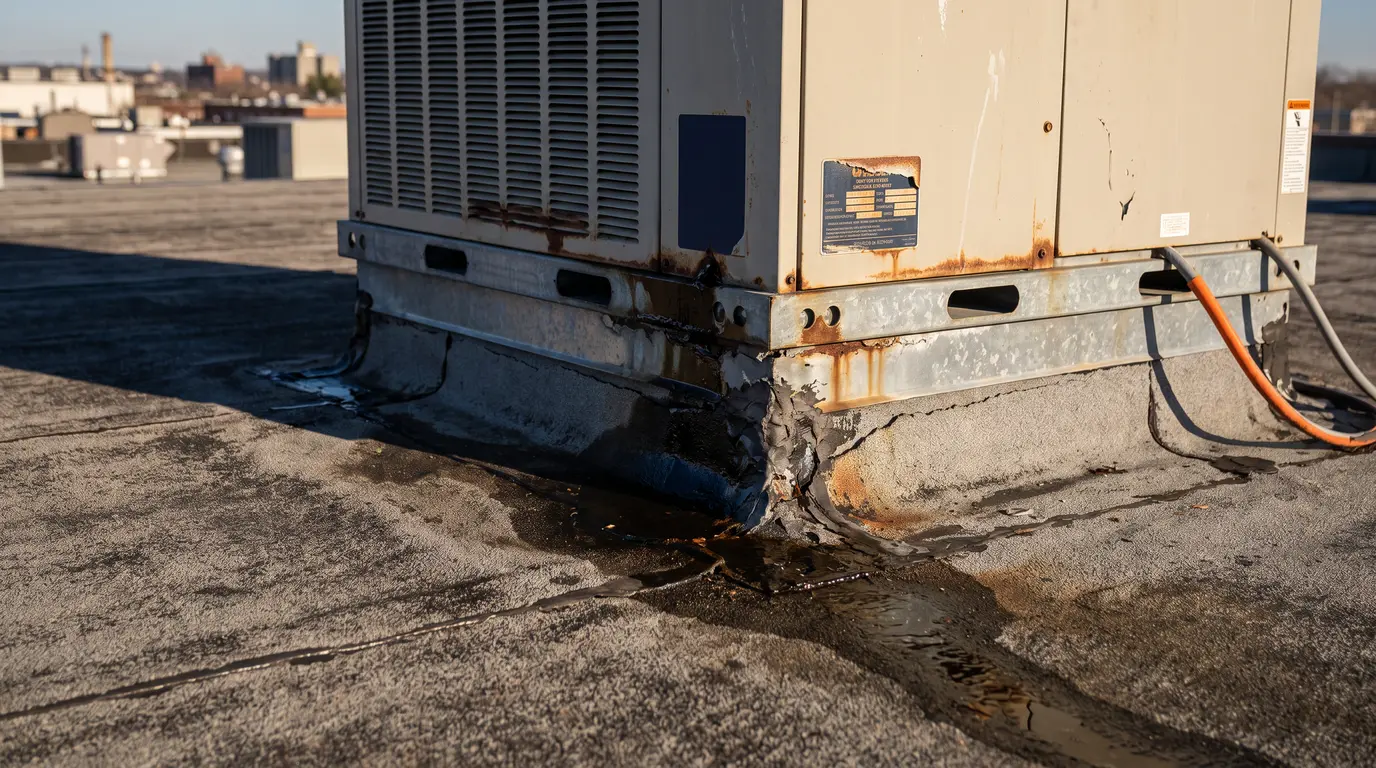
Commercial roofs are especially vulnerable around HVAC equipment because the roof membrane must connect to curbs, seams, flashing, drains, and service penetrations. Common sources include failed curb flashing, open seams or sealant joints, damage from installation or service work, and water entering around conduit, piping, or other penetrations. A blocked condensate drain, damaged pan, or poorly configured equipment drain can create a separate water source that looks like a roof leak from inside the building.
Why HVAC areas are common leak locations
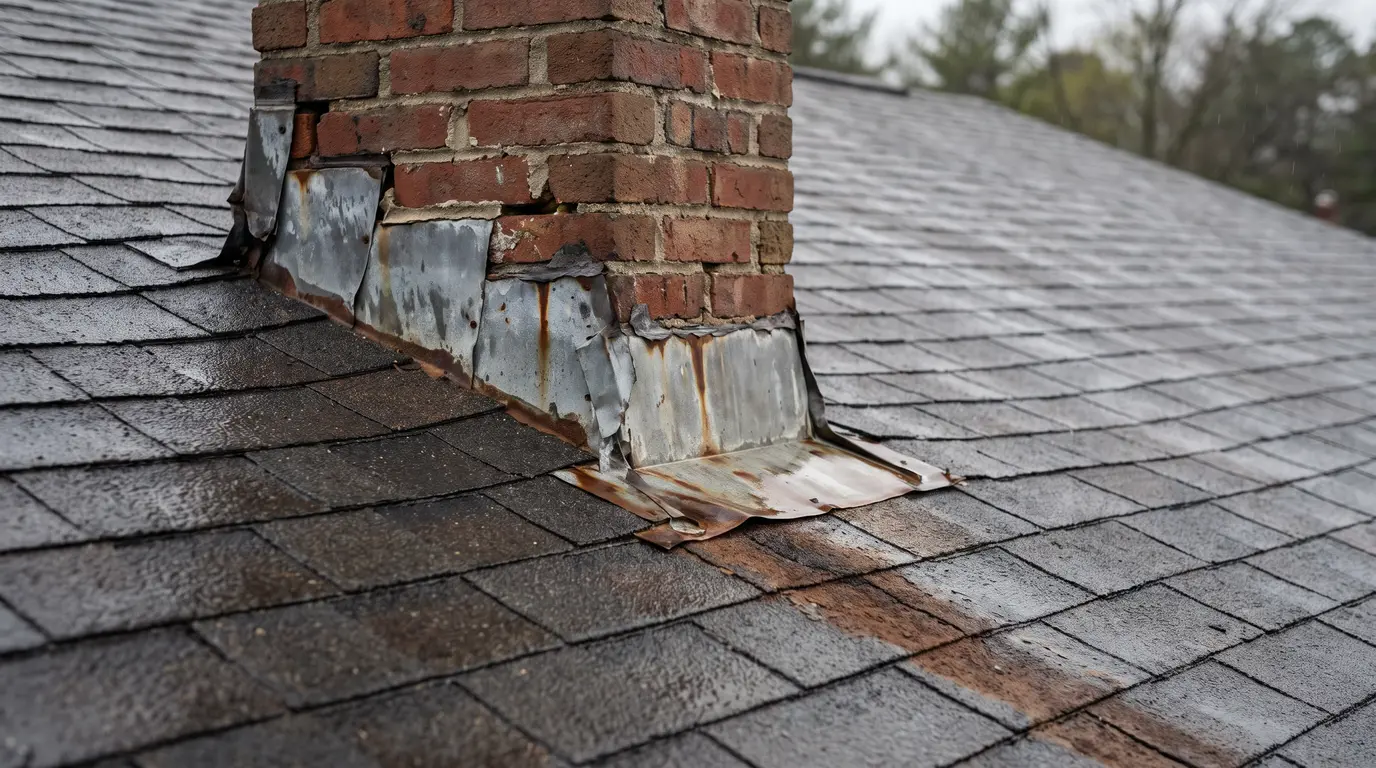
A rooftop unit interrupts an otherwise continuous roof surface. The membrane must terminate at the curb and remain weather resistant as it meets a vertical surface. Corners, seams, base flashing, termination points, and nearby penetrations all require careful detailing. Trade guidance on proper flashing methods for low slope roofs explains why these transitions deserve close attention.
The connection between the unit and its curb is another possible entry point. The unit may require sealing material between the equipment and curb to create a watertight connection, but the exact installation detail comes from the unit and curb manufacturer. Johnson Controls guidance on roof curb and unit application is specific to its equipment guidance and does not prove that every leak comes from this joint.
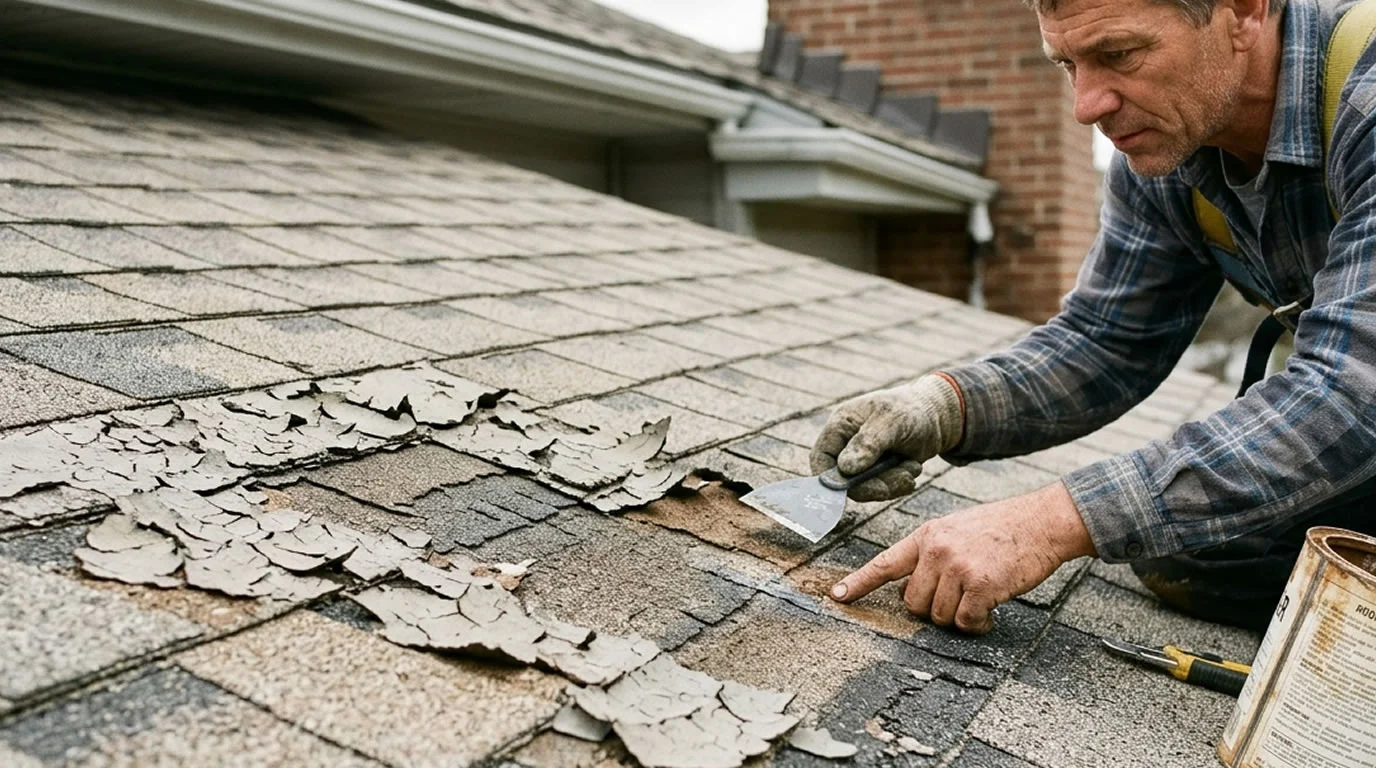
Roof work can also introduce problems. A recent unit replacement, wiring project, piping change, or service visit may have affected a seam, pitch pan, fastener, flashing detail, or nearby membrane. Debris, movement, wind damage, and defects elsewhere in the roof assembly may also send water toward the area.
The leak may not be where the stain appears
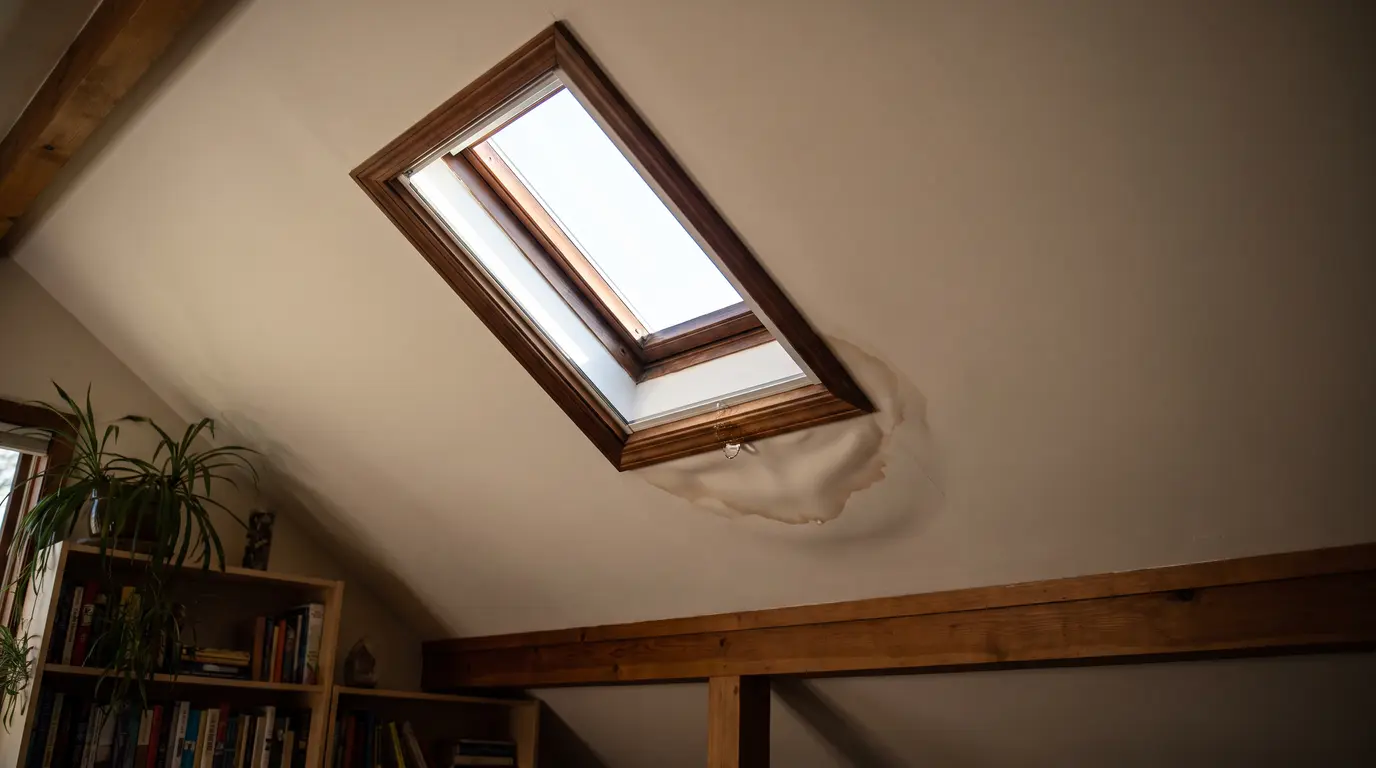
A ceiling stain directly below an HVAC unit does not identify the entry point. Water can travel through insulation, along the roof assembly, or around the curb before it becomes visible indoors. A wider roof inspection should therefore include nearby seams, drains, penetrations, insulation, and the roof plan rather than stopping at the equipment that appears closest to the stain.
Moisture detection methods such as thermal imaging may help locate suspected wet areas on a large commercial roof. Thermal patterns do not independently prove the source, however. They may need to be verified through direct inspection or moisture testing under appropriate conditions.
Roof leak or HVAC drainage problem?
Cooling equipment can release water without a failure in the roof membrane. A blocked drain, damaged pan, incorrect trap, poor slope, unsuitable discharge arrangement, frozen coil, or another equipment condition may allow condensate to overflow. Drainage details vary by unit and location, so the HVAC contractor should use the applicable installation and maintenance manual during the evaluation. Guidance for condensing rooftop units also emphasizes the need to review condensate management as part of the equipment installation.
A useful question for both vendors is: Is the reported water coming from rain entering at the roof interface, or from condensate escaping from the HVAC system? The answer may require both trades to inspect the same area and compare their findings.
| Possible source | What may be observed | Primary inspection focus | Coordination note |
|---|---|---|---|
| Curb or base flashing failure | Water near or below the unit after rain; separated, open, or deteriorated flashing may be visible | Roof membrane, curb corners, base flashing, seams, and transitions | Roofing contractor; confirm a repair compatible with the membrane |
| Unit to curb seal failure | Water appears around the perimeter of the rooftop unit, especially after rain or equipment work | Seal or gasket between the unit and curb and the manufacturer installation detail | Roofing and HVAC contractors may need to coordinate |
| Roof penetration or service damage | Leak follows recent installation, replacement, wiring, piping, or maintenance work | Conduit, gas lines, refrigerant lines, pitch pans, fasteners, and nearby membrane | Review recent work orders and vendor scope |
| Condensate drainage problem | Water appears while cooling equipment operates; pan, drain, or piping may overflow | Drain pan, drain outlet, trap, piping, slope, and discharge arrangement | HVAC contractor; follow the unit manual |
| Nearby membrane, drain, or insulation defect | Stain is near but not directly below the unit; water may travel through the assembly | Wider roof area, seams, drains, wet insulation, and roof plan history | Roofing investigation should not stop at the HVAC curb |
These categories help organize the investigation, but they are not proof of the cause. Roof system details such as TPO, PVC, EPDM, modified bitumen, or built up roofing affect the appropriate flashing and repair method. The repair should match the existing system and account for applicable manufacturer or contractor warranty requirements.
How property managers can coordinate the inspection
Start by recording the date, weather conditions, affected room, ceiling or wall location, HVAC unit number, and whether the equipment was operating. This information gives the roofing and HVAC contractors a shared starting point and can reveal whether the problem follows rainfall, equipment operation, or recent work.
Ask the roofing contractor to review the full unit interface, including curb corners, base flashing, membrane seams, termination points, counterflashing, fasteners, pitch pans, conduit, refrigerant lines, gas lines, duct connections, and nearby drains. The exact inspection list should reflect the roof system and the equipment installed at the property.
Ask the HVAC contractor to check the condensate pan, drain outlet, trap, piping connections, blockages, equipment drainage configuration, and signs of overflow. The contractor should compare those conditions with the unit manual rather than applying a generic drainage fix.
Coordinate access, equipment shutdowns, tenant notifications, ceiling access, interior protection, and weather contingencies before work begins. Do not direct property staff to walk an unsafe roof, open HVAC panels, test electrical equipment, or trace the leak themselves. Roof access and equipment inspection should follow the building safety procedures and be handled by qualified personnel.
Document the repair and the recurring pattern
For every repair, request before and after photographs, the marked roof plan location, a written description of the suspected entry point, the materials used, any affected insulation or decking, and recommended follow up. Those records make it easier to recognize a recurring failure, discuss responsibility, and verify whether the work addressed the source rather than only the interior stain.
If the leak returns, reopen the investigation instead of repeatedly sealing the visible stain. A roof maintenance program that includes recurring interior and exterior inspections, a roof plan, defect records, and repair verification can provide a clearer history over time. Property managers who need a repeatable recordkeeping approach can use this guide to track commercial roof repairs across buildings and roof areas.
Industry maintenance guidance discusses annual or preferably semiannual inspections, but the useful schedule for a property should reflect the roof age, climate, equipment density, warranty terms, prior leak history, and building operations. The guidance is not a universal legal requirement.
Plan the repair scope and budget
A localized curb or flashing repair may be different from work involving open seams, drainage defects, wet insulation, or damaged decking. Ask for a written scope that identifies the suspected source, the roof materials involved, the proposed repair detail, affected areas, and any recommended follow up inspection.
For early planning, the guide to commercial roof maintenance budget can help organize recurring inspections, corrective work, emergency response, and future capital needs. The commercial roof repair costs guide may also help frame preliminary questions about localized repairs and larger roof work. These resources are planning tools, not an HVAC curb specific quote.
Once the likely scope is understood, the commercial roof cost calculator may provide a preliminary estimate for budgeting. It should not replace project specific verification or a contractor proposal, especially when the work involves specialized equipment interfaces.
Common questions about HVAC area leaks
Can an HVAC unit leak even when the roof membrane is intact?
Yes. Condensate can escape from a blocked drain, damaged pan, incorrect trap, poor drainage arrangement, or another equipment condition. The HVAC contractor should inspect the drainage system using the unit instructions.
Why does the interior stain appear away from the rooftop unit?
Water may travel through insulation, along the roof assembly, or around the curb before it becomes visible. The inspection should include the wider roof area, nearby drains, seams, penetrations, and moisture evidence rather than relying on vertical alignment.
Should a roofer or HVAC contractor inspect first?
Coordinate both when the source is uncertain. The roofing contractor can evaluate flashing, seams, penetrations, drains, and the membrane, while the HVAC contractor can evaluate pans, drains, traps, piping, and equipment operation. Reviewing both scopes together reduces the chance that one possible source is overlooked.
A practical next step
Treat water near a rooftop HVAC unit as a source location problem first. Record the conditions, coordinate a roofing and HVAC inspection, require a written repair explanation, and verify the result. If the project expands beyond localized maintenance, also check whether commercial roof repairs need permits, since requirements depend on the jurisdiction and repair scope.