Yes, part of a roof can be replaced when the damage is limited to a small group of shingles, one roof plane, or another clearly defined section. A partial replacement is most practical when the remaining roof system is in reasonable condition and the new work can be connected properly to the existing underlayment, flashing, ventilation, and drainage.
That does not mean the job is simply a matter of swapping out visible shingles. The roof’s age, material, layout, weather exposure, and concealed conditions all matter. New roofing may also look different from older, weathered material, even when the product and color appear to match. This guide focuses on when partial replacement makes sense, when a full replacement may be more practical, and what to verify before approving the work.
When Replacing Only Part of a Roof Makes Sense
Localized damage is the strongest case for a partial replacement. This may include a limited number of damaged shingles, one distinct roof section, or a single roof plane where the new work can end at a sound, watertight boundary.
A properly planned partial replacement is not automatically a temporary patch. It can be a durable solution when the rest of the roof is sound, the replacement materials are compatible, and the transition between old and new work is handled correctly. The decision should be based on the condition of the entire roof system, not just the most obvious damaged spot.
- Replacing individual shingles that are damaged but surrounded by sound roofing.
- Replacing a limited section affected by a localized event.
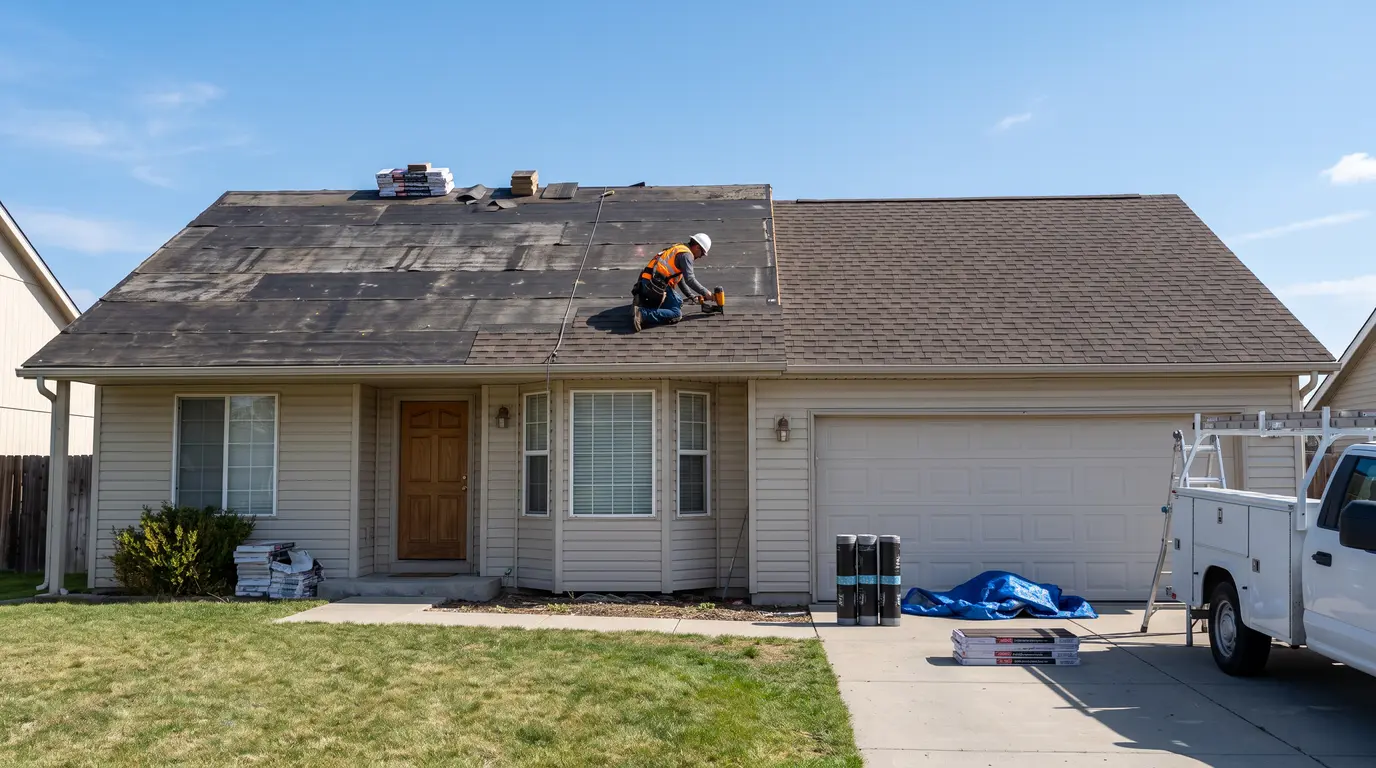
- Replacing an entire roof plane when the boundary can be made watertight.
- Repairing underlayment, flashing, decking, ventilation, or framing revealed during removal.
The roofer should determine whether the problem is limited to the roof covering or extends beneath it. Visible damage does not always show the full scope of the work, and the final recommendation is a project specific construction finding. Guidance from IKO similarly distinguishes limited shingle damage from conditions that affect a larger portion of the roof.
When a Full Roof Replacement May Be More Practical
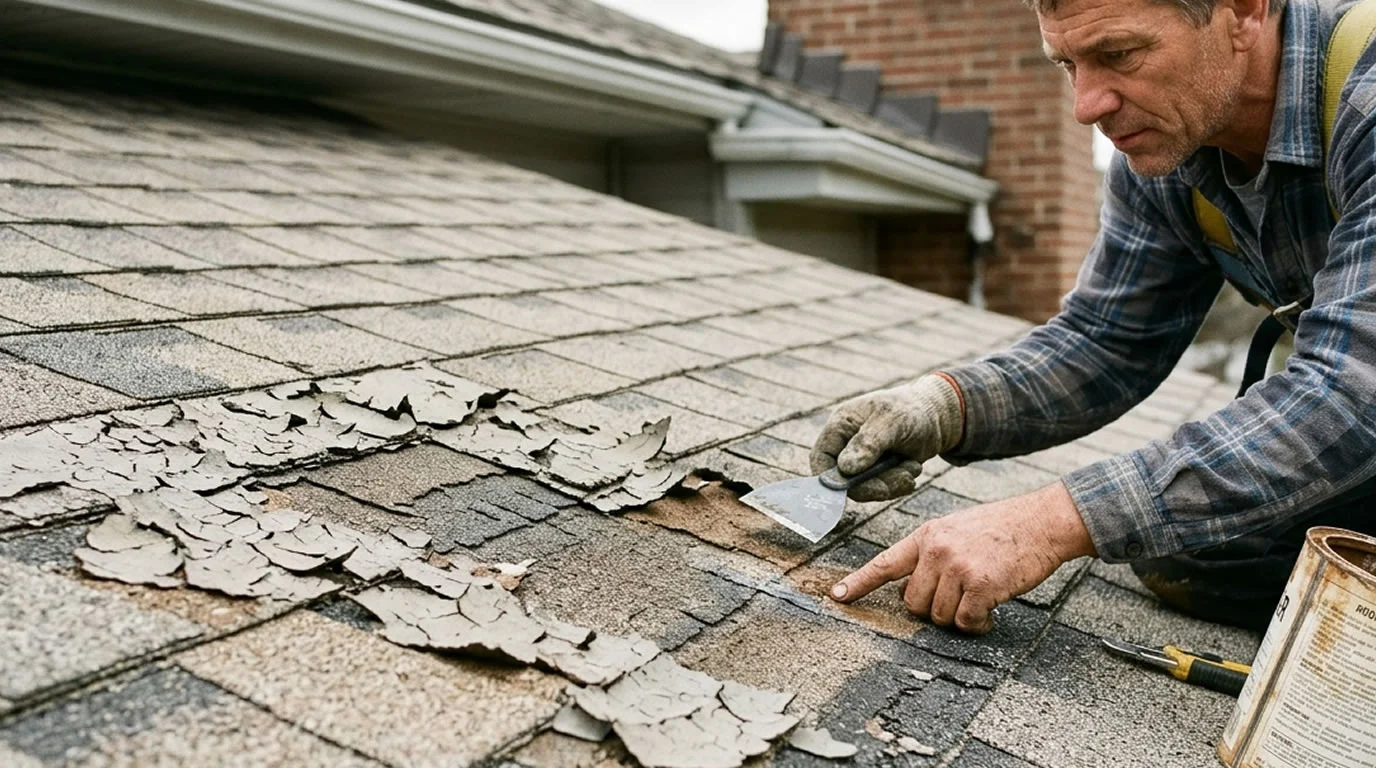
A partial replacement becomes less attractive when the damage is widespread or the remaining roofing is already near the end of its useful life. Replacing one area may solve the immediate problem while leaving several other areas likely to fail soon.
- Extensive granule loss or large bare areas.
- Multiple damaged areas across the roof.
- Widespread storm or hail damage.
- Roof deck or structural problems.
- Remaining roofing that is close to the end of its useful life.
These are decision factors, not a universal rule requiring a full replacement. The sensible comparison is between the cost and expected service life of the partial work, the condition of the rest of the roof, and the likelihood that future repairs will become harder if the original material is discontinued.
A written inspection should explain why the proposed scope is limited. If the roof has widespread deterioration, a focused repair may leave the owner paying for one replacement now and another larger project later. Sometimes the smaller project is the right answer. Sometimes it is simply postponing the conversation.
Why Roof Design and Existing Components Matter
The location of the damaged area can be just as important as its size. A replacement on an open roof plane may be straightforward, while a repair that ends at a valley, ridge, hip, wall intersection, skylight, chimney, or roof to wall flashing may require more detailed transition work.
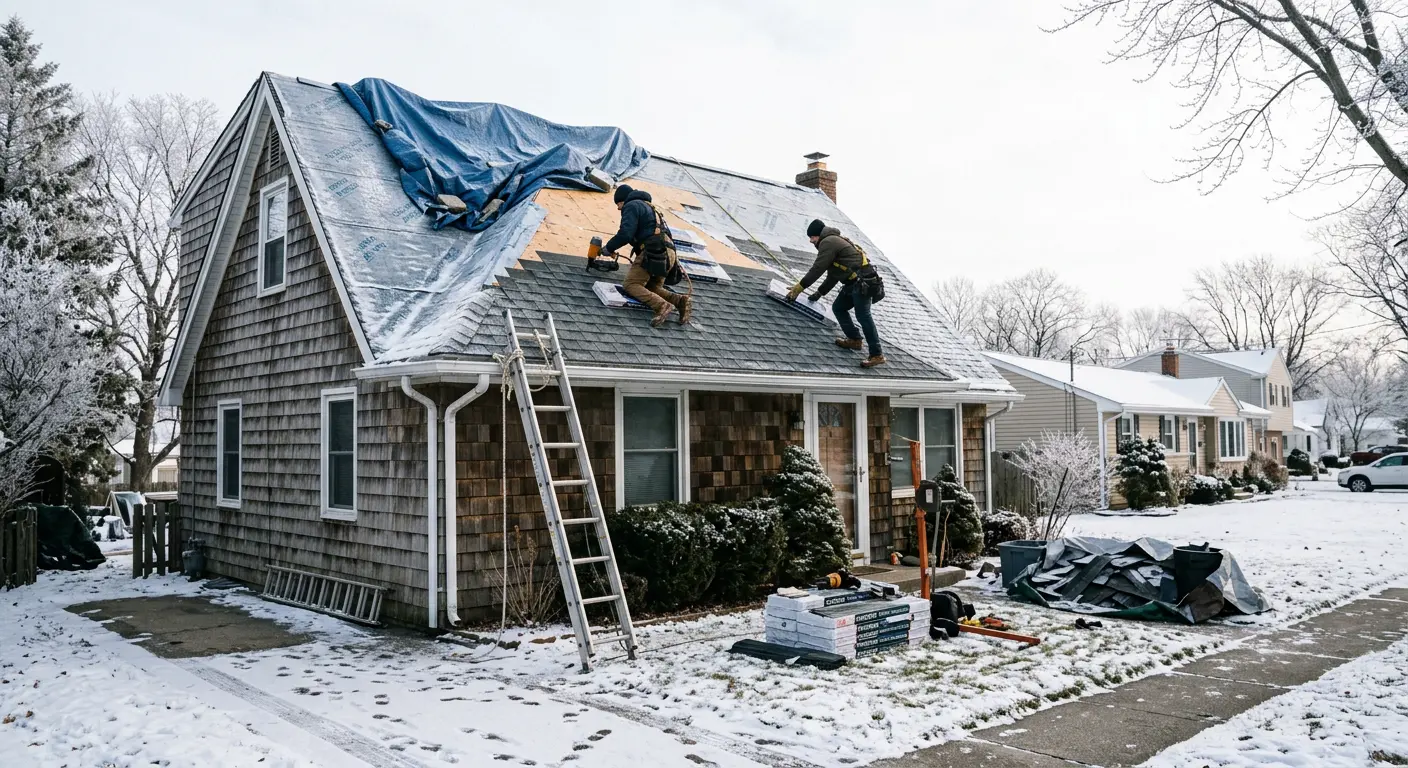
Removing roofing can also expose problems that were not visible during the initial inspection. Underlayment, flashing, sheathing, ventilation components, and framing may need attention. These conditions are not inevitable, but the proposal should explain what happens if they are found.
Before work begins, ask for the price and approval process for concealed damage. The written scope should identify where the new work will stop, how the boundary will be made watertight, and which materials will be used at the transition. Solar panels, satellite equipment, and other roof mounted or penetrating equipment may also require coordination or temporary removal.
The distinction between a shingle repair, a partial reroof, and an entire roof plane replacement should be clear in the proposal. Those descriptions may involve different removal methods, materials, labor, and expectations.
Matching New Roofing to an Existing Roof
Matching new roofing involves more than choosing the same general color. When possible, the contractor should identify the existing manufacturer, product line, profile, dimensions, color blend, installation pattern, approximate installation date, and current availability.
Physical samples are more useful than catalog images or screen colors alone. Even an exact product and color match may remain visible because the existing roofing has weathered, faded, lost granules, or changed appearance under years of sunlight and weather. Lighting can make the difference more noticeable from one angle than another.
If the original product has been discontinued, the contractor may need to locate salvage material, use a close substitute, or replace a larger visual area. A substitute should not be described as an exact match without an inspection and a realistic discussion of the expected appearance. GAF’s guide to shingle colors also recommends examining physical samples because displayed colors may not represent the roofing accurately.
Repair methods also depend on the roofing material. Asphalt shingles, metal panels, clay or concrete tile, slate, wood shakes, and synthetic products require different installation methods and compatible accessories. Material should never be selected by color alone.
How a Partial Replacement Can Affect Roof Warranties
A roof may have more than one type of warranty protection. A manufacturer warranty generally addresses defined defects in specified roofing products. A contractor workmanship warranty addresses installation labor under the contractor’s own terms. These protections are separate, and neither should be assumed to cover every leak or every repair cost.
Coverage can vary by product, warranty version, coverage period, labor provisions, proration, transfer rules, limitations, and exclusions. Terms such as lifetime and limited have specific meanings in the applicable documents. They do not automatically promise full roof replacement whenever a leak develops.
Before approving a partial replacement, locate the manufacturer warranty for the existing roof and the contractor’s workmanship warranty. Ask whether the proposed repair, new materials, installer, or removal of existing roofing affects either warranty. Request the warranty version that applied when the roof was installed rather than relying only on a current brochure. Resources from Owens Corning, CertainTeed, and GAF illustrate why the applicable product and warranty documents control.
Permits and Local Requirements
There is no universal nationwide rule for when partial roof work requires a permit. The 2021 International Residential Code is a model code, not automatically enforceable law everywhere. States, counties, and cities may adopt different code editions, amendments, exemptions, permit requirements, and inspection procedures.
Local examples show why a homeowner should contact the authority having jurisdiction before work begins. Chicago publishes its own reroofing requirements, while Santa Cruz County describes its own permit and inspection procedures. Those local rules should not be treated as national standards.
Ask the local building department whether the planned work requires a permit, inspection, licensed contractor, structural review, or documentation of existing roof layers. Do not rely on a commonly cited percentage threshold unless the local authority confirms that it applies to the property and scope of work.
Insurance and Storm Damage Claims
Insurance coverage depends on the policy, loss date, cause of damage, deductible, claim handling, and applicable local law. An insurer may accept, reject, or supplement a partial repair scope based on the documented covered damage.
Do not assume that an insurer must replace the entire roof, and do not assume that partial replacement is automatically excluded. The policy and the claims decision control. A contractor’s opinion about coverage is not a substitute for the policy or the claims representative.
- Photograph the damage before work begins.
- Preserve damaged materials when practical.
- Keep inspection reports, estimates, and invoices.
- Confirm the approved scope in writing.
What to Ask for Before Approving a Partial Replacement
A clear proposal helps prevent a small repair from becoming an unexpected argument halfway through the job. Ask for a written inspection and make sure it identifies both the damaged area and the condition of the remaining roof.
- Ask whether the damage affects only the roof covering or also the underlayment, flashing, decking, ventilation, gutters, or framing.
- Ask whether the work is a shingle repair, partial reroof, or entire roof plane replacement.
- Require the proposal to identify the termination point, transition details, materials, fasteners, sealants, flashing, and underlayment.
- Ask how concealed damage will be priced and how approval for expanded work will be obtained.
- Request physical samples and confirmation that the proposed product is still available.
- Review the applicable manufacturer and workmanship warranty documents.
- Contact the local building department about permits and inspections.
- Verify that the contractor is insured, qualified for the roofing material, and prepared to use appropriate fall protection.
Safety Considerations for Partial Roof Work
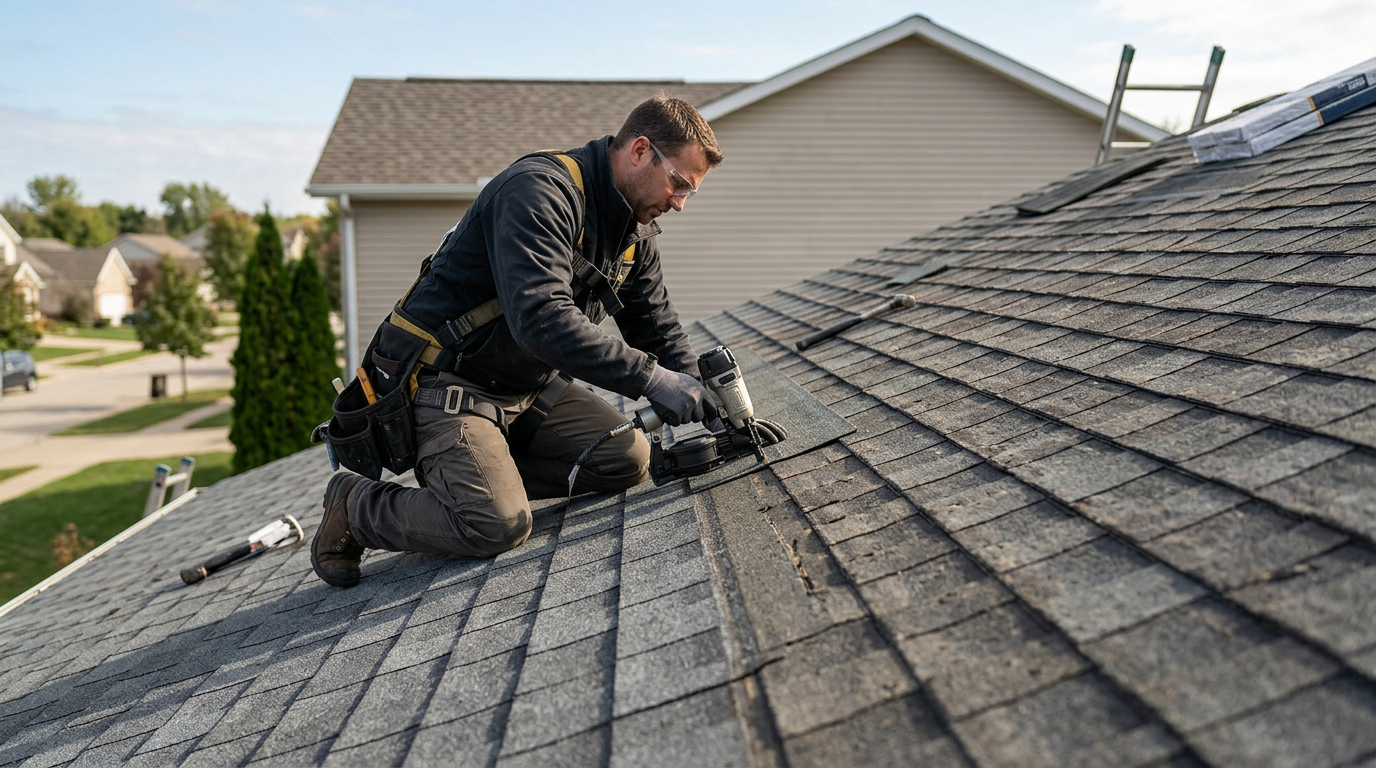
A limited work area does not make roofing work low risk. Workers can still be exposed to falls, unstable materials, openings, and changing roof conditions while replacing one section.
Under OSHA’s fall protection standard, covered residential construction workers exposed to falls of 6 feet or more above a lower level require conventional or permitted alternative fall protection, subject to the applicable provisions and exceptions. This workplace requirement should not be treated as a universal rule governing every homeowner’s personal roof access, but it is a reason to confirm that the contractor has an appropriate plan and equipment.
Frequently Asked Questions
Can You Replace Just One Section or Side of a Roof?
Yes, when the damage is localized and the section can be connected to the existing roof with sound, watertight details. The roof’s layout, material, transitions, and concealed conditions determine whether that boundary is practical.
Is It Better to Repair a Few Shingles or Replace the Whole Roof?
A few damaged shingles may be suitable for repair when the surrounding roofing is sound. A larger replacement may be more practical when damage is widespread, the roof has substantial deterioration, or the remaining roof is near the end of its useful life.
How Do You Match New Shingles to an Old Roof?
Identify the manufacturer, product line, profile, color blend, dimensions, installation pattern, and availability. Compare physical samples, but expect that weathering, fading, granule loss, and lighting may still make new shingles visibly different.
What If the Original Roofing Shingles Are Discontinued?
The contractor may be able to locate salvage material or a close substitute. If neither provides an acceptable result, replacing a larger visual area may be considered. A substitute should not be called an exact match without inspection.
Will a Partial Roof Replacement Affect My Roof Warranty?
It may, depending on the applicable manufacturer warranty, contractor terms, materials, installer, and scope. Review both warranties and ask specifically whether removing existing roofing or adding new materials changes coverage.
Does Replacing Part of a Roof Require a Permit?
That depends on the local authority. Contact the building department before work begins because permit requirements, exemptions, inspections, and code amendments vary by jurisdiction.
Can Insurance Pay for a Partial Roof Replacement?
Possibly, depending on the policy, cause of damage, loss date, deductible, claim handling, and applicable law. Document the damage and confirm the insurer’s approved scope in writing rather than relying on assumptions.
How Long Will a Partial Roof Replacement Last Compared With a Full Replacement?
The research does not establish a universal service life comparison. The practical question is whether the remaining roof is sound and whether the new section is properly integrated. Ask the contractor to assess the condition and likely remaining life of the entire roof.
The Bottom Line
Replacing only part of a roof can be a sensible, durable choice when damage is localized and the remaining roof system is in good enough condition to support the repair. Before approving the work, confirm the transition details, material match, warranty terms, permit requirements, insurance scope, and process for concealed damage.
The right question is not simply whether part of the roof can be replaced. It is whether the proposed partial replacement will leave the roof watertight, compatible, properly documented, and worth the investment compared with replacing more of the roof now.