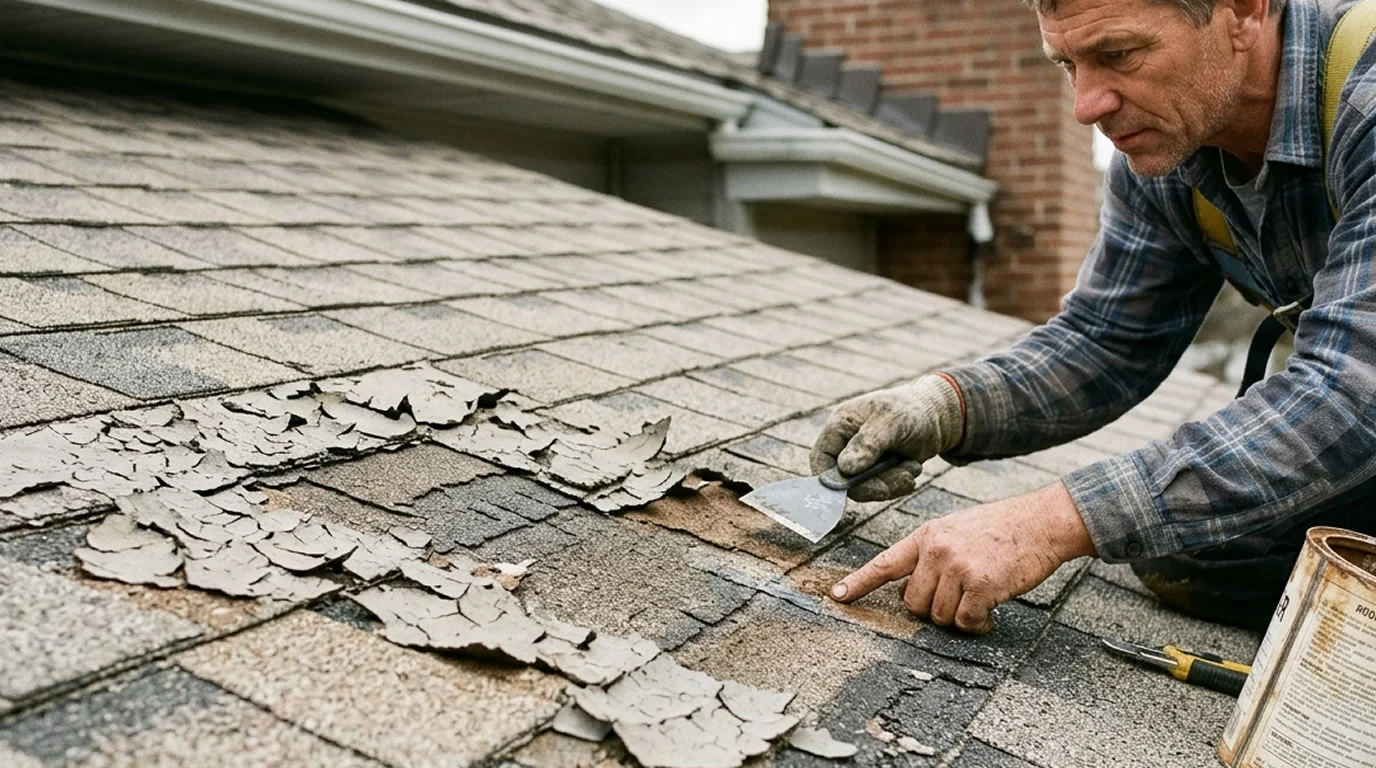
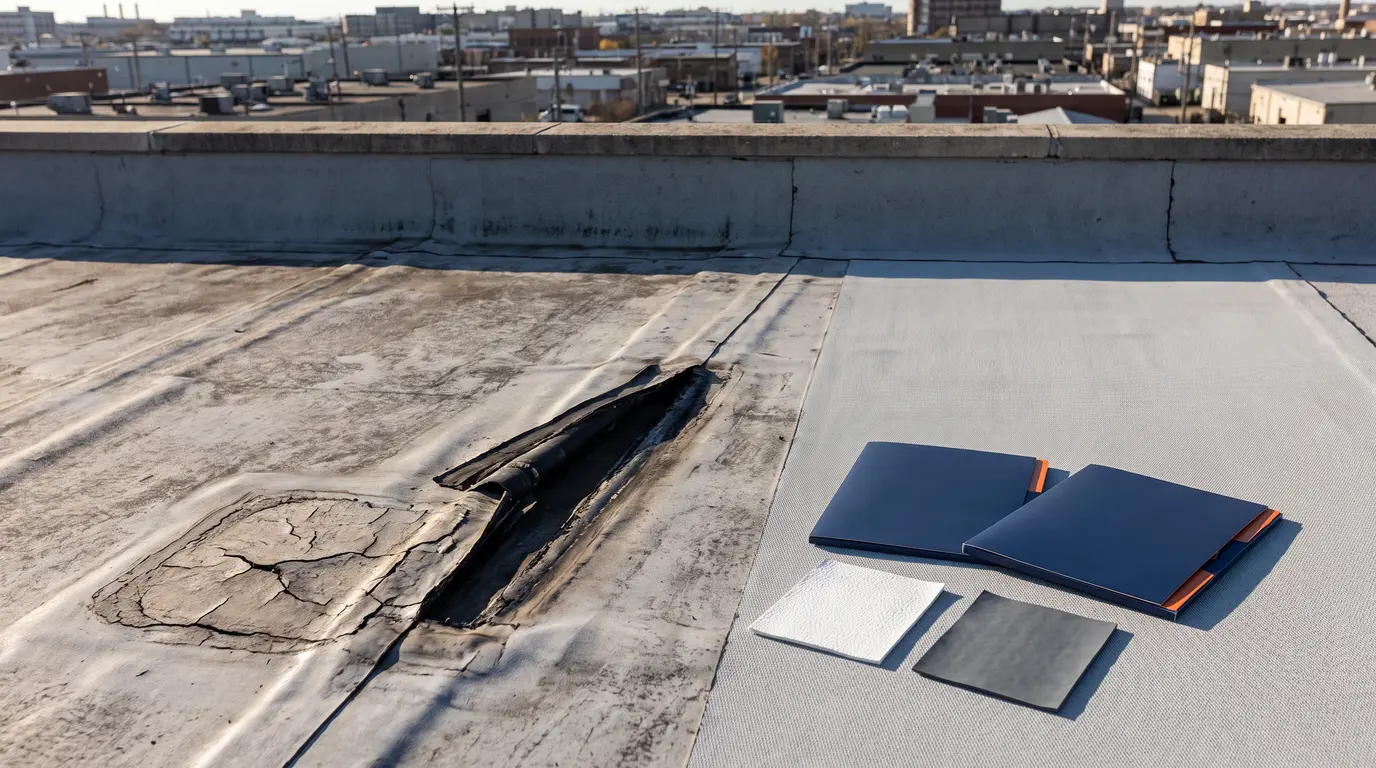
A damaged roof is much more than just an aesthetic issue. It protects your home and everything inside it from weather, pests, and environmental damage. Ignoring even minor signs of roof problems can result in serious long-term consequences that are both costly and stressful. Homeowners often underestimate how quickly small issues like leaks, missing shingles, or minor water stains can escalate into expensive repairs. In this guide, we will break down the hidden costs of delaying roof maintenance and repair, helping you understand why timely attention can save you money, protect your family, and preserve your property’s value.
Structural Damage
Ignoring roof damage can lead to severe structural issues that compromise the safety and stability of your home. Roofs are designed to protect the structural framework of a house, and even small leaks or damaged shingles can allow water to penetrate the underlying layers. Over time, this can weaken the roof deck, ceilings, and walls, causing sagging, cracking, or even partial collapse in extreme cases.
- Water damage to the roof deck can weaken wood and support beams, compromising the entire structure.
- Leaks that infiltrate ceilings and walls may result in peeling paint, stains, sagging drywall, and weakened plaster.
- Continuous water intrusion can reach the foundation, causing cracks, settling, and potential long-term structural issues.
- Minor repairs delayed can escalate into extensive and more expensive reconstruction projects.
Mold and Mildew Growth
Moisture trapped by roof leaks provides the perfect environment for mold and mildew, which can spread quickly and become costly to remove. Beyond the financial implications, mold growth poses serious health risks to you and your family.
- Mold spores can trigger allergies, asthma attacks, and other respiratory problems, particularly in children and elderly individuals.
- Hidden mold may grow in attics, insulation, or behind walls, often remaining undetected until significant damage occurs.
- Remediation costs for extensive mold infestations can be high and involve professional removal and repairs.
- Mold problems can decrease your property value, making it harder to sell or insure your home.
Energy Inefficiency
A compromised roof can reduce the efficiency of your home’s insulation, forcing heating and cooling systems to work harder. This can result in higher utility bills and added strain on HVAC systems, increasing the likelihood of breakdowns and additional repair costs.
- Gaps, missing shingles, or damaged flashing allow heat to escape during winter and let hot air in during summer.
- Poor ventilation or water damage can lead to uneven indoor temperatures, reducing comfort.
- Increased energy consumption drives up monthly utility bills and creates unnecessary expenses.
- Overworked HVAC systems may experience reduced lifespan and require earlier repairs or replacement.
Pest Infestations
A roof that has been neglected becomes an entry point for various pests, including rodents, insects, and birds. Pests are not just a nuisance; they can further damage your roof and home, creating more costs for repairs and control.
- Rodents such as mice and rats can chew through wiring, insulation, and structural elements, leading to expensive repairs.
- Insects like termites, ants, and bees can nest in damp or weakened areas, accelerating wood decay and interior damage.
- Birds and squirrels can tear up shingles, flashing, or gutters, causing additional leaks and maintenance problems.
- Professional pest control, combined with roof repairs, can become a significant financial burden if infestations are left unchecked.
Decreased Home Value
A damaged roof not only affects safety and function but also significantly impacts your home’s market value. Buyers and appraisers pay close attention to the condition of the roof, and deferred maintenance can make your home less appealing.
- Missing shingles, sagging areas, and water stains reduce the visual appeal and curbside attractiveness of your property.
- Roof damage often appears in home inspections, discouraging potential buyers or lowering offers.
- Insurance companies may increase premiums or place restrictions if a roof is poorly maintained.
- Delayed repairs often result in the need for a full roof replacement sooner than expected, reducing your return on investment.
Safety Hazards
A deteriorating roof presents serious safety risks. Neglecting repairs can put your family, pets, and visitors in danger, and it can create hazardous conditions both inside and outside your home.
- Loose shingles, tiles, or debris can fall and injure anyone on or near your property.
- Water accumulation and weakened areas may lead to partial roof collapse, particularly during storms or heavy snow.
- Leaks and water damage can make floors slippery and increase the risk of falls inside your home.
- Water reaching electrical wiring can cause electrical shocks, short circuits, or even fires.
Insurance Complications
Failing to maintain your roof properly can result in denied insurance claims or higher out-of-pocket expenses. Insurance companies expect homeowners to address minor issues before they escalate.
- Many policies do not cover damage resulting from neglect or deferred maintenance.
- Roof damage that is not promptly addressed may lead to higher deductibles or lower settlement amounts.
- Insurance adjusters may reduce or deny claims if it appears that damage could have been prevented through regular maintenance.
- In extreme cases, long-term neglect can result in complete denial of a claim, leaving homeowners responsible for all repair costs.
Additional Maintenance Costs
Postponing roof repairs often results in repeated and more expensive maintenance. What could have been a minor repair becomes a major project requiring professional expertise and significant financial investment.
- Temporary fixes may fail over time, causing recurring leaks and damage.
- Ignored damage often multiplies, requiring multiple visits from contractors and increased labor costs.
- Emergency or rush repairs are typically more expensive than scheduled maintenance.
- Deferred repairs shorten the lifespan of your roof, eventually forcing an earlier and more costly replacement.
How to Avoid Hidden Costs
The best strategy to avoid these hidden costs is proactive maintenance and timely repairs. Keeping your roof in good condition not only protects your home but also saves you money and stress over the long term.
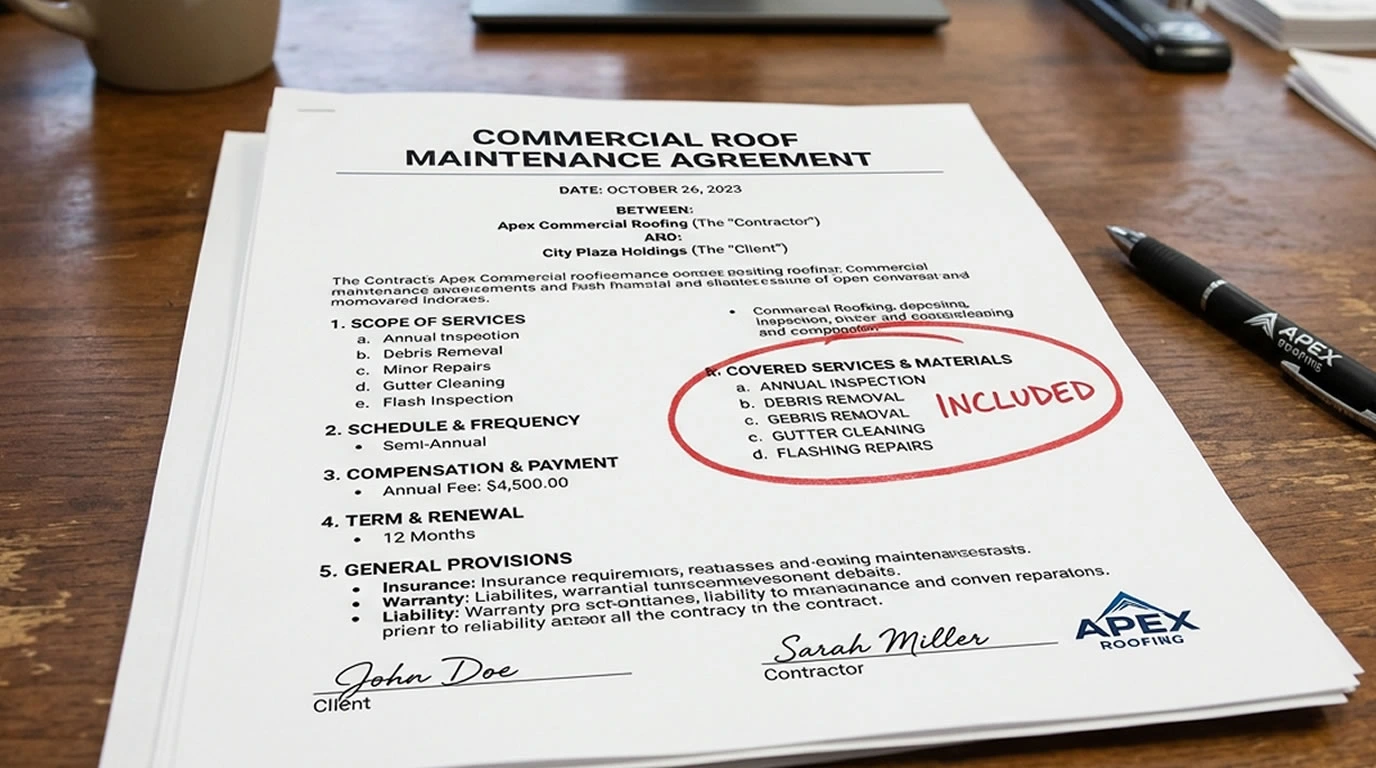
- Schedule regular roof inspections at least twice a year and after significant weather events.
- Address minor issues promptly to prevent them from escalating into major problems.
- Hire professional roofing contractors to ensure repairs are completed correctly and last longer.
- Maintain gutters and drainage systems to prevent water accumulation and leaks.
- Document all inspections, repairs, and maintenance for insurance purposes and future resale.
Final Thoughts
Delaying roof repairs may seem convenient, but the hidden costs can quickly outweigh the expense of timely action. From structural damage and mold growth to energy inefficiency, pest infestations, and insurance complications, ignoring roof problems can lead to serious financial, safety, and health consequences. Proactive inspections, regular maintenance, and timely professional repairs are essential for protecting your home and ensuring long-term peace of mind. Acting early preserves both your investment and the safety of your family, making it one of the smartest decisions a homeowner can make. If you would like to find out how much it would cost to repair or replace your roof you can use our free roof cost calculator.