Your roof is one of the most important parts of your home. It protects your family, your belongings, and your investment. Unfortunately, this also makes it a prime target for scammers. Every year, thousands of homeowners fall victim to roofing scams, paying thousands of dollars for shoddy work, or nothing at all.
In this guide, we will break down the most common roofing scams, how to recognize them, and the steps you can take to protect yourself. Knowledge is your best defense, and understanding how scammers operate will give you the confidence to make safe, smart decisions when hiring a roofing contractor.
If you are looking to repair or replace your roof you can view top rated roofers near you on our website or you can also get a free estimate of what it would cost to repair your roof by using our roofing cost calculator.
Why Roofing Scams Happen
Roofing is expensive, complex, and often urgent. When a storm hits, homeowners may panic, seeking immediate repairs. Scammers exploit this stress by offering quick fixes, demanding upfront payments, or using high-pressure tactics.
Older homeowners, those unfamiliar with roofing, or people facing emergency damage are especially vulnerable. By educating yourself on typical scams and warning signs, you can avoid costly mistakes.
Common Roofing Scams
Here are some of the most frequently reported scams homeowners encounter:
1. Storm Chaser Scams
Scammers follow severe weather events, approaching homeowners with offers for immediate repairs.
How it works:
- They knock on doors claiming they just repaired a nearby home
- Offer steep discounts for “today only”
- Pressure you into signing contracts immediately
Warning signs:
- No local business license or address
- Only take cash or prepaid cards
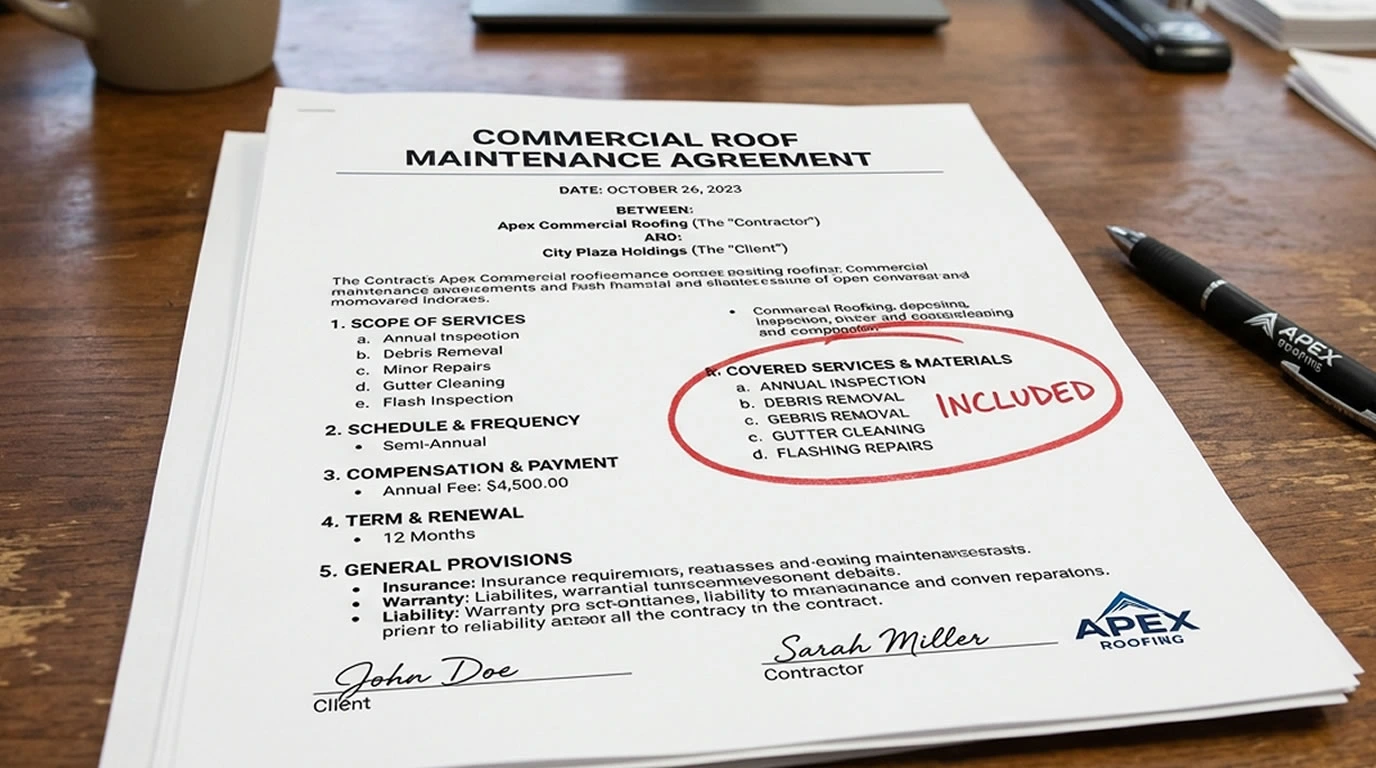
- No written estimates or contracts
Avoidance tips:
- Research contractors in advance
- Ask for references and verify local business registration
- Never pay in full upfront
2. Upfront Payment Scams
Some contractors demand large upfront payments and then disappear, leaving your roof unfinished.
Warning signs:
- Requests for full payment before work begins
- Pressure to pay cash or via wire transfer
- Vague or incomplete contracts
Avoidance tips:
- Never pay more than 10–20 percent upfront
- Set payment milestones tied to completed work
- Keep receipts and use secure payment methods
3. Overpriced or Unnecessary Repairs
Scammers may exaggerate damage or suggest repairs your roof doesn’t need.
How it works:
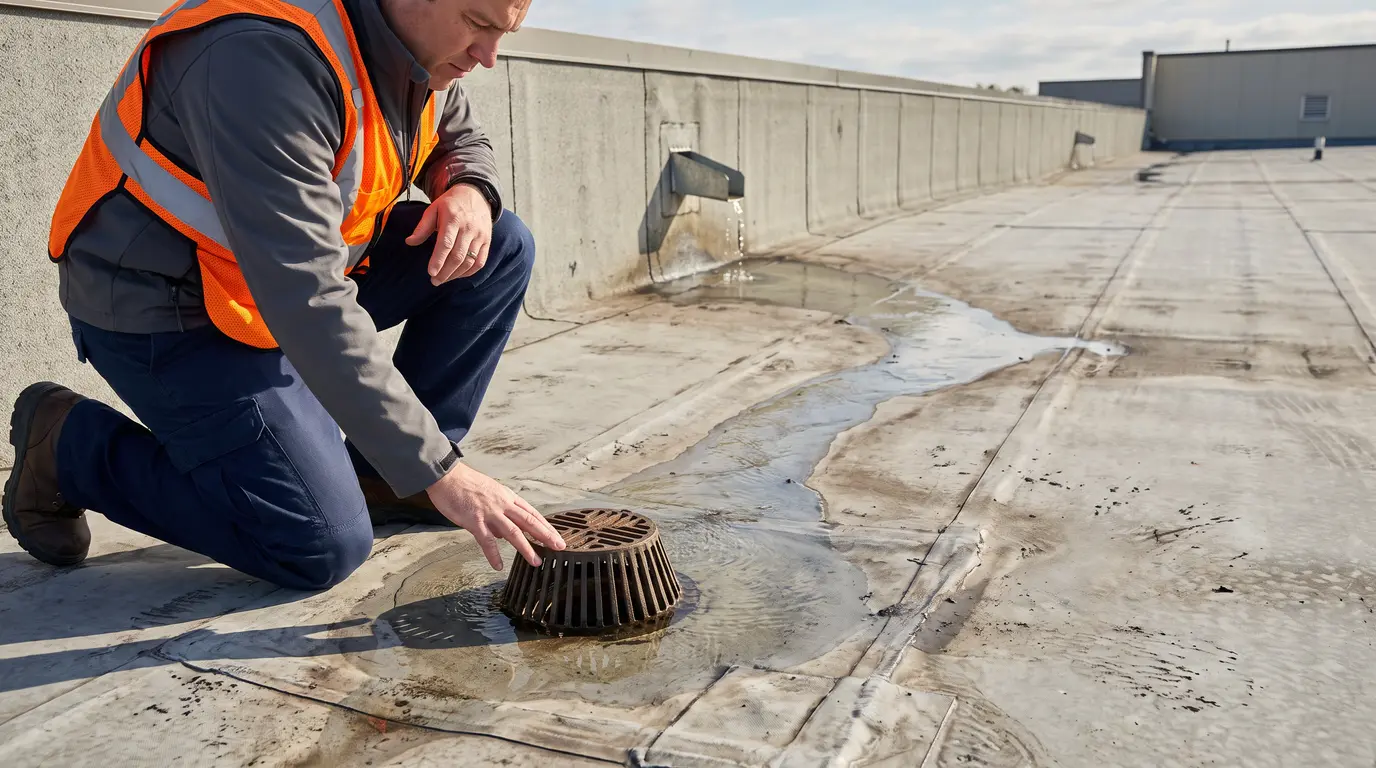
- They point out minor issues and call them urgent
- Suggest full replacement when only a partial repair is needed
- Use technical jargon to confuse you
Avoidance tips:
- Get at least three estimates from reputable roofers
- Ask for detailed explanations and materials lists
- Consult a roofing inspector for a second opinion
4. Insurance Fraud Scams
Fraudulent contractors may pressure homeowners into filing false insurance claims or exaggerating damage.
Warning signs:
- Encouraging you to claim pre-existing damage
- Suggesting they handle your insurance claim exclusively
- Asking for your insurance information to “speed things up”
Avoidance tips:
- File your own claim and notify your insurance provider
- Never sign documents you don’t understand
- Report suspicious contractors to your insurance company
5. Low-Quality Materials and Substandard Work
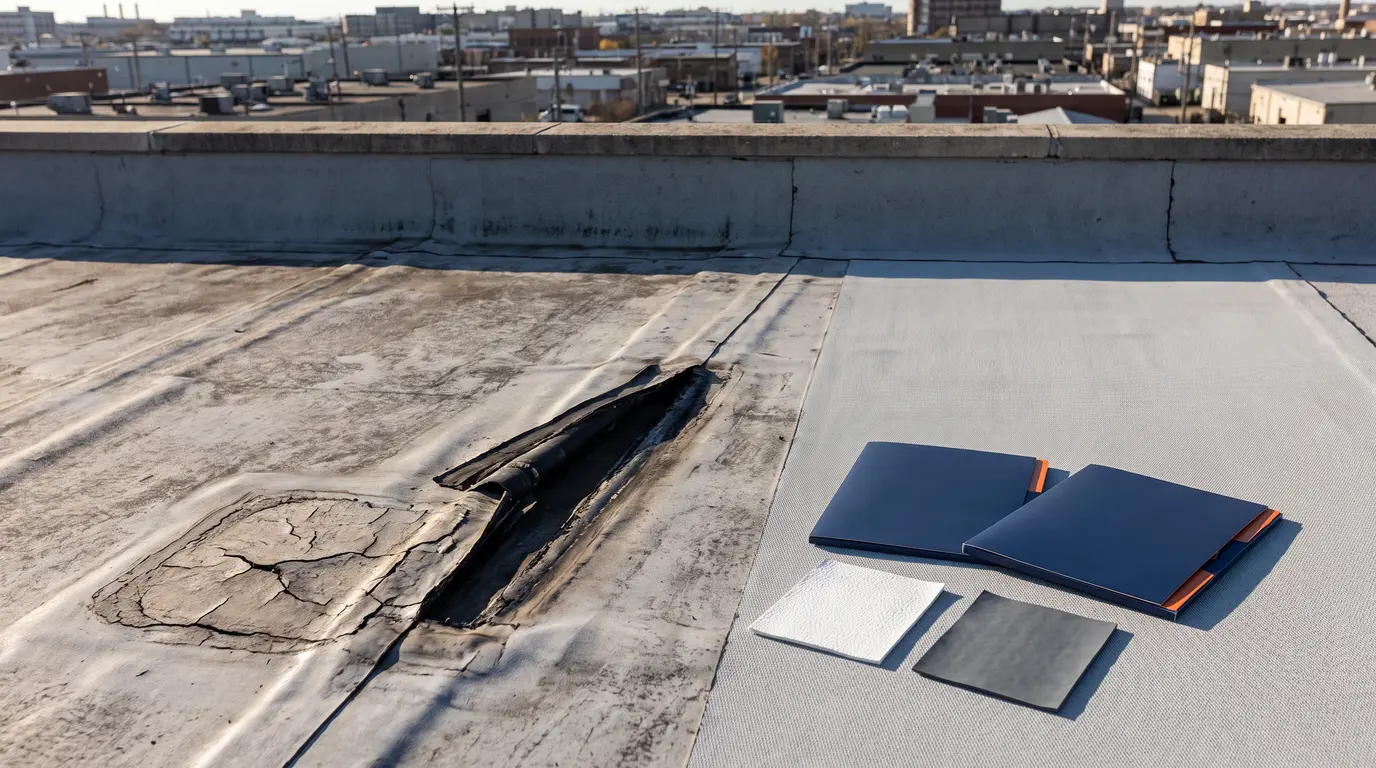
Some scammers use cheap materials or skip important steps, leading to leaks, rot, or structural damage.
Warning signs:
- Extremely low bids compared to other contractors
- No warranty or guarantees provided
- No written contract or vague terms
Avoidance tips:
- Verify product brands and certifications
- Ensure the contractor provides a written warranty
- Check reviews and past project photos
Red Flags to Watch For
Even outside specific scams, there are warning signs that can indicate trouble:
- Contractors who appear right after a storm without marketing or local presence
- Pressure to sign contracts immediately
- No verifiable license, insurance, or references
- Requests for large cash payments upfront
- Contracts lacking details on materials, labor, and timelines
- Promises of unusually fast repairs at unusually low prices
Steps to Protect Yourself
Being proactive is the best defense against roofing scams. Here are strategies to keep you safe:
1. Research Contractors
- Check state licensing boards and local Better Business Bureau ratings
- Ask for references and follow up with past clients
- Look for online reviews and verified photos of completed work
2. Get Multiple Estimates
- Obtain at least three written estimates
- Compare materials, labor costs, and warranties
- Beware of extreme differences—too cheap or too expensive could indicate a scam
3. Verify Insurance and Licensing
- Confirm contractor insurance covers liability and worker’s compensation
- Ensure roofing licenses are current and valid
- Ask for proof before work begins
4. Protect Your Finances
- Avoid large upfront payments
- Use secure, traceable payment methods
- Keep receipts and contracts in a safe place
5. Document Everything
- Take photos before, during, and after the work
- Keep copies of contracts, invoices, and communications
- Record dates, times, and the names of anyone who works on your roof
6. Communicate With Your Insurance Provider
- Notify your insurer immediately after damage occurs
- Avoid letting contractors handle your claim entirely
- Provide your own documentation to strengthen your case
Recognizing Pressure Tactics
Scammers often rely on urgency to get homeowners to make mistakes. Watch for:
- “Sign today or lose your discount”
- “Your insurance will only cover this if we act now”
- “We just finished another house on your street”
Always take time to review estimates, check credentials, and speak with multiple contractors. Legitimate roofers understand the need for careful decision-making.
How to Verify a Roofing Contractor
Here are some concrete steps to ensure you are hiring a trustworthy professional:
- Confirm the contractor has a physical office and local presence
- Check for proper licensing and insurance coverage
- Verify references and past project photos
- Ask for detailed written contracts including materials, labor, start and end dates, and warranties
- Research the contractor online for reviews, complaints, or scams
Common Mistakes Homeowners Make
Even cautious homeowners sometimes fall prey to scams. Avoid these errors:
- Hiring the first contractor who shows up after a storm
- Paying in full upfront
- Failing to get multiple written estimates
- Not documenting damage or repairs
- Letting contractors handle insurance claims without oversight
Being vigilant and informed prevents many of the most common issues.
When to Call Authorities
If you suspect a roofing scam:
- Contact your state licensing board
- File a complaint with your local Better Business Bureau
- Notify your insurance company
- If you were defrauded, contact local law enforcement
Quick reporting helps protect you and prevents scammers from targeting other homeowners.
Final Thoughts
Roofing scams are unfortunately common, but homeowners who know what to watch for, research their contractors, and document every step are much less likely to be victims.
Remember:
- Scammers rely on urgency, fear, and confusion
- Always verify licenses, insurance, and references
- Keep detailed records and multiple estimates
- Communicate directly with your insurance provider
By staying informed, cautious, and methodical, you can protect your home, your family, and your wallet from roofing scams.