Your roof is one of the most valuable investments in your home. It protects your structure, belongings, and loved ones from rain, wind, snow, and sun. But like anything exposed to the elements year after year, your roof requires attention to last as long as possible.
While many roofing materials are designed to last 20, 30, or even 100 years, those numbers assume regular maintenance and care. Without it, even a brand-new roof can suffer premature damage, expensive repairs, or complete failure. If you’re curious how long different roof types typically last under ideal conditions, check out our complete guide on how long a roof will last for lifespan estimates by material.
This guide offers actionable, proven tips to extend the life of your roof. Whether you have asphalt shingles, metal panels, wood shakes, tile, or slate, these roof maintenance practices will help maximize its lifespan and save you thousands in long-term costs.
Why Roof Maintenance Matters
Roofs are constantly exposed to harsh weather, ultraviolet rays, temperature swings, moisture, and organic debris. Over time, these factors wear down your roofing system. Preventive maintenance reduces the rate of deterioration, identifies small issues before they escalate, and protects your roof’s structural integrity.
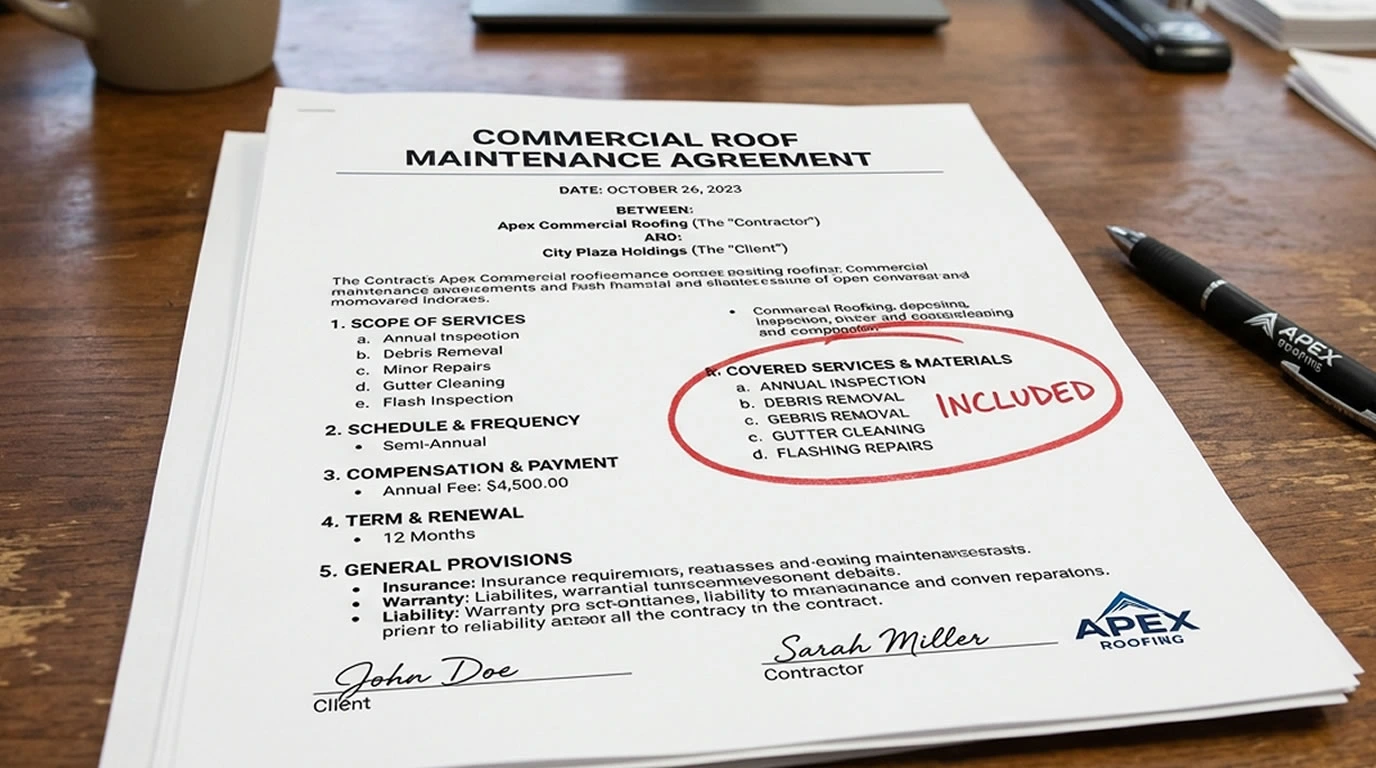
Routine care is especially important because many roofing warranties require proof of regular maintenance to remain valid. Neglecting your roof could void your coverage, leaving you responsible for full replacement costs.
Tip 1: Schedule Yearly Roof Inspections (and After Major Storms)
Annual roof inspections are one of the most effective ways to catch early signs of wear and tear. A professional roofer can identify hidden leaks, structural weaknesses, cracked shingles, loose flashing, and early signs of moisture damage long before they’re visible to homeowners.
Why yearly inspections are important:
- Detect and fix small issues before they lead to major repairs
- Monitor aging materials over time
- Verify ventilation and flashing are intact
- Comply with warranty and insurance conditions
When to schedule roof inspections:
- Once a year (spring or fall are ideal)
- After hailstorms, hurricanes, or heavy snow
- If you notice leaks, missing shingles, or debris after bad weather
Bonus tip: Always get a roof inspection before buying or selling a home. A professional report can influence negotiations and save future headaches. You can find roof inspection specialist on our website.
Tip 2: Remove Debris, Leaves, and Branches from the Roof Surface
One of the easiest and most overlooked ways to extend your roof’s life is to keep it clean. Debris buildup from leaves, twigs, and branches can trap moisture, block drainage paths, and cause mold and algae to grow.
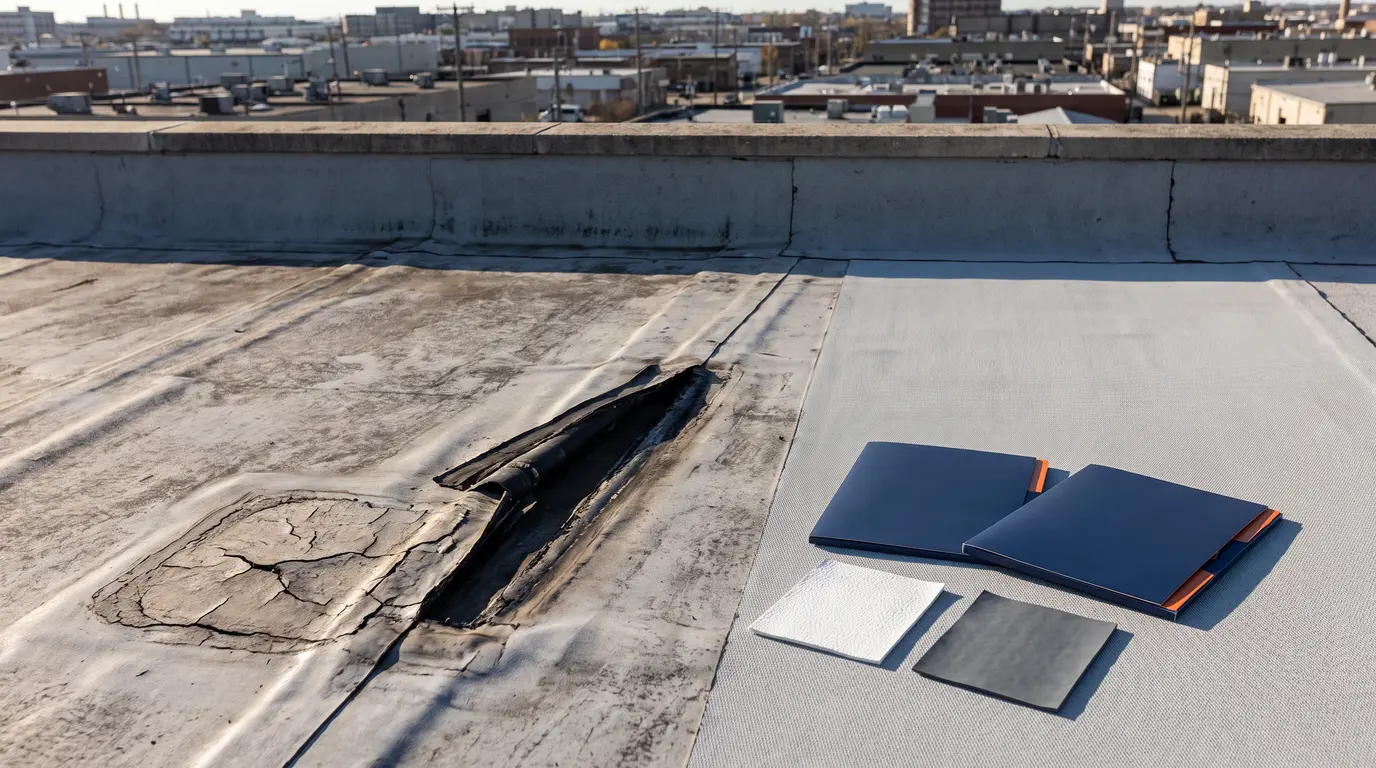
Flat and low-slope roofs are particularly prone to debris accumulation, but even pitched roofs can collect organic material in valleys and around chimneys.
Problems caused by debris:
- Retains moisture and accelerates decay
- Promotes moss and mold growth
- Clogs gutters and downspouts
- Hides damage that needs attention
Best practices for roof cleaning:
- Use a soft broom or leaf blower (never pressure wash)
- Wear non-slip shoes and use proper fall protection if DIY
- Hire a roof cleaning professional for steep or complex roofs
Aim to clean your roof at least twice a year. In areas with heavy tree cover, seasonal cleaning may be necessary every few months.
Tip 3: Clean Gutters Regularly to Prevent Water Damage
Clogged gutters are one of the leading causes of roof water damage. When gutters overflow, water backs up under the shingles and rots the underlying roof deck. It can also cause ice dams in colder climates, which lead to leaks and structural problems.
Signs of gutter problems:
- Water spilling over the sides during rain
- Sagging or pulling gutters
- Visible plant growth or nesting
- Stains or mildew on siding near the gutters
How often to clean your gutters:
- At least twice a year (spring and fall)
- More frequently if you have pine trees or heavy leaf drop
- After major storms or wind events
Consider installing gutter guards or leaf screens to reduce debris buildup. Just remember these need periodic maintenance as well.
Tip 4: Replace Damaged or Missing Shingles Promptly
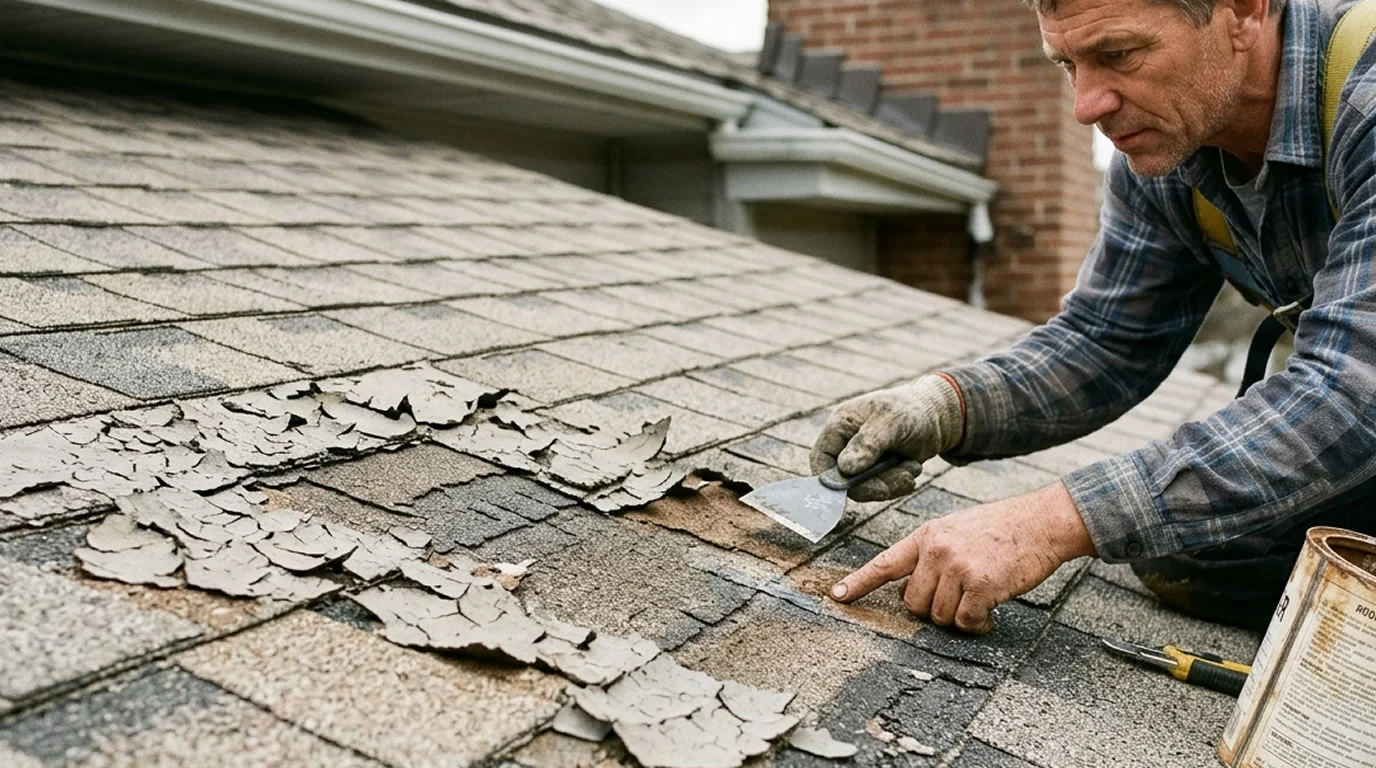
Missing, cracked, curled, or buckled shingles may seem minor, but they expose your roof’s underlayment and sheathing to water infiltration and wind damage. Over time, this leads to wood rot, mold, and leaks that can travel to your attic, walls, and ceilings.
What causes shingle damage:
- Hail impacts and falling debris
- High winds lifting edges
- UV degradation causing drying and cracking
- Thermal expansion and contraction
Why prompt replacement is essential:
- Prevents leaks from spreading
- Maintains waterproof integrity
- Extends the life of surrounding shingles
- Preserves appearance and resale value
If you’re unsure about a single damaged area, a professional roofer can inspect the entire roof and recommend whether spot repairs or full replacement is the best option.
Tip 5: Check for Signs of Moss, Algae, and Mold
Organic growth on your roof is more than just an eyesore. Moss and algae can hold moisture against the surface, weakening the shingles and deteriorating materials over time. Mold, on the other hand, is often a sign of moisture infiltration and may spread beneath the surface.
Where moss and algae thrive:
- Shaded areas with poor sunlight exposure
- Roofs in humid or forested regions
- Surfaces where leaves and debris collect
Dangers of letting growth spread:
- Accelerates deterioration of shingles and tiles
- Lifts shingles, allowing water underneath
- Shortens the lifespan of underlayment
- Leads to roof leaks and structural damage
Safe removal methods:
- Use a zinc or copper-based moss remover approved for roofing
- Avoid harsh chemicals or power washers
- Install zinc or copper strips near roof ridges to prevent regrowth
Routine cleaning and trimming surrounding trees will help prevent future outbreaks.
Tip 6: Trim Overhanging Trees and Branches
Trees are beautiful and provide shade, but overhanging limbs can be a serious threat to your roof. They drop leaves and branches, scratch and wear shingles, and provide easy access for squirrels and other critters to reach your attic.
Problems caused by overhanging trees:
- Physical damage from branches during windstorms
- Buildup of leaves, pine needles, and debris
- Excess shade that encourages mold and moss
- Easy access for rodents, raccoons, or birds
What to do:
- Trim limbs at least six to ten feet away from the roof
- Keep trees healthy to avoid sudden limb loss
- Hire a certified arborist or tree trimming service if the branches are large or close to power lines
In wildfire-prone regions, trimming trees away from your roof is also critical for fire safety and code compliance.
Tip 7: Ensure Proper Attic Ventilation and Insulation
A well-ventilated attic is one of the most overlooked elements of roof longevity. Without adequate airflow, heat and moisture become trapped, leading to structural damage, increased utility costs, and even premature shingle failure.
Signs of poor ventilation:
- Ice dams in winter
- Hot, humid attic during summer
- Mold or mildew in rafters or insulation
- High energy bills
Why ventilation matters:
- Regulates temperature and moisture year-round
- Prevents condensation and wood rot
- Protects shingles from warping due to trapped heat
Your attic should have balanced intake (soffit) and exhaust (ridge or gable) vents to create a continuous airflow path. Insulation is also key for thermal efficiency and moisture control.
Have a roofing or HVAC professional assess your attic if you suspect poor airflow.
Bonus Tip: Document Roof Repairs and Maintenance
Keeping a record of every roof inspection, cleaning, repair, and replacement is valuable for multiple reasons:
- Proves roof maintenance for warranty claims
- Provides evidence during home sales or appraisals
- Helps you track recurring issues or problem areas
- Establishes a relationship with local roofing pros
Include invoices, photos, inspection reports, and a maintenance calendar in your records. If your looking for a roofer who specializes in roof repair you can always browse local roofers on our site.
Final Thoughts: Make Roof Longevity a Priority
Extending the life of your roof is not complicated. With regular inspections, timely repairs, and simple seasonal maintenance, you can avoid costly emergencies and stretch your roof’s lifespan well beyond the average.
Even the highest-quality roof won’t reach its full potential if neglected. Use these tips to protect your investment, reduce long-term costs, and maintain the safety and value of your home.
If you’re unsure where your roof stands today, schedule a professional inspection to get a full report on its condition and next steps.