When water is entering an apartment, the property manager’s first decision is not how to patch the roof. It is how to protect people, limit additional damage, and create a clear record of what happened. Secure the affected area, keep residents and staff away from electrical or structural hazards, arrange qualified emergency help, begin drying wet materials, and communicate the next steps.
A visible ceiling leak may come from a roof area, rooftop equipment, a drain, a pipe, or condensation. The location of the interior stain does not necessarily identify the source or the full extent of the damage. Treat the response as a life safety and building protection event, then follow up with a proper source investigation and permanent repair.
Apartment Roof Leak Response at a Glance
| Response stage | Manager action | Main reason | Evidence |
|---|---|---|---|
| Protect people and isolate hazards | Keep occupants away from wet electrical areas, unsafe ceilings, and unsafe roof access. Obtain qualified electrical help where needed. | Reduce electrical, fall, and building safety risks | Electrical safety guidance |
| Control the water source | Contact the appropriate emergency roofing or building services vendor and arrange safe temporary stabilization. | Limit continuing water entry while permanent diagnosis is pending | Water damage and emergency repair guidance |
| Protect the unit and contents | Use safe containment, move belongings where possible, and restrict affected areas. | Reduce secondary property damage and slip exposure | Water damage guidance |
| Dry and assess materials | Begin water extraction and drying promptly. Monitor affected materials and escalate when drying is unsuccessful. | Help limit mold growth and identify materials needing removal | Water damage and moisture monitoring guidance |
| Document and communicate | Photograph conditions, log actions and costs, and provide residents with status updates through reliable channels. | Support coordination, claims handling, accountability, and resident understanding | Communication and damage documentation guidance |
This sequence is a response framework, not a legal deadline or a substitute for the property’s emergency plan. The 24 to 48 hour reference for drying applies to clean water damage and is a guideline, not a guarantee that mold will or will not develop.
1. Protect Residents and Staff First
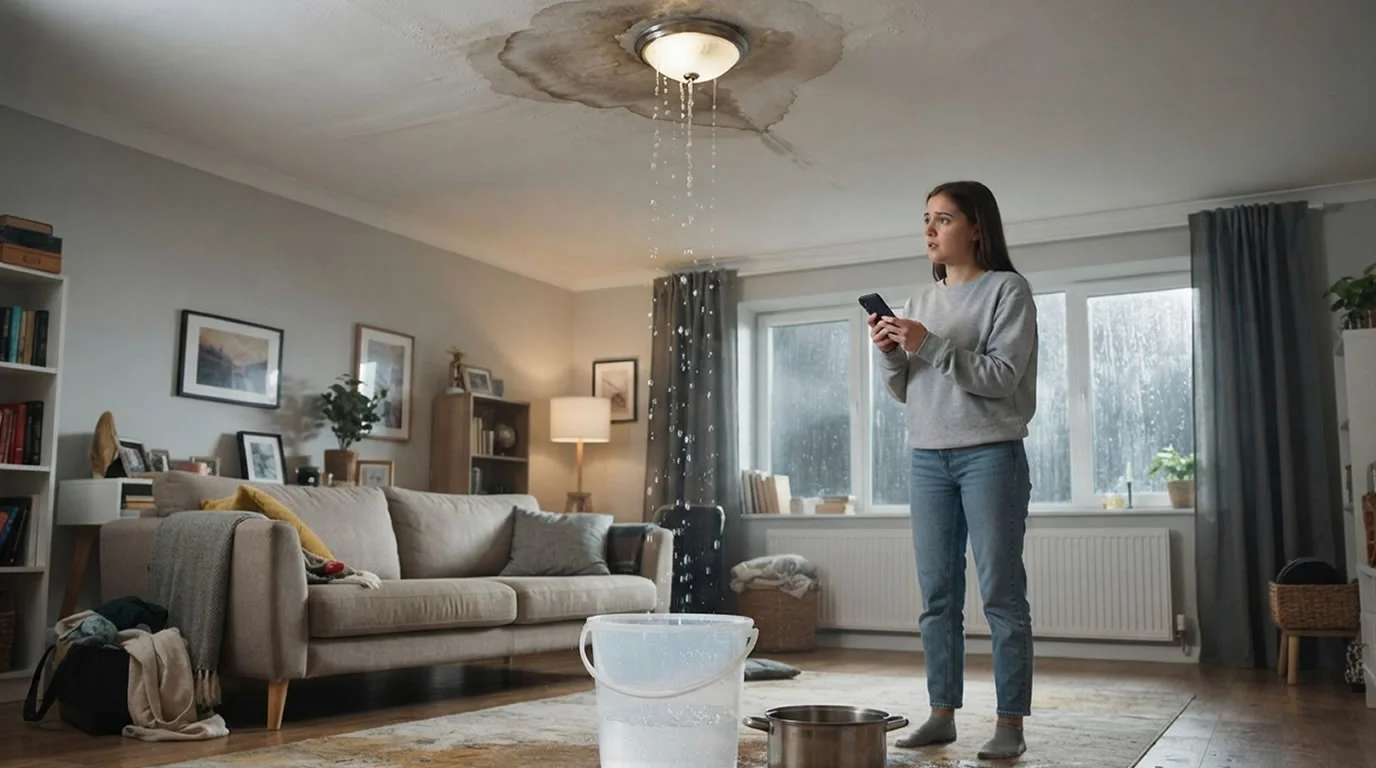
Start by identifying immediate hazards in the apartment, hallway, common area, or other affected space. Keep people away from active dripping, unstable ceiling materials, falling debris, slippery floors, and any roof access area that is unsafe because of rain, wind, lightning, or other conditions.
Water near outlets, fixtures, electrical panels, appliances, wiring, or other energized equipment can create an electrical hazard. Do not ask residents or untrained staff to touch wet equipment, reset a breaker in a wet area, or enter a wet electrical space. Isolate the area and contact a qualified electrician or emergency service provider. The correct shutdown method depends on the building’s electrical layout and whether power serves elevators, fire alarms, medical equipment, or other essential systems. Guidance from OSHA’s Hazards and Precautions guidance supports keeping electrical work with properly trained or qualified workers.
Use barriers, warning signs, buckets, towels, or other containment measures only when they can be placed safely. Move residents and belongings away from the affected area when possible, but do not create additional exposure by asking staff to work beneath an unstable ceiling or to climb onto a wet roof.
2. Control the Source Without Assuming the Cause
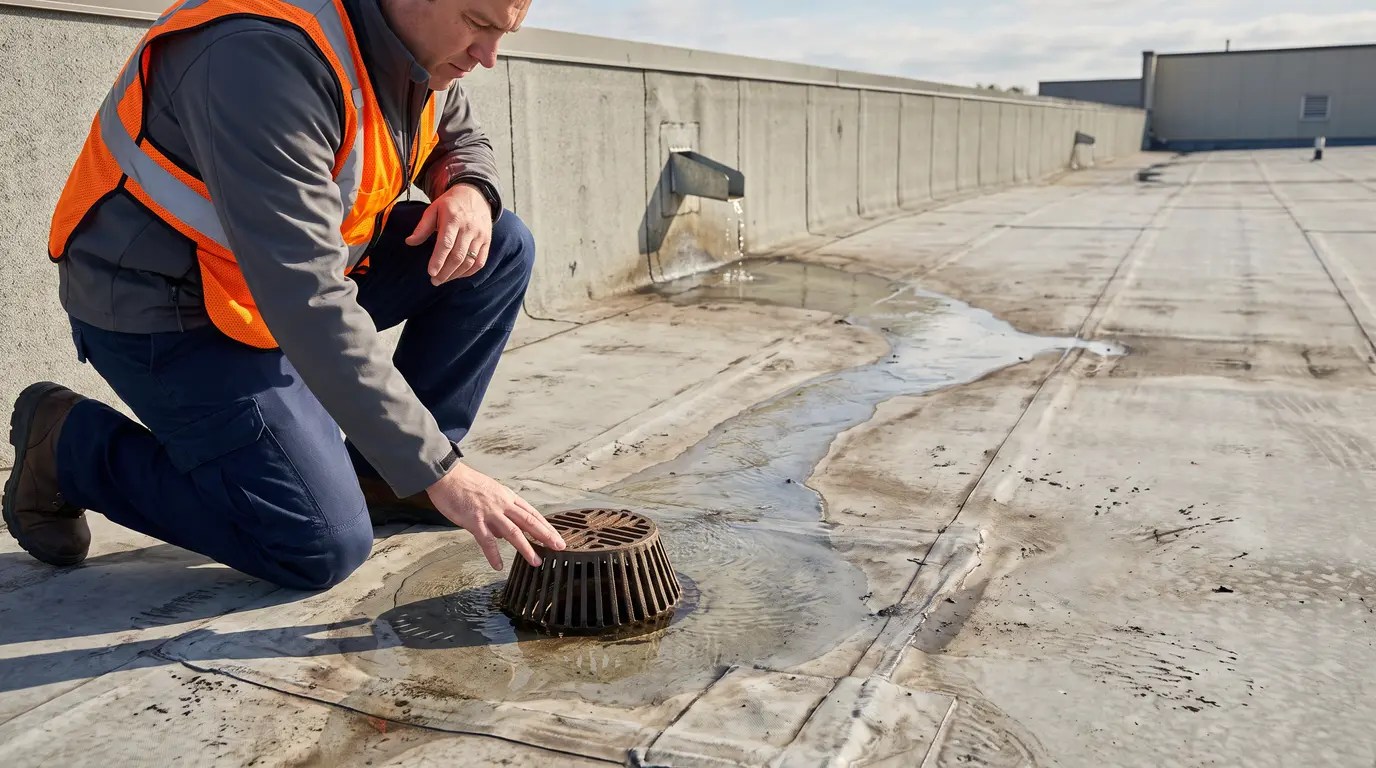
Contact the emergency roofing vendor or the building services vendor identified in the property’s response plan. Ask for safe temporary stabilization and a written description of the suspected source. A temporary covering or other emergency measure can limit water entry, but it does not prove that the permanent leak cause has been corrected.
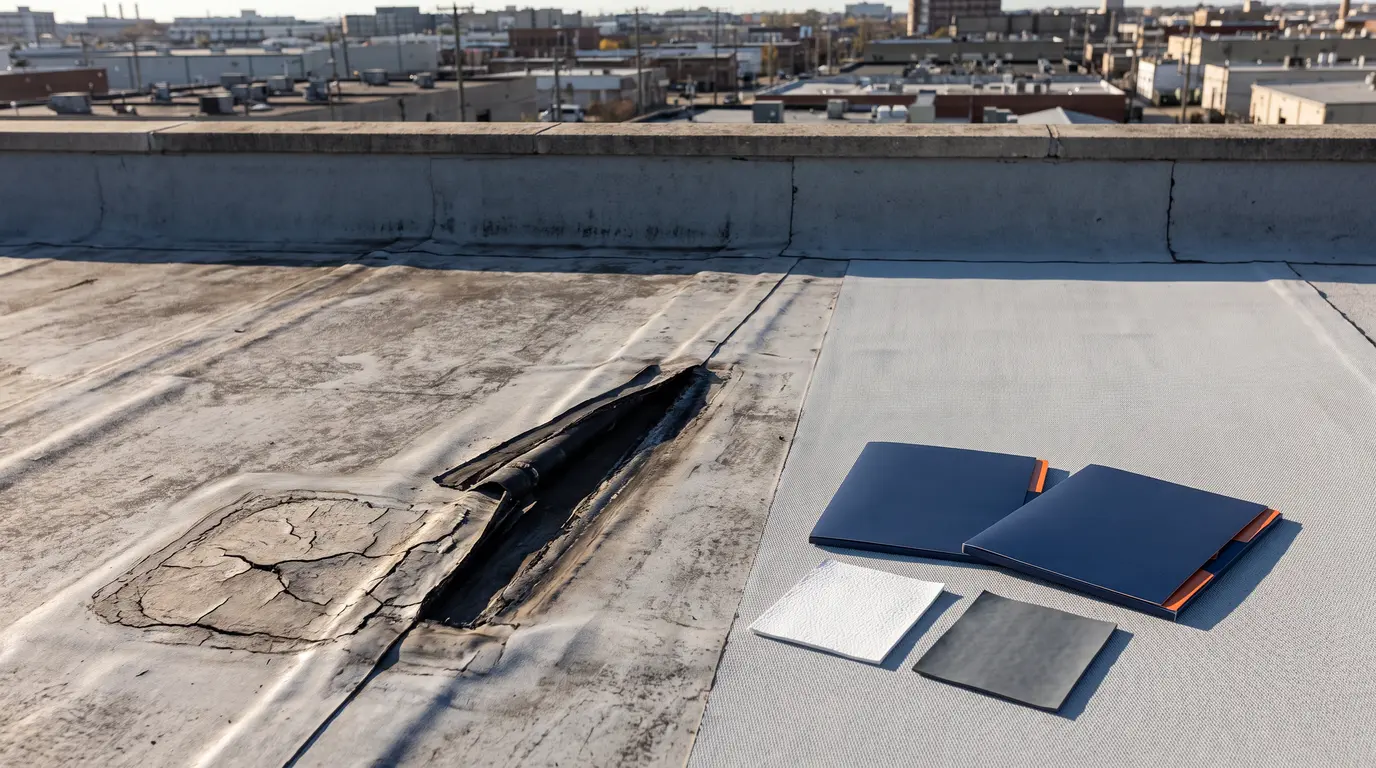
When the source is uncertain, coordinate the right trades instead of assigning the problem to roofing automatically. A ceiling stain below a roof area may also relate to a rooftop unit, plumbing, a drain, or condensation. Ask the vendor report to separate the suspected source, emergency stabilization, interior drying, materials removed, and permanent repair that remains necessary.
3. Protect the Apartment and Start Drying
Once the area is safe, arrange water extraction and drying as soon as practical. Record when equipment arrived, where it was placed, and when it was removed. Track affected rooms, ceiling and wall materials, flooring, furnishings, odors, visible mold, and any moisture readings used to monitor progress.
For clean water damage, EPA guidance recommends responding within 24 to 48 hours to help prevent mold growth. This is a guideline rather than a guarantee. Sewage, floodwater, or other contaminated water requires different precautions and professional evaluation. Porous materials such as carpet, wallboard, furnishings, and some ceiling materials may need different treatment, removal, or restoration assistance.
If water has been present longer than 24 to 48 hours, visible mold is present, or materials cannot be dried, obtain appropriate restoration or remediation guidance. A moisture meter can help monitor materials such as carpet, wallboard, wood, brick, and concrete, but readings do not replace a qualified roof inspection, building assessment, or mold remediation evaluation when conditions warrant. The EPA mold and water damage guidance explains these distinctions.
4. Document Conditions Before and During Cleanup
Photograph the affected area before cleanup when it is safe to do so. Take wide and close views, identify the unit or common area, and record the date and time. Photograph both damaged and apparently undamaged surrounding areas when useful for showing the extent of the incident.
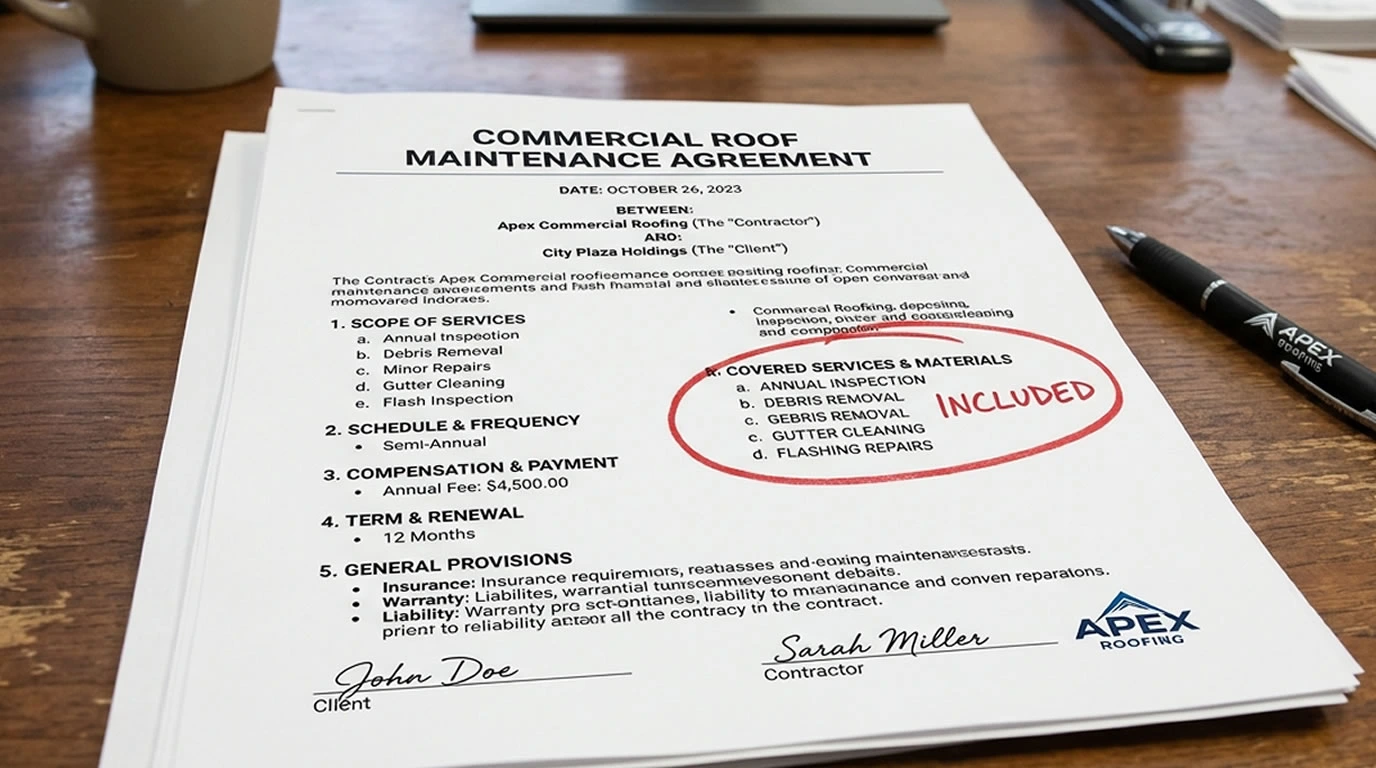
Keep the initial resident report, vendor arrival times, emergency authorization, work descriptions, drying records, invoices, material and disposal records, and communications. Notify the appropriate insurer or owner representative according to the policy and internal procedures. When practical, preserve evidence before nonessential demolition or disposal. FEMA’s NFIP Claims Manual supports detailed photographs, emergency work records, and cost tracking, but it does not determine coverage for an ordinary roof leak.
For a portfolio or a property with repeated incidents, consistent records make follow up easier. A documented system to track roof repairs across properties can help organize buildings, roof sections, vendors, costs, status, and completion records.
5. Communicate Clearly With Residents
Residents need practical information, not a technical diagnosis that has not been confirmed. Explain what happened, which areas are affected, whether access is needed, what residents should avoid, what temporary measures are in place, and when the next update will arrive.
Use more than one reliable communication channel when a critical message must reach residents. Phone, email, text messaging or group messaging, social media, and radio or walkie talkies may be options depending on what residents are most likely to receive. HUD’s Multifamily Disaster Preparedness Plan Template offers communication planning guidance for multifamily housing.
Maintain a communication log that records the initial report, contact attempts, entry notices, resident concerns, temporary accommodations if offered, work status, and the next promised update. Local law, the lease, accessibility obligations, and property procedures may control notice, entry, habitability, rent adjustments, relocation, and repair deadlines, so verify those requirements locally.
6. Move From Emergency Stabilization to Permanent Repair
After the immediate water entry is controlled, schedule a follow up inspection and confirm what permanent work remains. Compare the vendor’s findings with photographs, moisture records, affected materials, and any related plumbing or equipment assessment. Do not close the work order simply because the visible dripping has stopped.
A recurring leak may call for broader planning rather than another isolated patch. The supplied guide to building a multifamily roof inspection plan can help connect emergency records with recurring inspections, roof area information, access procedures, and follow up.
If the roof system may require phased replacement at an occupied property, review planning roof replacement for multifamily buildings as a separate capital planning step. For preliminary budgeting after stabilization, the roof cost calculator can provide an initial estimate for a potential repair or replacement project. It is not a contractor quote, insurance valuation, or specialized multifamily scope review.
Emergency repairs, temporary roof coverings, interior demolition, electrical work, and structural work may be governed by different permit procedures. Emergency status is not a universal permit exemption. Confirm requirements with the local authority having jurisdiction and the contractor. The 2023 Florida Building Code example on emergency repair administration illustrates why local verification matters, but it should not be treated as a rule for other jurisdictions.
Frequently Asked Questions
When should a roof leak trigger an electrician or water restoration contractor?
Contact a qualified electrician when water is near outlets, fixtures, panels, appliances, wiring, or other electrical equipment. Arrange water restoration assistance when wet materials need extraction and drying, when drying is unsuccessful, when water has been present longer than 24 to 48 hours, or when visible mold or contaminated water is involved.
How quickly should wet apartment materials be dried?
Begin drying promptly. For clean water damage, EPA guidance uses a 24 to 48 hour response period to help prevent mold growth. That period is a guideline, and different materials may require different treatment or removal.
Does an emergency roof repair need a permit?
There is no universal answer. Permit procedures can vary by jurisdiction and by the type of work, including temporary roof measures, interior demolition, electrical work, and structural work. Ask the contractor to confirm requirements with the local authority having jurisdiction before treating emergency status as an exemption.
The Most Useful Next Step
For an active apartment roof leak, protect people first, isolate electrical and structural hazards, control the source safely, dry affected materials, and document every action. Then use the incident record to confirm the permanent repair and strengthen the property’s inspection and emergency plan. A calm, recorded response gives residents clearer information and gives the management team a stronger basis for the work that follows.