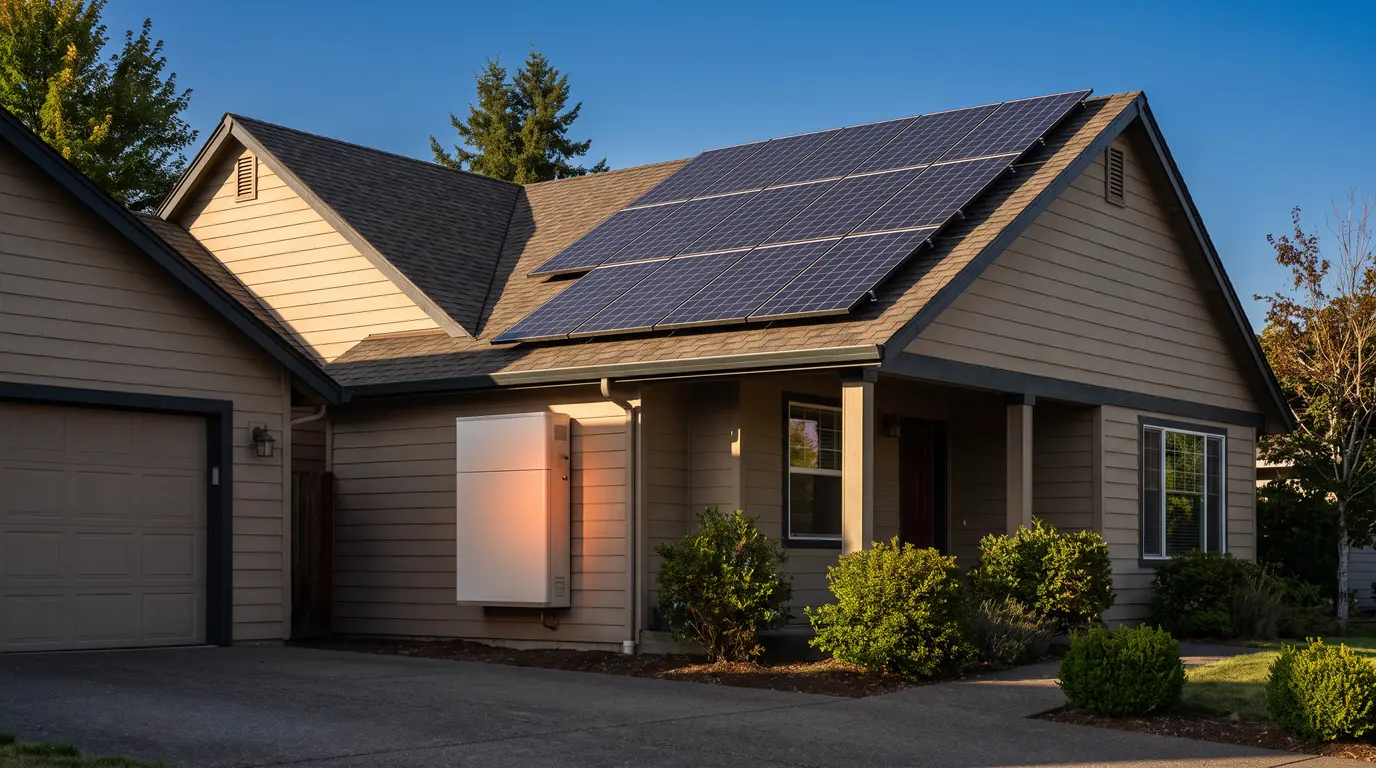
If you are considering solar panels and battery storage for your home, a realistic starting budget is in the tens of thousands of dollars before incentives. In 2026, marketplace benchmarks place a 12 kW residential solar installation at about $30,720 and a typical 13.5 kWh home battery at about $15,647. These figures are separate planning references, not a guaranteed combined price.
The final proposal can change based on your roof, electrical equipment, system size, location, labor, permits, battery configuration, and the work needed to connect the system to your home. As of the research date, homeowners should also avoid assuming that the former federal Residential Clean Energy Credit applies to new 2026 expenditures. The Internal Revenue Service guidance says the credit is not available for property placed in service or expenditures made after December 31, 2025.
Solar and Battery Cost at a Glance
| Project component | 2026 planning benchmark | Measurement basis | Important qualification |
|---|---|---|---|
| Residential solar installation | Approximately $30,720 | 12 kW installed system, before incentives | National EnergySage marketplace benchmark, not a guaranteed quote |
| Home battery installation | Approximately $15,647 | About 13.5 kWh installed storage, before incentives | Typical battery reference size; final price varies by capacity, power, equipment, and electrical work |
| Federal Residential Clean Energy Credit for new 2026 expenditures | Not available under IRS guidance | Property placed in service or expenditures made after December 31, 2025 | State, local, and utility incentives require separate verification |
The two dollar amounts should not be treated as a guaranteed combined project price. They come from different marketplace data sets and measurement bases. A combined proposal may include shared inverters, electrical equipment, design work, permitting, monitoring, and installation costs that do not appear as a simple addition of two consumer price estimates.
What Affects the Total Solar and Battery Price
Solar system size and roof conditions
A 12 kW system is a useful national benchmark, but it is not the right size for every home. The proposed system may be larger or smaller based on household electricity use, available roof area, roof layout, and the project design. Roof complexity, labor, permitting, and equipment choices can also move the price away from the benchmark.
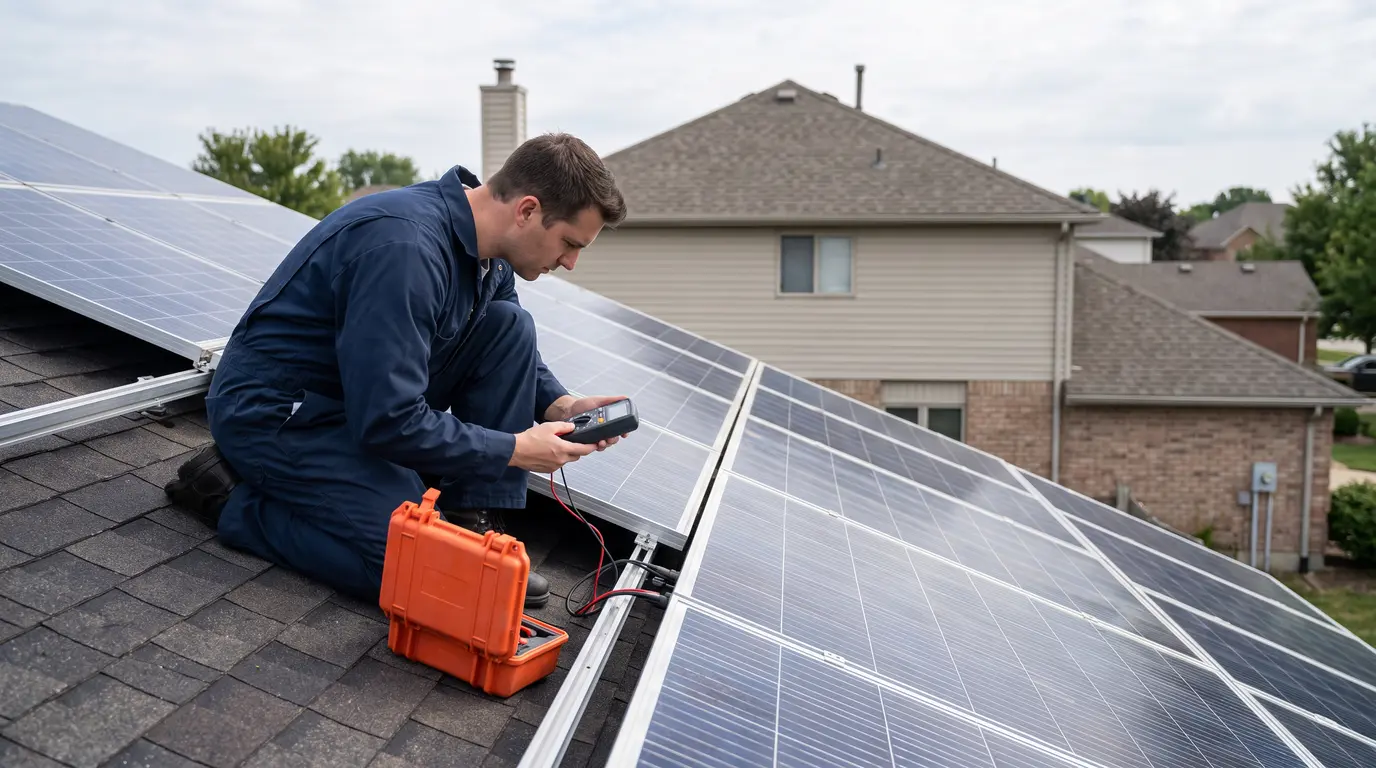
Before committing to rooftop solar, consider the roof’s remaining service life. If roofing work may be needed soon, coordinating the roof work and solar installation can help you avoid later removal and reinstallation costs. The guide on whether to replace your roof before solar provides additional planning context.
Battery capacity and power
The 13.5 kWh battery figure is a typical reference size, not a universal recommendation. Battery pricing can change with usable capacity, power output, brand, installation conditions, electrical upgrades, and whether the battery is installed with new solar or added to an existing system.
The key sizing question is not simply how many batteries you need. Ask which circuits should operate during an outage, how much power those loads require at the same time, and how long backup is expected to last. A proposal should make those expectations clear.
Electrical work and project scope
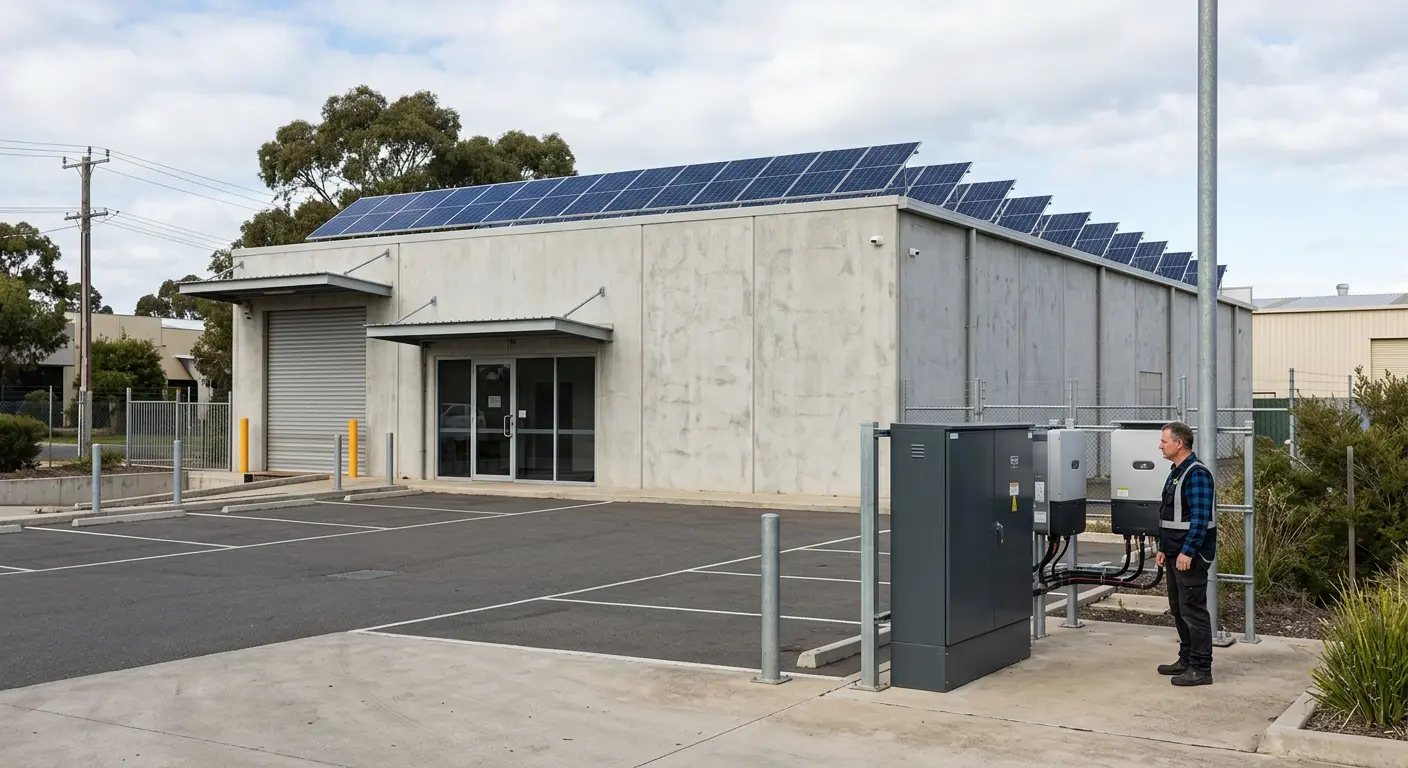
Ask whether the quoted battery price includes the backup gateway or transfer equipment, critical load panel work, wiring, permits, inspections, monitoring, and any service panel upgrade. These items are project scope questions, so they should be confirmed in writing rather than assumed to be included.
How to Evaluate the Investment
The value of battery storage is not limited to the number of kilowatt hours stored. The U.S. Department of Energy identifies storage as a potential fit when homeowners want outage support, receive limited compensation for exported solar, or have time of use electricity rates. A battery may be less attractive when a home has strong net metering benefits, small rate differences, or little need for backup.
Review your utility rate structure, export compensation, outage priorities, and any available demand response or other programs. The article on whether a solar battery makes sense can help organize those questions, although it does not replace a utility specific financial analysis.
Compare ownership and financing carefully
Purchased systems generally have a lower total cost than systems acquired through a solar loan, lease, or power purchase agreement, but financing changes payment timing and ownership. Compare interest, fees, escalators, maintenance obligations, ownership of incentives, and transfer requirements if you sell the home.
Ask whether the proposal shows both the gross price and the net price after confirmed incentives. Also ask who owns the solar and battery equipment if the project is financed and what happens to the agreement if the home is sold.
What a Solar and Battery Quote Should Show
To compare proposals fairly, look for the same core information in each one:
- Solar system size and expected production
- Battery usable capacity, continuous power, and peak power
- Circuits included in backup service
- Equipment brands and monitoring details
- Permits, inspections, wiring, and electrical upgrades
- Warranty terms and responsibility for removal or replacement
- Gross price, confirmed incentives, financing costs, and net price
For additional solar only context, review the article on residential solar panel cost. For battery specific pricing factors, see the guide to home battery cost. Neither article should be treated as a complete combined project quote.
Frequently Asked Questions
Does the solar price include the battery?
Not in the benchmark figures used here. The approximately $30,720 solar figure and approximately $15,647 battery figure are separate planning references. A combined proposal may share equipment and installation costs, so the final total may not equal a simple addition.
Does a home battery qualify for a federal tax credit in 2026?
Under the IRS guidance available for the 2026 tax year, the former Residential Clean Energy Credit is not available for property placed in service or expenditures made after December 31, 2025. State, local, utility, and other programs may have separate rules, so verify current eligibility directly with the relevant agency or utility.
Should the roof be replaced before installing solar?
Consider the roof’s remaining service life before approving the solar project. If roofing work may be needed soon, coordinate the projects to avoid possible removal and reinstallation costs later.
Plan Your Next Step
For a residential starting point, plan around tens of thousands of dollars before incentives, then compare the exact solar size, battery capacity, backup scope, electrical work, ownership terms, and confirmed incentives in each proposal. You can also use the solar cost calculator for preliminary planning, but its output is not a quote and should not be treated as a complete battery analysis.